Early Labor Signs: When to Call Your Provider
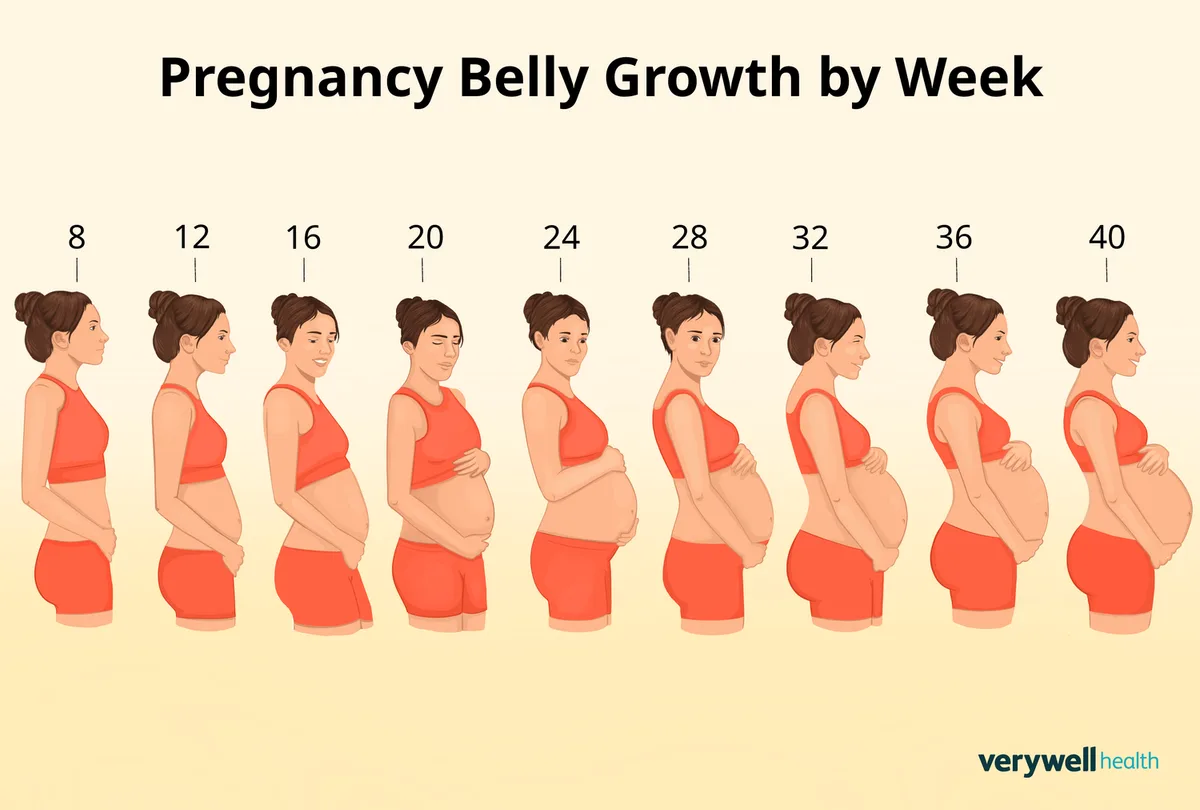
Knowing the signs labor may be approaching and when to call your provider saves stress and ensures safety. Many parents worry about missing early cues or rushing in too soon. We’ve seen how confusion leads to unnecessary ER visits or dangerous delays.
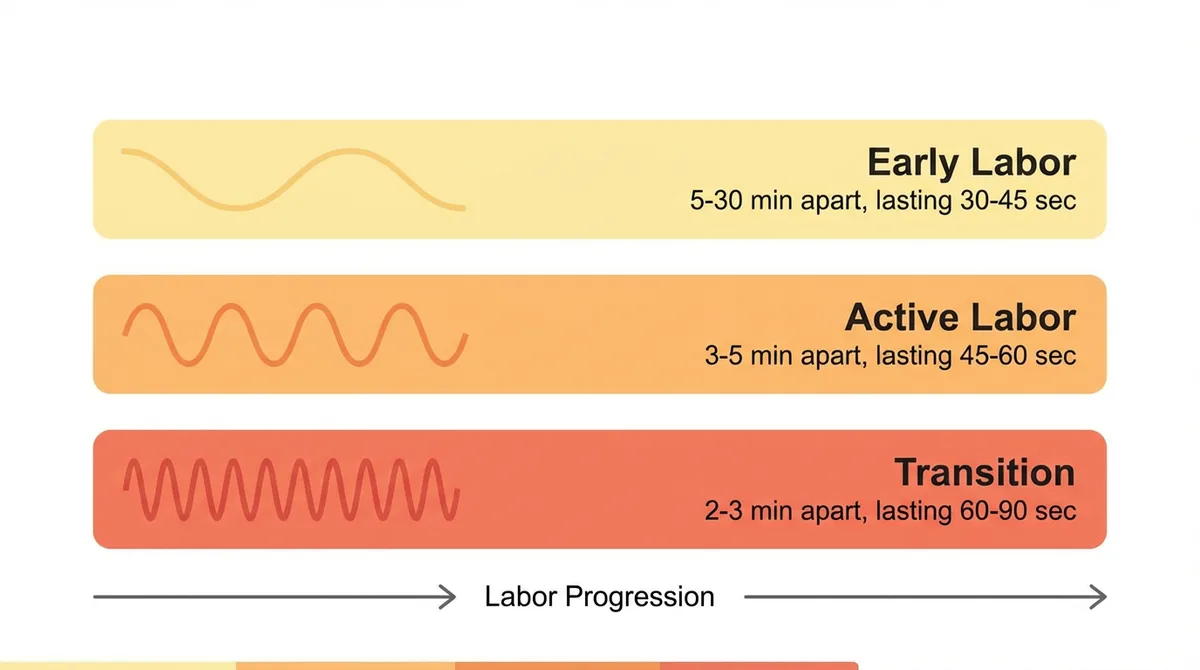
Timing is everything here. The American College of Obstetricians and Gynecologists (ACOG) recommends arriving when contractions are five minutes apart, lasting one minute each, for an hour. This 5-1-1 rule helps distinguish active labor from false alarms.
Let’s break down exactly what to watch for so you can act with confidence.
Quick Answer
Signs labor approaches include regular contractions, bloody show, and water breaking. Call your provider when contractions hit the 5-1-1 threshold. Multiparas should call sooner if intervals shorten rapidly.
Immediate calls are needed for bright red bleeding or decreased fetal movement. Always follow your specific care plan.
Why Timing Matters More Than Pain Intensity
Pain levels vary wildly between patients. Some feel mild discomfort during advanced dilation. Others experience severe pain during early latent phases.
Relying solely on pain is a risky strategy. It ignores the physiological reality of cervical change.
We need to focus on pattern and consistency instead. Regularity indicates the uterus is working effectively. Progression shows labor is advancing toward delivery.
These metrics offer objective data points for decision-making. They remove the guesswork from emergency situations.
Misjudging timing can lead to two negative outcomes. Arriving too early clogs hospital triage resources. You might get sent home exhausted and frustrated.
Arriving too late increases risks for both mother and baby. Precipitous deliveries happen without warning in some cases.
Our research highlights that clear protocols reduce anxiety. Knowing the exact triggers empowers you. You stop questioning every twinge.
Instead, you track specific, measurable events. This shift transforms panic into preparedness.
Decoding the Early Signals: Lightening, Nesting, and the Bloody Show
Labor doesn’t start abruptly for most people. Weeks before true contractions begin, subtle shifts occur. Recognizing these prodromal signs prepares you mentally and physically.
They signal that your body is getting ready.
Lightening happens when the baby drops lower into the pelvis. First-time mothers often notice this two to four weeks prior. Multiparas might see it only hours before labor starts.
You’ll likely breathe easier as pressure on the diaphragm decreases. However, pelvic pressure and urinary frequency increase significantly.
The nesting instinct is another common precursor. You might feel a sudden burst of energy. This drives urges to clean, organize, or prepare the nursery.
While charming, it’s not a medical indicator of imminent labor. Don’t exhaust yourself chasing perfection. Save that energy for the real work ahead.
Then comes the bloody show. As the cervix softens and begins to dilate, small blood vessels rupture. This mixes with the mucus plug sealing the cervix.
You might see pink, brown, or streaky red discharge. This sign alone doesn’t mean labor is starting immediately. It could precede active labor by days or even weeks.
Track the color and amount carefully. Bright red heavy bleeding is different and requires attention.
The Critical Distinction: True Labor vs. Braxton Hicks and Prodromal Labor
Confusion between contraction types causes the most unnecessary calls. Understanding the difference protects your peace of mind. We categorize these into three distinct experiences.
Each has unique characteristics you can identify.
Braxton Hicks contractions are practice runs. They are irregular, unpredictable, and usually painless. They often stop when you change positions or hydrate.
Think of them as sporadic tightening without purpose. They don’t cause cervical dilation. If resting makes them go away, they’re likely false labor.
Prodromal labor feels much more intense. It involves painful, regular contractions that mimic true labor. Yet, it fails to progress efficiently.
The cervix may soften but not dilate significantly. This phase is exhausting and emotionally draining. It can last for days.
Unlike Braxton Hicks, hydration rarely stops prodromal contractions. But unlike true labor, they lack consistent forward momentum.
True labor follows a predictable escalation pattern. Contractions become closer together, longer in duration, and stronger. They persist despite rest, position changes, or drinking water.
The pain radiates from the back to the front. Most importantly, they drive cervical change. If you’re unsure, wait out the next few cycles.
Consistency is the key marker.
| Feature | Braxton Hicks | Prodromal Labor | True Labor |
|---|---|---|---|
| Regularity | Irregular | Often regular | Very regular |
| Intensity | Mild/Tightening | Strong/Painful | Increasingly Strong |
| Effect of Rest | Stops/Slows | Minimal effect | No effect |
| Cervical Change | None | Softening/Effacement | Dilation/Progression |
| Duration | Seconds | Minutes | 60+ seconds |
Hard Metrics for Calling Your Provider: The 5-1-1 Rule and Beyond
Once you suspect true labor, apply the standard metric. The 5-1-1 rule is widely accepted across US healthcare facilities. It provides a clear benchmark for departure.
However, individual circumstances may alter this guideline.
Start timing contractions from the beginning of one to the beginning of the next. Do not measure the gap between peaks. Record the duration of each contraction separately.
Aim for sixty seconds or longer per event.
Count the frequency over several consecutive episodes. When intervals reach five minutes or less, maintain this pace for at least one full hour. This consistency confirms active labor entry.
At this stage, calling your provider is appropriate. They will advise whether to head to the hospital or birth center.
Multiparous women often progress faster. Their bodies have done this dance before. Waiting for the full 5-1-1 cycle might result in arriving fully dilated.
Many providers suggest calling when contractions are seven to ten minutes apart for subsequent births. Always verify your specific provider’s preference during prenatal visits.
Distance also plays a role. If you live far from care, adjust the threshold. Call earlier if travel time exceeds thirty minutes.
Safety trumps strict adherence to arbitrary numbers. Use apps or paper logs to track accurately. Guessing intervals leads to errors.
Red Flags That Demand Immediate Attention, Not Waiting
Some signs bypass the waiting game entirely. These indicators require immediate contact with your provider or emergency services. Delaying action in these scenarios poses serious risks.
Memorize these critical warnings now.
Bright red vaginal bleeding heavier than a menstrual period is urgent. It suggests placental abruption or previa. Both conditions compromise oxygen supply to the baby.
Spotting from the bloody show is normal. Heavy, fresh blood is not. Call immediately.
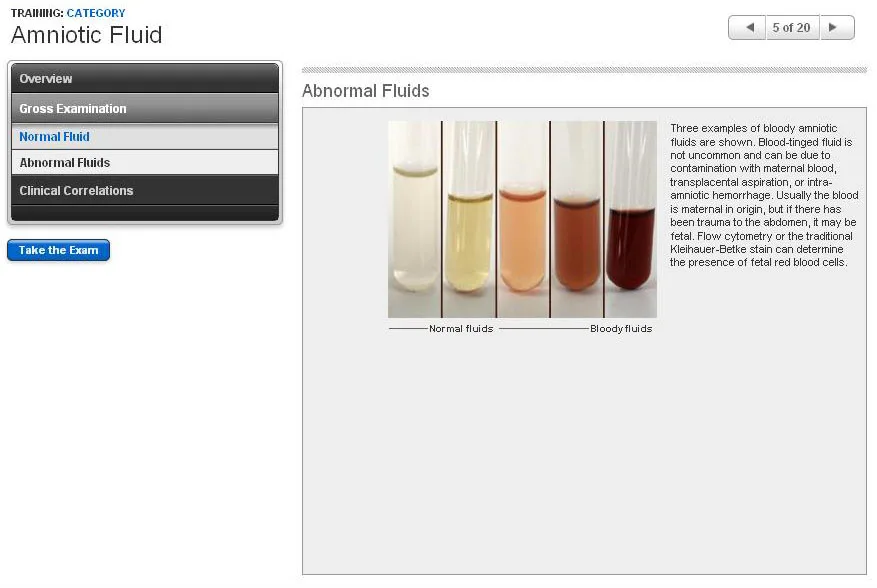
Rupture of membranes (water breaking) warrants prompt evaluation. Even if contractions haven’t started, infection risk rises once the seal breaks. Note the fluid’s color and odor.
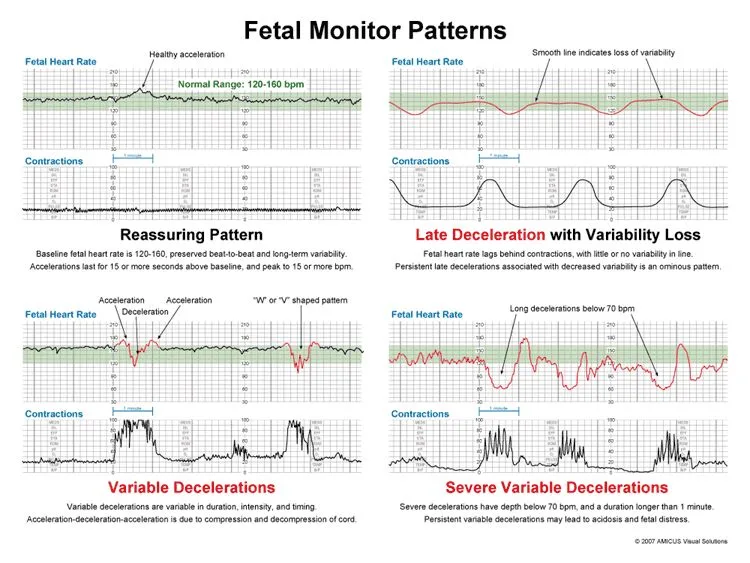
Clear fluid is typical. Green or brown staining indicates meconium passage. This requires instant monitoring for fetal distress.
Decreased fetal movement is another major alarm. Babies sleep, but patterns shouldn’t vanish completely. If you notice a significant drop in kicks or rolls, do not wait for contractions.
Perform a kick count if instructed previously. Lack of response means call right away.
Severe, constant abdominal pain unrelated to contractions needs assessment. It could signal uterine rupture or other complications. Similarly, symptoms of preeclampsia like severe headaches, vision changes, or upper right quadrant pain demand immediate care.
Trust your instincts. If something feels dangerously wrong, seek help instantly.
Special Considerations for Multiparas and High-Risk Pregnancies
Second-time parents face a different clock. Labor often accelerates significantly after the first birth. The cervix may dilate quickly without intense warning signs.
Waiting for the standard 5-1-1 interval can result in delivering at home. Many providers advise multiparas to call when contractions are seven minutes apart. This buffer accounts for rapid progression.
High-risk pregnancies require stricter protocols. Conditions like preeclampsia, gestational diabetes, or intrauterine growth restriction change the calculus. Your provider might set earlier thresholds for evaluation.
For instance, if you have a history of precipitous labor, timing matters even more. Always clarify these exceptions during your third-trimester visits. Do not assume general rules apply to complex cases.
Travel distance also influences decision-making. If you live forty-five minutes from the hospital, adjust your trigger point. Call when contractions are six to eight minutes apart.
This ensures you arrive safely before active labor peaks. Rural patients should prioritize safety over strict adherence to urban norms. Plan ahead for traffic patterns and weather conditions.
Preparing for the Call: What Information to Have Ready
Calling while panicking leads to vague answers. Prepare specific data points beforehand. Track contraction start times, durations, and intervals accurately.
Use a dedicated app or a simple notebook. Note any fluid leakage details, including color and volume. Mention fetal movement status clearly.
These facts help triage nurses assess urgency quickly.
Have your medical records accessible. Know your blood type, Group B Streptococcus status, and any allergies. List current medications and supplements.
Identify your support person’s contact info. Ensure your bag is packed with essentials like ID and insurance cards. Being organized reduces stress for you and the clinical team.
Ask yourself three key questions before dialing. Are contractions regular and strengthening? Is there bleeding or fluid loss?
Has baby moved recently? Answering these internally sharpens your report. It prevents rambling on the phone.
Clear communication speeds up the assessment process. You’ll get better guidance when you provide precise inputs.
Frequently Asked Questions
Can I shower if I think labor has started?
Yes, unless your water has broken. Warm showers can ease discomfort during latent labor. They help distinguish false labor from true progress.
If contractions stop after bathing, it was likely Braxton Hicks. If they continue or intensify, proceed to the hospital. Never delay care if you suspect membrane rupture.
What if my provider sends me home?
This happens frequently in early stages. It doesn’t mean you were wrong. Triage staff monitor cervical change and fetal well-being.
Rest, hydrate, and eat at home. Return when contractions strengthen or spacing decreases further. Keep tracking patterns closely.
Persistent pain or new symptoms warrant another call immediately.
Does walking induce labor faster?
Walking helps baby descend into the pelvis. Gravity assists engagement and may stimulate contractions. However, it won’t force labor if your body isn’t ready.
Gentle movement is beneficial during early phases. Avoid exhaustive exercise that depletes energy reserves. Listen to your body’s fatigue signals carefully.
How do I know if it’s urine or amniotic fluid?
Amniotic fluid is typically clear, odorless, and continuous. Urine usually has a scent and stops when you void. Use a pad to monitor flow rate.
Fluid that soaks through consistently suggests rupture. Pink nitrazine test strips available at pharmacies can confirm pH levels. When in doubt, call your provider for advice.