Third Trimester Checklist: Your Final Prep Before Delivery
Most parents treat their third trimester checklist before delivery like a shopping list. They buy diapers and pack clothes, then assume they’re ready. But labor is unpredictable.
A missed medical document or an uninstalled car seat can delay discharge by hours. Or worse, it can compromise safety.
We’ve seen too many cases where panic sets in because basic logistics weren’t verified early. The American College of Obstetricians and Gynecologists (ACOG) recommends finalizing care plans by week 36. This isn’t just about comfort.
It’s about ensuring your hospital file is complete and your baby’s transport is secure. Let’s break down what actually matters.
Why Your Third-Trimester Checklist Is a Medical Safety Tool, Not Just a Packing List
Forget the aesthetic nursery photos. Your checklist serves one primary function: risk mitigation. Hospitals operate on strict protocols.
If you lack proof of insurance pre-authorization, administrative delays occur. These delays stress you during active labor.
Think of this phase as auditing your readiness. You are verifying that every stakeholder knows their role. Your OB-GYN, the hospital triage nurse, and your pediatrician must be aligned.
Miscommunication here leads to errors in medication administration or consent forms.
A robust plan accounts for emergencies. What if you need a C-section? Your bag contents change.
Loose clothing becomes essential. Pain management strategies shift. Without this foresight, you improvise under duress.
Improvisation invites mistakes.
This section establishes the mindset. You aren’t just preparing for a birth. You are preparing for potential complications.
That distinction saves time and reduces trauma. Verify your provider’s specific requirements now. Don’t wait until contractions start.
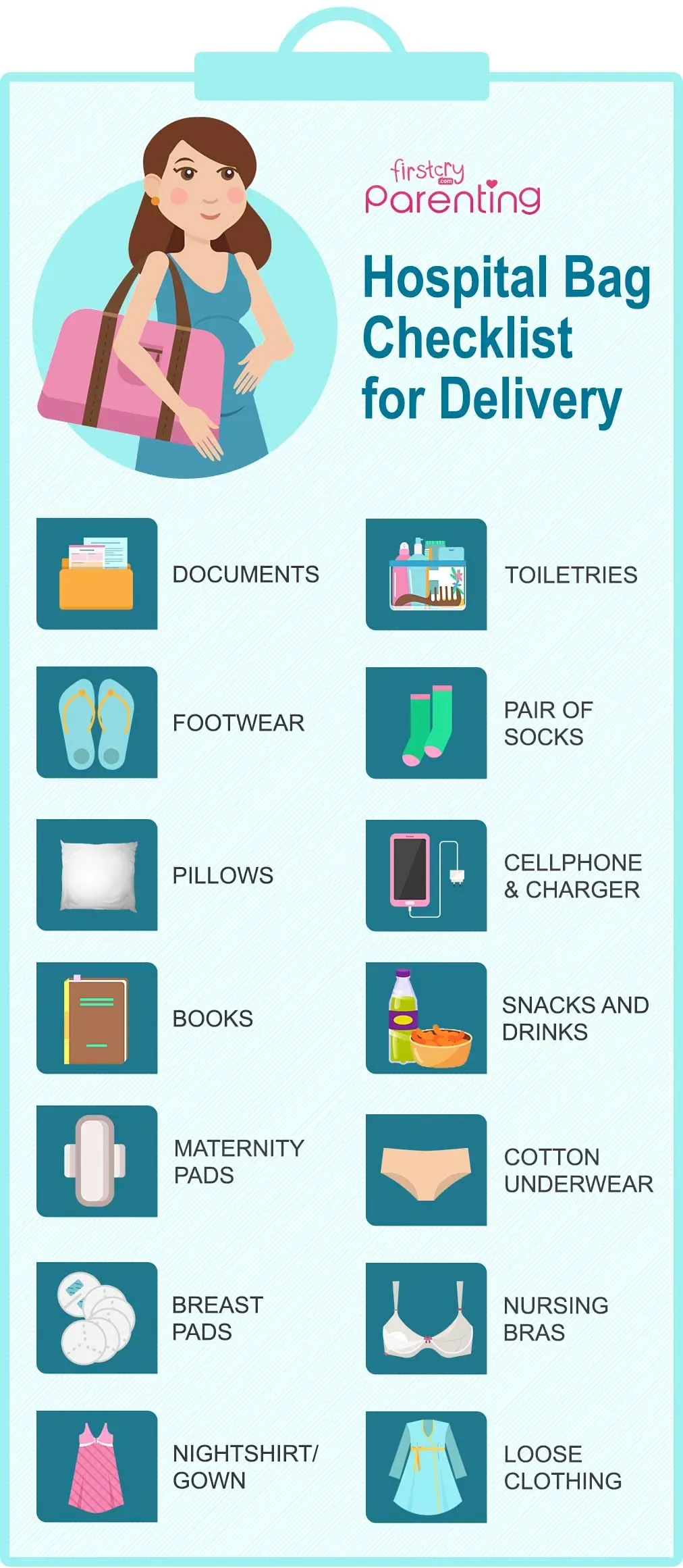
Image source: Web (Bing) / pinnaxis.com (Web image (fair-use with source credit))
The Critical Weeks: What Changes Between Week 28 and Delivery Day
Weeks 28 through 40 are distinct phases. Each has unique medical milestones. Ignoring them leaves gaps in your record.
By week 28, viability thresholds are met. This triggers specific monitoring protocols.
Around week 32, fetal movement patterns stabilize. You should know your baby’s baseline activity. Deviations signal distress.
Document any changes immediately. Your provider needs this data to assess placental function.
By week 36, most hospitals require Group B Streptococcus (GBS) test results. If positive, you need IV antibiotics during labor. Missing this lab result causes treatment delays.
Ensure your physical copy matches the digital file.
Week 37 marks full-term status. Elective inductions become possible. Discuss timing with your doctor.
Premature induction carries respiratory risks. Wait unless medically indicated.
Use this timeline to schedule tasks. Don’t cram everything into week 39. Spread out appointments and paperwork.
Early action prevents last-minute scrambles. Check your prenatal records for completeness.
| Milestone | Action Item | Risk if Missed |
|---|---|---|
| Week 28-32 | Monitor fetal movement logs | Delayed detection of growth restriction |
| Week 35-37 | Confirm GBS test results | Untreated infection transmission to newborn |
| Week 36+ | Finalize pediatrician choice | Discharge delays due to lack of follow-up plan |
| Week 39+ | Install and inspect car seat | Hospital refuses discharge without safe transport |
Hospital Bag Essentials That Actually Matter for Labor and Recovery
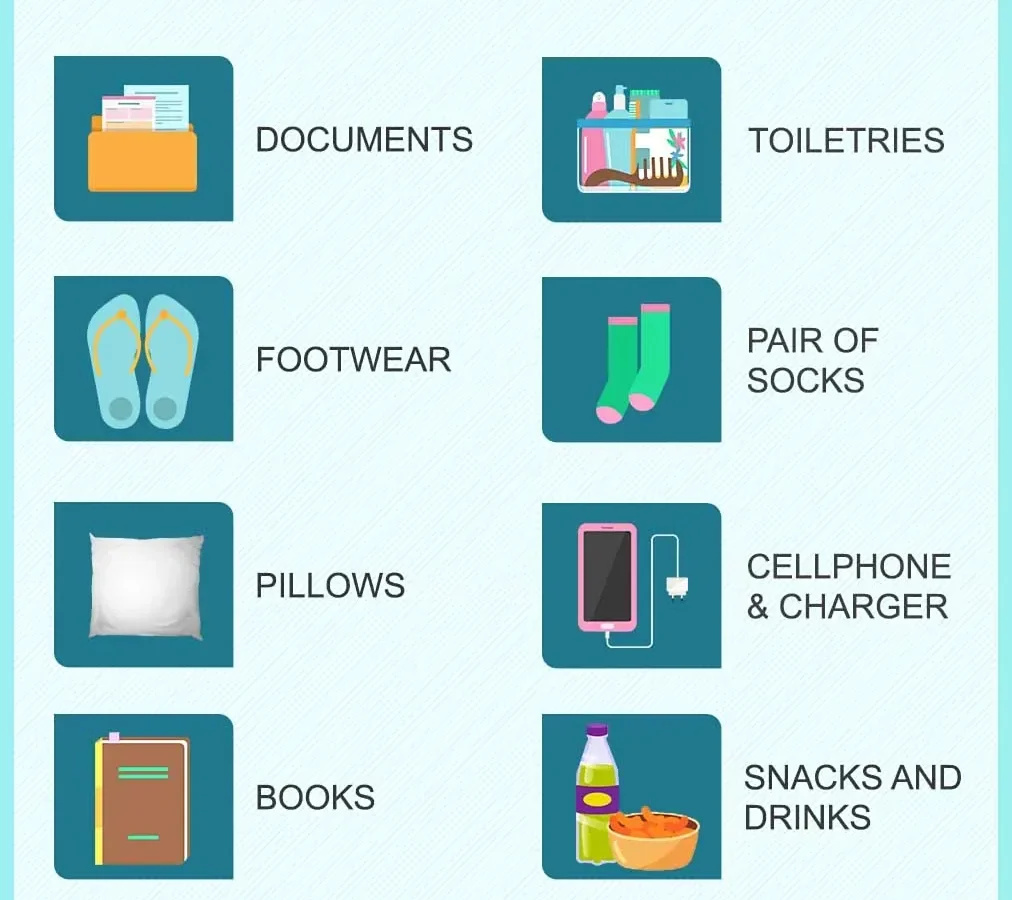
Hospitals provide basics. You don’t need to pack ten pairs of socks. Focus on items that enhance comfort and hygiene.
Most facilities supply gowns, pads, and peri bottles. Verify this policy first.
Pack non-slip socks. You’ll walk corridors frequently. Slips cause falls.
Bring a long charging cable. Outlets are often far from beds. Phone access connects you to support networks.
For recovery, prioritize loose waistbands. Postpartum bodies swell. Tight jeans hurt.
Soft robes facilitate breastfeeding checks. Nurses need easy access to incisions or breasts.
Skip the heavy makeup. You won’t use it. Instead, bring lip balm.
Air conditioning dries lips quickly. Hydration matters more than appearance. Pack electrolyte drinks if allowed.
Leave jewelry at home. Metal interferes with imaging tests. Rings swell during fluid retention.
Remove them before admission. Keep valuables secure elsewhere. Simplicity reduces anxiety.

Image source: Web (Bing) / shopee.ph (Web image (fair-use with source credit))
Pre-Delivery Logistics: Insurance, Pediatricians, and Legal Docs
Administrative hurdles stall discharges. Call your insurer two weeks before your due date. Confirm maternity coverage details.
Ask about out-of-network providers within the facility. Anesthesiologists often bill separately. Surprise bills strain finances.
Select your pediatrician by week 34. Schedule their initial visit. Hospitals require a name before release.
No pediatrician means no discharge. Have their contact info handy. Share it with the nursing staff upon arrival.
Complete advance directives early. Decide on pain management preferences. Specify interventions for complications.
Sign HIPAA releases for your partner. Without these, doctors cannot share updates. Communication breaks down when you’re medicated.
Verify legal guardianship if applicable. Single parents or LGBTQ+ couples may face bureaucratic friction. Prepare adoption or parentage orders if required locally.
Consult a family law attorney if unsure. Paperwork protects your rights.

Image source: Web (Bing) / ok.zendframeworkschulung.de (Web image (fair-use with source credit))
Red Flags and Emergency Protocols You Must Know Before Labor Starts
Know when to go to triage. The 5-1-1 rule applies to low-risk pregnancies. Contractions every five minutes, lasting one minute, for one hour.
High-risk patients may have different instructions. Follow your provider’s specific advice.
Watch for bleeding. Bright red blood signals placental issues. Contact your doctor immediately.
Do not wait for contractions. Heavy bleeding requires emergency evaluation. Time is critical for maternal stability.
Monitor fluid leakage. Clear fluid indicates ruptured membranes. Note the color and odor.
Green or brown fluid suggests meconium staining. This increases infection risk. Go to the hospital promptly.
Track severe headaches or vision changes. These symptoms suggest preeclampsia. Swelling in hands or face also raises alarms.
Measure your blood pressure if possible. High readings demand urgent care. Ignore mild discomfort, but act on neurological signs.
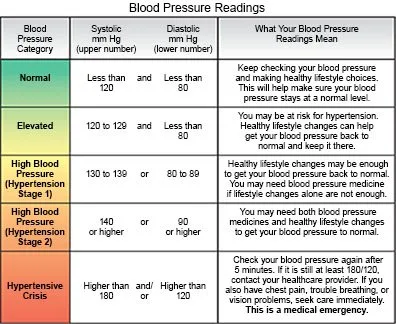
Image source: Bing (Web (fair-use with source credit))
Common Mistakes That Turn Preparation Into Panic
Many parents underestimate travel time to the hospital. Traffic patterns shift during labor hours. Assume the worst-case scenario for your route.
Leave early if contractions are regular but mild. Waiting until the 5-1-1 rule is fully met can mean arriving in transition. This creates chaos in triage.
Staff priorities shift to immediate stabilization, not orientation.
Another frequent error involves ignoring hospital-specific protocols. Every facility has unique rules for visitors and doulas. Some restrict entry during peak times.
Others require background checks for support persons. Verify these details weeks in advance. Assuming universal access leads to denied entry at the door.
Your partner or doula might wait outside while you labor alone. This causes unnecessary emotional distress.
Finally, people often forget to charge devices properly. Phones die quickly in cold storage rooms. Backup batteries fail if left unused for months.
Test every electronic item before packing. Ensure power banks are fully charged. Download offline maps and hospital apps.
Wi-Fi connections drop frequently in basement L&D units. Relying on cellular data alone risks losing contact with family. Prepare for digital isolation by having physical backups of critical info.
Print your birth preferences. Keep them in a waterproof sleeve. Technology fails.
Paper does not.
FAQs: Quick Answers for High-Stress Moments
When should I pack my hospital bag?
Pack it by week 36. This ensures readiness if labor starts early. You avoid last-minute scrambling during contractions.
Keep essentials like IDs and insurance cards separate. Store them in a visible spot. Check contents weekly for expired items.
Update phone numbers for emergency contacts. This routine keeps your plan active and accurate.
What if my water breaks at home?
Note the time and fluid color immediately. Call your provider right away. Do not take a bath.
Infection risk rises after rupture. Use a pad to monitor flow volume. Go to triage promptly if fluid is green or brown.
Bring your packed bag with you. Stay calm and follow instructions. Rapid assessment prevents complications for both mother and baby.
Can I refuse interventions during labor?
Yes, but discuss limits beforehand. Advance directives guide care when you cannot speak. However, emergencies override preferences.
Life-threatening situations require immediate action. Talk to your OB about "opt-out" policies. Understand what constitutes medical necessity versus preference.
Document your wishes clearly. Share copies with your partner and hospital file. Clarity reduces conflict during high-stress moments.
How do I handle childcare for older siblings?
Arrange backup care by week 34. Identify two trusted options. Practice the handoff procedure once.
Ensure caregivers have medical authorization forms. Provide emergency contacts and pediatrician info. Discuss expectations openly with children.
Explain that mom will be busy. Normalizing the separation reduces anxiety for everyone involved. Stability helps older kids adjust faster.