Pregnancy Travel Checklist: Essential Tips for Expecting
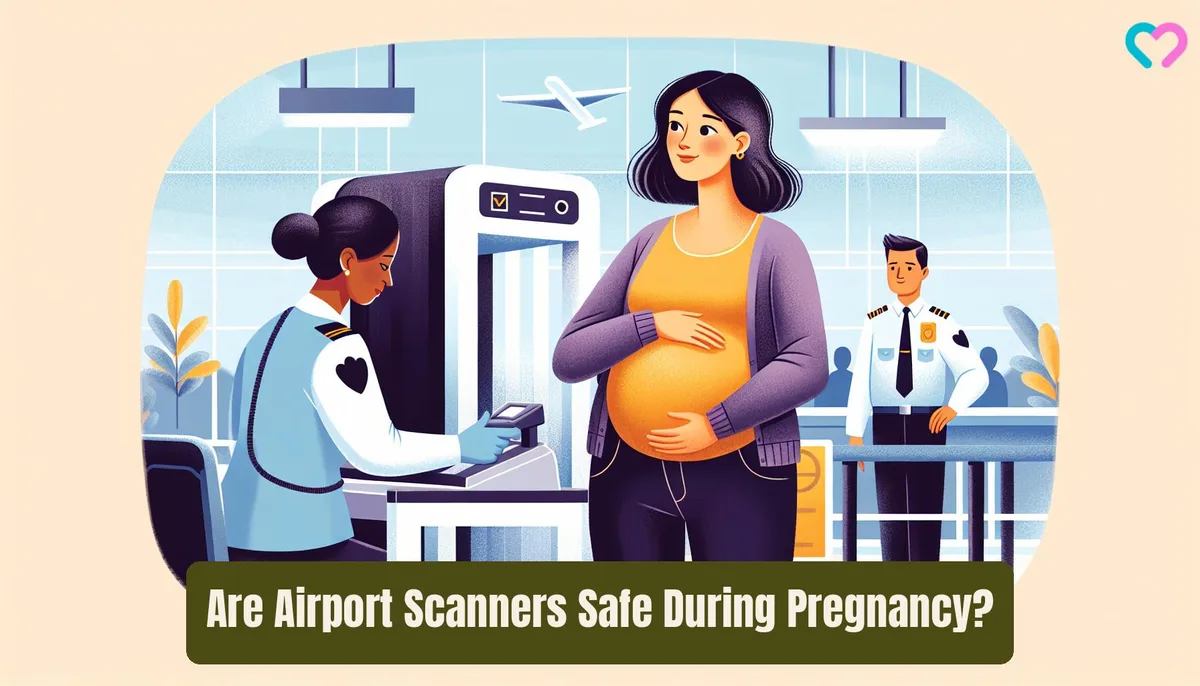
Building a solid pregnancy travel checklist for expecting moms isn’t just about packing snacks. It’s about ensuring your health and your baby’s safety remain stable while you’re miles from home. Many travelers assume that if they feel fine, they are clear to go.
That assumption can be dangerous.
We’ve seen too many cases where lack of preparation led to denied boarding or medical emergencies abroad. As of 2026, airline policies have tightened globally regarding late-term travel. You need specific documentation and a clear medical plan before booking anything.
Let’s break down exactly what you need to know to stay safe.
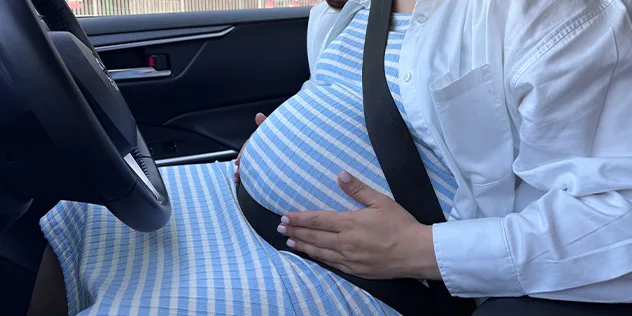
Image source: Web (Bing) / vuabl.keyhunter.co.uk (Web image (fair-use with source credit))
Why "Just Go" Isn’t Safe Advice for Pregnancy Travel
Pregnancy changes how your body handles stress, pressure, and immobility. Flying or driving long distances introduces variables that don’t exist in your daily routine. Cabin pressure drops slightly during flight, which can reduce oxygen saturation in the blood.
For most healthy pregnancies, this is negligible. But for those with underlying conditions like anemia or heart issues, it matters.
Dehydration happens faster at altitude. The dry air pulls moisture from your system quickly. This thickens the blood, increasing the risk of clots.
Expecting mothers already have higher baseline clotting factors due to hormonal shifts. Combine that with sitting still for hours, and you have a perfect storm for Deep Vein Thrombosis (DVT).
Ignoring these physiological realities is a mistake. You aren’t just traveling as a passenger. You are transporting two lives.
A casual approach ignores the complex interplay between gestation stage, mode of transport, and destination healthcare quality. We recommend treating every trip as a potential medical event until proven otherwise. This mindset shift prevents complacency.
It ensures you pack not just clothes, but safeguards.
The Hard Stop: When Airlines and Doctors Say No Fly Zone
Most major carriers enforce strict cutoff dates. Generally, you cannot fly after 36 weeks for singletons. For twins or multiples, the limit often drops to 32 weeks.
These rules aren’t suggestions. They are contractual terms of carriage. Violate them, and you will be denied boarding at the gate.
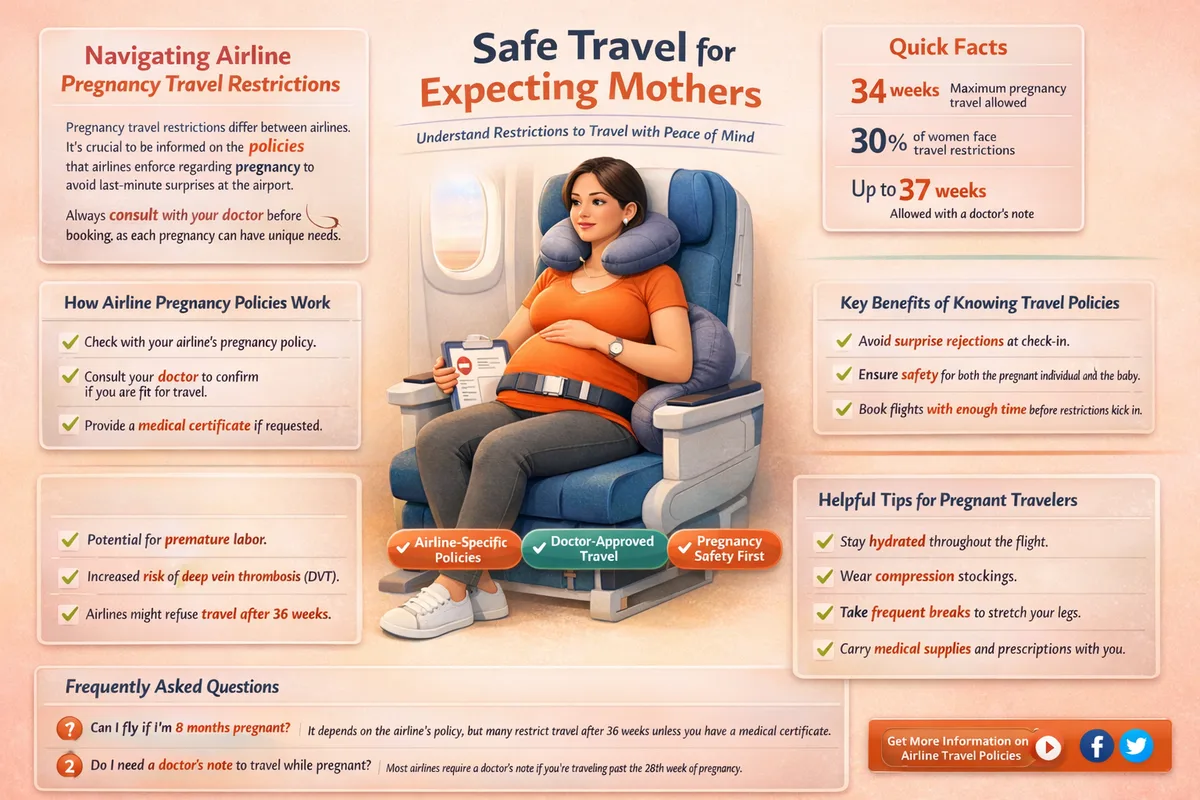
Your obstetrician also sets boundaries. Even if an airline allows travel at 34 weeks, your doctor might forbid it. They look at cervical length, placental position, and history of preterm labor.
If you have a low-lying placenta, travel is likely off-limits entirely. The physical jostling of transit could trigger bleeding.
Always check the specific carrier’s policy. Some budget airlines are stricter than legacy carriers. International flights often require a "fit-to-fly" letter after 28 weeks.
This document must be dated within ten days of departure. It confirms your due date and states there are no complications. Without it, security may turn you away.
Do not rely on verbal assurances from staff. Get the policy in writing before you pay for tickets.
Pre-Flight Medical Clearance: What Your OB Actually Needs to Sign
Schedule your clearance visit four to six weeks before travel. This gives you time to address any red flags. Bring your full prenatal chart if possible.
Your provider needs to verify your current status against historical data. They will check blood pressure, fundal height, and fetal heart rate.
Ask for a detailed letter. It should include:
- Estimated Due Date (EDD).
- Gestational age at time of travel.
- Confirmation of singleton or multiple pregnancy.
- Statement of fitness to travel.
- Provider’s license number and contact info.
Some destinations require notarization. Check embassy guidelines early. A simple note on prescription paper isn’t enough for international border control.
Ensure the letter explicitly mentions no contraindications for air travel. Vague language like "generally okay" invites scrutiny. Be specific.
If you have gestational diabetes, mention that insulin dosages are adjusted for time zone changes. This proactive detail builds trust with airport medical teams if delays occur. Keep digital and physical copies.
Store one in your carry-on and one in checked luggage. Loss of documents shouldn’t mean loss of travel rights.
Building the Safety Net: Insurance, DVT Prevention, and Hydration Protocols
Standard travel insurance rarely covers normal childbirth. You need a specialized rider or policy. Look for coverage that includes emergency obstetric care and neonatal intensive care unit (NICU) costs.
Premature birth abroad can cost tens of thousands of dollars per day. Verify that your policy doesn’t exclude pregnancy-related complications as "pre-existing conditions." Read the fine print on exclusion windows. Most policies require purchase within fourteen days of initial trip deposit to waive these exclusions.

Preventing DVT requires active management. Wear graduated compression socks rated at 15, 20 mmHg. Put them on before leaving for the airport.
Stay hydrated by drinking water consistently. Aim for eight ounces every hour during flight. Avoid caffeine and alcohol, which dehydrate you further.
Set a timer to stand and walk the aisle every ninety minutes. If you can’t walk, do seated calf raises. Flex your feet up and down vigorously.
This pumps blood back toward the heart.
| Action | Frequency | Purpose |
|---|---|---|
| Drink Water | Every 60 mins | Prevents blood thickening |
| Walk Aisle | Every 90 mins | Stimulates circulation |
| Compression Socks | Entire duration | Reduces swelling/clot risk |
| Calf Raises | Every 30 mins | Active muscle pumping |
These small habits significantly lower risk. Don’t wait for symptoms to act. Prevention is far easier than treatment at 30,000 feet.
Packing the Clinical Kit: Beyond Lip Balm and Snacks
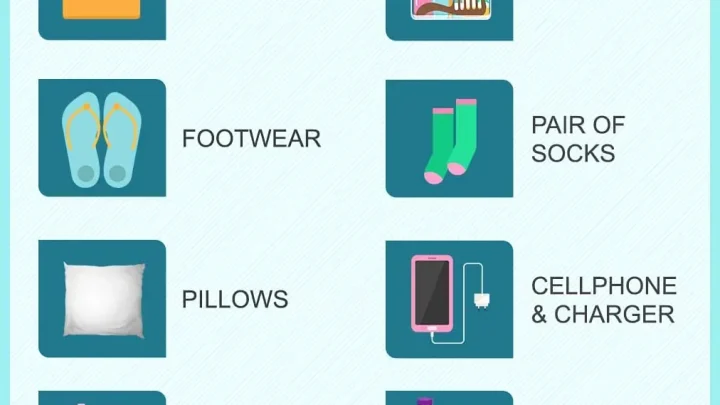
Your carry-on bag doubles as a mobile medical station. Pack items that address immediate discomfort and emergency tracking. Include a portable blood pressure cuff if you have hypertension risks.
Monitor readings regularly. Note any spikes above 140/90. Bring your prenatal vitamins and iron supplements.
Missed doses can affect energy levels and fetal development.
Pack motion sickness remedies approved by your doctor. Ginger chews or acupressure bands work well. Avoid over-the-counter drugs unless cleared previously.
Include unscented lotion for dry skin caused by cabin air. Dryness exacerbates itching and discomfort. Bring electrolyte powder packets.
Replenish salts lost through sweating or dehydration.
Keep a list of local emergency numbers at your destination. Save addresses of nearby hospitals with Level III NICUs. Print your medical history summary.
Hand it to flight attendants if you feel unwell. Clear communication speeds up assistance. Do not bury these items in checked luggage.
Accessibility is critical during turbulence or sudden illness. Organize your kit logically. Group medications together.
Place comfort items separately. This reduces panic if you need something quickly mid-flight. Remember, you are responsible for your own triage until professional help arrives.
Destination Due Diligence: Hospitals, Zika Zones, and Altitude Risks
Not all medical facilities are created equal. You need to identify the nearest Level III Neonatal Intensive Care Unit (NICU) before you book your stay. This designation means the hospital can handle babies born as early as 23 weeks with full respiratory support.
Smaller clinics may lack this capability. If labor starts unexpectedly, transport time becomes critical. Map out routes from your accommodation to these centers.
Save their direct phone numbers in your phone. Do not rely on hotel concierges for medical triage decisions. They are not trained to assess obstetric emergencies.

Check current disease outbreak alerts. The CDC Pregnant Travelers page lists regions with active Zika virus transmission. Mosquito-borne illnesses pose severe risks to fetal development.
Avoid areas with known outbreaks entirely if possible. Also consider altitude sickness. Destinations above 8,000 feet reduce oxygen availability.
This stresses both mother and fetus. Acclimatization takes days, not hours. If you must travel high, ascend slowly.
Monitor for headaches or shortness of breath. These symptoms mimic preeclampsia signs. Confusion here is dangerous.
Err on the side of caution and descend immediately if symptoms persist.
Red Flags In-Transit: Recognizing Labor Signs vs. Normal Discomfort
How do you know when discomfort turns into danger? Round ligament pain feels sharp but brief. It usually subsides with position changes.
True labor contractions, however, follow a pattern. They become regular, stronger, and closer together over time. Track the frequency using a timer app.
If pains occur every ten minutes for an hour, seek help. Vaginal bleeding is never normal during transit. Even spotting warrants immediate medical evaluation.
It could signal placental abruption. Fluid leakage indicates ruptured membranes. This increases infection risk rapidly.
Do not wait for the next scheduled stop. Alert crew members or pull over safely if driving.
Swelling is common in pregnancy. But sudden, asymmetric swelling in one leg suggests DVT. Compare both calves.
Look for redness, warmth, or tenderness. Chest pain or difficulty breathing signals a pulmonary embolism. This is life-threatening.
Call emergency services instantly. Severe abdominal pain differs from Braxton Hicks contractions. It remains constant rather than intermittent.
Headaches that don’t respond to hydration may indicate high blood pressure. Vision changes like blurring or spots are also warning signs of preeclampsia. Trust your instincts.
If something feels wrong, it probably is. Better to false alarm than ignore a crisis. Keep your doctor’s contact info accessible at all times.
Use telehealth apps if available abroad. Quick professional guidance can prevent escalation.
FAQ: Quick Answers on Weeks, Multiples, and Border Crossings
Can I fly at 34 weeks pregnant?
Yes, typically. Most airlines allow domestic travel up to 36 weeks for singletons. However, international carriers often restrict travel after 32 weeks.
Always check your specific airline’s policy. You will likely need a fit-to-fly letter from your OB-GYN dated within ten days of departure. Confirm requirements early to avoid gate denial.
Does travel insurance cover premature birth?
Standard policies usually exclude normal childbirth. You need a specialized rider covering pregnancy complications. Verify that NICU costs are included.
Premature delivery abroad can cost $3,000 per day. Ensure your policy doesn’t label pregnancy as a pre-existing condition exclusion. Purchase coverage soon after booking trips to maximize benefits.
Read the fine print carefully.
What if I go into labor in another country?
Stay calm. Contact local emergency services immediately. Present your medical records and insurance details.
Your embassy can assist with communication barriers. Coordinate with your home provider via telehealth if possible. Keep receipts for all expenses.
File claims promptly upon return. Language barriers complicate care, so translation apps help. Prioritize hospital admission over comfort concerns.