Working While Pregnant: Tips for Comfort
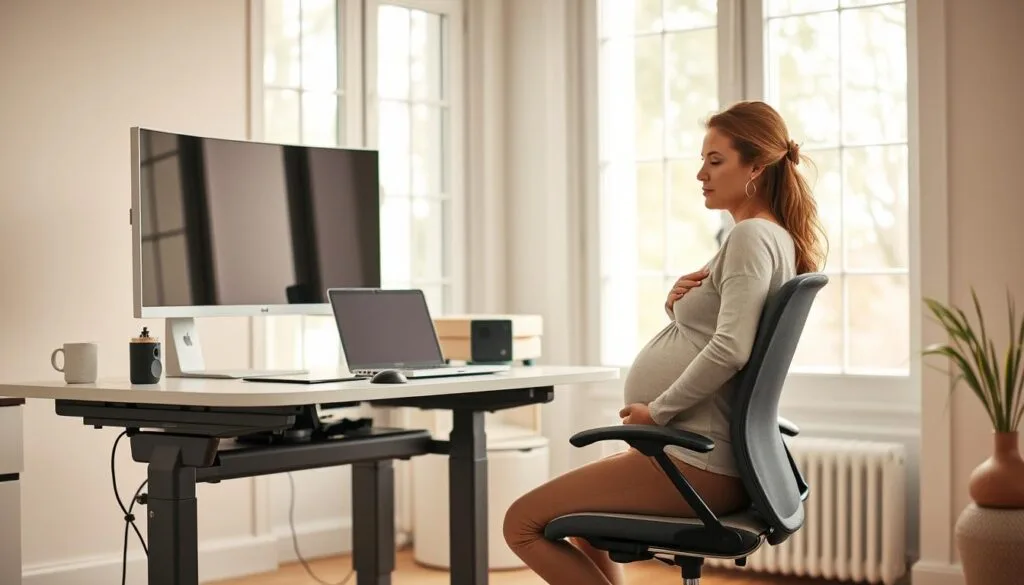
Most women assume working while pregnant means pushing through pain until leave starts. That’s a mistake. Comfort isn’t just about feeling good; it protects your health and keeps you productive.
Small adjustments to your workspace and routine make a huge difference.
We’ve seen how the right strategy changes based on your stage. The American College of Obstetricians and Gynecologists (ACOG) recommends frequent position changes to reduce strain. As of 2026, ergonomic standards emphasize proactive adaptation over reactive fixes.
Let’s break down exactly what to do, step by step.
Quick Answer
Working while pregnant tips for comfort focus on trimester-specific adjustments. Change positions every 30 to 60 minutes. Use lumbar support for lower back relief.
Wear compression socks if standing often. Stay hydrated but manage bathroom breaks smartly. These steps reduce pain and fatigue effectively.
Image source: Web (Bing) / ergomomics.com (Web image (fair-use with source credit))
Start Here: Your Trimester Determines the Strategy
Comfort needs shift dramatically as your body changes. What works in month three fails in month eight. You need a plan that evolves with you.
Don’t wait for pain to strike before acting.
First Trimester: Managing Fatigue and Nausea Without Disruption
Early pregnancy brings intense tiredness and potential nausea. Your priority is energy conservation. Keep snacks at your desk to maintain blood sugar.
Avoid strong scents from coworkers’ perfumes or food.
If you feel dizzy, sit down immediately. Do not push through lightheadedness. Request flexible start times if mornings are hardest.
This phase is about survival, not peak performance. Listen to your body’s signals closely. They’re louder now than they’ll ever be again.
Second Trimester: Fixing Posture Before Pain Sets In
Your center of gravity shifts forward here. Lower back strain becomes common. Adjust your chair height so feet rest flat.
Use a small pillow behind your lower back.
Stand up and stretch every hour. Walk to get water or use the restroom. These micro-movements prevent stiffness.
Consider switching to a supportive bra. Regular bras often fail to provide enough lift now.
Preventative care matters most in this window. Catching posture issues early saves months of discomfort later. Don’t ignore minor twinges.
Address them with simple ergonomic tweaks today.
Third Trimester: Mobility, Swelling, and Urgency Management
Space gets tight. Breathing may feel restricted. Focus on reducing swelling and managing urgency.
Elevate your feet whenever possible. Even fifteen minutes helps circulation significantly.
Wear loose clothing. Tight waistbands restrict digestion and breathing. Plan bathroom routes carefully.
Know where the nearest facilities are. Anxiety about access adds unnecessary stress.
Limit heavy lifting completely. Ask for help with files or supplies. Protect your pelvic floor.
Avoid crossing legs, which worsens edema. Prioritize ease over efficiency in these final weeks.
The Decision Matrix: Matching Comfort Tools to Your Job Type
Not all jobs are created equal. A sedentary analyst faces different challenges than a retail associate. Choose tools based on your primary activity level.
Generic advice rarely solves specific occupational hazards.
| Job Type | Primary Risk | Recommended Tool | Key Feature |
|---|---|---|---|
| Desk-Based | Static Posture | Lumbar Cushion | Memory Foam Density |
| Standing/Retail | Edema/Fatigue | Compression Socks | 15-20 mmHg Pressure |
| Hybrid/Mixed | Transition Strain | Adjustable Chair | Seat Depth Control |
Sedentary Desk Roles: Ergonomics Over Accessories
If you sit for eight hours, static load is the enemy. Your muscles weaken from lack of engagement. Invest in an adjustable office chair first.
Add-ons come second.
Set your monitor top edge at eye level. This prevents neck craning. Keep elbows at ninety degrees.
Wrists should stay neutral. No bending up or down.
Use a footrest if your legs dangle. Proper thigh support reduces pressure on veins. Stand-up desks help too.
Alternate between sitting and standing every thirty minutes. This keeps blood flowing.
Active or Standing Roles: Compression and Footwear Logic
Standing still is worse than walking. It pools blood in your legs. Wear graduated compression socks.
Look for 15 to 20 mmHg pressure.
Choose supportive shoes with arch control. Flat sandals offer zero protection. Rotate footwear daily to vary stress points.
Use anti-fatigue mats if stationary.
Shift your weight frequently. March in place subtly. Flex your calves to pump blood upward.
Take short walks during breaks. Never lock your knees. This causes fainting risks.
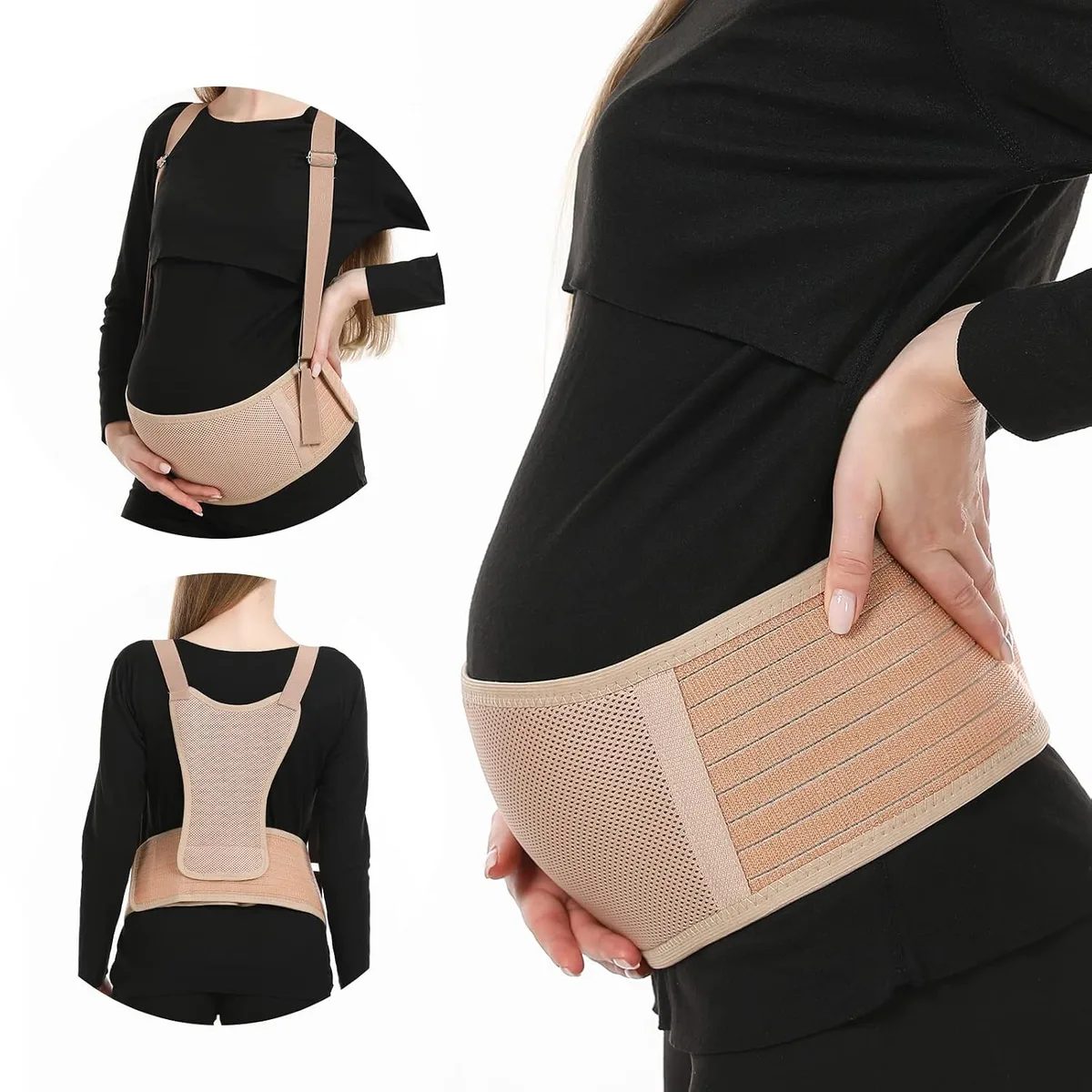
Image source: Web (Bing) / amazon.com (Web image (fair-use with source credit))
Hybrid Workers: Bridging Home and Office Gaps
Home setups often lack professional ergonomics. Bring your own lumbar support. Do not rely on couch cushions.
They encourage slouching.
Mirror your office habits at home. Set fixed break times. Prevent "always-on" culture burnout.
Communicate boundaries clearly to household members.
Check lighting levels. Eye strain headaches mimic pregnancy migraines. Use warm bulbs after sunset.
Protect your sleep cycle. Consistency across locations reduces cognitive load.
Step-by-Step Workflow: Implementing Micro-Breaks and Position Changes
Random movement doesn’t work. You need a structured rhythm. Our research shows scheduled breaks yield better outcomes than ad-hoc ones.
Follow this loop to maximize comfort without losing productivity.
The 90-Minute Rule for Sitting and Standing
Set a timer for ninety minutes. When it rings, stand up. Move for five minutes.
Walk to another room. Stretch your hamstrings.
Return to work refreshed. Repeat this cycle four times daily. It prevents cumulative tissue stress.
Ignoring this leads to chronic pain. Discipline beats motivation here.
If you can’t leave your desk, do seated stretches. Roll your shoulders backward. Twist your torso gently.
Engage your core lightly. These actions reset muscle tension.
Effective Stretching Sequences for Back and Hips
Focus on the pelvis and lower spine. Cat-cow poses relieve spinal compression. Hold each position for ten seconds.
Breathe deeply throughout.
Hip flexor stretches counteract sitting effects. Lunge forward slightly. Feel the pull in the front hip.
Switch sides evenly. Do this twice per session.
Avoid deep twists if you have round ligament pain. Stick to gentle movements. Pain is a stop signal.
Respect it immediately. Modify ranges of motion as needed.
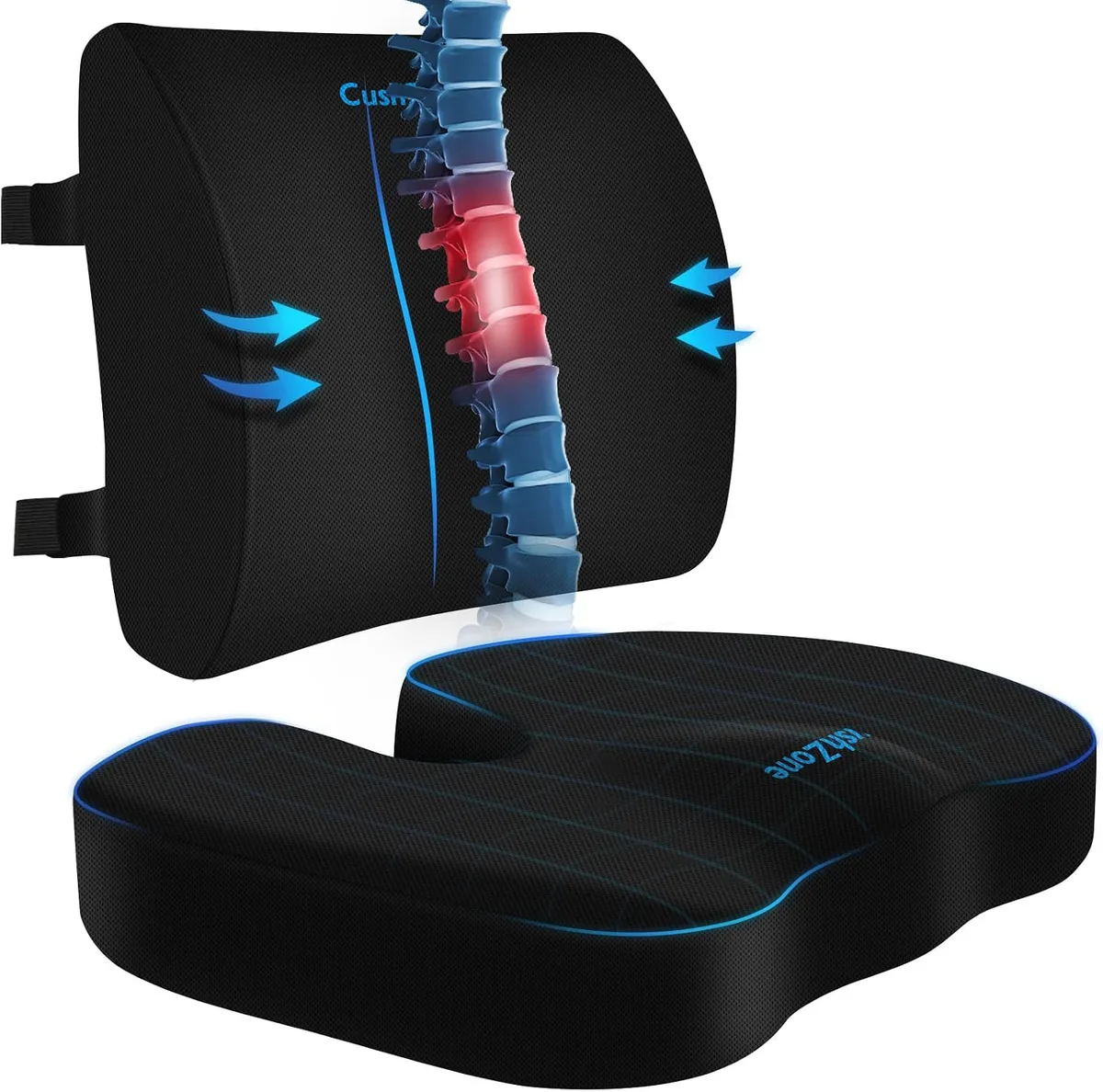
Image source: Web (Bing) / amazon.sa (Web image (fair-use with source credit))
Hydration Scheduling to Balance Intake and Bathroom Needs
Drink water consistently. Sip rather than gulp. Large volumes trigger urgent bladder responses.
Steady intake maintains hydration levels.
Aim for half your body weight in ounces. Stop drinking two hours before bed. This reduces nighttime disruptions.
Daytime sipping supports amniotic fluid health.
Plan bathroom trips around meetings. Go beforehand even if not urgent. Empty bladders prevent infections.
UTIs complicate pregnancies severely. Prioritize urinary health actively.
Legal Rights and Accommodation Requests That Actually Work
You don’t have to suffer silently. Laws protect your ability to request changes. Knowing your rights empowers you.
Approach HR with clarity and confidence.
Understanding OSHA and ADA Protections for Pregnant Employees
The Occupational Safety and Health Administration requires safe workplaces. Pregnancy-related hazards fall under this umbrella. Employers must mitigate known risks.
The Americans with Disabilities Act (ADA) covers temporary impairments. Severe morning sickness or back pain qualifies. You can request reasonable accommodations.
Denial without cause is illegal.
Document medical recommendations. Get notes from your provider. Specify exact needs like seating or breaks.
Vague requests get ignored. Precision ensures compliance.
Scripting the Conversation with HR and Managers
Start with positivity. Express commitment to your role. Then state your physical needs.
Frame it as productivity enhancement.
Say: "To maintain my output, I need X." Provide evidence from your doctor. Offer solutions, not just problems. Show you’ve thought it through.
Keep records of all communications. Email summaries work well. Confirm verbal agreements in writing.
Protection lies in documentation trails. Assume nothing is remembered.
Common Mistakes That Worsen Pregnancy Discomfort at Work
Good intentions often lead to bad results. Many women sabotage their comfort unknowingly. Avoid these traps to stay healthy.
Awareness prevents regrettable errors.
Relying Solely on Maternity Belts Instead of Core Engagement
Belts support but don’t strengthen. Overuse weakens abdominal muscles further. Use them only during heavy tasks.
Remove them when resting.
Engage your transverse abdominis gently. Pull your navel toward your spine. This stabilizes your pelvis naturally.
Muscle memory lasts longer than fabric.
Combine belt use with posture checks. Slouching negates support benefits. Sit tall regardless of assistance.
Your spine aligns best upright.
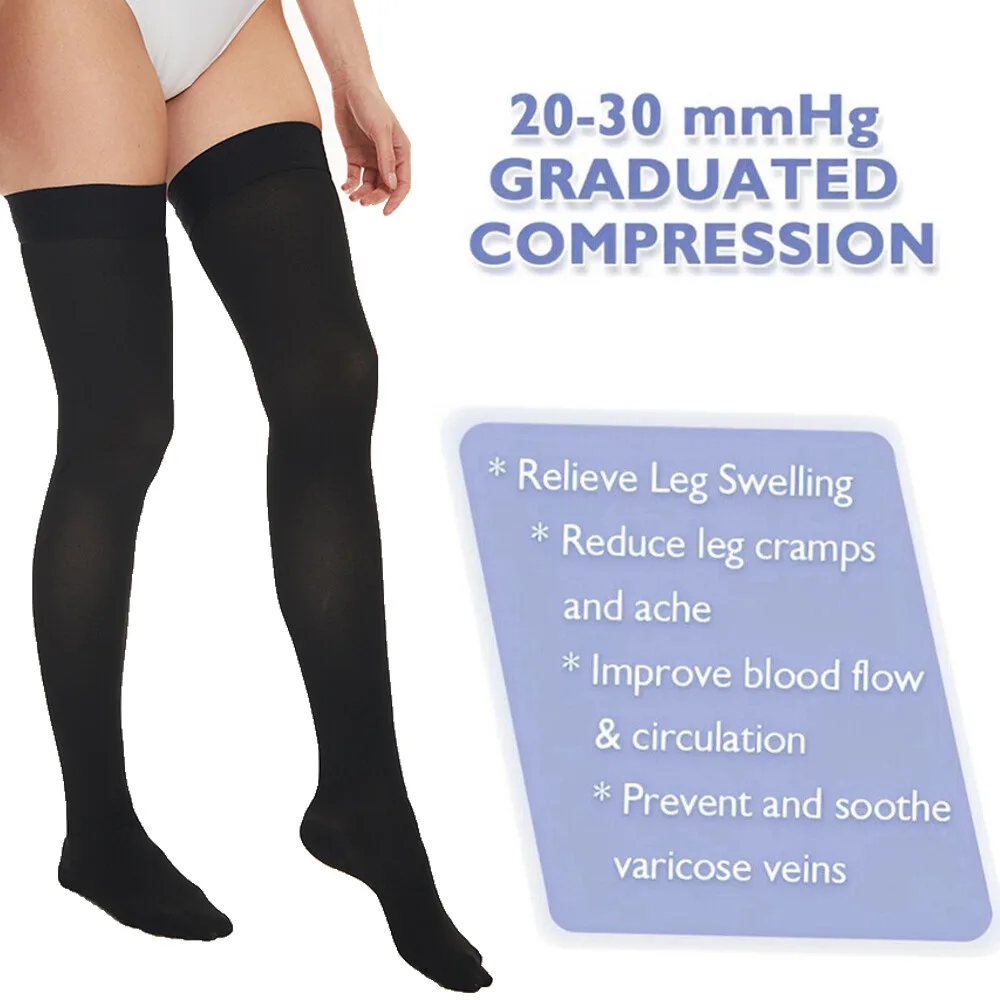
Image source: Web (Bing) / ebay.com (Web image (fair-use with source credit))
Ignoring Early Signs of Edema or Sciatica
Swelling isn’t always normal. Sudden onset signals preeclampsia. Monitor ankle size daily.
Pitting edema requires immediate attention.
Sciatica feels like electric shocks. Don’t tough it out. Adjust seating instantly.
Cross-legged positions aggravate nerves severely.
See your provider if pain persists. Early intervention stops escalation. Waiting makes recovery harder.
Trust your instincts over stoicism.
Skipping Preemptive Workspace Adjustments
Waiting for pain is reactive. Adjust before symptoms appear. Raise your monitor now.
Lower your chair seat depth.
Test new setups gradually. Ensure stability before full reliance. Unfamiliar ergonomics cause strain initially.
Give yourself time to adapt comfortably.
Safety Red Flags: When to Stop Working and Call Your Provider
Some symptoms demand immediate medical attention. Don’t try to power through these signs. They indicate serious complications that require professional intervention right away.
Symptoms Requiring Immediate Medical Attention
Sudden, severe swelling in your face or hands is a major warning sign. This often points to preeclampsia, a dangerous blood pressure condition. If you see this, stop working immediately.
Contact your obstetrician without delay.
Vaginal bleeding or fluid leakage also requires urgent care. Do not wait for your next scheduled appointment. These symptoms suggest potential placental issues or premature rupture of membranes.
Seek emergency services if pain accompanies them.
Severe headaches that don’t respond to acetaminophen are concerning. Pair this with vision changes like blurriness or spots? That’s a red flag.
Leave your workstation now. Go to the hospital. Your health and baby’s safety come first.
Distinguishing Normal Pregnancy Aches from Dangerous Strain
Normal discomfort feels dull and manageable. It improves with rest or position changes. Dangerous strain feels sharp, electric, or persistent despite adjustments.
Trust that difference.
Round ligament pain is common but brief. It lasts seconds to minutes. If pain lingers for hours, it’s not typical.
Consult your provider. They can rule out other causes like urinary tract infections or preterm labor.
Fatigue is normal, but extreme exhaustion isn’t. If you feel faint or confused, sit down. Drink water.
Rest until someone arrives. Never drive home if you feel unwell. Call a colleague or family member for help.
Frequently Asked Questions About Working While Pregnant
These questions address common concerns about balancing work duties with physical limitations during pregnancy. We’ve compiled answers based on current guidelines and employer best practices.
Can I refuse heavy lifting at work?
Yes, you can request accommodations. Under OSHA guidelines, employers must ensure workplace safety. Provide a doctor’s note specifying weight limits.
Most companies will assign lighter tasks temporarily. Document your request in writing. Keep copies for your records.
Refusing unsafe work protects both you and your child.
How often should I take breaks?
Take short breaks every 30 to 60 minutes. The American College of Obstetricians and Gynecologists recommends frequent position changes. Stand up, walk, or stretch briefly.
These micro-breaks improve circulation and reduce back strain. Schedule them into your calendar. Treat them as essential appointments.
Consistency prevents cumulative fatigue and discomfort throughout the day.
Are maternity belts safe for all-day wear?
No, avoid wearing them continuously. Maternity support belts help with specific activities like standing or lifting. Wearing them all day weakens core muscles further.
Remove them when sitting or resting. Use them only when necessary for stability. Combine belt use with gentle core exercises.
Strength training remains crucial for long-term posture health.
What if my employer denies accommodation requests?
Escalate the issue formally. Cite the Pregnancy Discrimination Act and ADA protections. Submit written documentation from your healthcare provider.
Request a meeting with HR. If denied, file a complaint with the Equal Employment Opportunity Commission. Legal precedents favor employees who document requests properly.
Stay calm and factual during discussions.