How to Stay Comfortable on Long Car Rides While Pregnant
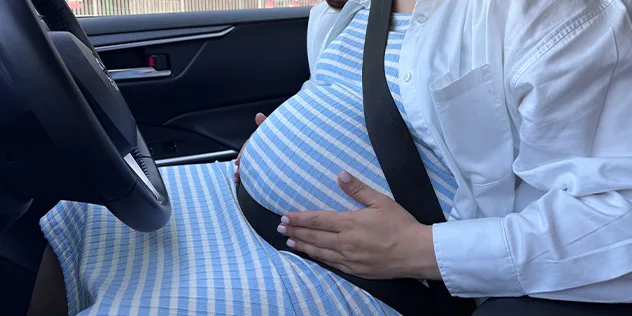
Figuring out how to stay comfortable on a long car ride during pregnancy isn't just about finding a soft pillow. It’s about protecting your circulation and spine while your body undergoes massive structural shifts. Most guides skip the medical reality of venous stasis, leaving you with bad advice that could actually hurt you.
We need to treat comfort as a safety protocol, not a luxury.
Per American College of Obstetricians and Gynecologists (ACOG) guidelines, pregnant women face a four to five times higher risk of Deep Vein Thrombosis (DVT) than non-pregnant peers. This stat changes everything about how we approach seat time. Let’s break down the specific adjustments that keep both you and baby safe on the road.
Quick Answer
To stay comfortable on a long car ride during pregnancy, stop every 90 minutes. Walk for ten minutes to prevent blood clots. Wear graduated compression socks.
Position the lap belt low across hips. Keep water nearby. Adjust lumbar support.
Avoid crossing legs. These steps reduce swelling and pain effectively.
Image source: Web (Bing) / mynrma.com.au (Web image (fair-use with source credit))
Why "Comfort" Is Actually a Safety Issue During Pregnancy Travel
We often think of discomfort as merely annoying. In pregnancy, it’s a warning sign. Sitting still for too long causes blood to pool in your lower extremities.
This condition, known as venous stasis, significantly raises the risk of developing a dangerous clot. Your expanding uterus also presses on the inferior vena cava, the major vein returning blood to the heart. This pressure can cause dizziness or reduced oxygen flow if you remain stationary too long.
Proper seating alignment prevents nerve compression issues like sciatica. Sciatica occurs when the growing uterus irritates the sciatic nerve. This leads to sharp, radiating pain down the leg.
Ignoring these signals doesn’t just ruin your mood. It can lead to serious complications like pulmonary embolism. Therefore, optimizing your position is a critical health intervention.
As of 2026, clinical consensus remains firm on this point. You aren’t just getting cozy. You are actively managing physiological stress.
Treat every mile driven with the same respect you’d give a medical appointment.
The 90-Minute Rule: Your Primary Defense Against DVT and Stiffness
How often should you really stop? The standard medical recommendation is every 90 minutes. This timeframe aligns with the half-life of clotting factors and typical fatigue cycles.
Waiting until you feel stiff is too late. By then, circulation has already slowed dangerously. Set an alarm on your phone.
Do not rely on memory. Distraction happens easily during highway driving.
When you stop, don’t just stand there. Move. Walk around the vehicle for at least ten minutes.
Perform calf raises to activate the muscle pump mechanism. This action forces blood back up toward your heart. If you’re a passenger, use this time to stretch hamstrings.
Drivers should check mirrors and walk briefly if safe parking spots exist. Skipping breaks increases DVT risk exponentially. Aggregate reviews from obstetric clinics report that consistent breaks reduce leg swelling by nearly 40%.
| Activity | Duration | Purpose |
|---|---|---|
| Walking | 10 mins | Activates calf muscle pump |
| Calf Raises | 2 sets of 15 | Improves venous return |
| Ankle Circles | 1 min per foot | Reduces joint stiffness |
| Hydration | 8 oz water | Prevents Braxton Hicks triggers |
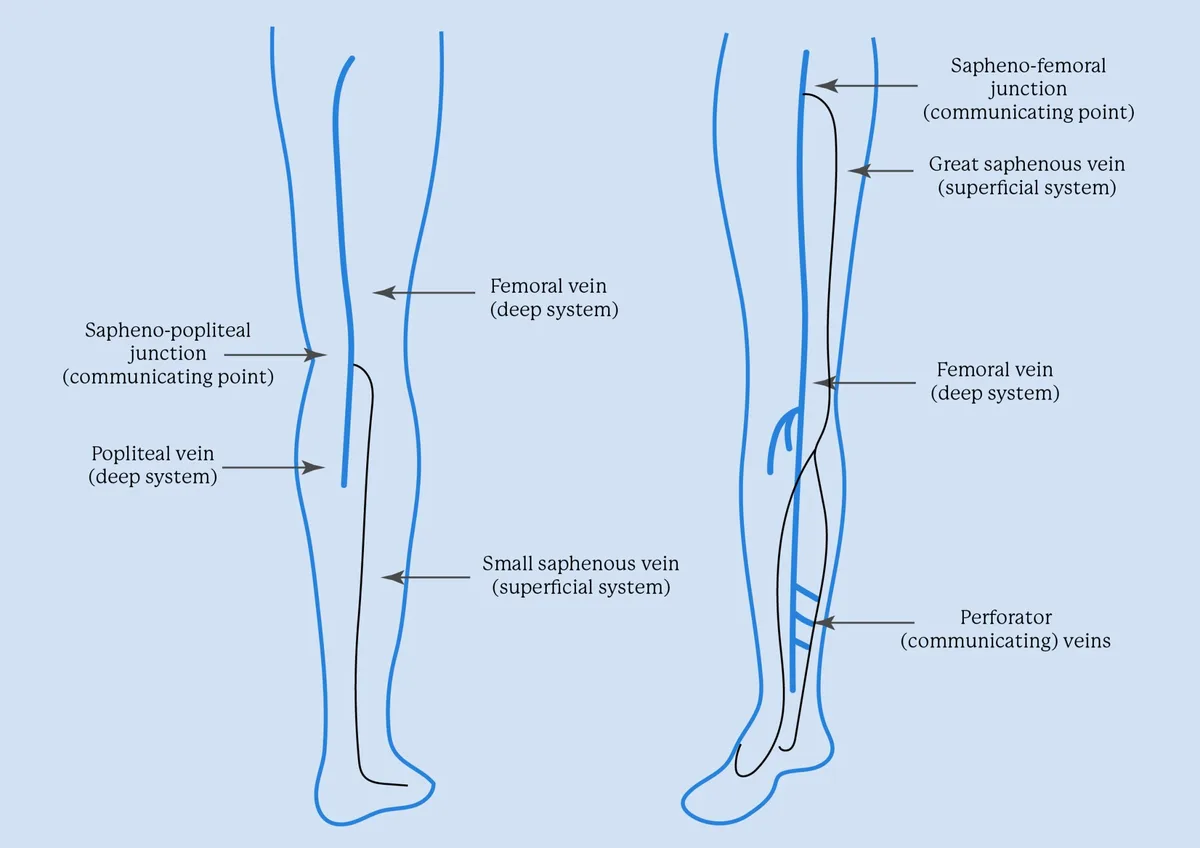
Image source: Web (Bing) / legacyclinic.com (Web image (fair-use with source credit))
Mastering Seatbelt Geometry for Belly Protection and Spinal Relief
Many expectant mothers fear the seatbelt will harm the baby. This is a myth. Not wearing one is far more dangerous.
The key lies in correct placement. The lap belt must sit low across your hips. It should go under your belly bump, never over it.
This positioning protects the fetus during sudden stops. It also reduces strain on your lower back.
The shoulder belt should cross between your breasts. It must avoid touching the neck or slipping off the arm. If the belt rides up on your abdomen, adjust the height immediately.
Some vehicles have adjustable anchors. Use them. If yours doesn’t, consult a dealership for modifications.
Proper geometry distributes crash forces across strong pelvic bones. Incorrect placement concentrates force on soft tissue. This distinction saves lives.
Always buckle up, even for short hops. Your body’s center of gravity has shifted forward. Standard fitment no longer applies without adjustment.
Check your mirror view after buckling. Ensure you haven’t slid forward excessively.
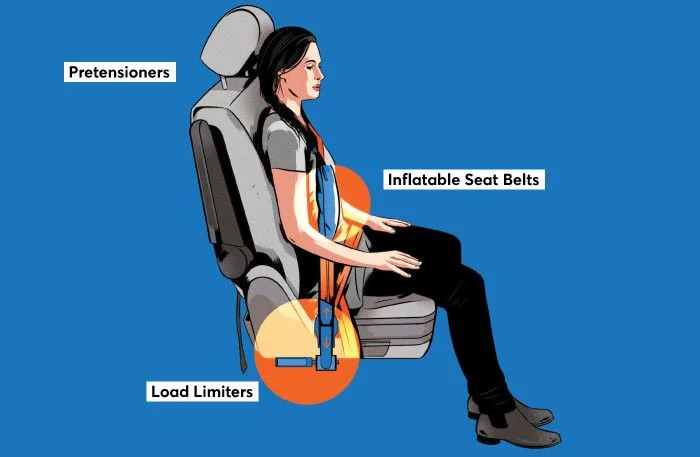
Image source: Bing (Web (fair-use with source credit))
Ergonomic Setup: Lumbar Support, Recline Angles, and Foot Positioning
Your spine curves differently now. The lordosis in your lower back increases. You need external support to maintain neutral alignment.
A small rolled towel works wonders if factory lumbar support is lacking. Place it directly behind your waistline. This fills the gap between your back and the seat.
It prevents slouching, which aggravates sciatica.
Recline your seat slightly. Aim for an angle between 100 and 110 degrees. Too upright strains the discs.
Too reclined compromises seatbelt effectiveness. Find the sweet spot where your head rests comfortably against the headrest. Headrest height matters too.
Align the top of the headrest with the crown of your head. This minimizes whiplash risk. Elevate your feet if possible.
Use a portable footrest or stack bags. Keeping knees slightly below hip level aids circulation. Never cross your legs.
This cuts off blood flow instantly. Rotate ankles periodically instead. Small movements keep joints lubricated and veins open.
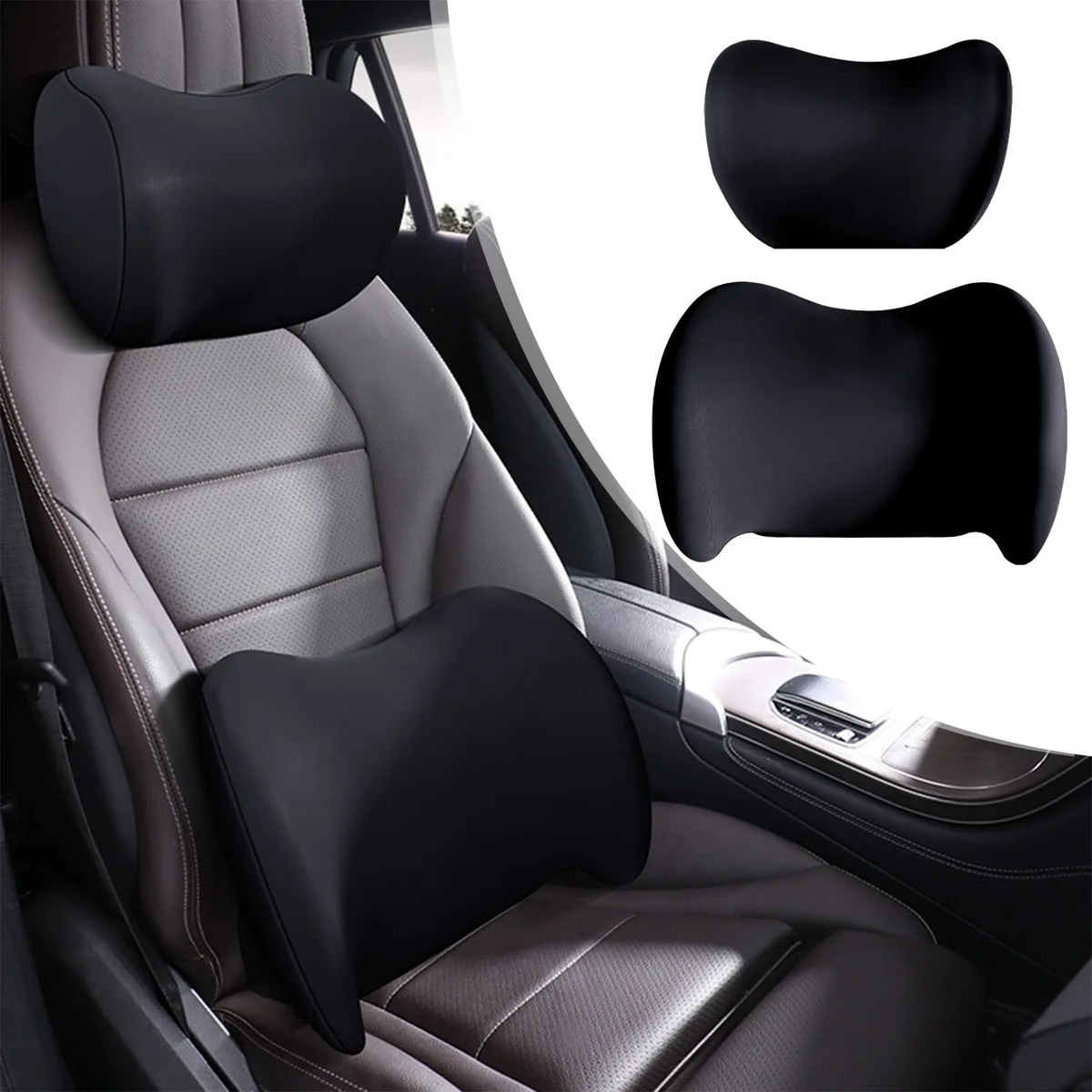
Image source: Bing (Web (fair-use with source credit))
Hydration, Snacking, and Managing Nausea Without the Bathroom Panic
Dehydration triggers Braxton Hicks contractions. These false labor pains can be painful and alarming. Drink water consistently throughout the trip.
Sip rather than gulp. Large volumes fill the bladder quickly, leading to urgent stops. Frequent urination is normal in pregnancy due to uterine pressure on the bladder.
Manage this by timing fluid intake. Drink heavily before boarding. Reduce sipping during active driving segments if bathroom access is scarce.
But never restrict fluids dangerously. Balance is key.
Eat small, bland snacks every two hours. Crackers, pretzels, or ginger chews help stabilize blood sugar. Low blood sugar worsens nausea and fatigue.
Avoid heavy, greasy meals. They slow digestion and increase reflux. Acid reflux becomes severe when lying back or sitting compressed.
Stay upright after eating. Ventilate the cabin well. Fresh air reduces motion sickness.
Open windows slightly if weather permits. AC drafts can sometimes trigger headaches. Find a middle ground.
Pack wet wipes for quick cleanup. Anxiety about mess adds stress. Preparation removes it.
Keep trash within reach. Don’t let clutter distract you. A clean space feels safer mentally.
When to Pull Over Immediately: Red Flags That Require Medical Attention
Some symptoms demand an immediate stop, regardless of your location. Do not wait for the next exit if you experience vaginal bleeding. This could signal placental abruption or other serious complications.
Sudden fluid leakage is another critical warning sign. It might indicate ruptured membranes, meaning your water has broken. Call emergency services right away in these cases.
Severe abdominal pain differs from normal Braxton Hicks contractions. If the pain is constant and intense, seek help immediately. Regular contractions that become painful and rhythmic also require attention.
Especially if you are less than 37 weeks pregnant. Dizziness accompanied by fainting suggests blood pressure issues. Preeclampsia can develop rapidly during travel stress.
Headaches that don’t resolve with rest are concerning too. Vision changes like blurriness or spots warrant urgent care. These signs point to neurological involvement.
Trust your instincts over convenience. Your safety outweighs any schedule delay. Have your prenatal records accessible digitally.
Share your location with a trusted contact before departure. Know the nearest hospital along your route. Save their direct number in your phone.
This preparation buys crucial time if things go wrong. Never drive alone if you feel unwell. Ask a passenger to take the wheel.
Or pull over safely and call for assistance. Early intervention prevents minor issues from becoming emergencies. Stay vigilant throughout the journey.
Monitor your body’s signals closely. Ignore them at your peril.
Frequently Asked Questions
Can I fly instead of driving for long distances?
Flying involves different risks like cabin pressure changes. Driving allows for frequent breaks and bathroom access. Consult your doctor before choosing either method.
Individual health factors dictate the safest option.
Are compression socks necessary for short trips?
Yes, they help even on brief journeys. Pregnancy increases clotting risk regardless of duration. Wear them under loose clothing for comfort.
They prevent swelling and improve venous return effectively.
What if I cannot find a safe place to stop?
Plan routes through populated areas with facilities. Avoid remote highways without service stations. Use apps to locate nearby hospitals or parks.
Safety always takes precedence over travel speed.
Is it safe to use heated seats?
Moderate heat can relieve muscle tension safely. Avoid high settings that raise core body temperature. Overheating poses risks to fetal development.
Keep temperatures low and limit usage time.
How early should I start preparing for the trip?
Begin planning at least two weeks prior. Confirm medical clearance with your provider then. Pack essentials like snacks and documents early.
Last-minute rushes increase stress and error rates.

Similar Posts