Quick Pregnancy Lunch Ideas for Busy Workdays
Finding solid pregnancy lunch ideas for busy workdays shouldn't feel like a medical exam. You’re tired, maybe nauseous, and definitely short on time. Most generic advice misses the mark because it ignores safety risks or assumes you have hours to cook.
We’ve seen too many women rely on unsafe deli meats or sugary snacks that crash their energy levels by 2 PM.
Per CDC guidelines as of 2026, listeria prevention is critical during gestation. That changes everything about what you pack. It’s not just about calories; it’s about protecting your baby while keeping your sanity intact.
Let’s break down exactly how to eat safely without spending your lunch break in the microwave line.
Quick Answer
Safe pregnancy lunches prioritize pasteurized ingredients and stable blood sugar. Pack cooked proteins, washed veggies, and whole grains. Avoid raw sprouts, unpasteurized cheese, and cold deli meats.
Use insulated containers to keep food at safe temperatures. Prep components ahead of time to save effort. Focus on iron and folate-rich foods to support fetal development.
Keep hydration accessible throughout the day. This approach minimizes risk and maximizes energy for your workday.
Why "Healthy" Lunches Can Be Risky During Pregnancy
Many standard "office healthy" options are actually dangerous for expectant mothers. Think of the typical salad bar or grab-and-go sandwich shop. They often feature raw ingredients that carry higher bacterial loads.
Listeria monocytogenes is the primary concern here. Unlike other bacteria, listeria can grow even in refrigerated environments.
The American College of Obstetricians and Gynecologists (ACOG) warns that pregnant women are twenty times more likely to get sick from listeria than the general population. For most people, this causes mild flu-like symptoms. For you, it can lead to miscarriage, stillbirth, or severe newborn infection.
This isn’t fear-mongering. It’s biology. Your immune system shifts during pregnancy to protect the fetus.
That shift makes you vulnerable to specific pathogens. Deli meats, soft cheeses, and smoked seafood are common culprits. Even if they look fine, they might harbor bacteria.
We also see issues with mercury in fish. Many women swap red meat for tuna thinking it’s lighter. But high-mercury fish affects fetal brain development.
The FDA advises limiting albacore tuna and avoiding shark or swordfish entirely.
Finally, consider hygiene. Office fridges are rarely cleaned daily. Cross-contamination happens when unwashed produce touches ready-to-eat foods.
A simple spinach bag might seem safe, but if it wasn’t triple-washed, toxoplasmosis is a real risk. Understanding these hidden dangers helps you make smarter choices. It’s not about restricting your diet unnecessarily.
It’s about knowing which shortcuts cut corners on safety.
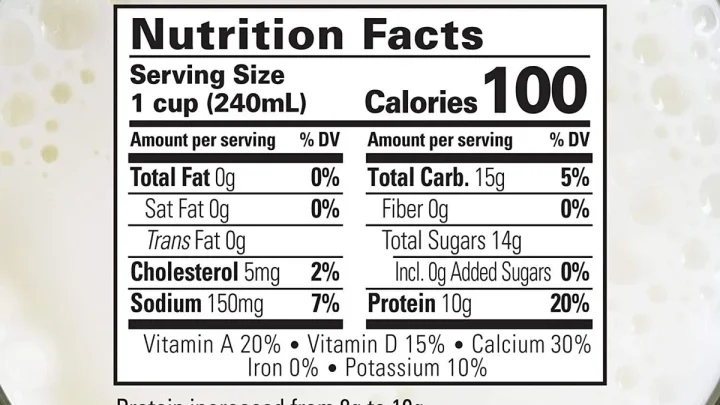
Image source: Web (Bing) / ubuy.co.in (Web image (fair-use with source credit))
The Non-Negotiable Safety Rules for Workday Meals
You need strict rules to stay safe without becoming paranoid. These guidelines come directly from federal health agencies. Follow them closely, especially if your workplace lacks reliable refrigeration.
First, heat kills bacteria. If you bring leftovers, reheat them until steaming hot. The internal temperature must reach 165°F (74°C).
Cold leftovers straight from the fridge are a no-go. Microwaves often heat unevenly, so stir halfway through. Check the center with a food thermometer if possible.
Second, avoid the "danger zone." Perishable foods shouldn’t sit between 40°F and 140°F for more than two hours. If your office fridge is broken or full, use an insulated lunch bag with ice packs. This keeps your meal below 40°F.
Standard plastic containers won’t cut it for long commutes.
Third, scrutinize dairy. Stick to hard cheeses like cheddar or parmesan. Soft cheeses like brie, camembert, or blue cheese are risky unless labeled "made with pasteurized milk." Even then, cross-contamination in production facilities is a slight risk.
Greek yogurt is usually safe and provides excellent calcium.
Fourth, wash everything. Rinse all fruits and vegetables under running water before packing. Dry them thoroughly to prevent spoilage.
Bagged salads labeled "ready-to-eat" don’t need washing, but check the seal. If the package looks damaged, toss it.
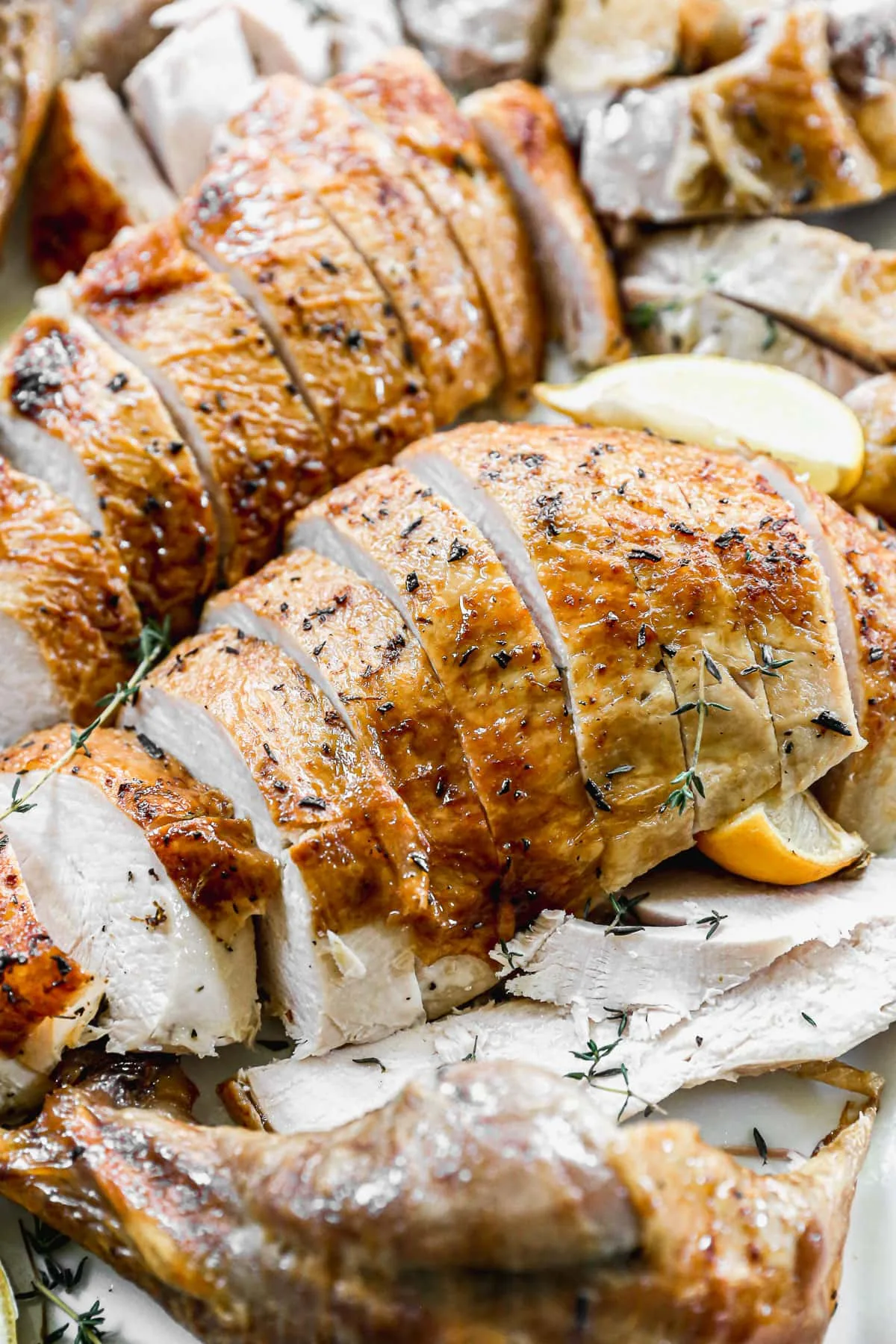
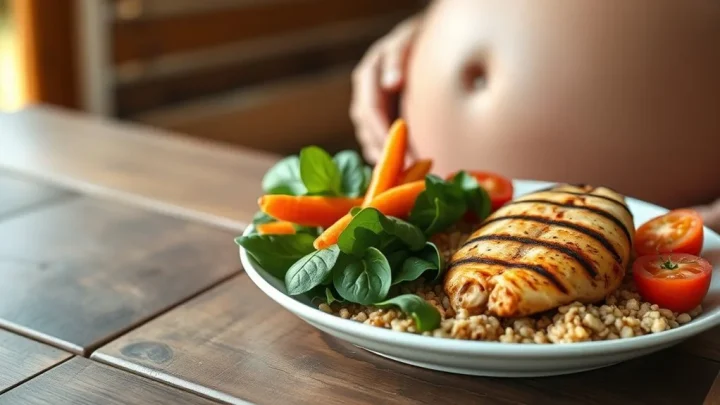
Image source: Bing (Web (fair-use with source credit))
| Food Item | Safe Preparation | Unsafe Variant |
|---|---|---|
| Deli Meat | Heated to 165°F | Cold cuts straight from pack |
| Cheese | Hard/Pasteurized only | Unpasteurized soft varieties |
| Fish | Low-mercury, fully cooked | Raw sushi, high-mercury species |
| Eggs | Fully cooked yolk/white | Runny yolks, raw cookie dough |
| Produce | Triple-washed | Pre-cut fruit from buffet |
These rules simplify decision-making. When in doubt, throw it out. Your baby’s health outweighs any wasted groceries.
Always verify sources like the CDC’s food safety page for updates on outbreaks.
Building a Trimester-Specific Lunch Strategy
Your nutritional needs change drastically from week six to week thirty-six. A one-size-fits-all lunch plan fails you. Tailor your meals to your current stage.
In the first trimester, nausea is king. Strong smells trigger vomiting. Opt for bland, cold, or room-temperature foods.
Crackers, pretzels, and plain rice cakes settle stomachs better than spicy curries. Protein shakes made with water or almond milk can be easier than chewing heavy meats. Keep ginger candies nearby for quick relief.
Hydration is tricky here, so sip electrolyte drinks slowly.
By the second trimester, energy returns. Appetite increases. You need more calories, specifically around 340 extra per day.
Focus on iron-rich foods to combat anemia. Lean beef, lentils, and fortified cereals work well. Pair plant-based iron with vitamin C (like bell peppers) to boost absorption.
Calcium needs rise too. Add yogurt or cheese slices to your grain bowls.
The third trimester brings heartburn and reduced stomach capacity. Large meals cause discomfort. Eat smaller, frequent lunches instead.
Avoid acidic tomatoes and spicy foods. Choose gentle carbs like oatmeal or sweet potatoes. Fiber becomes crucial to prevent constipation.
Beans, broccoli, and pears help keep things moving. Stay hydrated to manage swelling, but don’t overdrink right before bed.
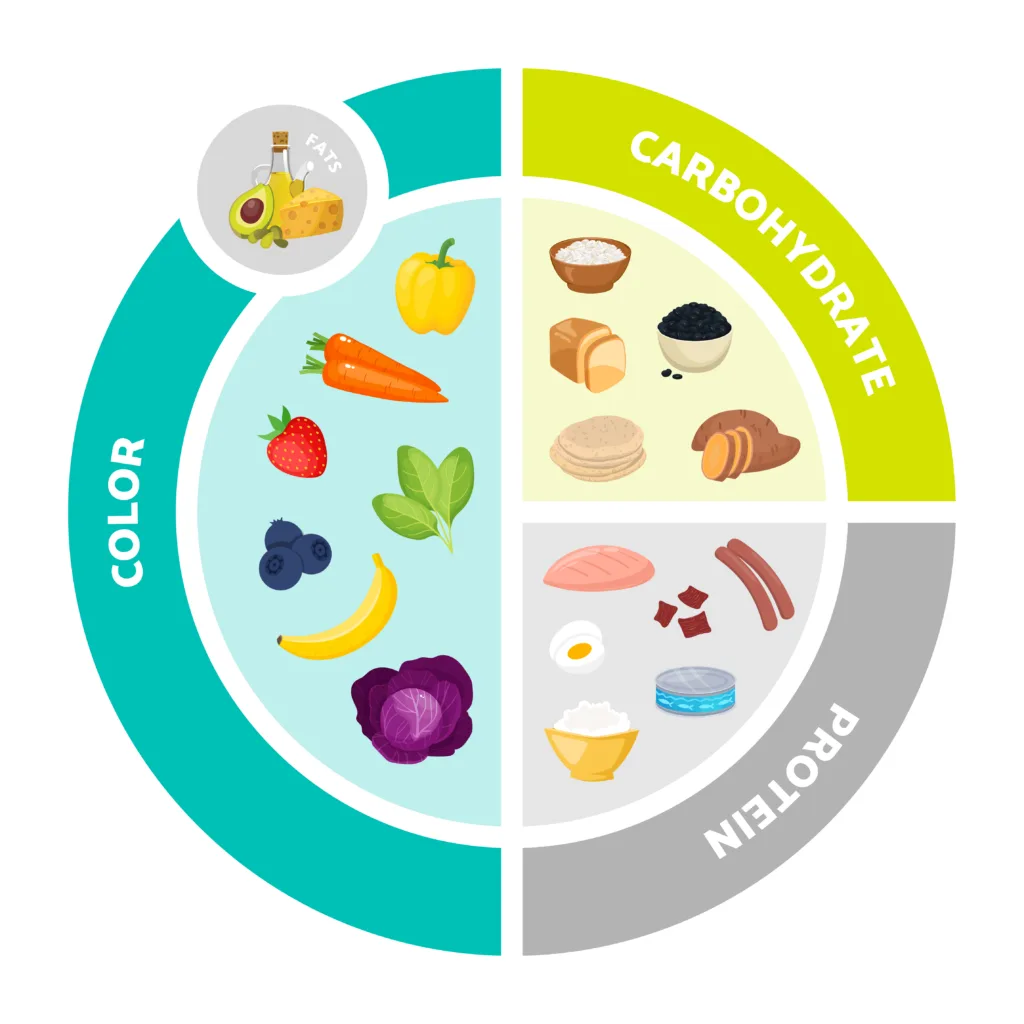
Image source: Web (Bing) / fity.club (Web image (fair-use with source credit))
If you have gestational diabetes, monitor glycemic index strictly. Combine carbohydrates with protein and fat to slow sugar spikes. A apple alone raises blood glucose quickly.
An apple with peanut butter does not. Consult your provider for personalized targets. As of 2026, continuous glucose monitors are more accessible for home use, helping you track responses to specific lunch items.
5 High-Impact, Low-Effort Lunch Formulas
Complex recipes fail on busy weekdays. Use these five formulas. They require minimal prep and meet safety standards.
Rotate them to avoid boredom.
1. The Warm Grain Bowl
Base: Quinoa or brown rice (cooked fresh or reheated).
Protein: Grilled chicken breast or canned salmon (low sodium).
Veggies: Steamed broccoli and carrots (softened for digestion).
Fat: Drizzle of olive oil or avocado slice.
Why it works: Balanced macros, easy to reheat safely, nutrient-dense.
2. The Cold Pasta Salad
Base: Whole wheat pasta (cooled completely).
Protein: Chickpeas or diced mozzarella (hard cheese).
Veggies: Cherry tomatoes, cucumbers, spinach (washed).
Dressing: Lemon vinaigrette (acidic dressing preserves freshness).
Why it works: No heating required, portable, fiber-rich. Ensure pasta is stored cold.
3. The Loaded Wrap
Base: Spinach tortilla (check for pasteurization).
Protein: Hummus and shredded rotisserie chicken (reheated then cooled).
Veggies: Shredded lettuce, bell peppers.
Safety Note: Do not use cold deli turkey. Cook it first.
Why it works: Handheld, less messy than sandwiches, customizable.
4. The Yogurt Parfait Jar
Base: Plain Greek yogurt (full fat for satiety).
Topping: Granola (low sugar), berries, chia seeds.
Layering: Put granola at the bottom to stay crunchy.
Why it works: Probiotics aid gut health, zero cooking, great for nausea days.
5. The Soup Thermos
Base: Lentil or vegetable soup (homemade or low-sodium canned).
Add-in: Cooked shrimp or white beans for protein.
Method: Boil soup, pour into pre-heated thermos immediately.
Why it works: Keeps hot above 140°F for hours, hydrating, warming.
Each formula takes under ten minutes to assemble. You can batch-cook the bases on Sundays. Store components separately to maintain texture.
This flexibility reduces decision fatigue. You grab what sounds good without worrying about safety compromises.
Smart Prep Tactics for Busy Professionals
Preparation saves your sanity. Don’t try to cook every night after work. Use weekend windows strategically.
Start with component cooking. Roast a tray of vegetables (sweet potatoes, zucchini, peppers). Grill four chicken breasts.
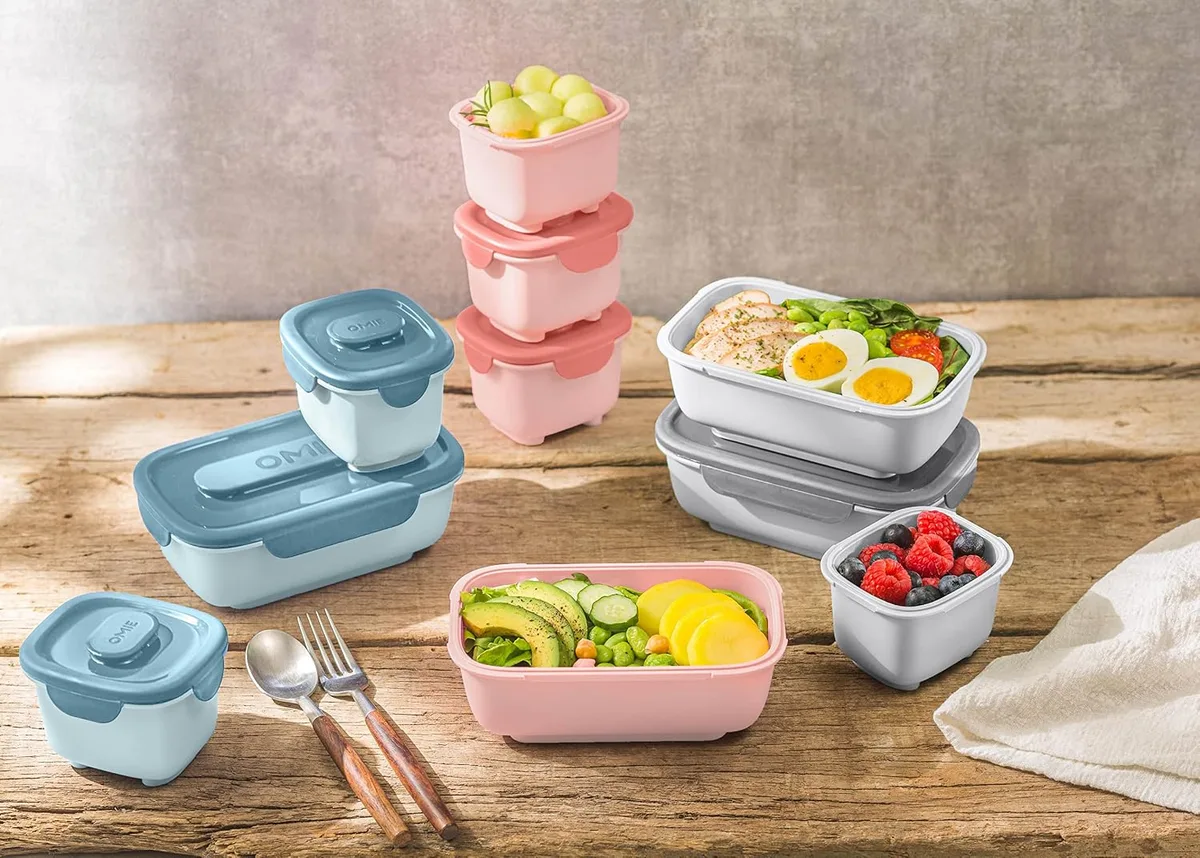
Cook a pot of quinoa. Store these in airtight glass containers. Glass doesn’t retain odors and microwaves evenly.
Plastic can warp and leach chemicals when heated.
Use the mason jar method for salads. Layer dressing at the bottom. Add sturdy veggies next (carrots, cucumbers).
Place greens on top. Shake before eating. This prevents sogginess.
It keeps your lunch crisp all afternoon.
Invest in quality insulation. Cheap lunch bags fail by noon. Look for brands with verified thermal retention ratings.
Ice packs should be frozen solid, not slushy. Freeze water bottles to double as ice packs. They melt slowly, providing consistent cooling.
Plan for waste. Compost scraps or recycle packaging. Reduce friction in your routine.
If cleaning up feels like a chore, you’ll skip prep. Make disposal easy. Use biodegradable wraps for individual portions.
Batch snack boxes. Portion nuts, dried fruit, and crackers into small zip-lock bags. Grabbing a handful from a big tub leads to overeating.
Pre-portioned snacks control calories and save time. Keep these in your desk drawer for emergency hunger strikes.
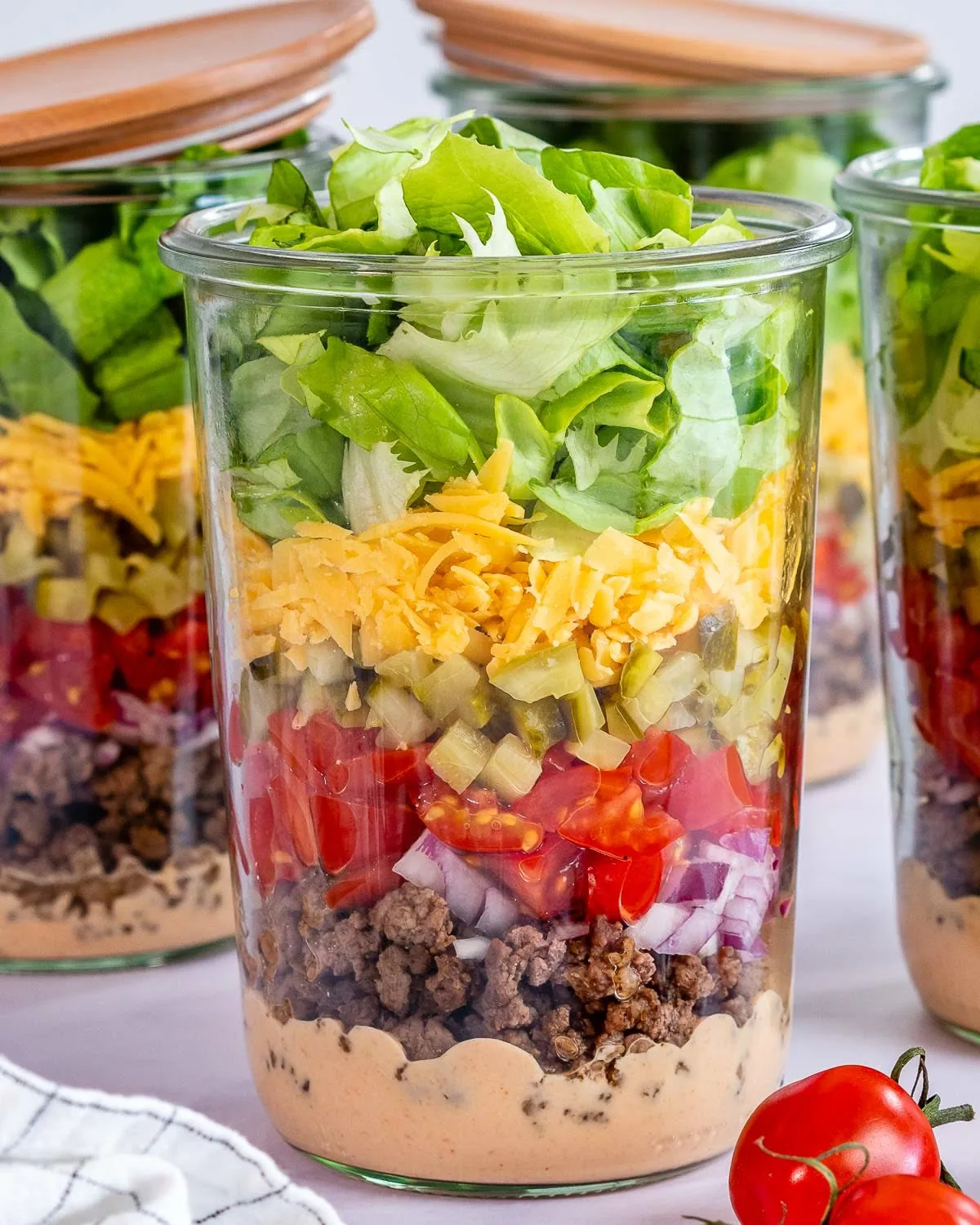
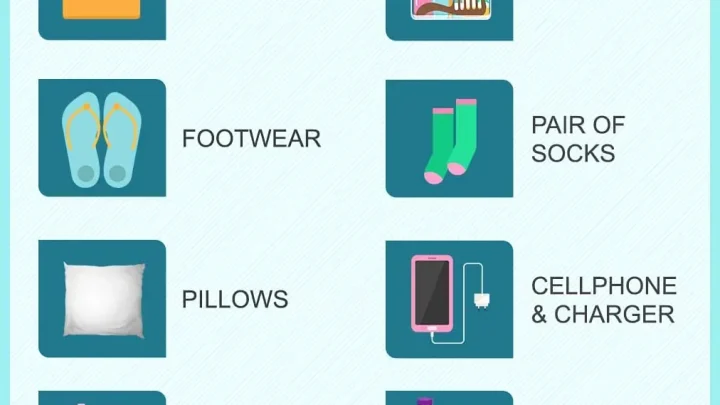
Image source: Web (Bing) / storage.googleapis.com (Web image (fair-use with source credit))
Sync your grocery shopping with your calendar. Buy perishables for the first half of the week. Freeze extras for later.
This reduces trip frequency. Less time at the store means more time resting. Rest is vital during pregnancy.
Protect it fiercely.
What to Skip: Common Pregnancy Pitfalls in Office Diets
You’ll notice many "convenient" office foods hide subtle risks. Raw sprouts are a prime example. Alfalfa, bean, and clover sprouts often carry Salmonella or E. coli bacteria.
Cooking kills these pathogens, but raw consumption does not. Avoid them entirely in salads or sandwiches. Stick to cooked vegetables instead.
Another trap is the salad bar. Self-serve stations invite cross-contamination. Tongs touch multiple dishes, spreading germs from one item to another.
Plus, you can’t verify how long items sat out. If your workplace offers this, skip it. Pack your own pre-washed greens.
Control the environment yourself.
Dried fruits seem healthy but pack concentrated sugar. A small handful can spike blood glucose faster than fresh fruit. Pair them with protein or fat to blunt the effect.
Or choose fresh berries, which offer higher water content and fiber. Watch portion sizes closely if you have gestational diabetes.
Finally, beware of "natural" sweeteners in packaged snacks. Agave nectar and honey still raise insulin levels. They aren’t magic bullets for weight management.
Read labels carefully. Look for added sugars listed under various names like maltose or dextrose. Less processing usually means fewer hidden additives.
Keep your pantry simple. Whole foods beat processed alternatives every time. This reduces chemical exposure and stabilizes energy.
Your body processes nutrients better from recognizable ingredients. Save money by skipping fancy branded bars too. Homemade trail mix costs less and tastes fresher.
You control the salt and sugar content directly.
When to Call Your Provider About Nutrition
Persistent nausea despite dietary changes warrants medical attention. Hyperemesis gravidarum causes severe dehydration and electrolyte imbalance. If you can’t keep liquids down for 24 hours, call your OB-GYN.
You may need IV fluids or prescription anti-emetics. Don’t tough it out alone. Professional intervention prevents hospitalization later.
Unexpected weight loss is another red flag. Most women gain weight steadily during pregnancy. Losing pounds without trying suggests malabsorption or thyroid issues.
Track your weight weekly using the same scale. Report drops larger than two pounds to your doctor immediately. Early detection allows timely treatment plans.
Signs of anemia include extreme fatigue, pale skin, and shortness of breath. Iron deficiency affects oxygen delivery to the fetus. Blood tests confirm low hemoglobin levels.
If symptoms persist despite eating iron-rich foods, ask about supplements. Oral iron works best on an empty stomach. Vitamin C enhances absorption significantly.
Combine your supplement with orange juice for maximum benefit.
Gestational diabetes requires strict monitoring. High blood sugar harms both mother and child. Follow your care team’s glucose targets precisely.
Log readings after meals to identify problematic foods. Adjust lunch compositions based on data trends. Never ignore elevated numbers hoping they normalize.
Consistent tracking ensures safe outcomes for delivery day. Trust clinical guidance over internet forums. Personalized advice accounts for your unique health history.
Regular check-ins catch complications before they escalate. Stay proactive rather than reactive regarding your nutritional status.
FAQs: Quick Answers for Pregnant Workers
Can I eat sushi while pregnant?
No. Raw fish carries parasites and bacteria harmful to fetuses. Cooked rolls with pasteurized ingredients are safer options.
Avoid high-mercury species like tuna entirely. Stick to salmon or eel that has been heated thoroughly. Check restaurant sourcing policies if dining out.
Home preparation ensures full control over ingredient safety and freshness.
How much caffeine is safe daily?
Limit intake to 200 milligrams per day. That equals roughly one 12-ounce cup of coffee. Tea, soda, and chocolate also contain caffeine.
Track all sources cumulatively. Excess caffeine crosses the placenta easily. It constricts blood vessels, potentially reducing nutrient flow to the baby.
Switch to herbal teas like peppermint for soothing effects. Verify herb safety lists before brewing new blends.
Is it okay to drink unpasteurized juice?
Avoid it completely. Unpasteurized juices lack heat treatment to kill pathogens. Listeria and E. coli thrive in untreated liquids.
Always choose boxed or bottled brands labeled "pasteurized." Fresh-squeezed drinks at cafes pose significant risks. Ask staff about their sourcing methods explicitly. When in doubt, make smoothies at home with washed fruit.
Boiling briefly adds extra protection against microbial contamination.
What if my office fridge breaks?
Use insulated coolers with frozen gel packs. Maintain temperatures below 40°F for perishables. Eat within four hours if cooling fails.
Discard suspicious-smelling items immediately. Plan non-perishable lunches like nut butters or dried beans. Stock shelf-stable soups as backup options.
Notify facilities management promptly to prevent further spoilage. Bring a portable thermometer to verify internal cooler temps regularly.

Similar Posts