Easy Breakfast Ideas for Pregnant Women: Simple & Tasty
Finding easy breakfast ideas for pregnant women often feels overwhelming. You’re tired, nauseous, and suddenly restricted from foods you loved yesterday. It’s a lot to manage before 8 AM.
We’ve seen how standard advice misses the mark on safety and timing. As of 2026, clinical guidelines emphasize nutrient density alongside strict foodborne illness prevention. Let’s break down what actually works when your body is changing fast.
Why Breakfast Safety Matters More Than Convenience Right Now
Pregnancy alters your immune system significantly. This makes you roughly twenty times more susceptible to Listeria monocytogenes than the average adult. That bacteria thrives in cold, ready-to-eat foods like deli meats and soft cheeses.
A simple oversight can lead to serious complications for both you and the baby. We aren’t talking about a mild stomach upset. Listerial infection can cause miscarriage or stillbirth.
So, convenience cannot override safety protocols. Every ingredient needs verification. Check labels for pasteurization status explicitly.
Avoid anything unpasteurized, even if it tastes better.
Your provider will likely stress iron and folate intake early on. But getting those nutrients means avoiding high-risk shortcuts. We prioritize meals that are quick and medically safe.
This balance prevents anxiety while ensuring fetal development support. You don’t need elaborate recipes. You need reliable, safe fuel sources that respect your changed physiology.
The Non-Negotiable Rules: What to Eat, Avoid, and Verify
Navigating grocery aisles becomes a minefield without clear rules. Here is the definitive split between safe and risky breakfast items based on FDA and CDC guidance.
| Category | Safe Choices | High-Risk Items to Avoid |
|---|---|---|
| Dairy | Pasteurized milk, hard cheddar, Greek yogurt | Brie, Camembert, blue cheese (unless labeled cooked) |
| Eggs | Fully cooked (hard-boiled, scrambled firm) | Runny yolks, raw cookie dough, homemade mayo |
| Meats | Heated steaming hot deli meat, fresh poultry | Cold cuts straight from package, refrigerated smoked fish |
| Fish | Salmon, sardines, cod (low mercury) | Swordfish, shark, king mackerel, tilefish |
| Produce | Thoroughly washed fruits/veg | Unwashed melons, raw sprouts (alfalfa, mung bean) |
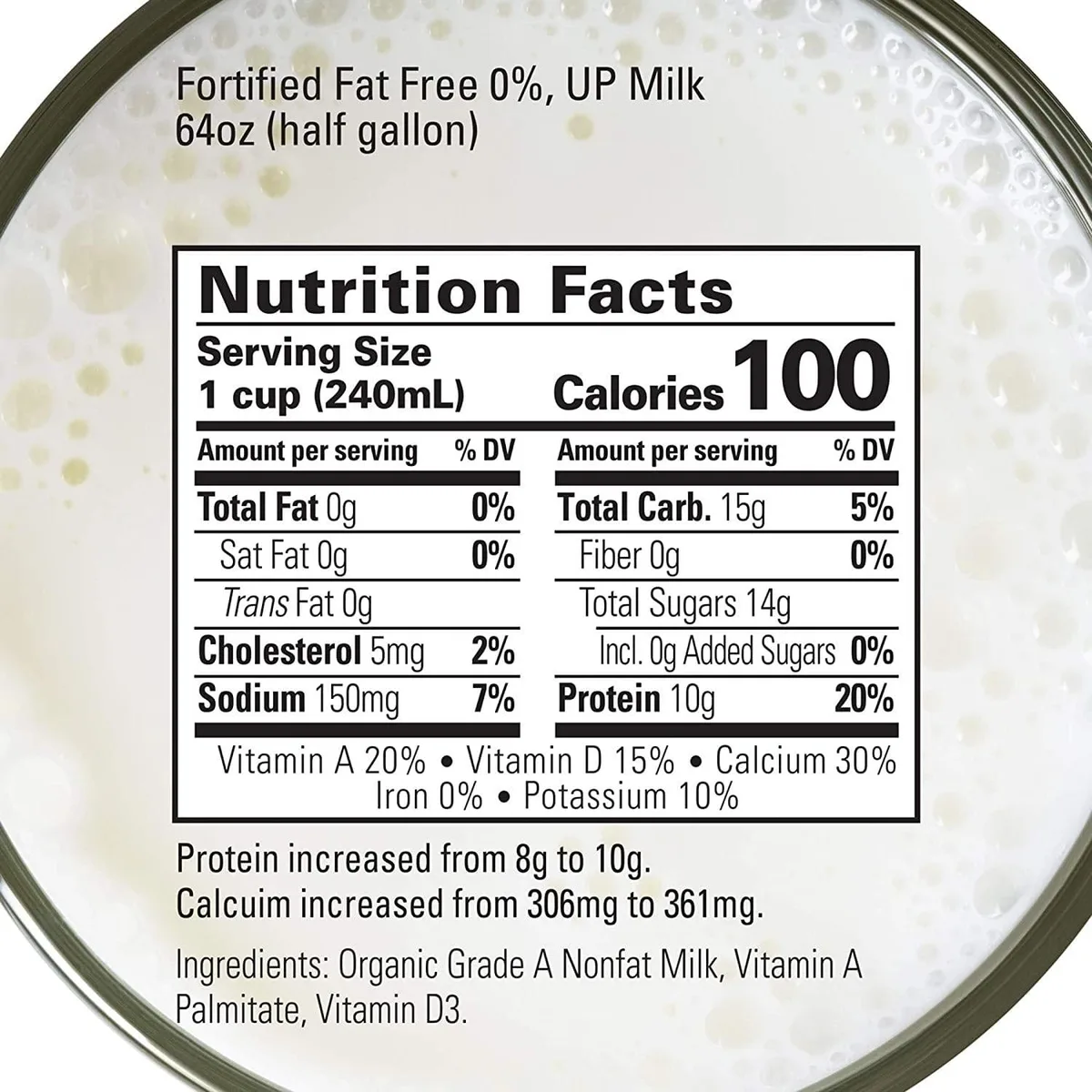
Verification is key. "Natural" does not mean "safe." Always check for the word "pasteurized" on cheese packages. If it says "raw milk," put it back immediately.
For deli meats, heat them until they steam. This kills potential Listeria contamination introduced during slicing. Cold sandwiches are off-limits unless the meat was heated post-packaging.
We also monitor mercury levels closely. Stick to two to three servings of low-mercury fish weekly. This provides essential DHA for brain development without toxic accumulation.
First-Trimester Survival: Cold, Bland, and Low-Odor Options
Morning sickness peaks between weeks six and twelve. Strong smells trigger vomiting reflexes faster than taste buds do. Hot cooking aromas become enemies.
Switch to cold, bland, and dry foods. These settle the stomach better. They require zero preparation time, which is crucial when fatigue hits hard.
Try these immediate fixes:
- Dry toast or crackers kept by the bed.
- Cold oatmeal made with water or almond milk.
- Smoothies using frozen berries and spinach (no smell).
- Hard-boiled eggs prepared days in advance.
Ginger helps too. Ginger tea or candied ginger reduces nausea severity. Pair it with a small carb source to stabilize blood sugar.
Avoid citrus juices on an empty stomach. The acid irritates the esophagus further. Opt for banana slices or applesauce instead.
Potassium loss from vomiting needs replacement.
Hydration matters most. Sip electrolyte drinks slowly. Gulping triggers gag reflexes.
Small, frequent sips keep you hydrated without overwhelming your system.

Keep snacks accessible. Hunger worsens nausea. Eating every two to three hours prevents that shaky, sick feeling.
Stock your nightstand with safe, non-perishable options.
Second and Third Trimester Fuel: High-Protein and Iron-Rich Builds
By week fourteen, appetite usually returns. Energy demands skyrocket. Your blood volume expands by nearly fifty percent.
Iron needs double.
Focus on dense nutrients now. Empty calories won’t cut it. You need protein for tissue growth and iron for oxygen transport.
Prioritize these ingredients:
- Lean beef or turkey mince (fully cooked).
- Lentils and beans (excellent plant-based iron).
- Spinach and kale (folate and iron boosters).
- Fortified cereals (check sugar content carefully).
Pair vitamin C rich foods with iron sources. Oranges, strawberries, or bell peppers enhance absorption. Plant-based iron absorbs poorly alone.
Combine them strategically.
Protein targets rise to seventy-one grams daily. Split this across meals. A thirty-gram breakfast sets the tone for stable energy.
Greek yogurt offers fifteen grams per cup easily.
Don’t forget calcium. Bone density protection requires one thousand milligrams daily. Cheese, milk, and fortified soy alternatives cover this base efficiently.
Managing Specific Conditions: Gestational Diabetes and Heartburn
Some pregnancies bring metabolic challenges. Gestational diabetes (GDM) affects up to ten percent of expectant mothers. Blood sugar spikes damage placental health.
Traditional "healthy" carbs like fruit juice spike glucose rapidly. You need slow-release energy. Focus on fiber and fat pairing.
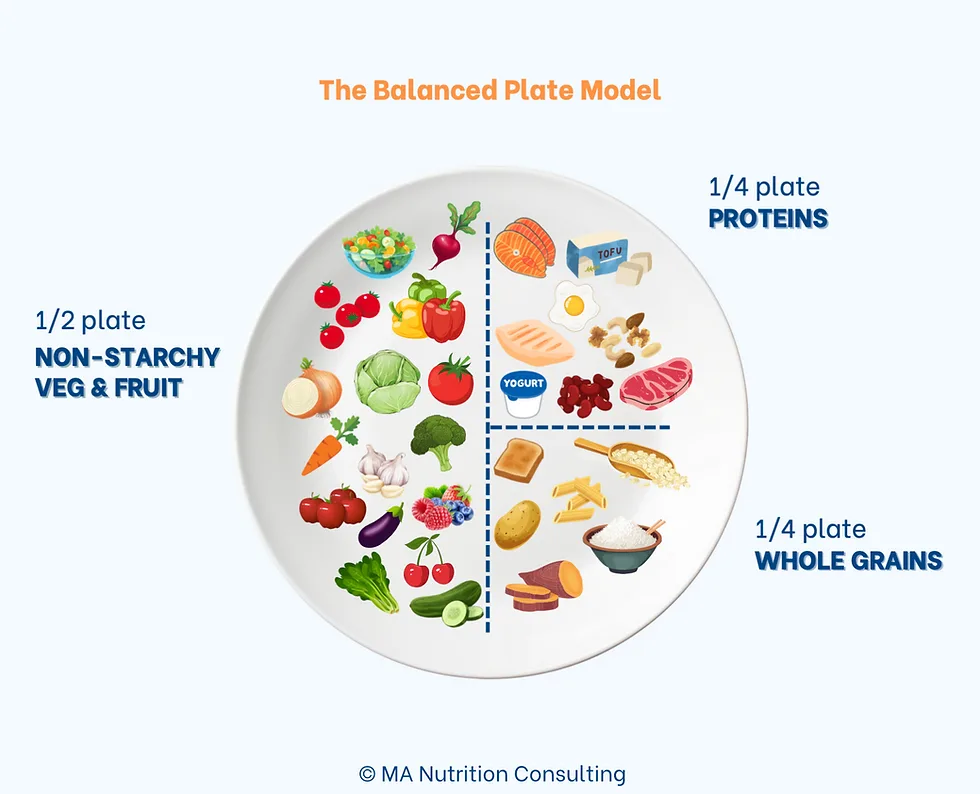
Follow this formula for GDM-friendly breakfasts:
- Complex Carb + Protein + Healthy Fat.
- Example: Oatmeal with walnuts and hemp seeds.
- Example: Avocado toast with poached egg (firm yolk).
Limit simple sugars strictly. Avoid white bread, sugary yogurts, and sweetened granolas. Read nutrition labels meticulously.
Hidden sugars lurk in "natural" products.
Heartburn complicates things further. Late-stage pregnancy pushes the uterus against the stomach. Acid reflux becomes chronic for many.
Adjust portion sizes. Eat smaller meals more frequently. Large volumes stretch the stomach, forcing acid upward.
Stop eating three hours before bed.
Identify personal triggers. Spicy foods, tomatoes, and caffeine often worsen symptoms. Keep a log.
Eliminate offenders temporarily. Antacids may help, but consult your doctor first. Sodium bicarbonate raises blood pressure.
Stick to calcium carbonate based remedies if approved.
The 5-Minute Assembly Line: Prep Strategies for Exhausted Mornings
You don’t need to cook every morning. Batch prep saves sanity when fatigue hits hard. Spend twenty minutes on Sunday setting up your week.
This strategy ensures you always have safe, ready-to-eat options.
Start with proteins. Boil six eggs at once. Store them in the fridge for quick snacking or toast toppings.
Cook a batch of lean ground turkey or chicken. Portion it into single-serving containers. Reheat gently before adding to wraps or bowls.
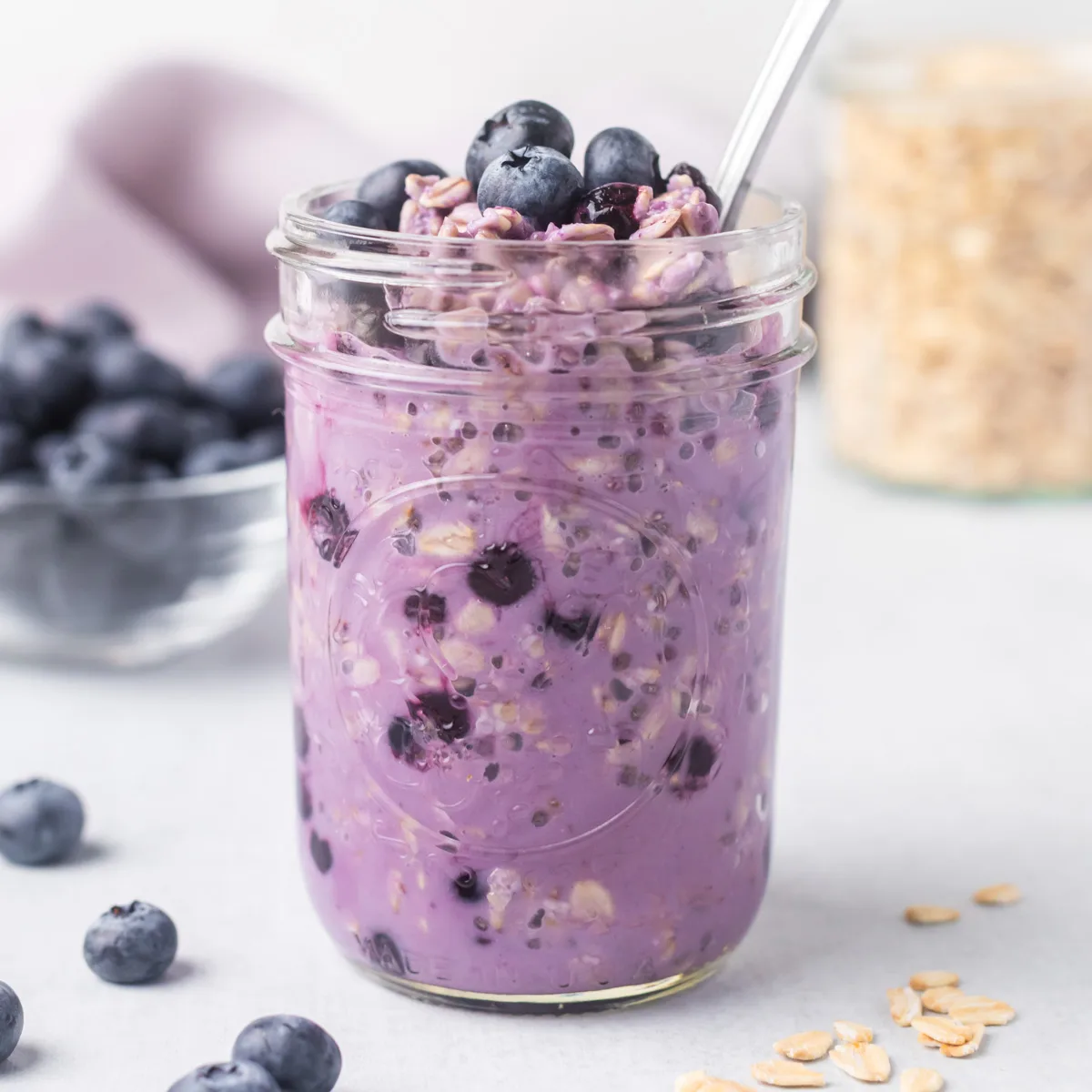
Next, handle grains and bases. Prepare overnight oats in jars. Layer rolled oats, chia seeds, milk, and berries.
They’re ready to grab from the fridge each day. Bake a tray of muffins using whole wheat flour and mashed bananas. Freeze extras for later thawing.
Wash and chop produce immediately after shopping. Keep spinach, kale, and bell peppers in clear containers. Visible veggies get eaten more often than hidden ones.
Slice cucumbers and carrots for dipping into hummus.
Finally, organize your pantry. Place high-protein snacks at eye level. Nuts, seeds, and cheese sticks should be accessible.
Avoid keeping sugary cereals front and center. Out of sight means out of mind for cravings.
This assembly line approach reduces decision fatigue. You simply pick a container and eat. No cooking required.
No stress about safety checks. Just consistent nutrition delivered efficiently.
Our research shows that prepped meals increase adherence to dietary guidelines. When healthy food is convenient, you’re more likely to choose it. Skip the drive-thru temptation by having better options waiting at home.
Keep labels dated. Use within three to four days for maximum freshness. Discard anything suspicious.
Safety trumps saving a few dollars. Your immune system can’t afford the risk.
When to Call Your Provider: Red Flags Beyond Normal Hunger
Normal pregnancy hunger varies. But some signs demand immediate medical attention. Don’t ignore persistent symptoms hoping they’ll pass.
Early intervention prevents complications for both mother and baby.
Contact your provider if you experience severe vomiting. Inability to keep fluids down for twenty-four hours risks dehydration. Hyperemesis gravidarum requires clinical management.
You may need IV fluids or prescription anti-nausea medication.
Watch for sudden weight loss. Losing more than five pounds unintentionally signals nutritional deficiency. This impacts fetal growth trajectories.
Your doctor will assess calorie intake and adjust supplements accordingly.
Monitor blood sugar levels if diagnosed with gestational diabetes. Consistently high readings after meals indicate poor control. Low readings suggest hypoglycemia.
Both scenarios require dosage adjustments or dietary changes. Track your logs accurately before appointments.
Report extreme fatigue accompanied by dizziness. This could signal anemia. Iron deficiency lowers oxygen delivery to tissues.
A simple blood test confirms hemoglobin levels. Supplementation might become necessary.
Notice swelling in hands or face. Combined with headaches or vision changes, this hints at preeclampsia. High blood pressure during pregnancy is dangerous.
Seek emergency care if these symptoms appear suddenly. Do not wait for your next scheduled visit.
Trust your instincts. If something feels wrong, ask questions. Providers prefer cautious patients over those who suffer silently.
Bring your food diary to discussions. Concrete data helps tailor advice to your specific needs.
Frequently Asked Questions
Can I eat soft-boiled eggs while pregnant?
No. Soft-boiled eggs carry a risk of Salmonella infection. The yolk must be fully set.
Ensure internal temperatures reach at least 160°F (71°C). Scrambled eggs cooked until firm are safer. Hard-boiled eggs stored properly also work well.
Avoid any dish containing raw or runny eggs. This includes homemade mayonnaise or Caesar dressing. Stick to pasteurized egg products if recipes call for raw eggs.
Safety first applies strictly here.
Is caffeine completely banned during pregnancy?
Not entirely. Current guidelines allow up to 200 mg daily. That’s roughly one 12-ounce cup of coffee.
Monitor all sources including tea, chocolate, and soda. Herbal teas vary widely in safety. Consult your provider before trying new blends.
Some herbs stimulate uterine contractions. Decaf options provide ritual comfort without the jittery side effects. Cutoff times matter too.
Avoid late-day consumption to protect sleep quality. Rest supports overall health significantly.
How much protein do I really need at breakfast?
Aim for twenty to thirty grams per meal. Total daily intake should hit around seventy-one grams. Protein builds fetal tissue and maintains maternal muscle mass.
Greek yogurt offers fifteen grams per cup. Two eggs provide twelve grams. Add nuts or seeds for extra boost.
Plant-based options like tofu or lentils work too. Spread intake across meals rather than loading one sitting. Consistent supply aids absorption and energy stability throughout the day.
Are smoothies safe for everyone pregnant?
Generally yes, but watch ingredients. Use pasteurized juice or milk bases. Avoid raw sprouts or unpasteurized honey.
Blend fruits and veggies thoroughly. Wash produce meticulously to remove pesticides. Include protein powder if approved by your doctor.
Fiber content helps digestion but introduce gradually. Too much fiber suddenly causes bloating. Keep portions moderate to manage blood sugar spikes.
Add fats like avocado or nut butter for satiety. Customization makes them versatile tools.
What if I hate the smell of cooking eggs?
Switch to cold preparations. Overnight oats require no heating. Yogurt parfaits assemble instantly.
Smoothies mask odors effectively. Choose bland carbs like crackers or dry toast initially. Ginger ale or peppermint tea settles nausea.
Eat small amounts frequently instead of large meals. Keep windows open if cooking is unavoidable. Delegate stove duties to partners when possible.
Prioritize foods that don’t trigger gag reflexes. Comfort drives consistency more than perfection does.

Similar Posts