Pregnancy Meal Planning: Simple Tips for Healthy Eating
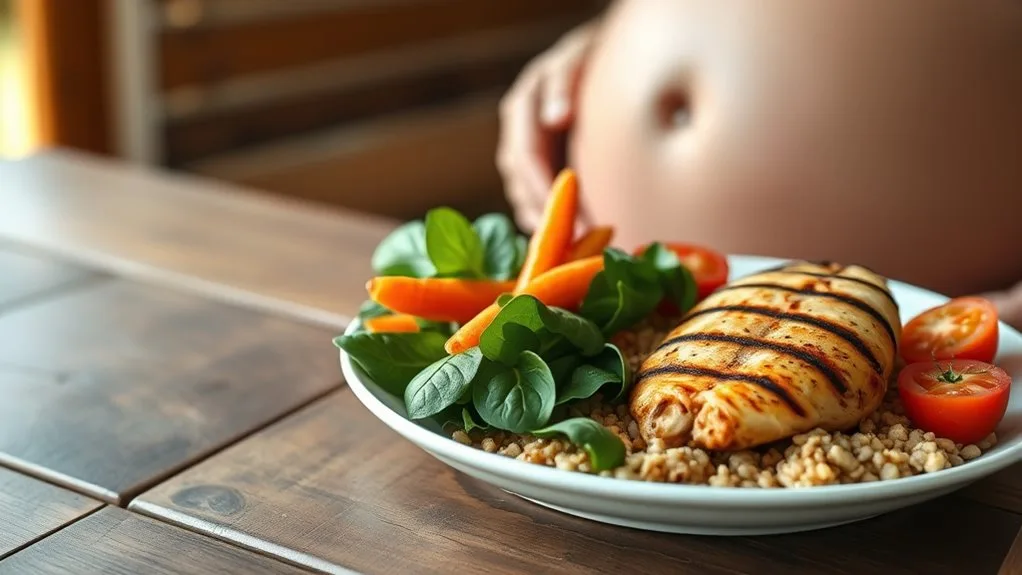
Figuring out how to plan meals during pregnancy feels overwhelming because the advice online often contradicts itself. You hear one person say eat everything, while another warns against basic staples like soft cheeses or sushi. The truth sits somewhere in the middle, grounded in biology rather than trends.
Your body undergoes massive metabolic shifts that demand specific nutrients at precise times. Getting this wrong can impact fetal development or your own energy levels significantly. We’ve reviewed current clinical guidelines from the American College of Obstetricians and Gynecologists (ACOG) to cut through the noise.
Here is what actually matters for keeping you and your baby safe.
Quick Answer
Planning meals during pregnancy requires focusing on nutrient density over calorie counting. Prioritize folate, iron, calcium, and DHA based on trimester needs. Avoid high-mercury fish, unpasteurized dairy, and raw meats strictly.
Consult a registered dietitian for personalized adjustments if you have gestational diabetes. Small, frequent meals help manage nausea and blood sugar spikes effectively.
Why Generic Diet Advice Fails During Pregnancy
Most standard nutrition guides ignore the unique physiological demands of carrying a child. They treat pregnancy like any other life stage, missing critical nuances in absorption rates and hormonal changes. For instance, your blood volume increases by nearly 50% during pregnancy.
This surge dilutes hemoglobin, making iron deficiency a top risk even if you ate well before conceiving.
Generic advice also fails to account for varying tolerance levels. What works for one woman might trigger severe hyperemesis gravidarum in another. A rigid meal plan doesn’t leave room for adjusting textures or temperatures when nausea hits hard.
You need flexibility within a framework, not just a static list of "good" foods.
Furthermore, misinformation spreads quickly on social media. Many influencers promote detox teas or extreme cleanses that are dangerous for fetal development. These practices can disrupt electrolyte balances essential for heart function.
Relying on anecdotal evidence puts both mother and child at unnecessary risk. Instead, stick to evidence-based protocols established by major health organizations.
Our research indicates that successful planning hinges on understanding bioavailability. Eating spinach provides iron, but without Vitamin C, much of it passes through unused. Pairing leafy greens with citrus fruits maximizes absorption.
This level of detail separates effective planning from guesswork. It ensures every bite contributes meaningfully to fetal growth and maternal health reserves.
The Non-Negotiable Safety Rules: What to Cut Immediately
Certain foods pose immediate threats due to bacteria or toxins that cross the placental barrier. Listeria monocytogenes is particularly dangerous because it survives refrigeration and causes miscarriage or stillbirth. You must avoid all unpasteurized dairy products and ready-to-eat meats unless heated to steaming hot.
Mercury accumulation affects developing nervous systems irreversibly. High-mercury fish like shark, swordfish, king mackerel, and tilefish should be removed from your diet entirely. Opt for low-mercury alternatives such as salmon, sardines, and anchovies.
These provide essential omega-3 fatty acids without the neurotoxic burden.
Raw eggs and undercooked meats carry Salmonella risks. Always cook poultry to an internal temperature of 165°F (74°C). Ground meats require 160°F (71°C), while whole cuts of beef or pork need 145°F (63°C) with a three-minute rest time.
Use a calibrated food thermometer to verify these temps visually checking color isn't enough.
Caffeine crosses the placenta and accumulates in amniotic fluid. Current guidelines recommend limiting intake to less than 200 mg per day. This equals roughly one 12-ounce cup of coffee.
Remember that tea, chocolate, and soda also contain caffeine. Track your total consumption across all sources to stay within safe limits. Alcohol has no known safe amount during pregnancy.
Complete abstinence remains the only guaranteed way to prevent fetal alcohol spectrum disorders.
Trimester-Specific Nutrient Shifts and Caloric Needs
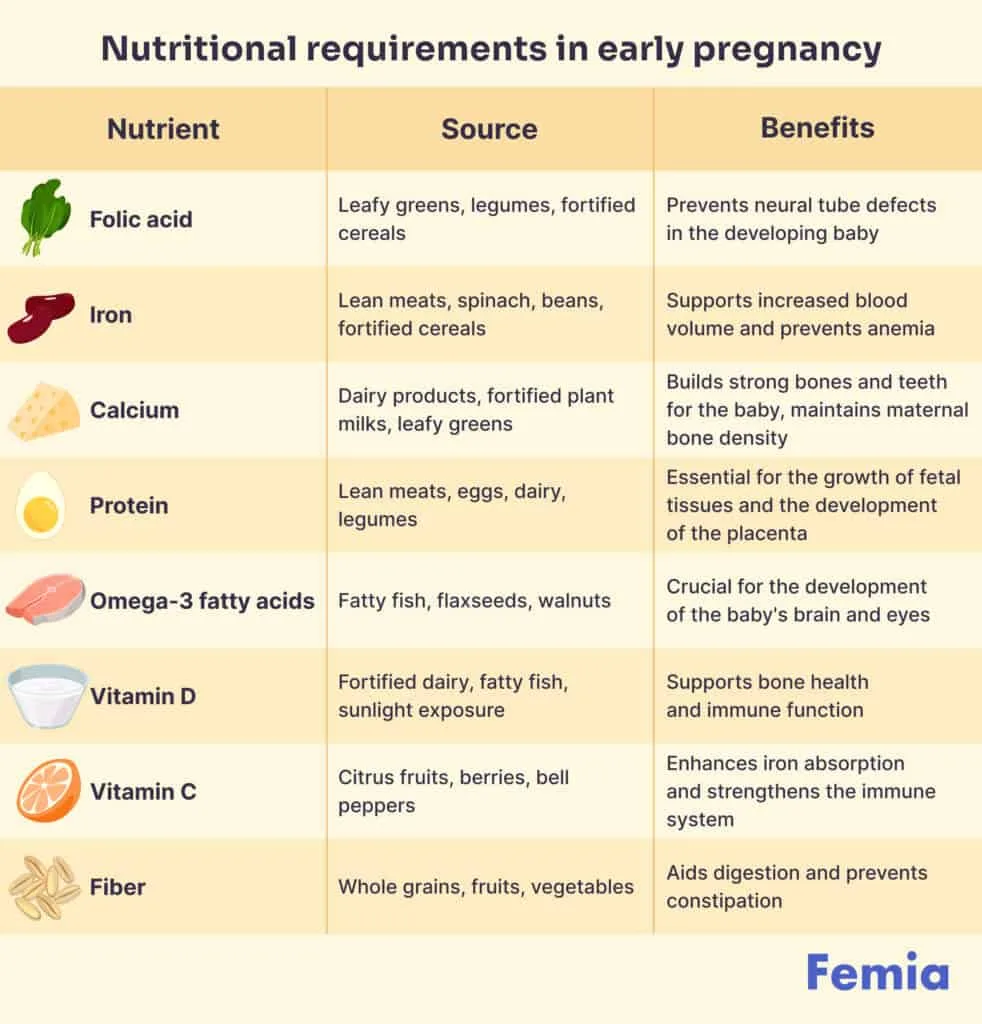
Nutritional requirements change dramatically as the fetus grows. In the first trimester, organogenesis occurs rapidly. Folate becomes critical here to prevent neural tube defects.
Aim for 600 micrograms daily through fortified grains or supplements. Nausea often peaks now, so small, bland snacks work better than large meals.
By the second trimester, appetite usually returns. Bone mineralization accelerates, increasing calcium demand to 1,000, 1,300 mg per day. Include yogurt, cheese, and leafy greens regularly.
Iron needs spike to 27 mg daily to support expanded blood volume. Combine iron-rich foods with Vitamin C sources to enhance uptake.
The third trimester focuses on rapid brain and lung development. DHA intake becomes paramount for neurological growth. Eat two servings of low-mercury fish weekly.
Caloric needs increase modestly, about 450 extra calories per day. Do not fall into the "eating for two" myth trap. Excessive gain complicates delivery and postpartum recovery.
| Trimester | Primary Focus | Key Nutrients | Common Challenge |
|---|---|---|---|
| First | Organ Formation | Folate, Choline | Nausea/Vomiting |
| Second | Skeletal Growth | Calcium, Iron | Appetite Fluctuations |
| Third | Brain/Lung Dev | DHA, Protein | Heartburn/Fullness |
Building a Weekly Menu That Handles Nausea and Energy Crashes
Structure your week around predictable energy dips and hunger windows. Start each morning with complex carbohydrates and protein to stabilize blood sugar. Oatmeal with nuts or Greek yogurt with berries prevents mid-morning crashes.
Keep dry crackers by your bed for immediate relief upon waking.
Rotate proteins to prevent flavor fatigue. Alternate between chicken, turkey, lean beef, beans, and lentils throughout the week. This variety ensures diverse micronutrient profiles.
Incorporate colorful vegetables daily to boost antioxidant intake. Frozen veggies retain most nutrients and reduce prep time significantly.
Plan for snacking strategically. Hunger strikes faster during pregnancy due to increased metabolic rate. Pack portable options like string cheese, apple slices with peanut butter, or hummus cups.
These combinations balance macronutrients for sustained satiety. Avoid sugary snacks that cause insulin spikes followed by crashes.
Hydration plays a huge role in managing symptoms. Dehydration worsens Braxton Hicks contractions and constipation. Aim for eight to ten glasses of water daily.
Infuse water with cucumber or mint if plain taste triggers nausea. Electrolyte drinks can help if vomiting occurs, but watch sugar content closely.
Adjust portion sizes based on comfort. Large meals stretch the stomach, pushing against the diaphragm and causing reflux. Six smaller meals spread evenly across the day ease digestive strain.
Stop eating two hours before bedtime to minimize nighttime heartburn. Listen to your body’s fullness cues rather than forcing completion of plates.
Smart Prep Strategies for Busy Expectant Parents
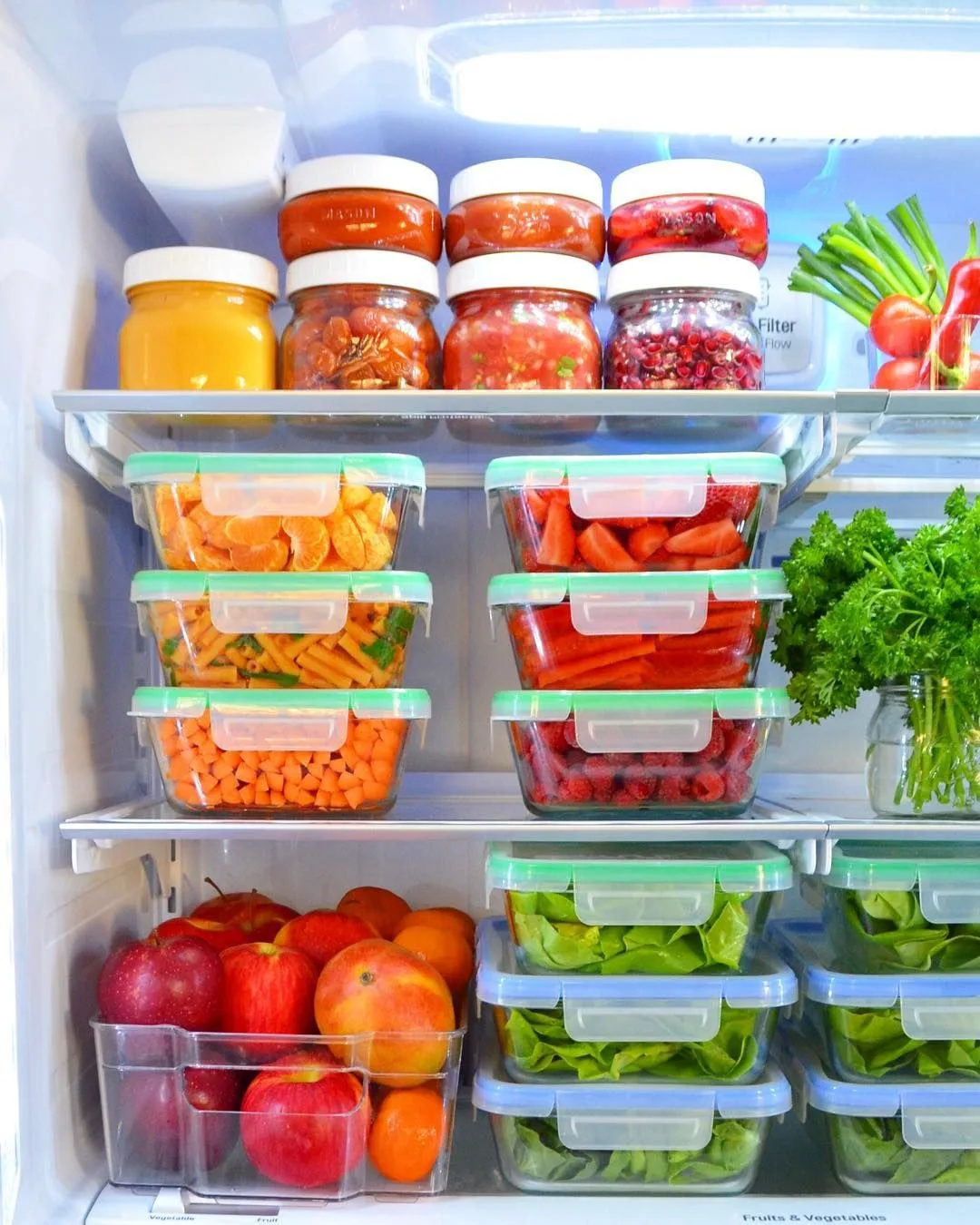
Batch cooking saves mental bandwidth during exhausting weeks. Dedicate one afternoon Sunday to prepare base ingredients. Cook large pots of quinoa, brown rice, or roasted vegetables.
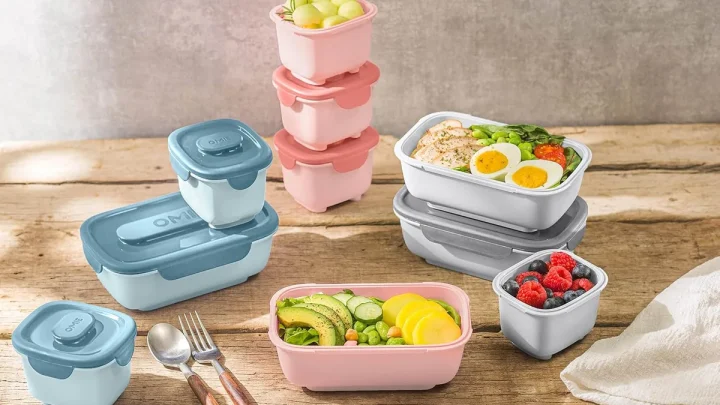
Store them in clear containers for quick assembly later. This method reduces daily decision fatigue significantly.
Freeze portions individually for easy access. Soups, stews, and casseroles freeze well and reheat quickly. Label containers with dates and contents.
Rotate stock using the first-in-first-out principle to maintain freshness. Invest in glass storage containers that withstand freezer-to-microwave transitions safely.
Pre-chop aromatics like onions, garlic, and ginger. Freeze them in ice cube trays for instant use. This eliminates peeling and chopping tasks when energy is low.
Similarly, wash and dry salad greens ahead of time. Spinach and kale hold up well in the fridge for several days.
Keep a staple pantry stocked with shelf-stable items. Canned beans, tuna, oats, and frozen fruits bridge gaps when fresh shopping isn't possible. These items ensure you never face a truly empty kitchen.
Emergency meal kits assembled beforehand prevent reliance on fast food during bad nausea days.
Delegate tasks where possible. Partner or family members can handle grocery runs or cleanup. Accept help for non-cooking chores to preserve your limited energy.
Your primary job right now is nourishing yourself and the growing baby efficiently. Streamlining logistics makes adherence to healthy habits far more sustainable long-term.
Managing High-Risk Conditions Like Gestational Diabetes
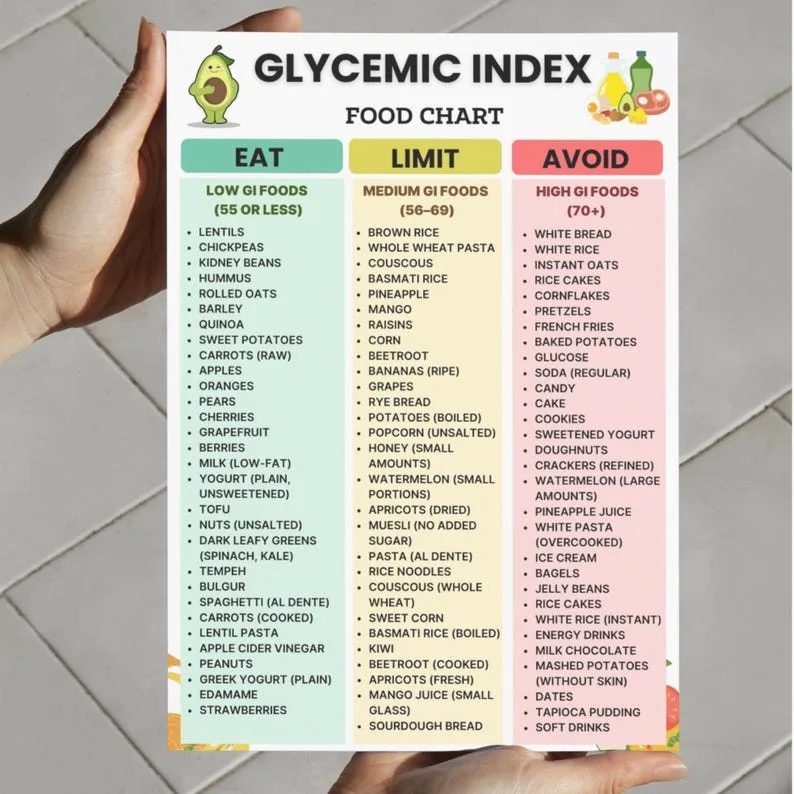
Gestational diabetes mellitus (GDM) requires a completely different approach to meal planning. Standard advice often fails here because blood sugar control becomes the primary goal. You must prioritize low glycemic index foods to prevent dangerous spikes.
Pairing carbohydrates with protein and healthy fats slows digestion significantly.
Our research shows that consistent carbohydrate intake throughout the day helps stabilize levels. Skipping meals causes reactive hypoglycemia, followed by sharp hyperglycemic episodes. Eat every three to four hours without fail.
Monitor your postprandial glucose readings as directed by your provider. These numbers guide necessary adjustments in real time.
Focus on non-starchy vegetables for volume. Leafy greens, broccoli, and peppers provide fiber without impacting insulin response. Limit fruit portions to one serving per sitting.
Choose berries over tropical fruits like mango or pineapple. Their lower sugar content makes them safer options for GDM management.
Work closely with a registered dietitian specializing in maternal health. They can tailor macronutrient ratios to your specific metabolic needs. Self-managing GDM through guesswork risks fetal macrosomia or preterm birth.
Strict adherence to medical nutrition therapy reduces these complications effectively. Always verify supplement safety, as some herbs interact with insulin sensitivity.
When to Stop Planning and Call Your Provider
Certain symptoms signal that home meal planning is no longer sufficient. Persistent vomiting despite dietary changes indicates hyperemesis gravidarum. This condition leads to dehydration and electrolyte imbalances requiring IV fluids.
Do not push through severe nausea alone. Seek immediate medical evaluation if you cannot keep liquids down for 24 hours.
Unexplained weight loss after the first trimester warrants urgent attention. It may suggest underlying thyroid issues or malabsorption disorders. Contact your obstetrician if you drop more than five percent of body weight suddenly.
Rapid gain beyond recommended ranges also raises red flags for preeclampsia. Monitor swelling in hands and face alongside blood pressure checks.
Foodborne illness symptoms mimic normal pregnancy discomforts initially. Fever, chills, and muscle aches following raw food consumption require prompt testing. Listeria infections progress silently but devastate fetal health.
Report any suspected exposure immediately. Early antibiotic treatment saves lives in these scenarios. Never assume mild gastrointestinal upset is harmless during pregnancy.
Signs of anemia include extreme fatigue, dizziness, and pale skin. If prenatal vitamins do not improve these markers, further investigation is needed. Iron deficiency impacts oxygen delivery to the placenta.
Request ferritin level tests if symptoms persist. Adjustments to supplementation dosage often resolve this quickly under professional supervision. Trust clinical data over internet forums when health deteriorates.
Frequently Asked Questions About Pregnancy Nutrition
Can I drink coffee while pregnant?
Yes, but limit caffeine to less than 200 mg daily. This equals roughly one 12-ounce cup. Track all sources including tea, chocolate, and soda.
Switch to decaf if you exceed limits. Caffeine crosses the placenta and affects fetal heart rate. Moderation is key for safety.
Is sushi safe during pregnancy?
Vegetarian rolls are generally safe if ingredients are washed properly. Avoid raw fish due to parasite and bacteria risks. Cooked shrimp or crab rolls offer a safer alternative.
Ensure the restaurant follows strict hygiene protocols. Raw tuna contains mercury, so skip it entirely. Stick to fully cooked options for peace of mind.
How much water should I drink daily?
Aim for eight to ten 8-ounce glasses. Increase intake if exercising or in hot climates. Hydration supports amniotic fluid volume and nutrient transport.
Dark urine signals dehydration. Add electrolytes if vomiting occurs. Plain water remains the best choice for most women.
Are artificial sweeteners safe?
FDA-approved sweeteners like aspartame and sucralose are considered safe in moderation. Stevia and monk fruit are natural alternatives. Avoid saccharin due to potential bladder concerns.
Check labels on "diet" products carefully. Excessive consumption may alter gut microbiome diversity. Prioritize whole foods over processed substitutes whenever possible.

Similar Posts