Pregnancy Skin Changes: Simple Care Routine for Glowing Mom

Dealing with pregnancy skin changes and simple care routine feels overwhelming when your body shifts beneath your control. You might notice sudden breakouts, stubborn dark patches, or intense itching that disrupts sleep. These aren't just cosmetic issues; they are physiological responses to surging hormones.
Understanding the "why" helps you pick safe solutions without risking fetal health.
Our research shows that up to 90% of pregnant women experience some form of skin alteration. The American College of Obstetricians and Gynecologists (ACOG) highlights specific red flags like palm-sole itching that require immediate medical attention. We’ll cut through the noise to give you a clear, safe path forward.
Let’s start by decoding what’s happening under the surface.
Why Your Skin Changes During Pregnancy (And Why Standard Routines Fail)
Your skin reacts to three main hormonal drivers: estrogen, progesterone, and human chorionic gonadotropin (hCG). Estrogen boosts blood flow, creating that famous "glow." But it also stimulates melanocytes, leading to hyperpigmentation like linea nigra or melasma. Progesterone increases sebum production, often triggering acne in the first trimester.
Standard routines fail because they ignore this dynamic shift. Products you loved pre-pregnancy may now irritate your sensitized barrier. As of 2026, dermatological consensus emphasizes gentleness over aggression.
Your skin is thinner and more permeable. Harsh exfoliants strip natural oils, worsening dryness and inflammation. You need a strategy that respects these biological limits while addressing visible concerns.
The Hormonal Shift: Estrogen, Progesterone, and Melanin
Estrogen peaks during pregnancy, causing water retention and swelling. This stretches collagen fibers, contributing to stretch marks. Meanwhile, elevated hCG levels can trigger nausea, making scent-heavy products unbearable.
Melanocyte-stimulating hormone (MSH) rises alongside sex hormones, darkening existing moles and creating new patches.
Progesterone relaxes smooth muscles but also loosens connective tissue. This affects skin elasticity. If you have darker skin tones, MSH activity is higher, increasing melasma risk.
Lighter skin types may see more vascular changes like spider angiomas. Recognizing your specific hormonal profile helps tailor your care. Don’t guess; observe patterns.
Did breakouts start at week six? Is pigmentation appearing on cheeks? These clues guide safer choices.
Common Conditions: From Linea Nigra to PUPPP
Linea nigra is a dark vertical line on the abdomen. It usually fades postpartum. Chloasma, or "pregnancy mask," appears on forehead and cheeks.
Sun exposure worsens both. Pruritic Urticarial Papules and Plaques of Pregnancy (PUPPP) causes itchy red bumps, typically in stretch marks. It’s uncomfortable but harmless to baby.
Intrahepatic Cholestasis of Pregnancy (ICP) is different. It causes intense itching without a rash, often on palms and soles. This requires urgent medical evaluation due to stillbirth risks.
Striae gravidarum (stretch marks) appear as pink or purple streaks. They’re genetic but manageable with hydration. Knowing the difference between benign irritation and serious pathology saves lives.
Always consult your OB-GYN for persistent symptoms.
The Safety Filter: Ingredients to Avoid vs. Those That Are Safe
Navigating ingredient lists is tricky. Marketing claims like "natural" don’t guarantee safety. Some botanicals contain teratogens.
Others block nutrient absorption. The FDA does not regulate cosmetics strictly, so you must rely on clinical data. We’ve categorized ingredients into hard stops and green lights based on placental transfer studies.
Avoid anything with systemic absorption potential unless proven safe. Topical application isn’t always local. Small molecules penetrate deeply.
Retinoids, for example, are vitamin A derivatives linked to birth defects. Even low doses carry theoretical risk. Stick to larger molecular structures that stay on the surface.
When in doubt, skip it. There are always safer alternatives.
Hard Stops: Retinoids, Hydroquinone, and High-Dose Salicylic Acid
Retinoids (tretinoin, adapalene, retinol) are absolute contraindications. Oral isotretinoin causes severe malformations. Topical versions lack robust safety data, so avoidance is prudent.
Hydroquinone, a bleaching agent, has high systemic absorption rates. Studies suggest links to ochronosis and potential developmental toxicity. Stop using it immediately if you discover pregnancy.
Salicylic acid is nuanced. Low-concentration topical use (<2%) on small areas is generally accepted. However, oral salicylates are dangerous.
Avoid chemical peels with high percentages. Also, steer clear of parabens and phthalates where possible. While debate continues, minimizing endocrine disruptors aligns with precautionary principles.
Check labels for "fragrance," which hides hundreds of unlisted chemicals. Opt for fragrance-free formulations to reduce allergy risks.
Green Lights: Azelaic Acid, Ceramides, and Mineral Sunscreens
Azelaic acid is a powerhouse. It treats acne and hyperpigmentation safely. Clinical trials show no adverse fetal effects.
It works by killing bacteria and reducing inflammation. Pair it with niacinamide (Vitamin B3) for barrier support. Niacinamide regulates oil and improves texture without irritation.
Ceramides mimic your skin’s natural lipids. They repair the moisture barrier lost during hormonal shifts. Hyaluronic acid draws water into the skin.
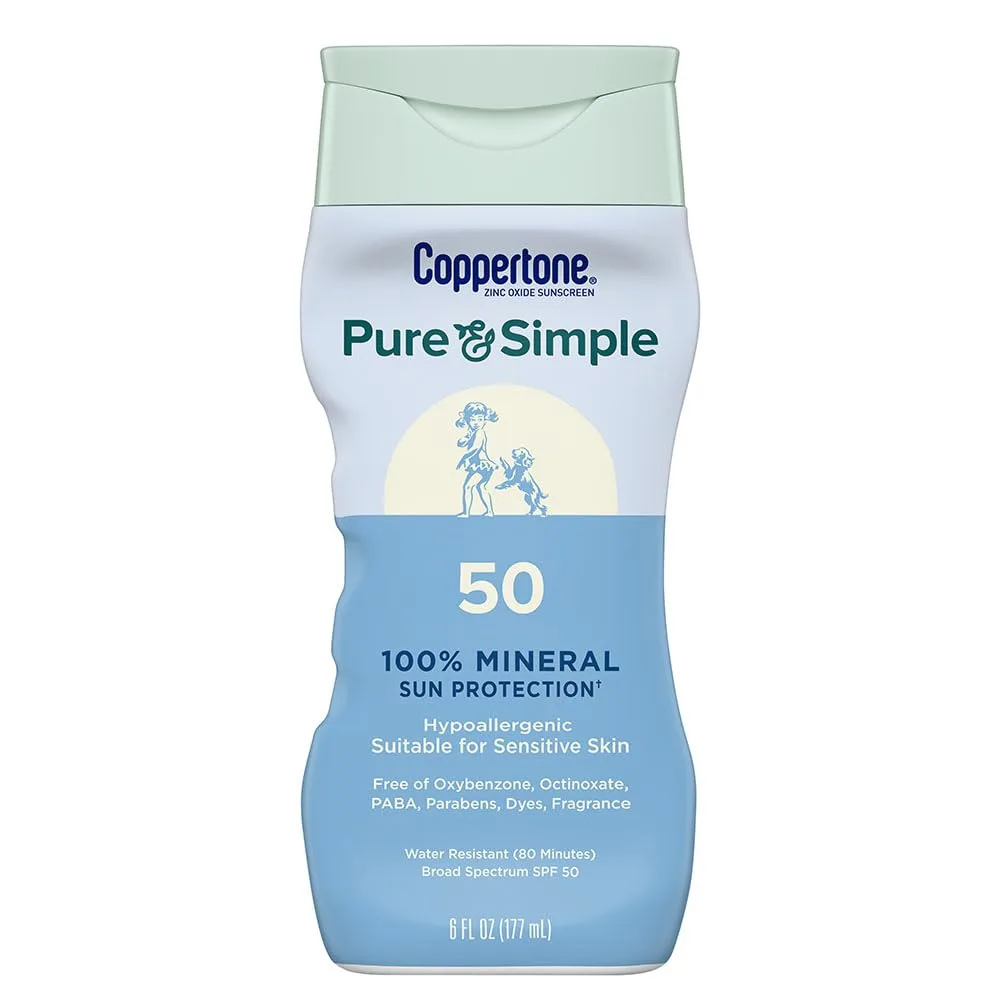
Use it on damp skin for maximum hydration. For sun protection, choose mineral blockers. Zinc oxide and titanium dioxide sit on the surface.
They reflect UV rays without absorbing into the bloodstream. This prevents melasma exacerbation effectively.
| Ingredient Class | Safety Status | Primary Benefit | Risk Factor |
|---|---|---|---|
| Retinoids | Avoid | Anti-aging/Acne | Teratogenicity |
| Hydroquinone | Avoid | Pigment Lightening | Systemic Absorption |
| Azelaic Acid | Safe | Acne/Melasma Control | Minimal Irritation |
| Zinc Oxide | Safe | UV Protection | White Cast (Cosmetic) |
| Salicylic Acid (<2%) | Caution | Exfoliation | Cumulative Exposure |
A Simple, Effective Daily Routine for Pregnant Skin
Complexity kills consistency. You don’t need ten steps. You need four reliable actions.
Focus on cleansing, hydrating, protecting, and treating. Keep products minimal. Fewer items mean fewer variables to track.
If a reaction occurs, you’ll know the culprit quickly. Simplicity reduces decision fatigue during tired mornings.
Start slow. Introduce one new product every two weeks. Patch test on your inner arm.
Wait 24 hours. If no redness appears, proceed. This protocol protects against unexpected allergies.
Remember, your immune system is suppressed during pregnancy. Reactions may be delayed or amplified. Patience pays off here.
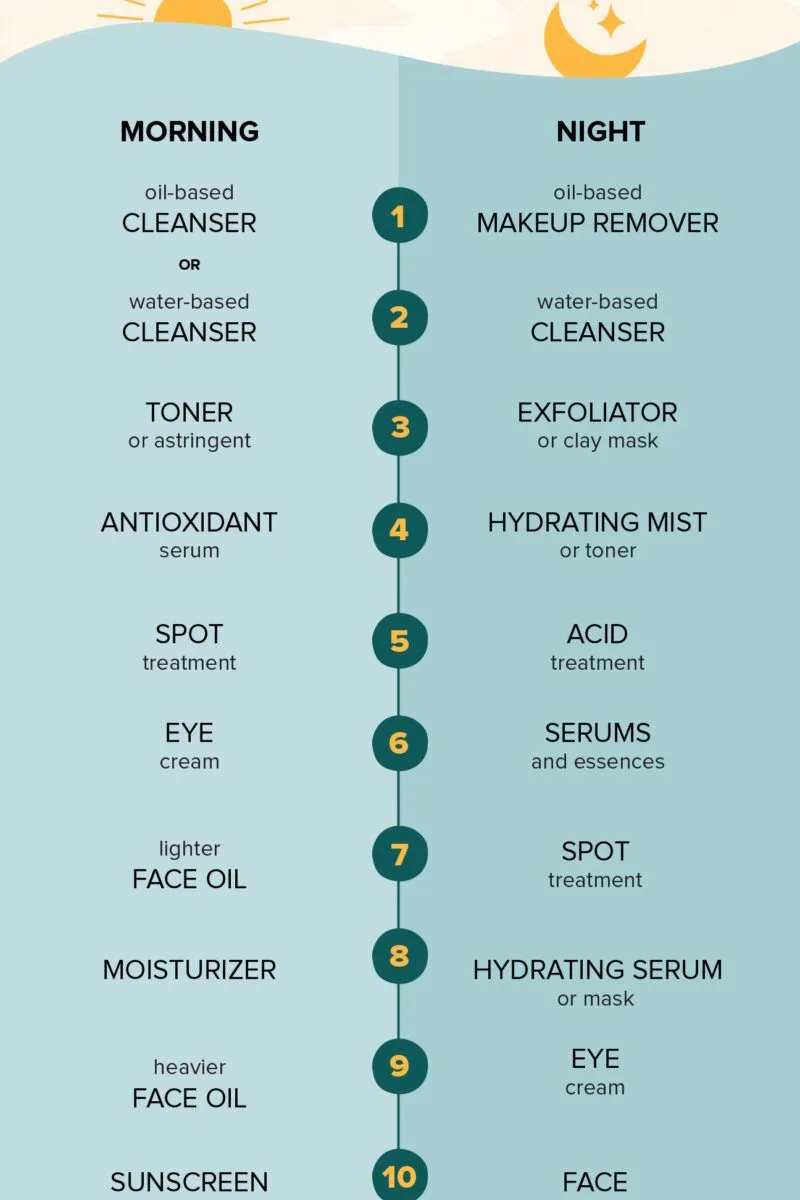
Morning Protocol: Protecting Against Hyperpigmentation
Wake up and rinse with lukewarm water. Hot water strips oils. Use a gentle, non-foaming cleanser if needed.
Look for pH-balanced options (4.5, 5.5). Apply a hyaluronic acid serum to damp skin. This locks in moisture.
Follow with a ceramide-rich moisturizer. Seal everything with broad-spectrum SPF 30+ mineral sunscreen.
Reapply sunscreen every two hours if outdoors. UV exposure worsens melasma significantly. Wear a wide-brimmed hat for extra defense.
Skip makeup if your skin feels sensitive. Let it breathe. If you wear foundation, choose non-comedogenic formulas.
Remove all traces before bed. Residue clogs pores and triggers breakouts. Consistency here prevents long-term pigment damage.
Evening Protocol: Repairing the Barrier Without Irritation
Double cleanse if wearing makeup. Start with an oil-based balm to dissolve impurities. Follow with a gentle water-based cleanser.
Rinse thoroughly. Pat dry, never rub. Apply azelaic acid to affected areas (acne or dark spots).
Let it absorb for five minutes. Layer a thicker night cream containing peptides or squalane.
Peptides support collagen production without hormonal interference. Squalane mimics natural sebum, preventing overdrying. Avoid heavy occlusives like petrolatum if you sweat easily.
They trap heat and cause prickly heat. Instead, opt for breathable lotions. Sleep on silk pillowcases to reduce friction.
Friction aggravates stretch marks and wrinkles. Restorative sleep aids skin repair processes overnight.
When It’s More Than Just Dryness: Red Flags Requiring Immediate Care
Not all itchiness is normal. Distinguish between mechanical stretching and pathological symptoms. Mechanical itch comes from rapid belly growth.
It’s localized and mild. Pathological itch is widespread, intense, and disrupts sleep. This signals internal issues.
Ignoring these signs risks maternal and fetal health. Early detection saves lives.
Keep a symptom log. Note timing, location, and intensity. Share this with your provider.
Visual evidence helps diagnosis. Photos of rashes clarify descriptions. Doctors rely on precise data.
Don’t downplay symptoms to avoid appointments. Advocacy is part of prenatal care. Trust your instincts.
If something feels wrong, it probably is.
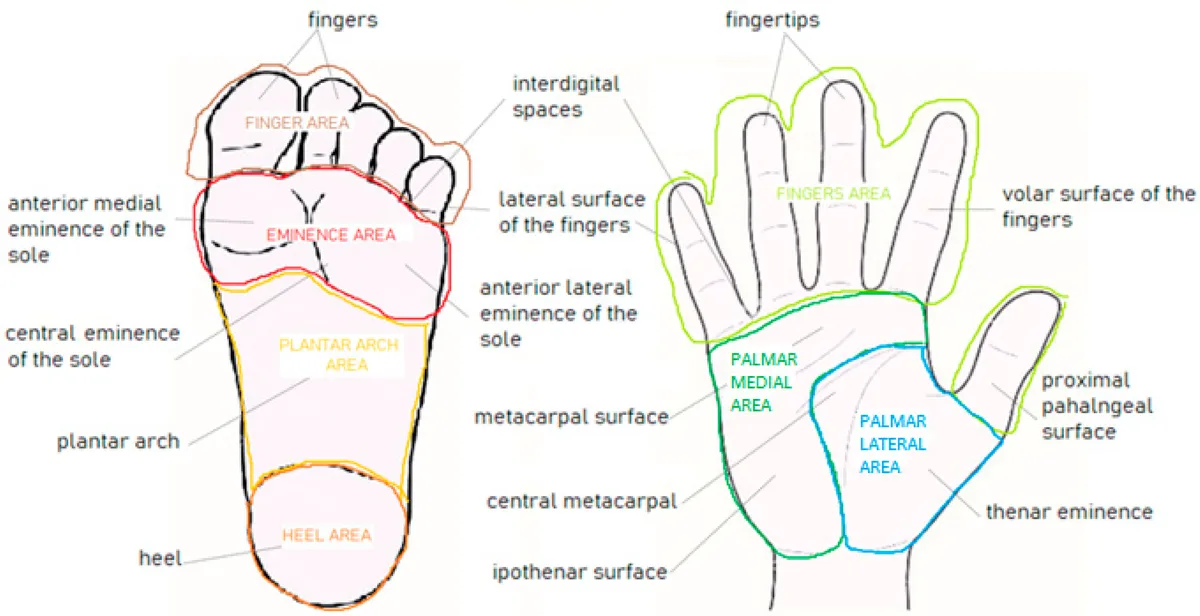
Identifying Intrahepatic Cholestasis of Pregnancy (ICP)
ICP affects 0.7% of pregnancies. Symptoms include severe itching on palms and soles. No rash is present initially.
Later, scratch marks may appear. Jaundice (yellowing eyes/skin) occurs in rare cases. Dark urine and pale stools indicate bile flow issues.
Blood tests reveal elevated liver enzymes and bile acids.
Untreated ICP raises risks of preterm birth and stillbirth. Management involves ursodeoxycholic acid (UDCA) and early delivery. Monitoring is critical.
If you suspect ICP, call your OB-GYN immediately. Do not wait for the next scheduled visit. Time matters in bile acid accumulation.
Prompt treatment mitigates dangers effectively. Awareness empowers timely action.
Differentiating Benign Itching from Serious Dermatoses
PUPPP presents as red, raised bumps within stretch marks. It starts on the abdomen and spreads. It’s intensely itchy but resolves after birth.
Pemphigoid gestationis is rarer. It features blistering rings around the navel. This autoimmune condition requires steroid treatment.
Scabies mimics pregnancy itch but has burrow tracks.
Eczema flares due to stress and dryness. It responds to moisturizers and mild steroids. Contact dermatitis results from new products.
Elimination diets help identify triggers. Each condition demands specific care. Misdiagnosis leads to ineffective treatment.
Professional evaluation ensures accuracy. Never self-diagnose complex rashes. Bring your questions to specialists.
Clarity brings comfort.
Managing Specific Challenges: Acne, Stretch Marks, and Melasma
Targeted strategies address unique complaints. General routines provide baseline support. Specialized treatments tackle stubborn issues.
Balance efficacy with safety. Aggressive approaches backfire. Gentle persistence yields better results.
Set realistic expectations. Genetics play a huge role. You can manage, not eliminate, certain conditions.
Focus on prevention where possible. Early intervention stops progression. Delay allows scarring.
Act swiftly but calmly. Stress hormones worsen skin conditions. Mindfulness supports physical health.
Holistic care integrates body and mind. Here’s how to handle the big three.
Treating Hormonal Breakouts Safely
Acne peaks in the first trimester. Cleanse twice daily. Use benzoyl peroxide (2.5, 5%) sparingly.
It kills bacteria without antibiotics. Spot treat only. Overuse dries skin.
Alternatively, apply sulfur masks weekly. Sulfur absorbs excess oil gently. Avoid physical scrubs.
They spread bacteria. Chemical exfoliants like lactic acid are milder. Use them once weekly.
Diet influences acne. High-glycemic foods spike insulin. Insulin boosts sebum.
Reduce sugar intake. Increase omega-3 fatty acids. Salmon and walnuts help.
Stay hydrated. Water flushes toxins. Consistency beats intensity.
Clear skin takes time. Celebrate small wins. Progress is nonlinear.
Be patient with your body.
Realistic Expectations for Stretch Mark Prevention
Genetics determine susceptibility. Collagen structure varies individually. No cream guarantees prevention.
Moisturizing maintains elasticity. Use oils rich in vitamin E. Rosehip and jojoba are popular.
Massage gently to stimulate circulation. Do not tug skin aggressively. Tearing creates micro-damage.
Early stages (striae rubra) respond best. Red marks fade slower than white ones.
Silicone sheets help heal scars. Apply post-delivery for established marks. Laser therapy works later.
Wait until breastfeeding ends. Manage weight gain gradually. Rapid expansion tears dermis.
Steady growth preserves integrity. Acceptance reduces anxiety. Marks tell a story of strength.
They are normal. Prioritize health over aesthetics. Confidence shines brighter than flawless skin.
Common Mistakes That Worsen Pregnancy Skin Issues
Over-exfoliation is the most frequent error we see. Many women panic when breakouts appear. They reach for strong scrubs or high-percentage acids.
This damages the moisture barrier further. Your skin becomes reactive and inflamed. Stick to gentle, infrequent chemical exfoliants instead.
Lactic acid at low concentrations is safer than glycolic. Always follow with a thick moisturizer. Repair takes time.
Rushing it causes more harm than good. Listen to your skin’s feedback loops. If it stings, stop immediately.
Redness indicates irritation, not progress. Patience yields clearer results in the long run.
Another trap is assuming "natural" equals safe. Essential oils like tea tree or lavender can be potent allergens. They may disrupt hormonal balance if absorbed systemically.
Patch testing is non-negotiable here. Apply a small amount to your inner wrist. Wait twenty-four hours before broader use.
Many commercial products hide synthetic fragrances under "parfum." These are common triggers for contact dermatitis. Choose fragrance-free options labeled explicitly as such. Check ingredient lists for hidden alcohols too.
Denatured alcohol dries out sensitive skin rapidly. Opt for fatty alcohols like cetyl or stearyl. They provide slip without stripping lipids.
Simplicity reduces risk significantly. Fewer ingredients mean fewer variables. Keep your routine lean and effective.
Avoid trendy additives that lack pregnancy data. Stick to proven, boring staples. Reliability beats novelty every single time.
Frequently Asked Questions About Pregnancy Skincare
Can I use retinol during pregnancy?
No. Retinoids are contraindicated due to potential teratogenic effects. Even topical versions carry theoretical risks.
Switch to bakuchiol or azelaic acid instead. These offer similar benefits without the danger. Consult your doctor before restarting any vitamin A derivatives postpartum.
Safety first always applies here.
How do I treat melasma safely?
Use mineral sunscreen daily. Zinc oxide blocks UVA/UVB rays effectively. Add azelaic acid to fade pigmentation slowly.
Avoid hydroquinone completely. It absorbs systemically and lacks safety data. Hats and shade help prevent worsening.
Postpartum treatments become available later. Be patient with fading timelines.
Is salicylic acid safe for acne?
Low concentrations (under 2%) on small areas are generally acceptable. Avoid oral forms entirely. Do not use high-percentage peels.
Benzoyl peroxide is another safe alternative. It kills bacteria locally without systemic absorption. Monitor for excessive dryness.
Adjust frequency based on tolerance. Less is often more here.
Why does my skin itch so much?
Dryness from stretching skin is common. Use heavy emollients frequently. However, intense itching on palms or soles signals ICP.
This requires immediate medical attention. Blood tests check bile acid levels. Untreated ICP poses fetal risks.
Never ignore severe pruritus. Get evaluated promptly by your OB-GYN.
When will my skin return to normal?
Most changes resolve within three to twelve months postpartum. Hormones stabilize after breastfeeding ends. Melasma may persist longer in darker skin tones.
Stretch marks fade but rarely vanish completely. Consistent care speeds recovery. Protect against sun exposure strictly.
Time heals most pregnancy-related shifts. Stay consistent with gentle routines.

Similar Posts