How to Prep Your Baby’s Sleep Routine for a Hotel Stay
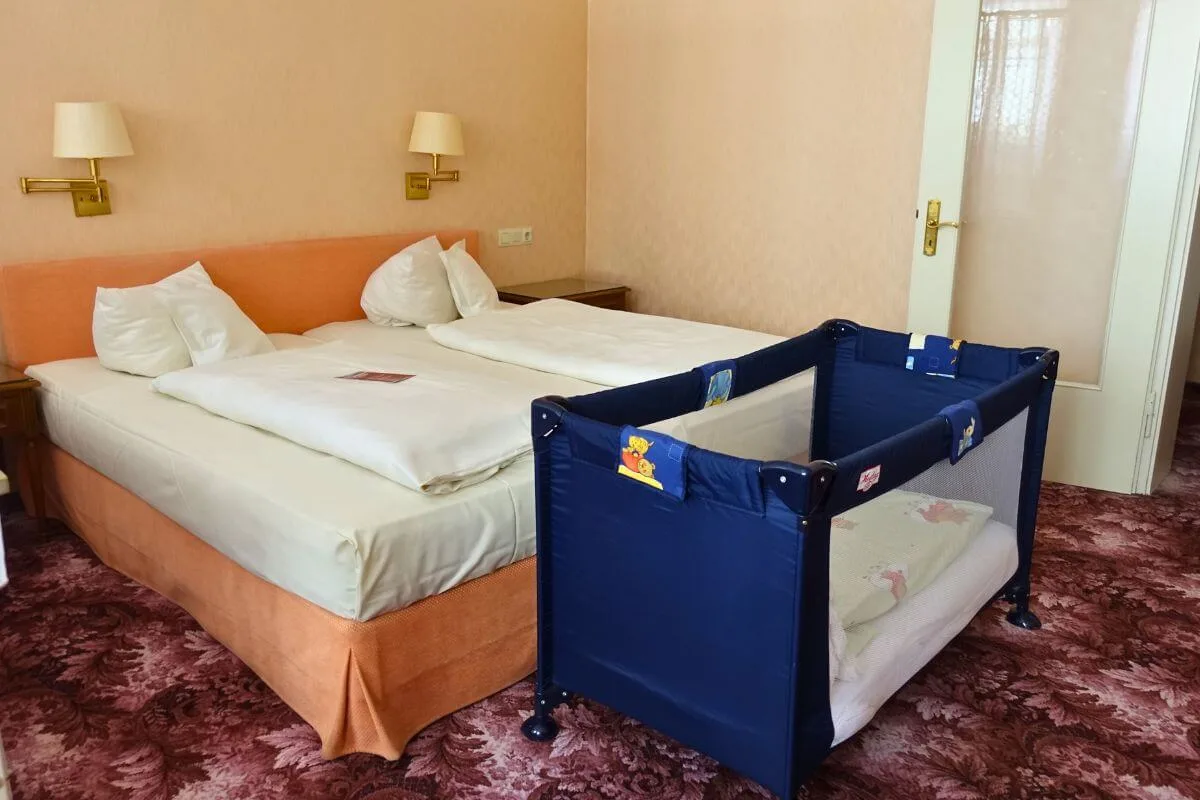
If you've ever paced a dark hotel bathroom at 8pm trying not to wake the baby, you already know why this matters. Learning how to prepare a baby's sleep routine for a hotel stay comes down to one idea: recreate the sleep cues your baby knows, and relax everything else.
The good news is that babies adapt faster than most parents expect. Research on infant sleep environments suggests most babies settle by night two or three when familiar cues stay consistent, and the American Academy of Pediatrics recommends a firm, flat sleep surface with no loose bedding, whether you're home or away. Here's how to get there.
Why Baby Sleep Falls Apart in Hotel Rooms (and What Actually Fixes It)
Hotels break baby sleep for predictable reasons. New sounds, new light, and a new crib all signal "something's different," and babies respond by waking more.
The biggest culprits:
- Light leaks. Hotel curtains are thin. A glowing TV standby light or streetlight is enough to trigger early waking.
- Unfamiliar sounds. Hallway doors, elevators, and HVAC units kick in at random times.
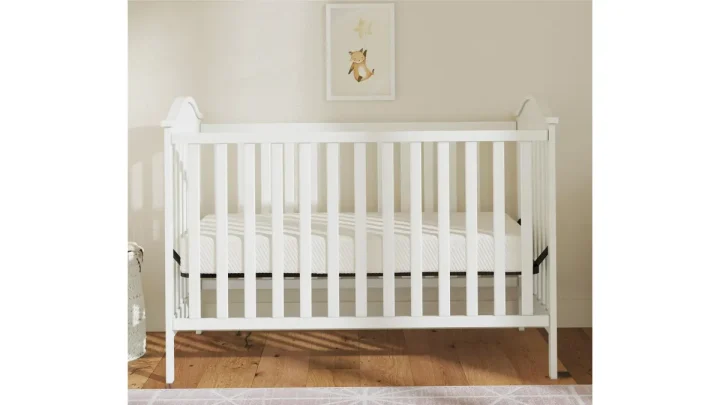
- A different sleep surface. A hotel crib smells different, feels different, and sits in a different spot in the room.
- Schedule disruption. Travel days push babies past their wake windows, and overtired babies fight sleep harder.
Sleep researchers call this the "first night effect," where the brain sleeps more lightly in unfamiliar surroundings. Adults get it too. Babies just express it louder.
The fix isn't perfect replication. It's protecting the strongest cues (darkness, sound, routine order) and letting go of the rest.
The Quick Answer: Your Hotel Sleep Kit
Pack a small "sleep kit" so you're not improvising at 9pm. These five items cover 90% of hotel sleep problems:
| Item | What it solves | Notes |
|---|---|---|
| Travel white noise machine | Hallway and HVAC noise | Look for 50 dB max at the crib, continuous play |
| Portable blackout solution | Light leaks and early sunrises | Suction-cup blinds or a canopy |
| Familiar crib sheet | Scent and feel of home | Pack one from baby's own crib, unwashed |
| Sleep sack | Safe warmth without hotel blankets | Skip loose bedding entirely |
| Lovey or comfort object (12 months+) | Emotional cue | If under 12 months, skip it per safe sleep rules |
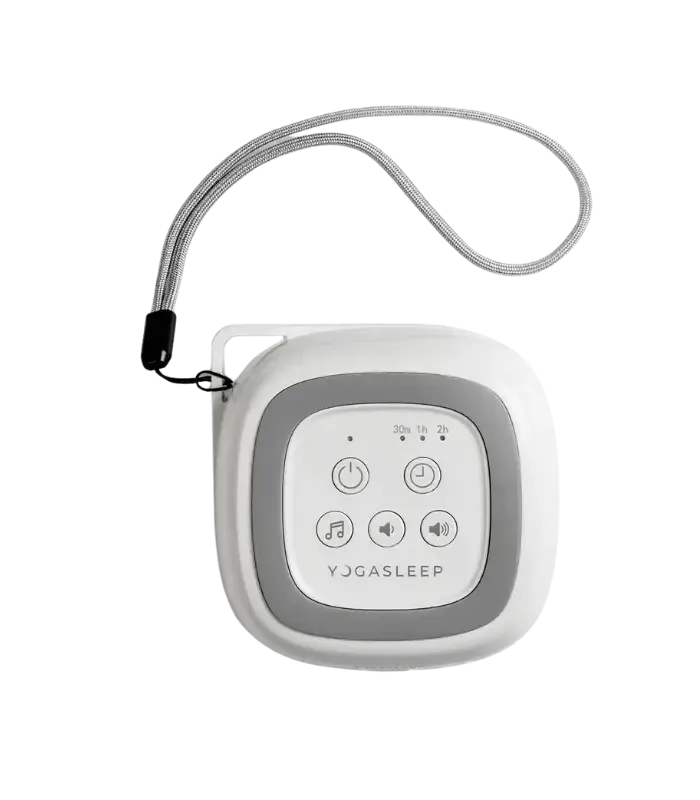
One caution on sound machines: keep the volume moderate and place it across the room, not right next to the crib. That matches AAP-aligned guidance on infant noise exposure.
If you pack nothing else, pack darkness and sound. Those two cues do the heaviest lifting.
Before You Book: Hotel Calls and Room Choices That Make or Break the Trip
A five-minute phone call before booking saves a miserable night. Call the hotel directly, not the central reservation line.
Ask these questions:
- "Do you have cribs or bassinets, and can you guarantee one for my dates?" Hotels keep limited stock. Request it in your reservation notes, then call again 48 hours before arrival to confirm.
- "Can I get a room away from the elevator and ice machine?"
- "Is there a mini-fridge for milk or a kettle for sterilizing?"
- "Can housekeeping skip my room in the morning?" A vacuum at 7am undoes everything.
Room type matters too. If budget allows, a suite or a room with a separate sleeping alcove lets you put baby's crib out of sight and sound. If you're stuck with one room, place the travel crib as far from the door and bathroom as possible, ideally with a sightline blocked by a chair or the TV console.
Timing your arrival counts as planning. If you can check in by late afternoon, baby gets a normal wind-down instead of a frantic midnight collapse.
Step-by-Step: Recreating Your Baby's Sleep Environment in a Hotel
Work through this order when you arrive. It takes about 15 minutes.
- Set up the sleep space first. Assemble the crib or Pack 'n Play away from curtains, cords, and heaters.
- Blackout the windows. Suction-cup blackout blinds stick to most hotel glass. If you forgot yours, aluminum foil or dark garbage bags tucked behind the curtain work, and nobody sees the window from inside at 7pm.
- Position the white noise machine between the crib and the door or HVAC unit. Set it to run continuously.
- Dress the crib with your home sheet. That familiar smell is a genuine cue. In our research across parent forums, this trick shows up constantly as the single most-reported fix.
- Check the room temperature. Aim for 68 to 72°F. Hotel rooms run warm, so crack a window or lower the thermostat before bedtime.
- Run the routine in the same order. Bath (or wipe-down), feed, book, song, bed. Same order, same words, every night.
Then give your baby ten minutes of quiet play in the room before the routine starts, so the space feels familiar instead of brand new.
Hotel Crib vs. Bringing Your Own Travel Crib
This is a genuine decision point, and the right answer depends on your travel style.
| Factor | Hotel crib | Your own travel crib |
|---|---|---|
| Cost | Usually free | $70 to $300 upfront |
| Convenience | Nothing to carry | You haul it (11 to 15 lbs typical) |
| Availability | Not guaranteed, even when reserved | Always there |
| Mattress quality | Varies wildly, sometimes thin or worn | Known firmness and fit |
| Hygiene | Unknown history | Yours alone |
| Familiarity | New and strange to baby | Baby may have practiced at home |
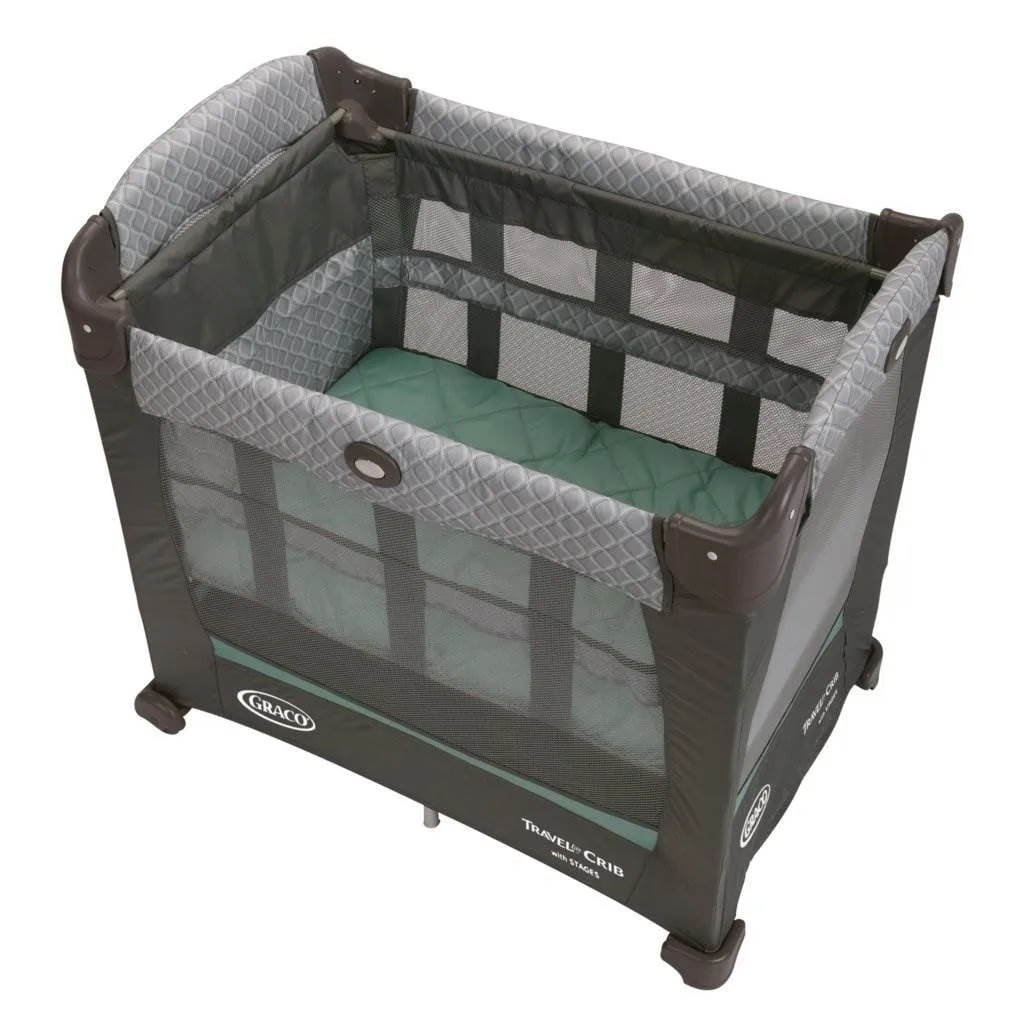
Here's the decision logic:
- If you're driving, bring your own. Trunk space is cheap, and a familiar crib removes the biggest single variable.
- If you're flying solo with baby, request the hotel crib and save yourself the baggage. Just inspect it on arrival.
- If your baby is a sensitive sleeper, bring your own. Manufacturer specifications for models like the Graco Pack 'n Play confirm easy fold-and-go setups, and aggregate user reviews report the familiarity pays for itself.
One middle path: if baby sleeps in a Pack 'n Play at home anyway, the hotel crib matters less. Match the travel crib to your home setup, and the transition nearly disappears.
Whichever route you pick, the next section covers the safety check that comes first.
Time Zones, Naps, and the First Night: What to Realistically Expect
The rough rule of thumb: allow about one day of adjustment per hour of time zone shift. A two-hour difference usually sorts itself out in two days if you work with it.
Here's the approach that works:
- Shifts of 1 to 2 hours: Hold your home schedule from day one. Baby's clock will catch up naturally.
- Shifts of 3+ hours: Shift bedtime 30 to 45 minutes closer to the new local time each day. Morning light exposure speeds this up, so open the curtains after a normal wake time.
- Overnight flights: Treat the plane as part of the day. Baby sleeps when baby sleeps, then you anchor bedtime locally on arrival.
Naps on travel days are a sacrifice play. Stroller naps and carrier naps are lower quality than crib naps, but they keep sleep pressure from building. If you must choose, protect the first nap of the day and let the afternoon nap slide.
Night one will probably be rough. Expect extra wakings and a slow settle. Night two typically halves the disruption.
If you've protected darkness, sound, and routine order, most babies are functionally back to baseline by night three.
Safe Sleep Rules You Can't Bend on the Road
Vacation doesn't pause safe sleep. The same AAP rules apply in room 412 as they do at home: firm flat surface, nothing loose, baby on their back.
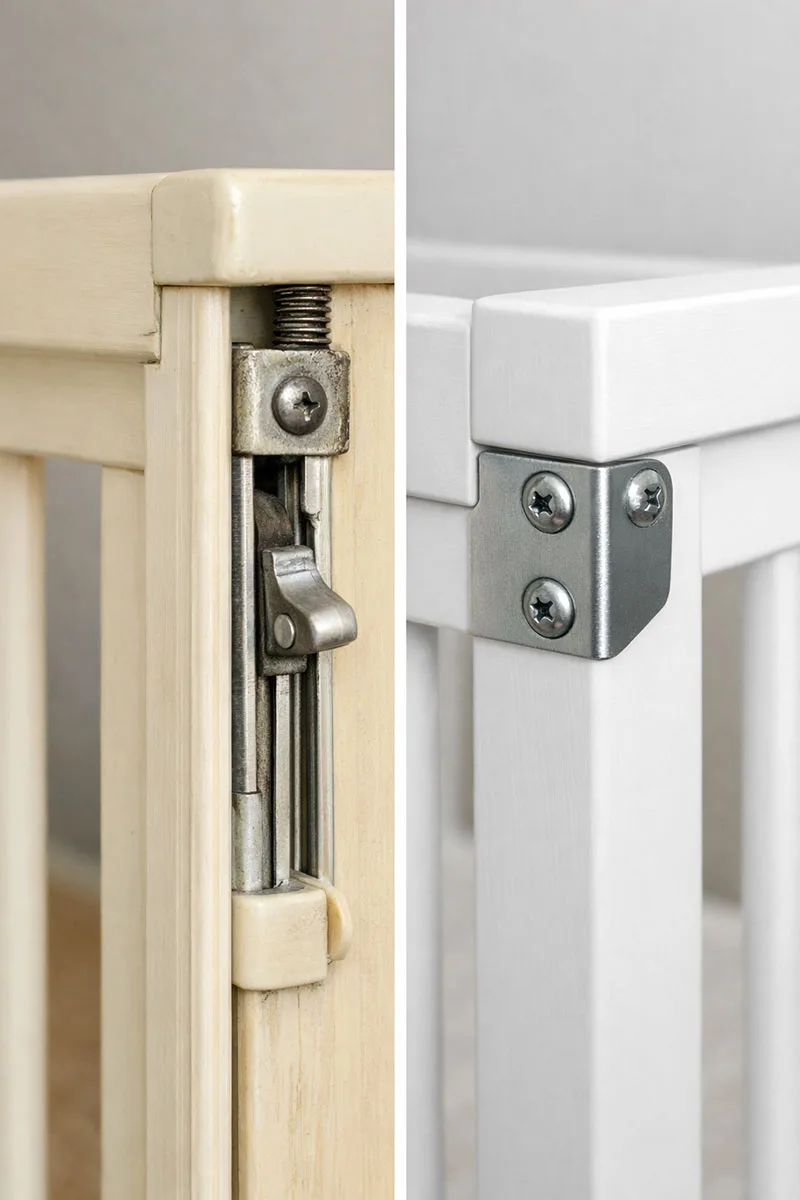
When you inspect a hotel crib, check:
- No missing, loose, or cracked slats or hardware
- A firm mattress that fits snugly with no gaps at the edges
- No recall stickers or model numbers you can verify against the CPSC recall database
- No added pillows, bumper pads, or decorative blankets
Never improvise a sleep surface. That means no baby sleeping between you on the bed, no couch cushions, no padded dresser drawers. Hotel rooms are full of tempting "just this once" setups, and inclined sleepers and positioners are banned by the CPSC for a reason.
Two final checks: push the crib away from curtains, blinds cords, and heaters, and dress baby in a wearable sleep sack instead of any blanket. A sleep sack solves warmth safely and travels in your suitcase.
Common Mistakes Parents Make (and How to Skip Them)
Most hotel sleep failures trace back to a handful of avoidable errors.
- Skipping the practice run. If baby has never seen your travel crib, don't introduce it at bedtime. Set it up at home a week early and let baby nap in it once.
- Overpacking the routine. Trying to haul the bath tub, the exact sound machine, and three books turns bedtime into luggage management. Protect the order of the routine, not every prop.
- Booking a crib but not confirming. Hotels overcommit. Call 48 hours out.
- Letting baby nap too long in the carrier or car seat on arrival day. Then bedtime fights you for two hours.
- Responding to every stir. Babies wake briefly and resettle. If the white noise is on and the room is dark, wait two or three minutes before intervening.
- Skipping the return-home reset. Get back on the home schedule immediately. Most parents report the rebound takes just a day or two if you don't drift.
The common thread? Small problems compound at bedtime. Fix the setup and the evening fixes itself.
Frequently Asked Questions
What should I pack for my baby's sleep routine in a hotel?
Pack five things: a familiar unwashed crib sheet, a portable white noise machine, a travel blackout blind, a sleep sack, and a comfort object if your baby is over 12 months. If baby will use a hotel crib, also pack a fitted sheet that fits standard crib mattresses. Everything else is negotiable.
Will my baby sleep worse in a hotel?
Usually the first night, yes. The "first night effect" makes sleep lighter in new environments. With darkness, familiar sound, and the same routine order, most babies settle close to normal by night two or three.
Expect extra wakings and plan a low-key first evening.
How do I blackout hotel room windows?
Suction-cup portable blackout blinds attach to most hotel glass in minutes. A backup trick: aluminum foil or dark trash bags pressed against the glass behind the curtain. It looks crude but creates near-total darkness, which matters more than aesthetics at 5:45am.
Should I request a hotel crib or bring a travel crib?
If you're driving, bring your own travel crib for guaranteed availability, known mattress firmness, and familiarity. If you're flying, request the hotel crib, confirm it by phone 48 hours before arrival, and inspect it on check-in for firmness, fit, and recalls.
How do I handle a time zone change with my baby?
Allow roughly one adjustment day per hour of time difference. For shifts of one to two hours, keep your home schedule and let baby adapt. For bigger shifts, move bedtime 30 to 45 minutes earlier or later each day, and use morning daylight to reset baby's body clock faster.
What if my baby won't stop crying in the hotel room?
Check the basics first: temperature, dark room, white noise running, and a wake window that wasn't blown. If nothing works, a calm reset helps, walk baby around the dim room, then restart the routine. If the room-sharing setup is the problem, try placing the crib behind a partition or in a closet alcove.

Similar Posts