Talking to Your Pediatrician About Your Child’s Sleep
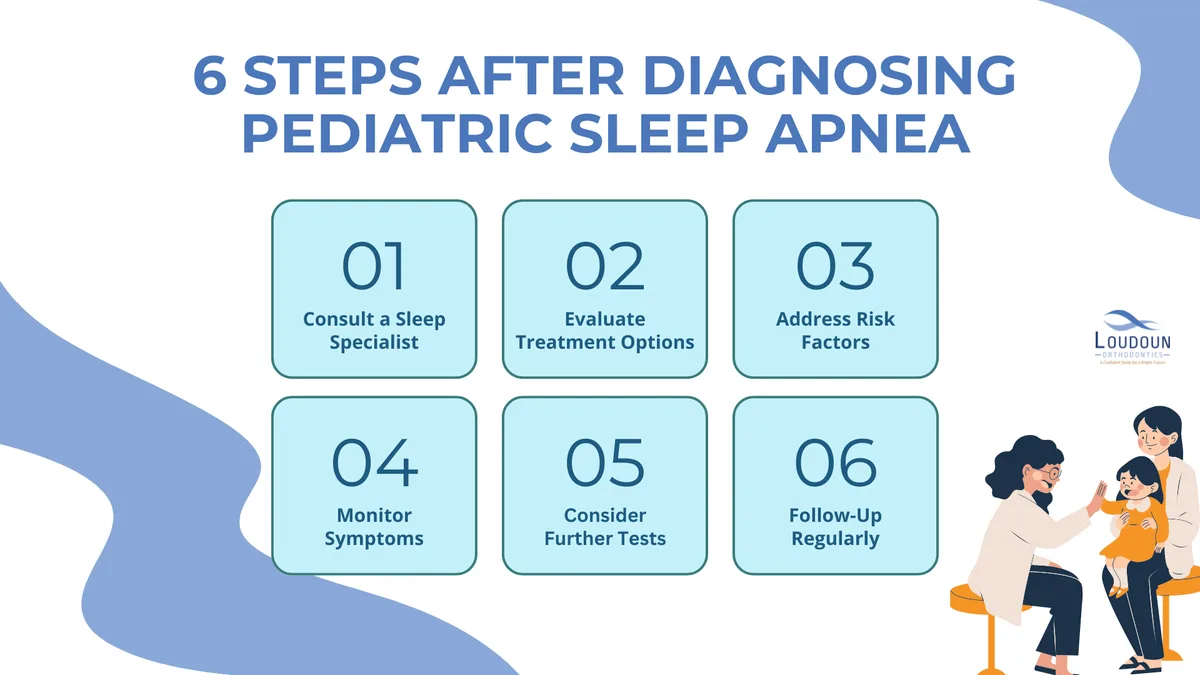
You've noticed your toddler waking three times a night, or your baby's naps falling apart. Now you've got a 15-minute pediatric appointment coming up, and you're not sure how to discuss sleep changes at a pediatric visit without forgetting half of it or feeling brushed off. That's a real problem, and it's fixable with preparation.
Pediatric sleep problems are common. Roughly 25 to 50 percent of young children show a sleep issue at some point, according to the American Academy of Pediatrics. The visits themselves are short, so what you bring matters.
Let's start with why good concerns get missed in the first place.
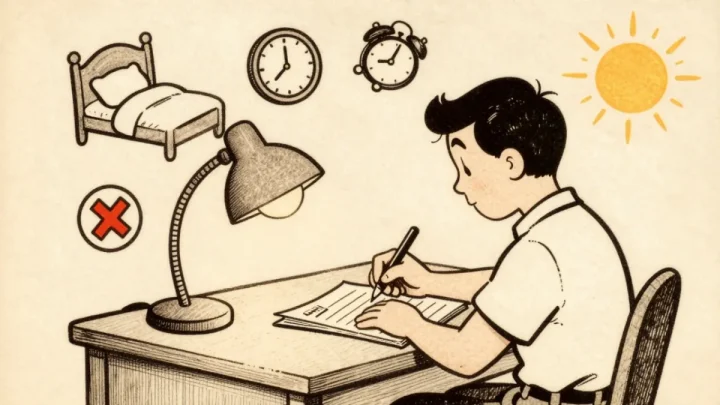
Image source: Bing (Web (fair-use with source credit))
Quick Answer
How to discuss sleep changes at a pediatric visit comes down to preparation and priority. Track your child's sleep for one to two weeks in a simple sleep log. Write your concerns down and lead with the biggest one.
Describe patterns, not vague labels. Ask what red flags to watch for and confirm the follow-up plan before you leave.
Why Sleep Changes Get Missed at Pediatric Visits (and How to Make Sure Yours Doesn't)
The average well-child visit runs about 15 to 20 minutes. The doctor has a checklist: growth curves, vaccines, milestones, developmental screening. Sleep only comes up if you raise it, or if the intake form flags it.
That's the gap. Parents describe sleep problems in vague terms, like "she sleeps terribly," and the pediatrician hears no actionable detail. Or a parent mentions snoring casually at the end of the visit, when there's no time left to act on it.
The fix is simple. Bring specifics, bring them early, and lead with the change that worries you most. Everything below builds on that idea.
What Pediatricians Actually Want to Know About Your Child's Sleep
If you only remember one thing, make it this: pediatricians act on patterns, not adjectives. Before you go, translate your worry into data points.
Here's what a clinician needs to sort a behavioral sleep issue from a medical one:
- When the change started and whether it followed illness, travel, a new sibling, or a milestone
- Frequency: how many nights per week, how many wakings per night
- Duration: how long each waking lasts and how long it takes your child to settle
- A typical 24 hours: bedtime, wake-ups, naps, wake time
- Breathing during sleep: snoring, gasping, mouth breathing, pauses
- Daytime behavior: irritability, sleepiness, trouble focusing at preschool
Age context matters too, because what's normal shifts fast in early childhood. Per American Academy of Sleep Medicine consensus guidance, a one-year-old's 13-hour total is normal, while a six-year-old sleeping 13 hours is unusual in the other direction.
| Age | Typical Total Sleep (24 hrs) | Common Normal Patterns |
|---|---|---|
| 4 to 12 months | 12 to 16 hours | Night wakings, 2 to 3 naps |
| 1 to 2 years | 11 to 14 hours | One nap, bedtime resistance |
| 3 to 5 years | 10 to 13 hours | Naps dropping, night fears |
| 6 to 12 years | 9 to 12 hours | Consolidated night sleep |
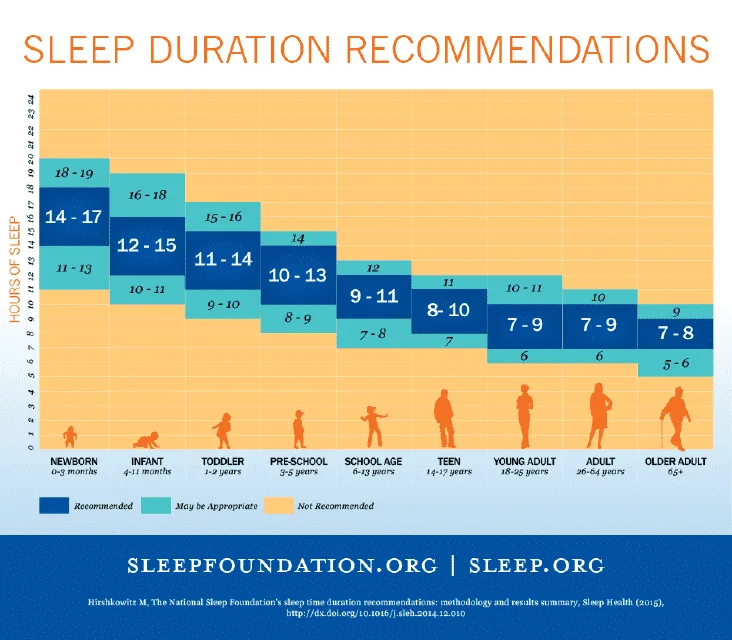
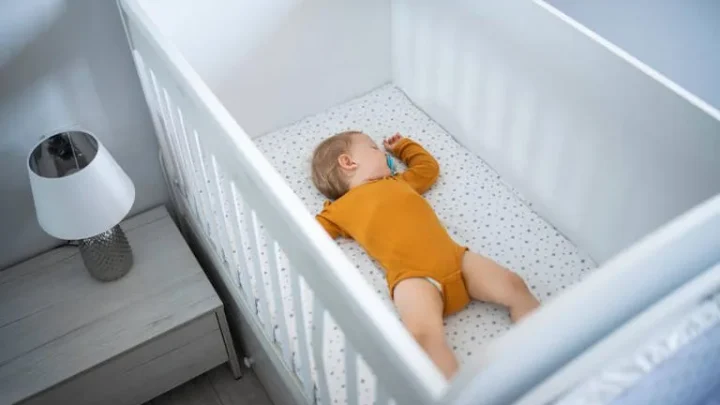
Image source: Bing (Web (fair-use with source credit))
Before the Visit: How to Track Sleep for 1 to 2 Weeks
A sleep diary is the single highest-value thing you can bring. It's just a record of bedtime, wakings, and wake time, kept for one to two weeks before the appointment. Two weeks captures patterns.
Three days doesn't.
You don't need an app. A note on your phone or a sheet on the fridge works fine. Log these five things each day:
- Bedtime and actual fall-asleep time
- Night wakings (time, duration, what settled your child)
- Morning wake time
- Naps (times and lengths)
- Anything unusual: snoring, night terrors, wetting, new fears
The week before the visit is a bad time to start logging, because stress skews your notes. Start early if you can. If your child's sleep just changed suddenly, even four or five days of data gives the doctor something to work with.
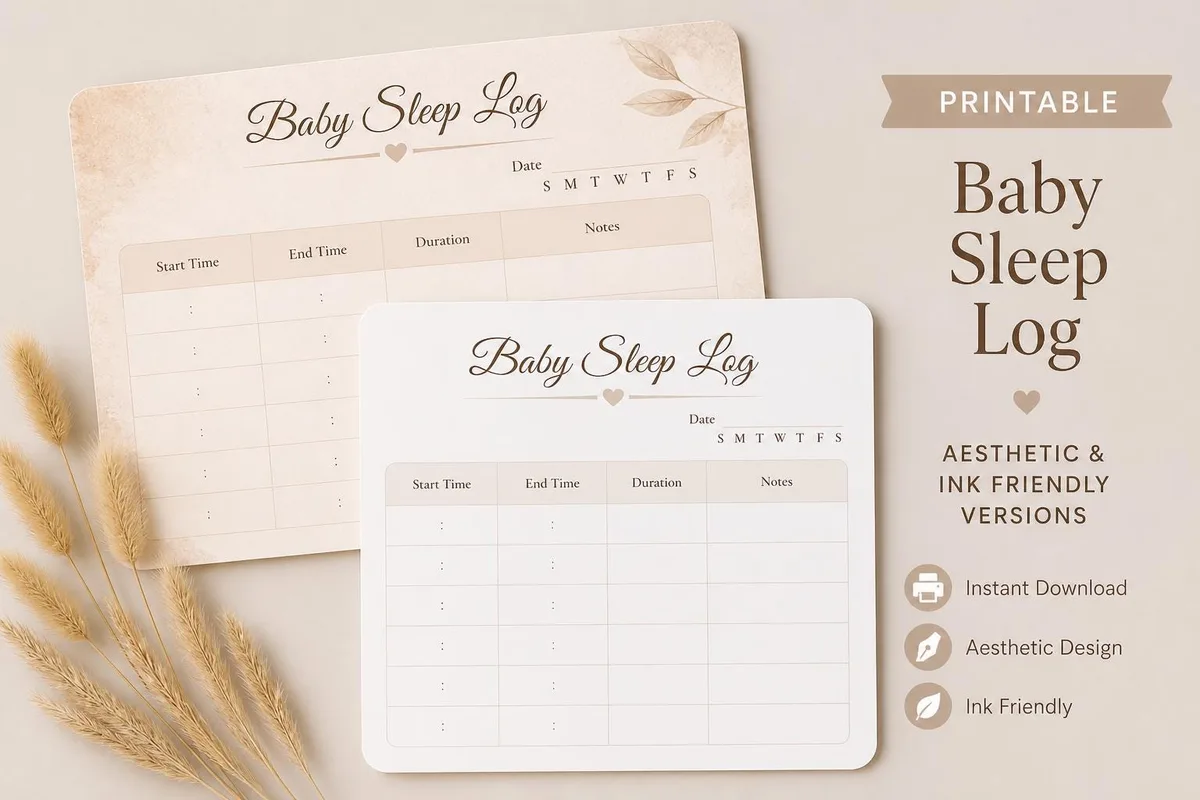
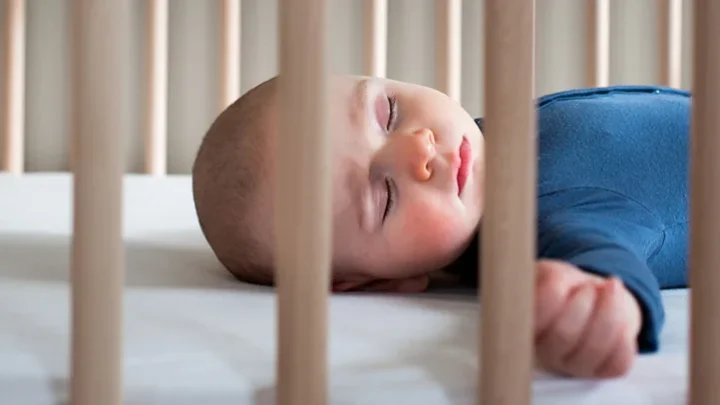
Image source: Bing (Web (fair-use with source credit))
The Decision Tree: What to Bring Up Based on Your Child's Situation
Not every sleep change deserves the same conversation. Use this branching logic to shape what you lead with.
New Night Wakings or Regression After Milestones, Illness, or Travel
If the change started within the last two weeks and has an obvious trigger, say so directly. "He started waking at 2 a.m. two weeks ago, right after he learned to pull up, and he's now awake 45 minutes each night." That sentence gives the pediatrician a cause, a timeline, and a measurable problem.
If it's been going on longer than two weeks with no clear trigger, that's the pattern worth pressing on. Ask whether it fits behavioral insomnia of childhood, which is the clinical term for learned sleep habits that need reshaping. Most of the time you'll leave with a behavioral plan, not a prescription.
Snoring, Mouth Breathing, or Pauses in Breathing (Medical Red Flags)
If your child snores loudly more than three nights a week, breathes through their mouth, or you've seen pauses followed by a gasp, this jumps the queue. Mention it first, not last. These are the classic signs of obstructive sleep apnea in children, and it's estimated to affect up to 5 percent of kids, often missed because parents assume snoring is harmless.
If the pediatrician seems to wave it off, ask one direct question: "Could this warrant a sleep study or an ENT referral?" That phrasing invites a clinical decision instead of a shrug.

Image source: Bing (Web (fair-use with source credit))
Bedtime Battles, Nap Drops, and Sleep Training Questions
If the problem is behavioral, like a toddler fighting bedtime for an hour, frame it as a duration problem: "It takes 60 to 90 minutes to get her down, six nights out of seven." Then ask what the pediatrician recommends for your child's age and temperament. Some practices have specific sleep training guidance they share routinely; you just have to ask.
How to Lead the Conversation in a 15-Minute Appointment
Structure wins here, because appointments get compressed fast. In our research across parent accounts and pediatric guidance, the parents who get action are the ones who control the opening minutes.
Follow this sequence:
- Open with your top concern in the first 60 seconds. Don't warm up with small talk. Say, "Before we start on the routine stuff, I want to talk about his sleep."
- Hand over the sleep log or read your two most important numbers aloud.
- Describe, don't diagnose. Report what you saw, not what you googled.
- Ask the two closing questions: "What should I watch for?" and "When would we escalate this?"
- Confirm the plan out loud before you leave, including any follow-up through the patient portal.
If the doctor moves to wrap up before you've covered your concern, it's fair to say so. "I have one more thing, and it's the main reason I booked today" almost always buys you the time you need. As of 2026, most practices also let you send follow-up questions through the portal, which is a good backup for anything that got squeezed out.
Common Mistakes That Get Concerns Dismissed
The biggest mistake is vague framing. "She's a bad sleeper" gives the doctor nothing to evaluate. "She wakes three times a night, 30 minutes each, for the past month" invites a clinical answer.
Second mistake: burying the lead. Save your most concerning symptom for the end of the visit and it often goes unaddressed. Lead with it.
Watch for these patterns too:
- Minimizing red flags. Parents often call loud nightly snoring "cute." Pediatricians can't weigh what you don't flag.
- Underreporting habits. If you co-sleep or use screens at bedtime, say so plainly. Embarrassment skews the advice you get.
- Diagnosing first. Opening with "I think it's sleep apnea" puts the doctor in debate mode. Describe symptoms and let them draw conclusions.
- Comparing siblings. "Her brother slept fine" isn't clinical data. Skip it.
Red Flags: When to Push for a Referral or Call Between Visits
Most sleep changes can wait for a scheduled visit. Some can't. Call the same day if you see pauses in breathing, gasping or choking during sleep, bluish lips, or extreme daytime sleepiness in a child who previously stayed alert.
These go beyond a sleep-phase hiccup and need prompt evaluation.
Between those two extremes sits the gray zone, and this is where persistence matters. If behavioral changes have been going on for more than a month, or snoring happens three or more nights a week, ask directly about the next step.
Useful escalation questions:
- "At what point would you order a sleep study?"
- "Would an ENT evaluation help rule out enlarged tonsils or adenoids?"
- "Is this pediatric sleep issue common enough that we should track it for a month and reassess?"
If you get "let's wait and see," that can be reasonable. But ask what you're waiting for and what should trigger the referral. Vague reassurance with no follow-up criteria is the one outcome worth pushing back on.
Then confirm the plan in writing through the patient portal.
FAQs: Questions Parents Ask About Discussing Sleep at the Pediatrician
How long should I track my child's sleep before the appointment?
Aim for one to two weeks. That's long enough to show a real pattern instead of a rough patch caused by teething or a cold. If sleep changed suddenly, even four or five days of a sleep log gives the pediatrician useful numbers to work with.
What if the pediatrician says "it's just a phase" and I disagree?
Ask for specifics: what timeline you should expect, and what change should trigger a reevaluation. Request the criteria in writing through the patient portal. If problems persist past the agreed window, book a follow-up visit dedicated to sleep rather than tacking it onto a routine checkup.
Can I just use a phone app instead of a written sleep diary?
Yes. Any log works if it captures bedtime, wakings, naps, and wake time. Some apps estimate sleep from movement, which can be inaccurate for kids, so correct obvious errors before the visit.
The doctor cares about the numbers you observed, not the tool you used.
Should melatonin come up at the visit?
Bring it up, but don't expect a prescription. Melatonin products are sold as supplements and dosing for children isn't federally standardized, so pediatrician guidance matters. Ask whether it's appropriate for your child's age and problem before starting anything on your own.
When is a sleep problem urgent enough to call right away?
Same-day, if your child has pauses in breathing, gasping, bluish lips, or unusual limpness or extreme sleepiness. Loud snoring with labored breathing also qualifies. Otherwise, a logged two-week pattern discussed at a scheduled visit is the normal route.
What if I run out of time and my concern wasn't covered?
Say so before the doctor leaves the room: "This was my main reason for coming today." Most clinicians will extend the visit or schedule a quick follow-up. As a backup, send the details through the patient portal the same day so they're documented and answered.

Similar Posts