When to Worry About Your Child’s Sleep Movements
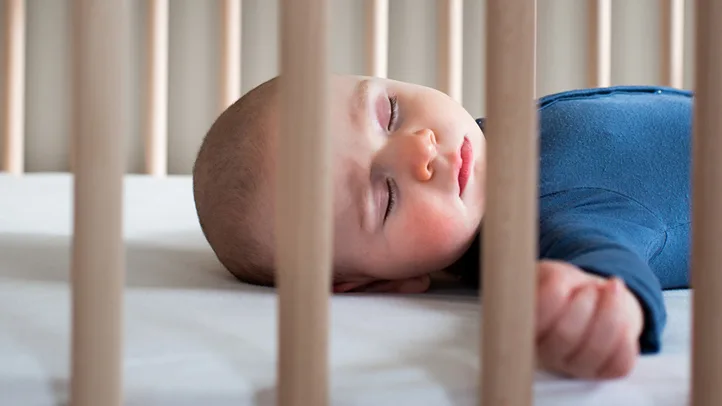
Every parent has seen it: their baby twitches, jerks, or thrashes in sleep, and one night it looks different. Knowing when changing sleep movements need pediatric guidance is genuinely hard, because most movement in a sleeping child is harmless. But some changes are early warning signs worth acting on.
In our research across American Academy of Sleep Medicine (AASM) guidance and CDC seizure resources, one pattern shows up repeatedly: the characteristics of the movement matter far more than the movement itself. Rhythm, duration, and what happens afterward tell you more than any single episode. Below, we'll break down what's normal, what's not, and exactly how to decide.
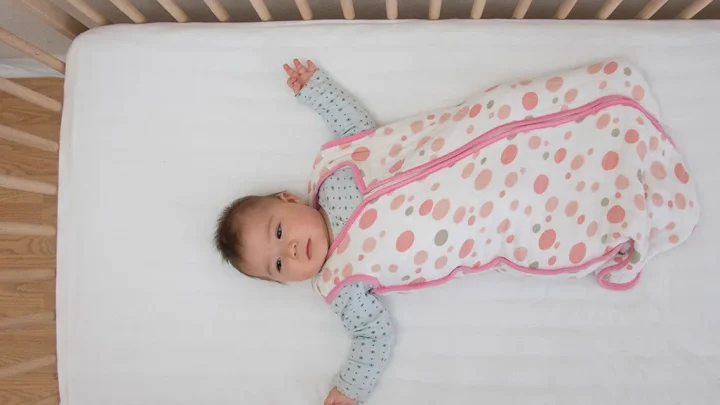
Image source: Bing (Web (fair-use with source credit))
Quick Answer: The 3 Questions That Tell You If It's Time to Call
When changing sleep movements need pediatric guidance comes down to three questions. Is the movement rhythmic and repetitive, like a jackhammer? Does your child stay asleep and act normal afterward, or seem confused and drained?
Has the pattern changed from what you've seen before? Rhythmic movements, post-episode confusion, or a clear pattern change all warrant a call to your pediatrician within days, not months.
What's Normal: How Sleep Movements Change from Newborn to School Age
Babies move a lot in their sleep. That's the first thing to accept, because otherwise every twitch will keep you up at night.
Newborns spend roughly 50% of their sleep in active, REM-like sleep, compared to about 20-25% for adults. That's why young infants twitch their arms, legs, and faces so much. Sleep researchers believe much of this twitching helps wire the developing motor system.
It's a feature, not a bug.
Here's how movement typically evolves:
- Newborn to 3 months: Frequent startles, whole-body jerks at sleep onset, and twitching during active sleep. Almost always benign.
- 3 to 12 months: Twitching decreases. Hypnic jerks (that sudden full-body jolt as they fall asleep) remain common.
- 1 to 5 years: Parasomnias show up. Night terrors, sleepwalking, and sleeptalking peak in this window. Kids often look awake but aren't.
- School age and beyond: Sleep movements quiet down. New rhythmic movements at this age deserve more attention.
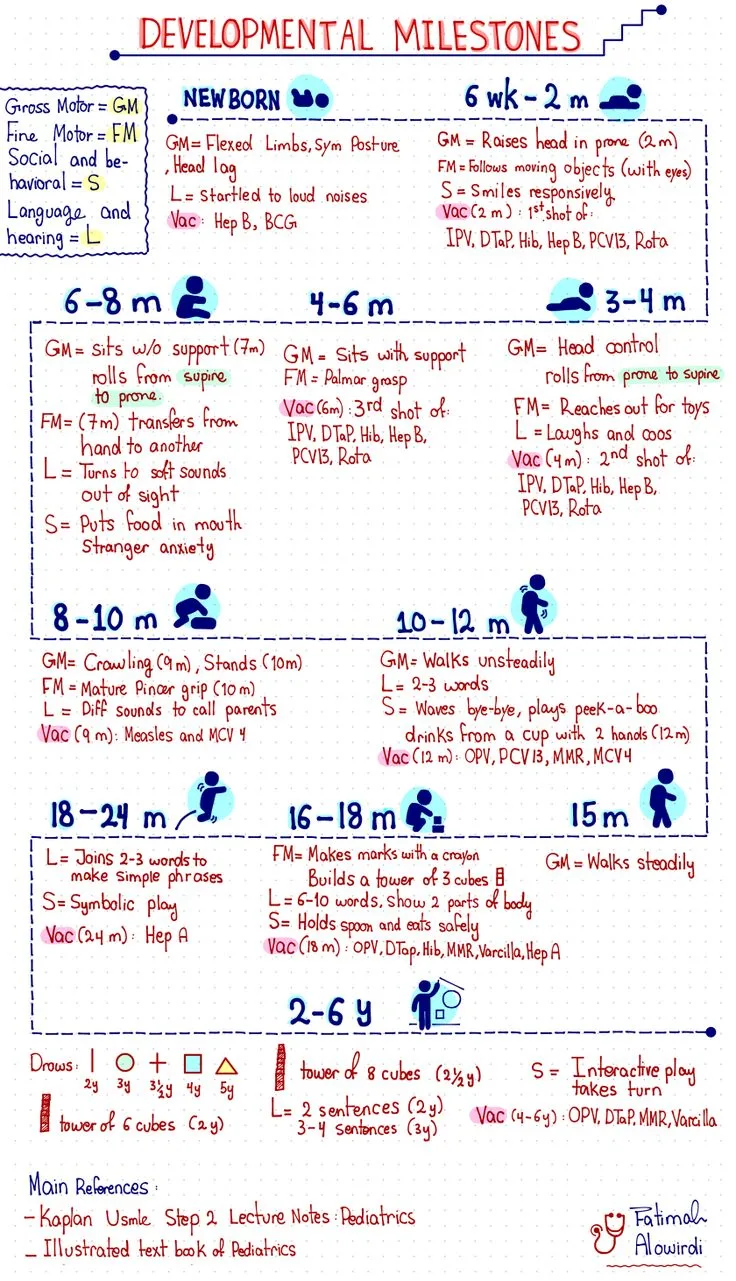
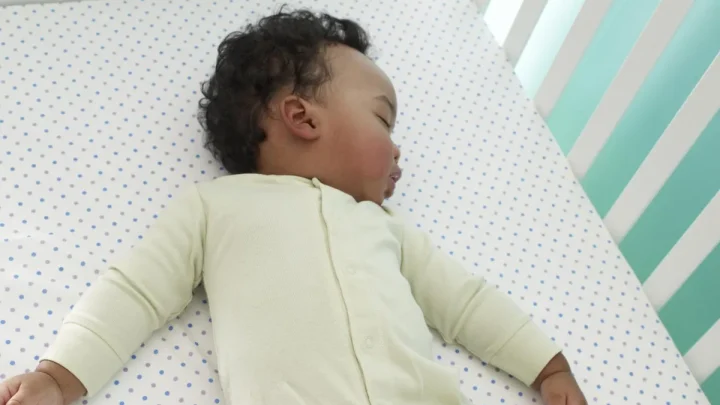
Image source: Web (Bing) / pinterest.com (Web image (fair-use with source credit))
The key insight from sleep medicine: the older the child, the more a new movement pattern matters. A 3-month-old who twitches is expected. A 7-year-old who suddenly develops repetitive jerking every night is not.
If a movement fits the age-typical pattern above, watchful waiting is reasonable. If it doesn't, that's your first trigger to keep reading.
The Movements That Warrant a Pediatric Visit — And the Ones That Don't
Direct answer first: rhythmic, one-sided, or prolonged movements, plus any movement followed by confusion, need pediatric guidance. Everything else usually doesn't.
Pediatricians sort sleep movements into a few buckets. Benign neonatal sleep myoclonus is quick, symmetric jerking in newborns that stops the moment the baby wakes. Hypnic jerks happen only at sleep onset.
Parasomnias like night terrors are messy but harmless. Then there are the outliers: seizures, periodic limb movement disorder, and restless legs syndrome (RLS), which affect an estimated 2-4% of school-age children.
Here's the practical breakdown:
| Movement | Typical presentation | Action |
|---|---|---|
| Benign sleep twitching | Symmetric, brief, stops when child wakes | Monitor at home |
| Hypnic jerks | Single jolt at sleep onset | No action needed |
| Night terrors | Child sits up, cries, unresponsive, no memory after | Usually outgrown; mention at next visit |
| Rhythmic jerking in sleep | Same body part, repeated like a metronome | Call the pediatrician within days |
| Movement + blue lips or labored breathing | Any presentation | Emergency care now |
Side-by-Side: Normal Twitching vs. Warning Signs
The distinction comes down to four attributes:
- Rhythm: Benign twitches are random and scattered. Seizure activity is metronomic, repeating at a steady pace for 20-30 seconds or longer.
- Symmetry: Both sides of the body moving randomly is reassuring. One arm or one side of the face working alone is not.
- Arousal: Gently rouse your child. If the movement stops the instant they wake, that strongly favors benign myoclonus. Seizures don't stop when the child wakes.
- Recovery: A child who groans, rolls over, and sleeps on is fine. A child who's confused, limp, or excessively sleepy for hours afterward needs evaluation.
That fourth point is the one parents miss most often. The episode ends and everyone exhales, but the recovery window carries the real diagnostic weight.
How to Document an Episode Before You Call the Doctor
If you've decided a visit is warranted, documentation is your best tool. Sleep movements rarely perform on schedule in a clinic room, so what you bring matters more than what the doctor observes live.
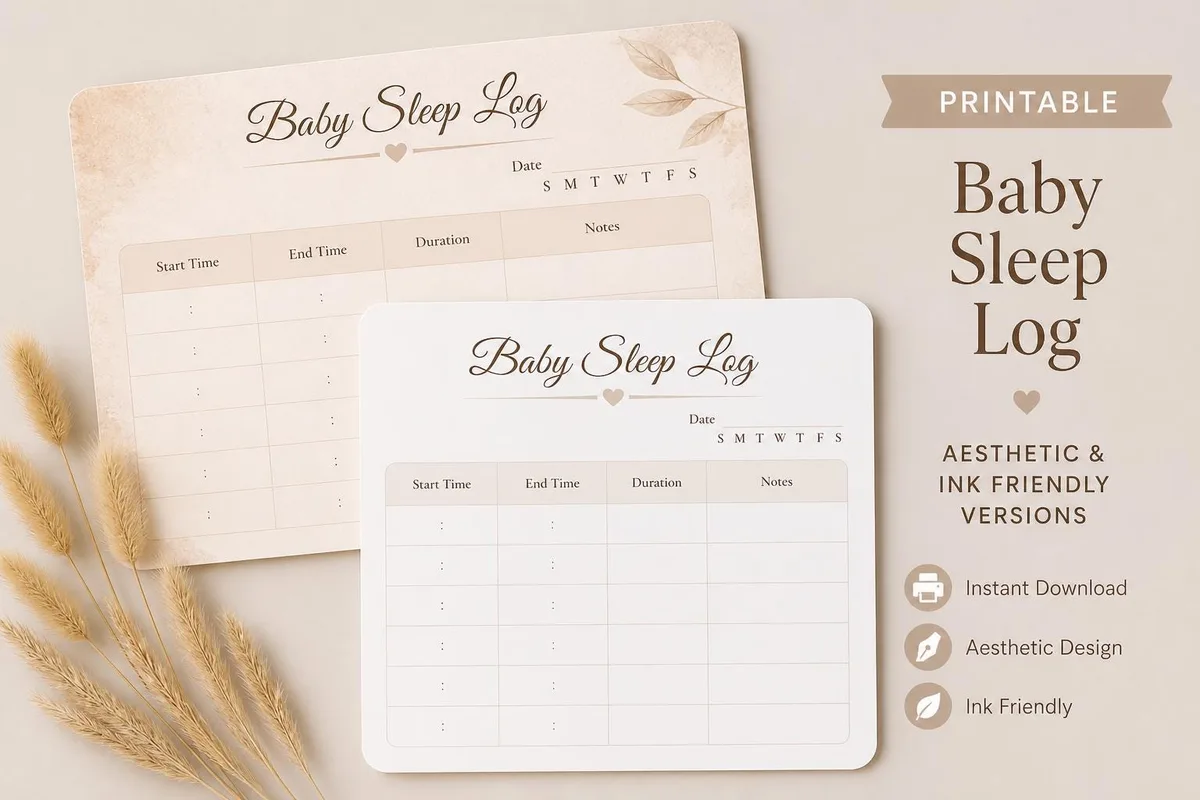
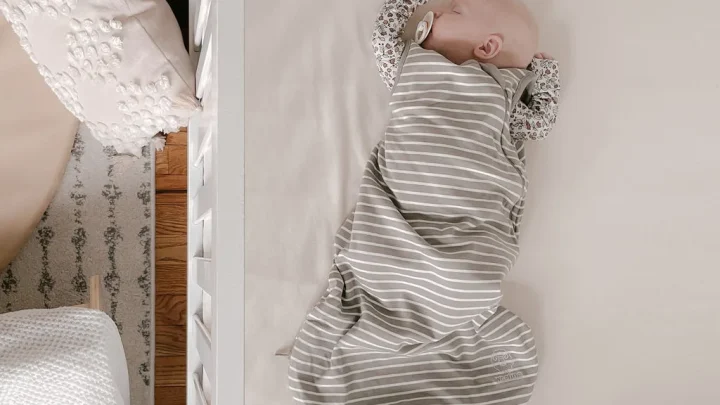
Image source: Web (Bing) / sleepiverse.com (Web image (fair-use with source credit))
Your phone camera is the single most valuable diagnostic aid here. A 30-second video of an episode does more than any verbal description. According to guidance from the American Academy of Pediatrics (AAP), event recordings frequently shorten the path to diagnosis, sometimes avoiding an overnight hospital admission just to catch an episode.
Record these details for each episode:
- Time it started and how long it lasted (estimate in seconds, honestly)
- What it looked like: which body parts, rhythmic or random, symmetric or one-sided
- Sleep stage: just fallen asleep, deep asleep, or near waking
- Whether they woke and how they behaved afterward
- Anything unusual that day: fever, new medication, missed naps, illness, head bump
Keep it simple. A note on your phone or a basic log is enough. Don't try to record every single night; three documented episodes with consistent features beats a month of exhausted note-taking.
If episodes happen nightly, one or two good videos plus written details gives your pediatrician almost everything they need.
Red Flags That Mean Immediate Care, Not a Wait-and-See Approach
Some situations skip the scheduling step entirely. If any of the following happen, seek emergency care the same night:
- A convulsive seizure lasting over 5 minutes. This is a medical emergency called status epilepticus. Call emergency services.
- Blue or gray lips, or labored, irregular breathing during or after the episode.
- Your child cannot be roused when the movement stops.
- A first-time seizure, with or without fever. The CDC's seizure first aid guidance is clear that a first seizure always needs medical evaluation.
- A seizure with fever in an infant under 12 months, or repeated febrile seizures in one illness.
- Head injury before the movement started.
A febrile seizure (a seizure triggered by fever) affects roughly 2-5% of children between 6 months and 5 years, and most are brief and benign. Even so, the first one earns a same-day medical assessment. Don't wait to see if it happens again.
One more safety note: if your child is actively seizing, don't restrain them or put anything in their mouth. Turn them gently onto their side, clear the area, and time the episode. Per NINDS guidance, timing matters clinically, so check your watch or phone clock and note when it started.
Everything else, the rhythmic jerking, the post-episode grogginess, the pattern shifts, falls into the "call the pediatrician within a few days" tier rather than the emergency room tier. Knowing which tier you're in is most of the battle.
Mistakes Parents Make When Evaluating Sleep Movements
The most common mistake is the easiest one: reviewing the episode at 3 a.m. and deciding at 3:05 a.m. what it meant. Judgment is worse when you're exhausted. If you're unsure, note the details and reassess in daylight.
Other frequent errors:
- Only one category of mistake, but two directions. Some parents overreact and rush to the ER for a single hypnic jerk. Others wait months on rhythmic jerking because a forum said kids "grow out of it." Both cost something.
- Describing instead of recording. "He was shaking" can mean ten different things. A video removes the guesswork.
- Checking on the movement instead of the child. Parents watch the jerking so closely they miss the recovery behavior, which carries more diagnostic weight.
- Interrupting the episode. Don't shake a child awake mid-episode to test them. Gently rouse only if it's safe and brief, then let the recording capture what happened.
- Comparing siblings. An older child's sleep patterns say nothing reliable about a younger one's.
One more that deserves its own mention: self-diagnosing from symptom checkers. Editorial analysis of these tools consistently shows they default to the most alarming interpretation for movement symptoms. They're designed to avoid missed emergencies, not to reassure.
Use them as a prompt to call, never as a verdict.
FAQs
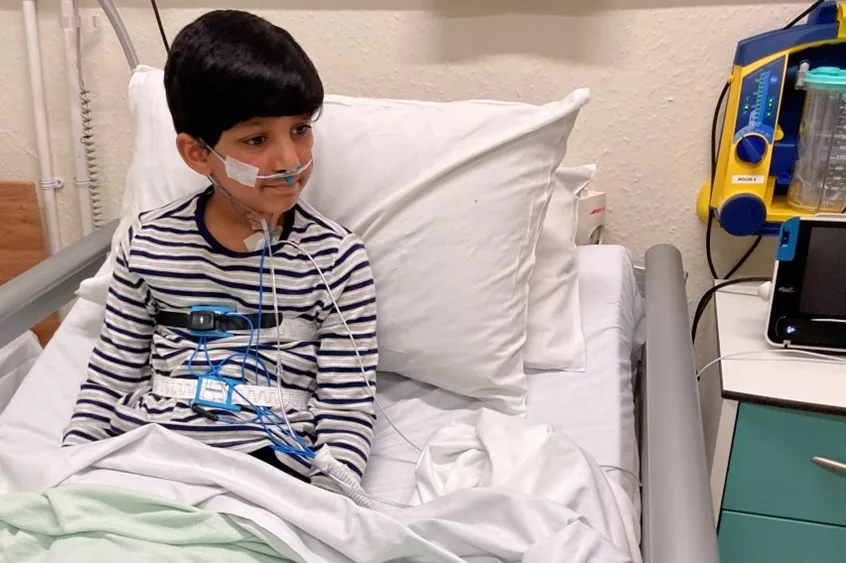
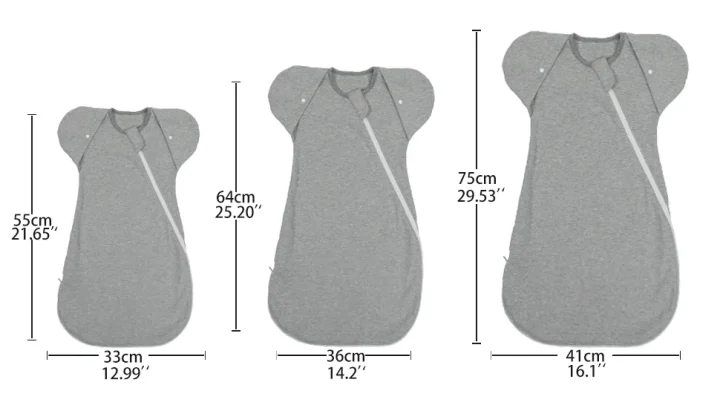
Image source: Web (Bing) / shuteye.ai (Web image (fair-use with source credit))
What is benign neonatal sleep myoclonus?
It's brief, symmetric jerking of the arms, legs, or face in newborns during sleep. The defining feature is that it stops immediately when the baby wakes. It's harmless, typically resolves within the first few months, and needs no treatment.
Should I wake my child to check if the movements stop?
If the movement is mild and random, a gentle rouse is reasonable. If the twitching stops when they wake, that's reassuring. Never forcefully wake or restrain a child during a rhythmic, seizure-like episode.
Turn them on their side and time it instead.
Will the pediatrician order a sleep study?
Not usually as a first step. Most cases resolve with observation and a video or diary. If episodes are frequent or unexplained, your pediatrician may refer you for a pediatric polysomnography (an overnight sleep study) or an EEG to record brain activity.
As of 2026, home-based sleep studies are increasingly common for older children.
Can teething or growth spurts change sleep movements?
Teething discomfort can make sleep restless and increase squirming or brief wakings. That's different from new rhythmic or one-sided movements. If restlessness settles once the tooth arrives, it was likely discomfort.
If a new movement pattern persists after, bring it up at the pediatrician.
How do I tell night terrors from a seizure?
Night terrors usually start one to three hours after falling asleep. The child may sit up, cry, and thrash, but their eyes are open yet unresponsive, and they remember nothing in the morning. Seizures are typically rhythmic, may involve stiffening, and are followed by confusion or deep sleepiness.
When in doubt, record it and ask.
When should movements be checked after a head injury?
Any new sleep movement within days of a head injury deserves same-day evaluation, even a minor-looking bump. New twitching, jerkiness, or unusual drowsiness after a fall can signal an evolving brain injury. Don't apply the usual wait-and-see rules in this scenario.
The Bottom Line: Trust the Pattern, Not Just the Episode
A single odd night rarely means much. A pattern tells you everything. If you remember one framework, make it this: if the movement is rhythmic, one-sided, or followed by confusion, call the pediatrician within days.
If the movement stops when your child wakes and they bounce back normally, monitor and document.
Your job isn't to diagnose. It's to observe accurately, record what you see, and act on the red flags we've covered. Bring the video, bring the notes, and let your pediatrician make the call.
That's the whole playbook, and it works.

Similar Posts