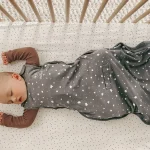
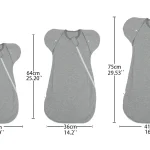
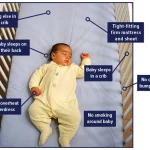
How to Choose an Arms-Free Sleep Suit: Expert Tips
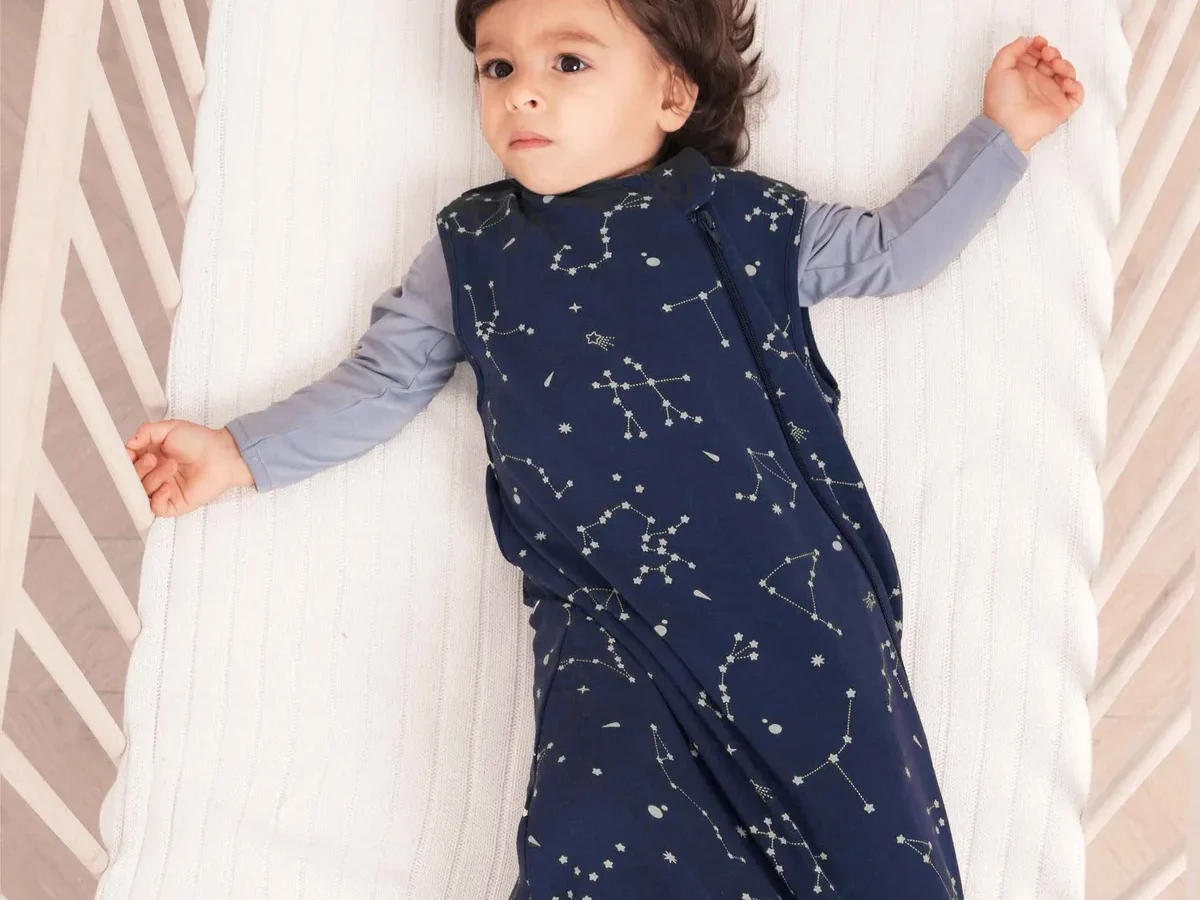
Your baby has learned to roll, or maybe they're busting out of the swaddle every night. Either way, you've hit the point where figuring out how to choose an arms free sleep sack suddenly matters. The good news is the decision isn't as complicated as the product pages make it look.
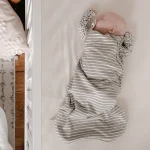
A sleep sack is a wearable blanket, and an arms free version leaves your baby's shoulders and hands uncovered so they can self-soothe. Sizing should follow weight, not age, and warmth is set by the TOG rating, a standard thermal measure most manufacturers publish. Get those two right and you're most of the way there.
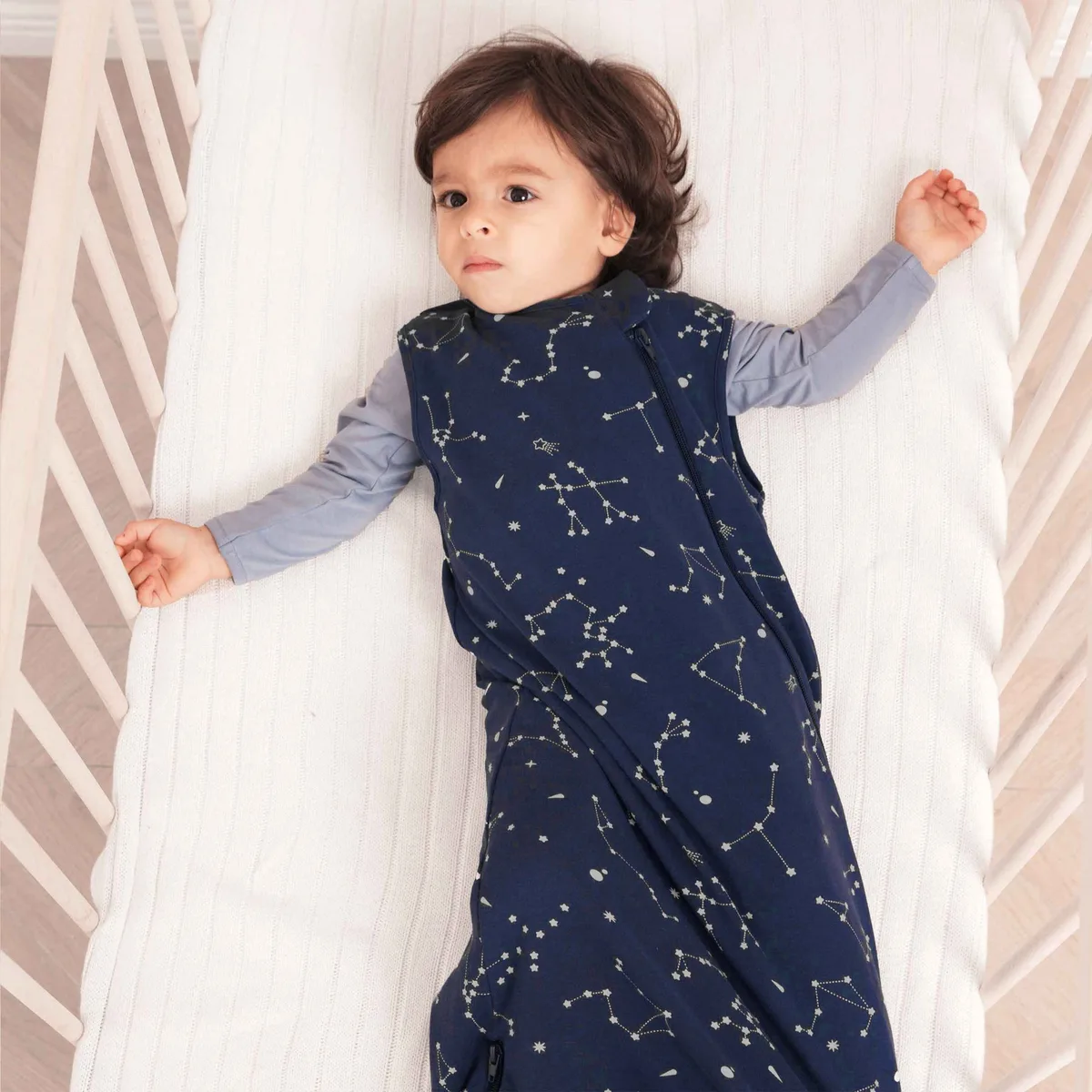
Image source: Bing (Web (fair-use with source credit))
Quick Answer
To choose an arms free sleep sack, size it by your baby's current weight and height. Pick a TOG rating that matches your nursery temperature. Confirm your baby is rolling or outgrowing the swaddle before switching.
Check that the neck and armholes fit snugly with no gaps. Avoid any weighted sleep sack entirely.
Why You're Ditching the Swaddle (And Why an Arms-Free Sack Makes Sense)
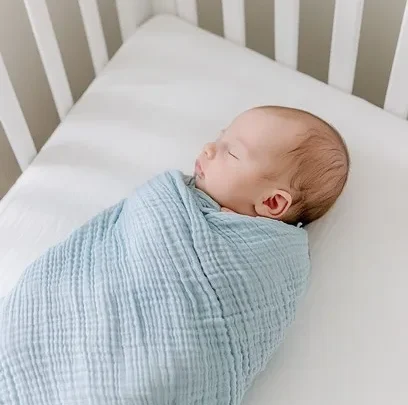
The swaddle served you well. It dampened the Moro reflex, that startle jerk newborns have, and helped your baby sleep longer stretches. But it has a hard expiration date.
The trigger is rolling. Once your baby can roll in either direction, a swaddle becomes unsafe because their arms can't push them off their stomach. The American Academy of Pediatrics recommends stopping swaddling the moment rolling starts, which typically happens between 3 and 5 months.
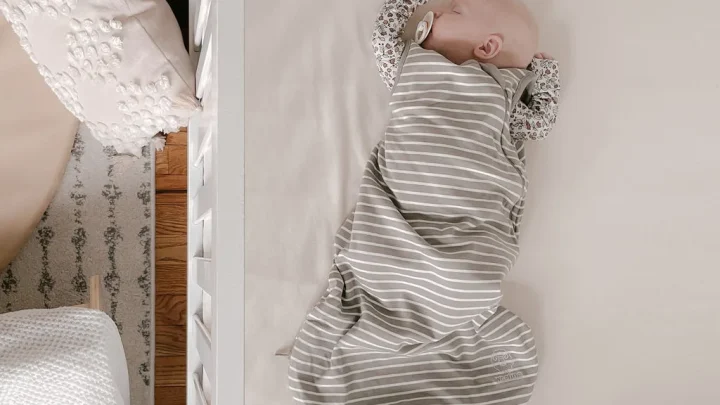
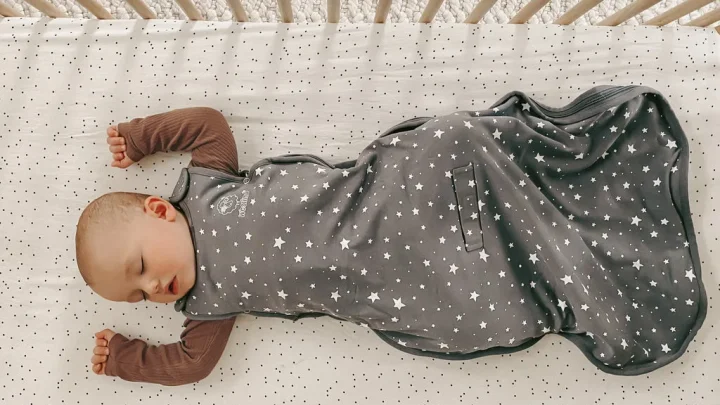
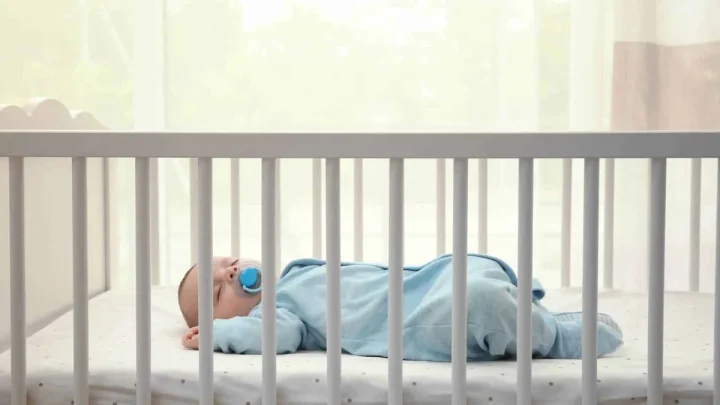
An arms free sleep sack solves both problems at once. Your baby keeps their hands, so they can suck a thumb or rub their face and settle themselves. The loose, hip-healthy leg pouch keeps them warm without any loose bedding in the crib.
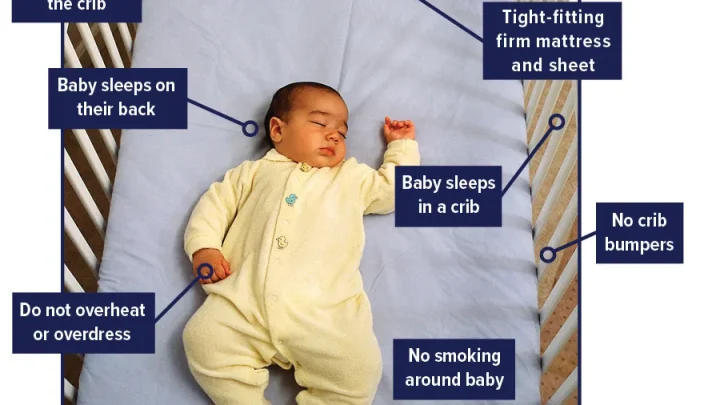
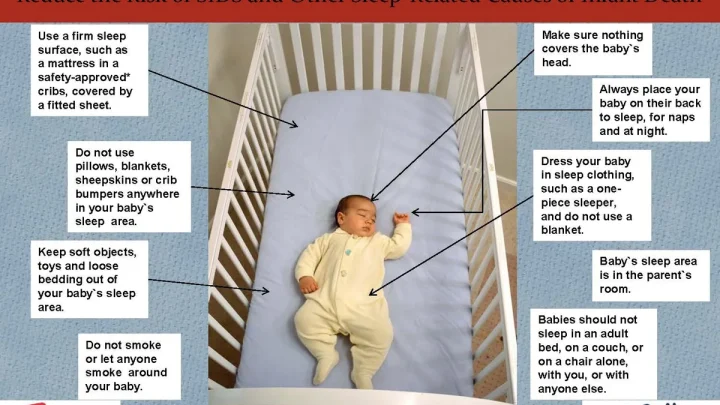
Per safe-sleep guidance from the NIH Safe to Sleep campaign, the crib should hold nothing but your baby and their sleepwear until age 12 months.
There's an adjustment period. Aggregate parent reviews consistently report one to two weeks of rougher sleep while your baby adapts to open shoulders. That's normal, and the right sack shortens it.
Quick Answer: The 3-Question Test for Picking the Right One
If you only remember three things, make them these. Run through them in order before you buy anything.
- Is your baby rolling or breaking out of the swaddle? If yes, an arms free sack is the right call. If they're not rolling yet but fighting the swaddle, a one-arm-out transitional swaddle may come first.
- What's your actual nursery temperature? Use a thermometer, not your guess. The common target is 68 to 72°F.
- What does your baby weigh right now? Not what the tag says by age. Weight determines the fit.
That's the whole framework. Everything below fills in the details on each branch.
The Decision Tree: Age, Rolling, and Room Temperature
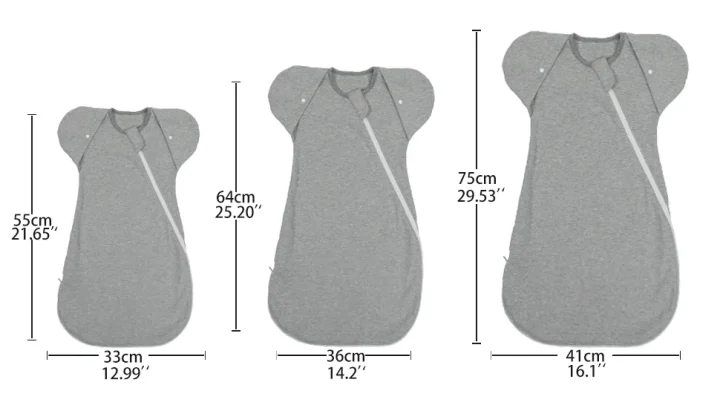
If your baby has started rolling, skip straight to a fully arms free sack. If they haven't rolled but have outgrown their swaddle by weight, you can try a transitional design first. Most brands like Love To Dream and HALO make versions with sleeves or fasteners that release one arm at a time.
Image source: Bing (Web (fair-use with source credit))
Here's the branch logic in plain terms:
- If baby is rolling (or rolling attempts are happening during tummy time): go arms free now. Don't wait.
- If baby is 8 to 12 weeks old and fighting the swaddle but not rolling: a one-arm-out transitional sack buys you a few weeks.
- If baby is past 6 months and still swaddled: move to arms free regardless. The startle reflex has faded by then.
Then match warmth to your room. TOG (thermal overall grade) measures insulation. Lower numbers mean lighter fabric.
Manufacturer TOG charts vary slightly, but the ranges below are typical as of 2026.
| Room temp | TOG to pick | Layer underneath |
|---|---|---|
| 73–77°F (23–25°C) | 0.2–0.5 | Short-sleeve onesie or diaper only |
| 68–73°F (20–23°C) | 1.0 | Short-sleeve onesie |
| 64–68°F (18–20°C) | 2.5 | Long-sleeve bodysuit |
When in doubt, dress lighter. Overheating is the bigger risk, and we'll cover the warning signs shortly.
Sizing and Fit: Weight, Not Age
Sizing errors are the most common mistake in parent reviews, and it's usually buying by age. A "6-month" sack from one brand may fit a 16-pound baby while another brand's fits 20 pounds. Always check the weight range on the label against your baby's current weight.
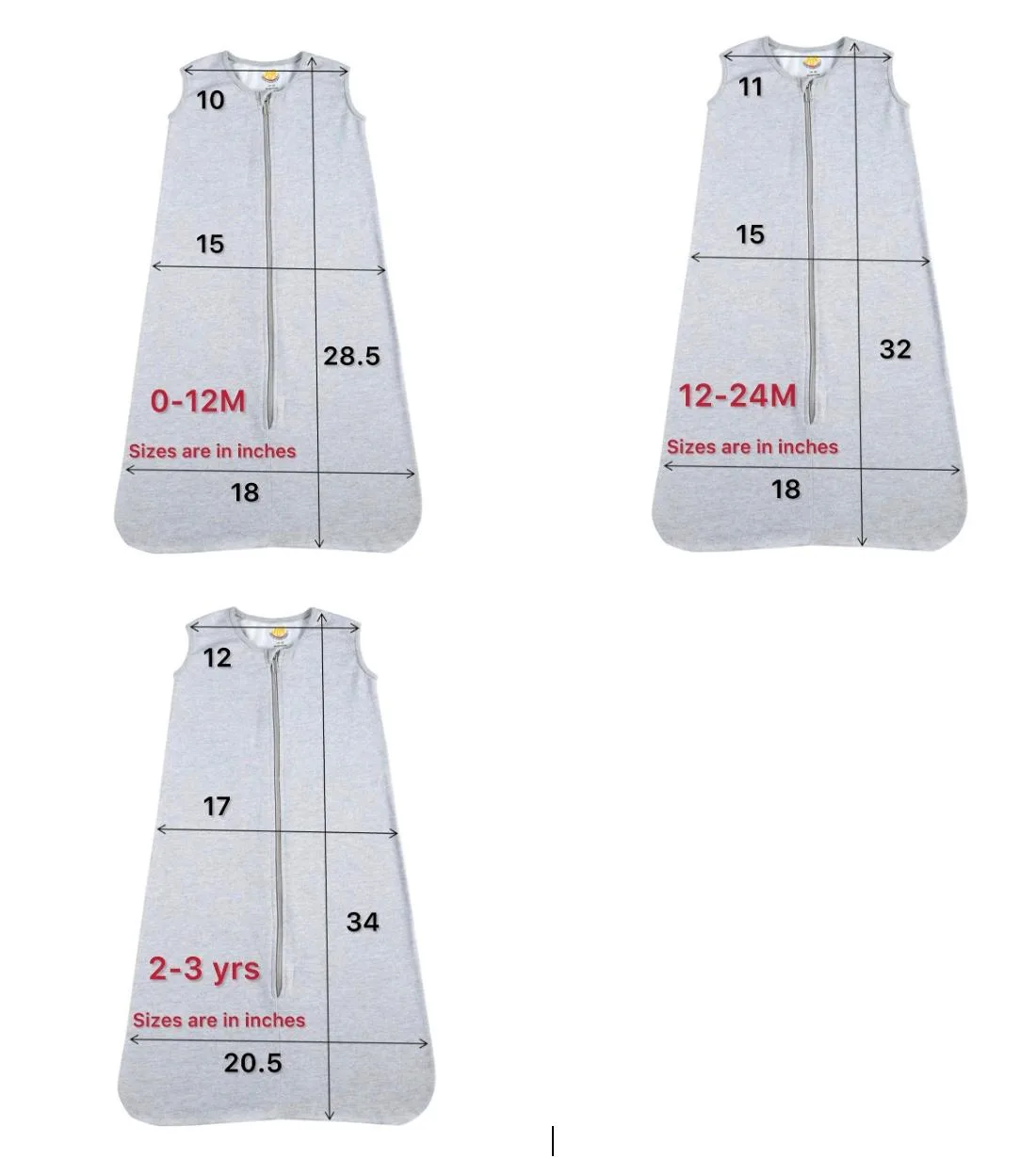
Image source: Bing (Web (fair-use with source credit))
How a proper fit should look
Three checkpoints tell you instantly if a sack fits right.
- Neckline: snug enough that it doesn't gape open when baby stands or sits. You want two fingers to fit, no more.
- Armholes: close to the shoulder with no gaping. Big armholes let baby slip down inside the sack.
- Hem: baby's feet should move freely inside the pouch. The sack should never cover the feet in a footed style, and the leg area should stay loose for healthy hip development.
If your baby sits between two sizes, size up in length but only if the neck still fits. A too-big neck is the one fit failure you can't compromise on.
Fabric and closure features worth paying for
In our research across manufacturer specs and buyer feedback, a few features consistently earn their cost.
- Two-way or inverted zipper: lets you change a diaper from the bottom without fully waking the baby.
- Breathable fabric: organic cotton, muslin, or bamboo viscose. Merino wool is the best temperature regulator but costs more.
- Machine washable, low shrinkage: you'll wash this constantly. Cotton shrinks; bamboo holds shape better.
- Shoulder snaps on transitional styles: useful if you want a gradual release path.
5 Mistakes Parents Make With Arms-Free Sleep Sacks
These five errors show up over and over in verified buyer reviews and parent forums. Each one is avoidable.
- Buying by age instead of weight. The number one complaint. Check the pound range every time.
- Guessing the room temperature. Parents routinely overestimate how warm a nursery is. A cheap digital thermometer removes the guesswork.
- Picking too high a TOG. A 2.5 TOG sack in a 74°F room is too much, even with just a onesie underneath. Hot babies wake more, not less.
- Overdressing underneath. The sack replaces blankets and often replaces a layer of pajamas. One light layer under most sacks is plenty.
- Keeping a swaddle too long. If rolling has started, the transition is overdue. Waiting because "sleep is finally good" is the exact wrong trade.
One bonus mistake: buying weighted sleep sacks. We'll cover why in the next section, but the short version is that safety agencies have flagged them, so don't.
Safety Rules You Can't Skip: AAP Guidance, Weighted Products, and Overheating Cues
A sleep sack is one of the safest things you can put a baby in, but only if you follow the rules. Per the Consumer Product Safety Commission, you should avoid any weighted sleep sack or weighted swaddle. Brands like Dreamland Baby market weighted designs, and the CPSC has warned that added weight on an infant's chest can restrict breathing.
Skip them entirely.
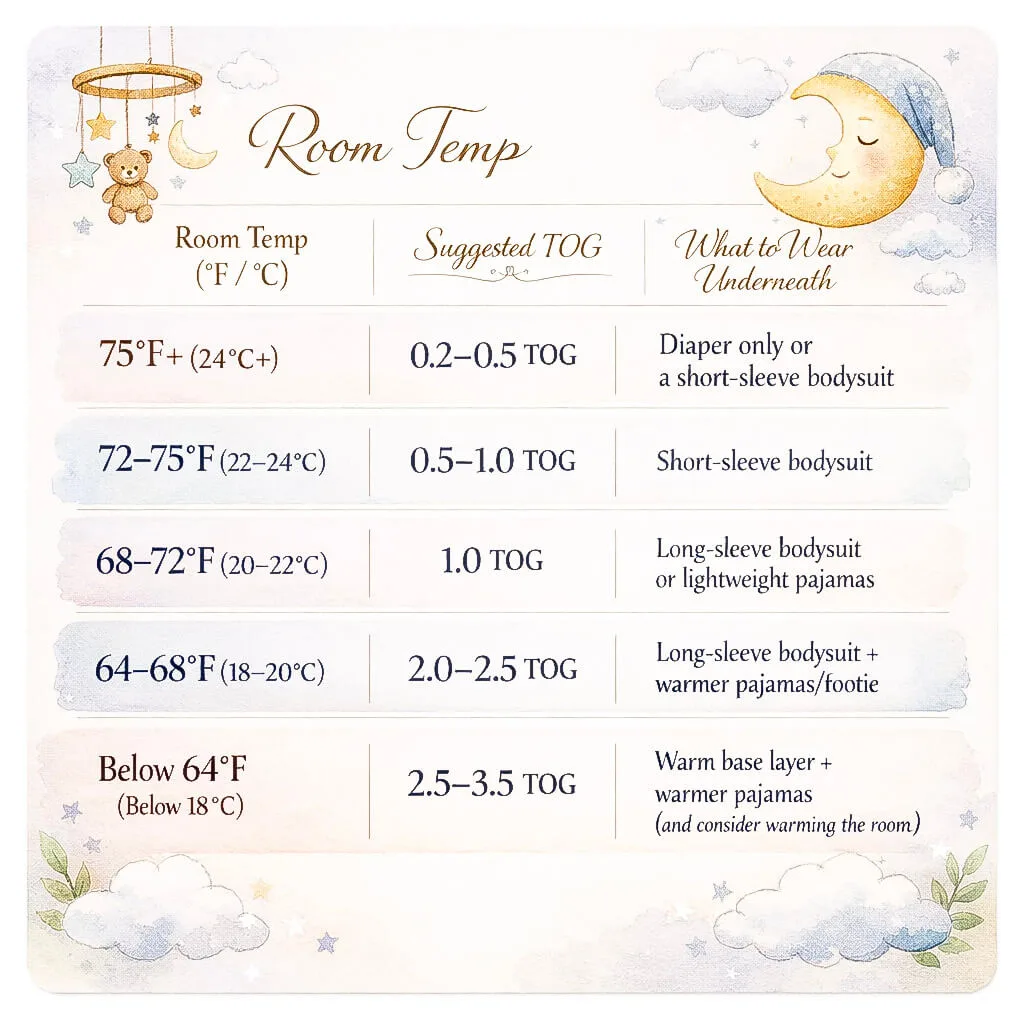
Image source: Bing (Web (fair-use with source credit))
Overheating is the other big risk, and it's tied to SIDS risk in AAP guidance. Learn the warning signs and check for them on night wakings:
- Sweaty neck or hair (damp at the roots)
- Flushed cheeks
- Heat rash on the chest or back
- Rapid breathing
If you spot any of these, remove a layer underneath or drop a TOG level. Hands and feet run cool in babies. That's normal, so don't layer up because of cold fingers.
A few final non-negotiables. The sack should have no hood, no drawstrings, and nothing loose near the face. The leg pouch must stay roomy for healthy hip movement, which is why the International Hip Dysplasia Institute endorses wide, loose designs.
And the crib stays empty besides the sack. No pillows, no positioners, no blankets.
FAQs
When should I switch my baby to an arms free sleep sack?
Switch as soon as your baby shows any rolling, usually between 3 and 5 months. If they're breaking out of the swaddle but not rolling yet, a one-arm-out transitional style can bridge the gap. Past 6 months, go arms free regardless of rolling, since the startle reflex fades by then.
What TOG sleep sack should I pick for my nursery?
Match the TOG to your actual room temperature. Use a 0.2 to 0.5 TOG sack for rooms around 73 to 77°F, a 1.0 TOG for 68 to 73°F, and a 2.5 TOG for 64 to 68°F. Dress your baby in one light layer underneath.
Check manufacturer charts, since they vary slightly by brand.
Should I size up in a sleep sack so it lasts longer?
Size up only if the neckline still fits snugly. A gaping neck is the one failure you can't compromise on, because a baby can slip down inside the sack. If the bigger size has a loose neck, buy the current size and budget for the next one in a few months.
Are weighted sleep sacks safe for babies?
No. The CPSC has warned against weighted infant sleep products because added weight on the chest can make breathing harder. Major pediatric guidance advises against them.
A properly fitted, non-weighted sack keeps a baby just as secure without that risk.
How long does it take a baby to adjust to an arms free sleep sack?
Most babies adjust within one to two weeks, based on aggregate parent reports. Expect a few rough nights as they get used to open shoulders. Keeping your bedtime routine identical helps.
If they were able to self-soothe with hands before the swaddle, adjustment is usually faster.
Do I still need pajamas under a sleep sack?
Usually just one light layer, like a short-sleeve onesie. The sack replaces blankets, and it often replaces a layer of pajamas too. In a warm room above 73°F, a diaper or onesie alone is fine.
Check the sweaty-neck test on wake-ups to confirm you haven't overdressed.
Your Final Pick: A Simple Decision Guide by Scenario
Here's the whole decision tree compressed into common situations. Find yours and act.
- Baby is rolling, warm house (72°F+): 0.5 TOG sleeveless sack, short-sleeve onesie underneath.
- Baby is rolling, standard nursery (68 to 72°F): 1.0 TOG in cotton or bamboo, onesie underneath.
- Baby is rolling, cold house (below 68°F): 2.5 TOG with a long-sleeve bodysuit underneath.
- Baby fighting the swaddle but not rolling yet: one-arm-out transitional sack, then switch to arms free when rolling starts.
- Daycare-bound baby: a simple zip-up cotton sack in a 1.0 TOG. Most centers require it and appreciate the easy two-way zipper.
- Hot climate or summer baby: 0.2 TOG muslin, diaper only underneath.
Whatever your scenario, the checklist stays the same. Weight-based size, temperature-matched TOG, snug neck, roomy hips, no weights. Get those five right and you've done everything that matters.

Similar Posts