How to Keep Your Baby From Overheating During Sleep
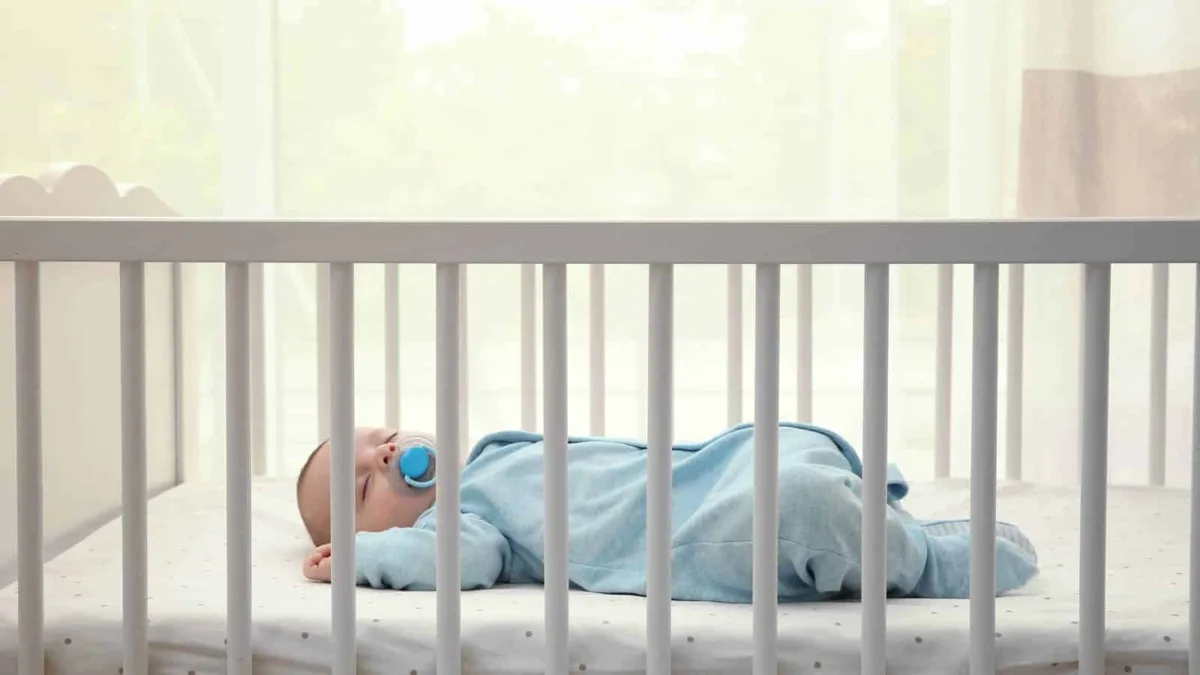
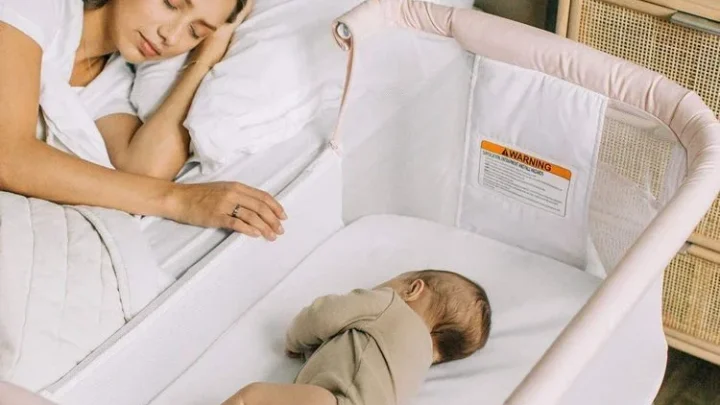
If you've ever tiptoed into the nursery at 2 a.m. and wondered whether your baby is sweating under all those layers, you're asking the right question. Knowing how to prevent a baby becoming overheated during sleep comes down to three things: room temperature, sleepwear layers, and skipping the extras like hats and loose blankets. Get those right and you've covered most of the risk.
Here's why this matters more than most baby worries. Overheating is a recognized risk factor for SIDS (Sudden Infant Death Syndrome), and risk peaks between 2 and 4 months of age. The American Academy of Pediatrics recommends keeping the sleep environment at a comfortable temperature for a lightly clothed adult, which most nurseries hit at around 68 to 72°F (20 to 22°C).
Let's start with why this risk is real.
Image source: Bing (Web (fair-use with source credit))
Why Overheating During Sleep Is a Real Risk for Babies
The Link Between Overheating and SIDS
Thermal stress and SIDS are connected in the research, and the connection shows up consistently. Studies of infants who died of SIDS found they were more likely to be overbundled, in hot rooms, or wearing head coverings during sleep. Per Safe to Sleep guidance from the NIH, overheating increases a baby's sleep depth and can blunt the arousal response that normally wakes a baby when breathing is compromised.
That arousal response is the whole point. A baby who's too hot sleeps deeper and is less likely to wake if something goes wrong. We can't eliminate every risk, but heat is one of the few parents control directly, night after night.
Why Newborns Can't Regulate Their Own Temperature
Babies aren't small adults when it comes to heat. A newborn's thermoregulation system, meaning the body's ability to hold a steady core temperature, is still immature for the first few months. They also have a much higher surface-area-to-weight ratio than we do, so they gain and lose heat faster.
Two things follow from that. First, babies overheat quickly when we add layers, because they can't sweat effectively to cool down. Second, the head is the main escape valve for body heat.
Covering it with a hat indoors traps heat exactly where the body tries to dump it. Save the hats for outdoors in winter.
Quick Answer: How to Keep Your Baby Cool and Safe Tonight
The best way to prevent a baby overheating during sleep is to keep the nursery between 68 and 72°F, dress your baby in no more than one layer more than you'd wear, and put them down on their back with no hat, no loose blankets, and no weighted products. Check warmth by feeling the chest or back of the neck, not the hands. Skin should feel warm and dry, never sweaty.
Remove a layer if it feels hot or damp.
Signs Your Baby Is Too Hot (And How to Check Properly)
The Chest and Neck Touch Test
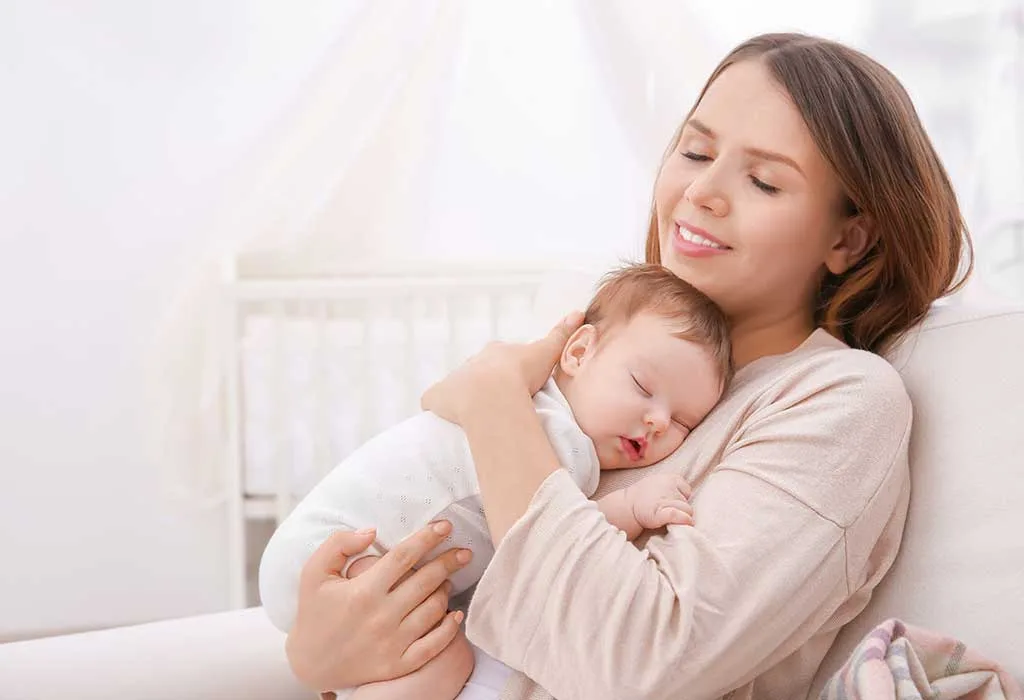
Image source: Bing (Web (fair-use with source credit))
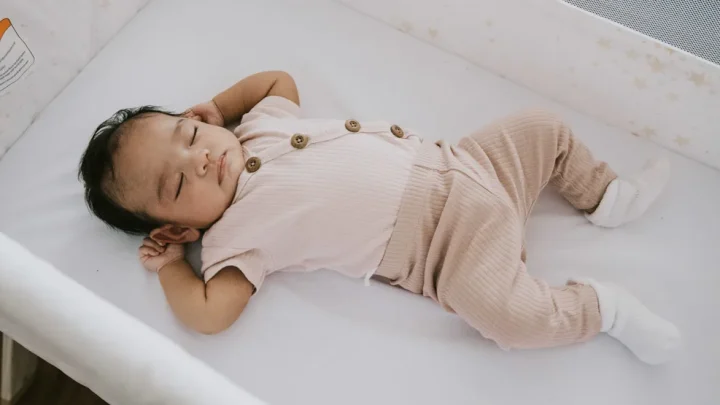
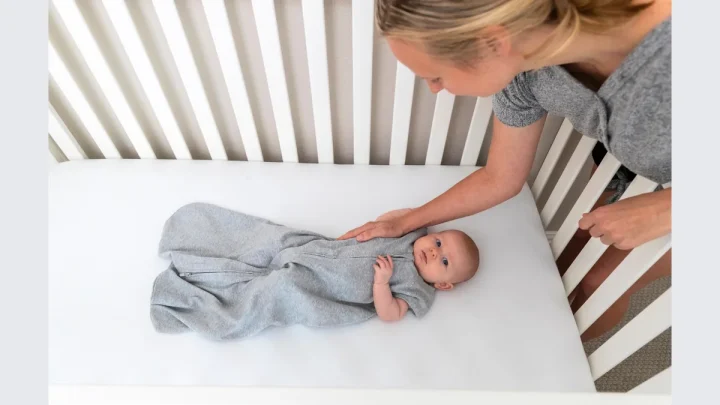
The fastest check takes three seconds. Slip your hand inside your baby's sleepwear and feel the chest or the back of the neck. Warm and dry means they're fine.
Hot, clammy, or sweaty means remove a layer right away and recheck in 15 minutes.
Watch for these signs during any night check:
- Sweating, especially damp hair at the hairline
- Flushed or red cheeks
- Heat rash (tiny red bumps on the neck, chest, or diaper area)
- Rapid breathing
- Restlessness or unusual fussiness that settles once a layer comes off
If the chest feels cold or the baby is shivering, that's the opposite problem. Add a layer.
Why Cool Hands and Feet Are Normal
Here's the mistake almost every new parent makes. Babies' hands and feet run cool because their circulation is still developing, and that's completely normal in the first few months. If you judge warmth by the hands, you'll bundle your baby every single time.
Ignore the extremities. The chest and neck tell you the truth about core temperature. Once you trust the touch test, you'll stop second-guessing the layers at 2 a.m.
Dressing Your Baby for Sleep by Room Temperature
Understanding TOG Ratings and Sleep Sacks
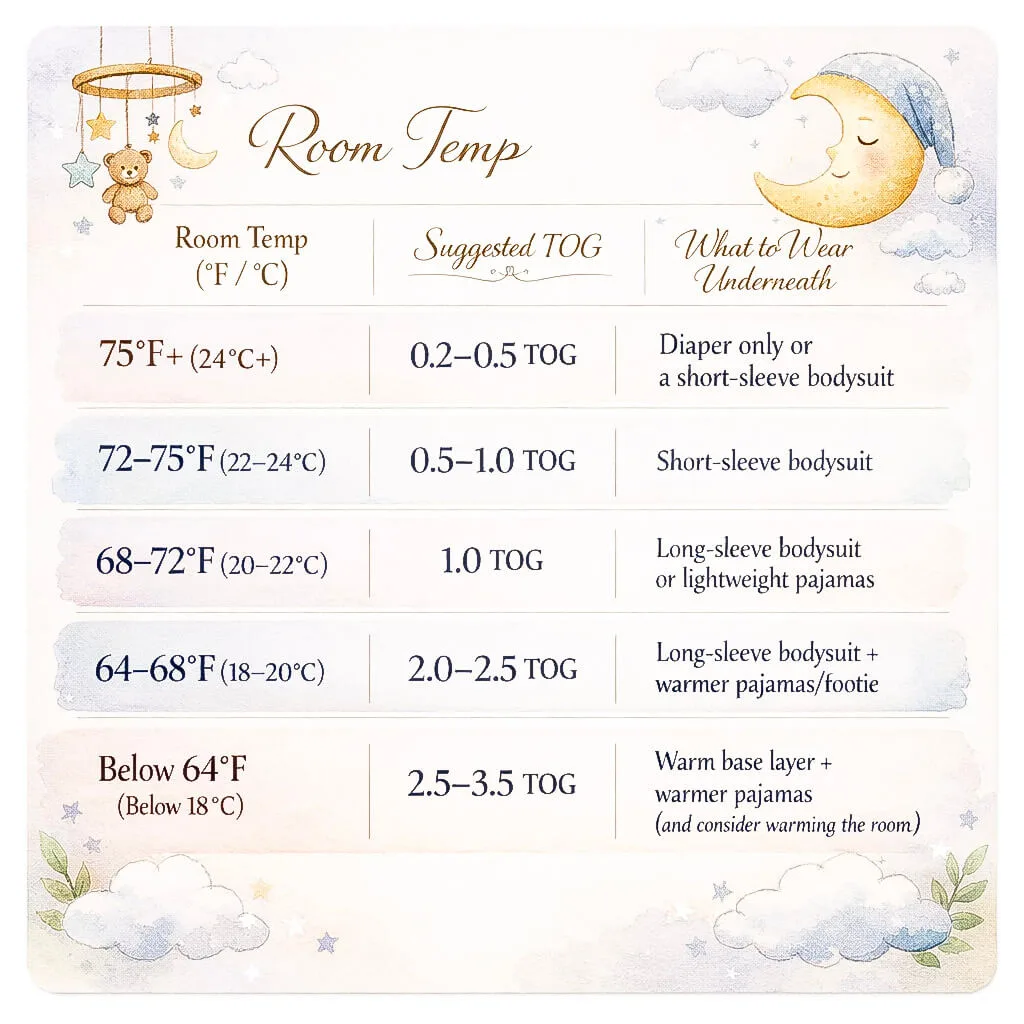
Image source: Bing (Web (fair-use with source credit))
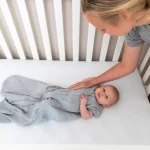
A wearable blanket, usually called a sleep sack, replaces loose bedding entirely. TOG (thermal overall grade) is the insulation rating manufacturers assign to sleepwear, and it's the single most useful number on the tag. Lower TOG means less insulation.
Manufacturer TOG guides follow the same basic pattern, shown below.
| Room temp | TOG | What baby wears underneath |
|---|---|---|
| 75°F+ (24°C+) | 0.2 | Diaper only or short-sleeve onesie |
| 68–74°F (20–23°C) | 0.5 | Short or long-sleeve bodysuit |
| 61–71°F (16–21°C) | 1.0 | Long-sleeve bodysuit plus footed pajamas |
| Below 61°F (16°C) | 2.0–2.5 | Full layering; reconsider the room temp first |
The exact pairing varies slightly by brand, so check the chart printed on the sleep sack itself or the manufacturer's site. When in doubt, go lighter. Babies wake and complain when they're cold; overheating is silent and dangerous.
The "One More Layer Than You" Rule
If you want one rule to carry through every season, it's this: dress your baby in one layer more than what keeps you comfortable sleeping in the same room. If you sleep in a t-shirt, a bodysuit plus a 0.5 TOG sleep sack is plenty. If you'd melt under a duvet, your baby doesn't need a 2.5 TOG sack and pajamas.
Resist the urge to compensate for a drafty-feeling room with extra layers. Fix the room instead, and recheck with the touch test on the first night after any change.
Setting Up a Sleep-Safe, Cool Nursery
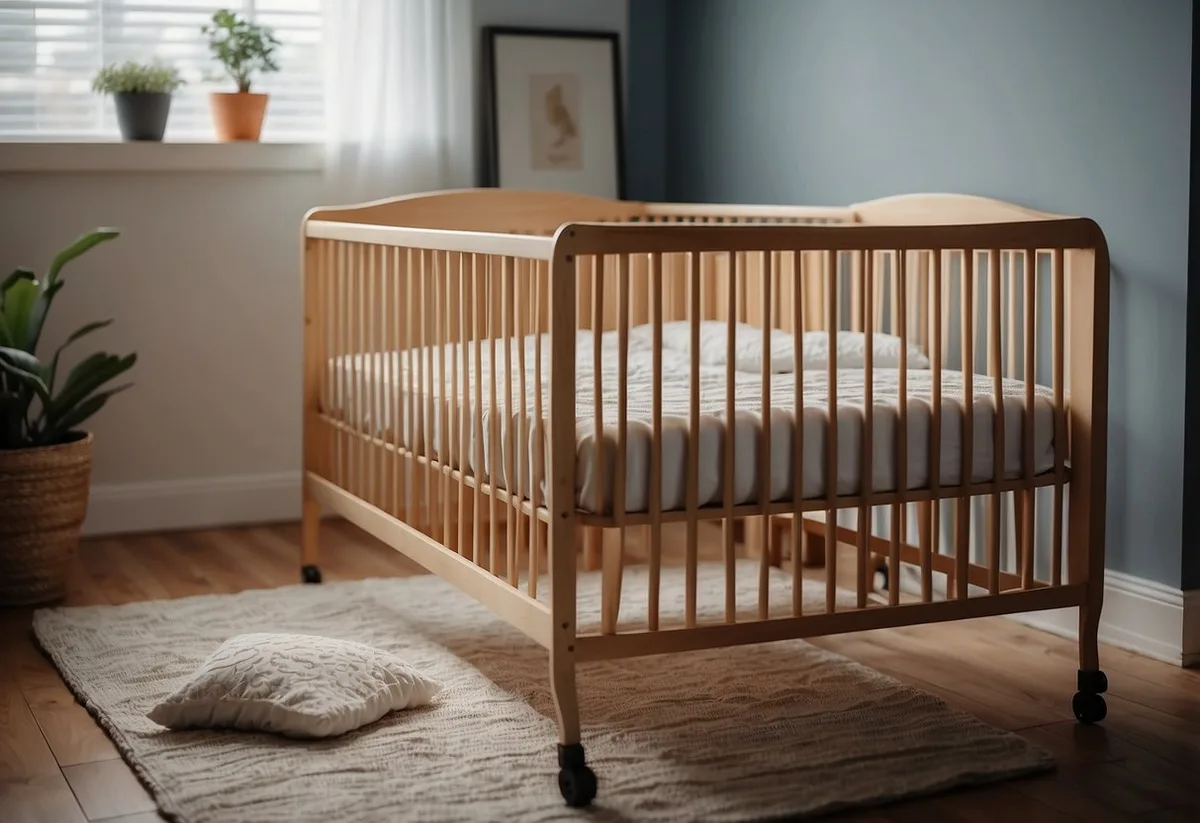
Image source: Bing (Web (fair-use with source credit))
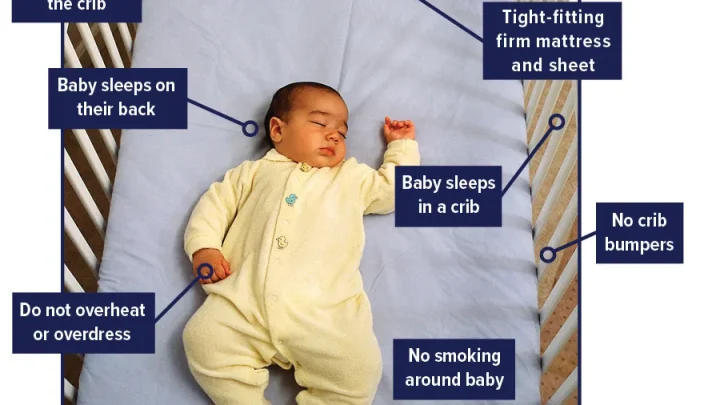
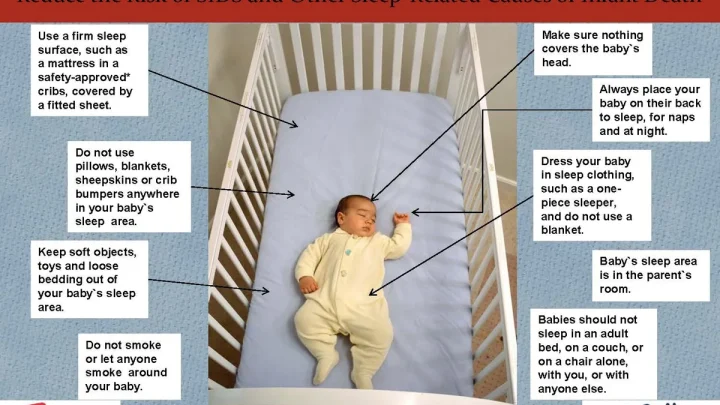
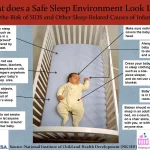
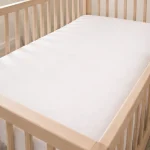
The room itself does half the work of preventing overheating. Start with the basics the AAP recommends for every infant sleep space, then layer in the heat-specific checks.
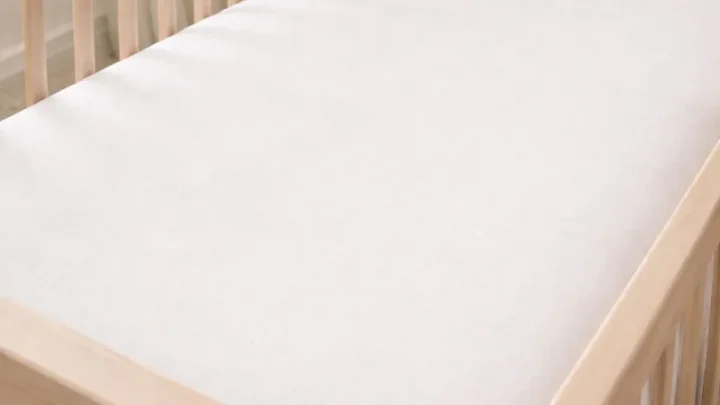
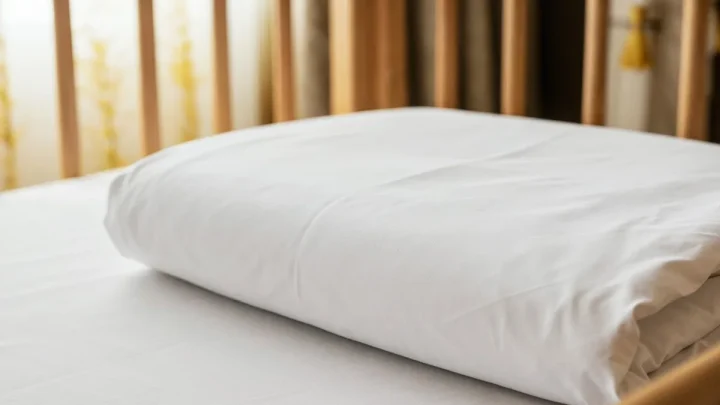
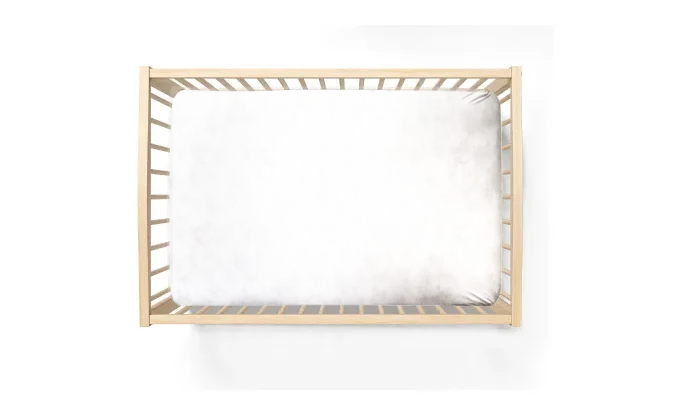
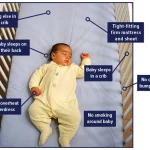
- Firm, flat mattress with only a fitted sheet. No quilts, pillows, bumpers, or positioners.
- Crib placed away from radiators, space heaters, heating vents, and direct afternoon sun.
- A thermometer in the room, or a baby monitor with a built-in temperature sensor, so you're guessing less.
- A fan on low, angled so it circulates air but doesn't blow directly on the baby. Fan use in the sleep room has been associated with reduced SIDS risk in research, likely because it keeps air moving.
- Window coverings that block afternoon sun if the nursery heats up late in the day.
If your home runs warm and you don't have air conditioning, prioritize the sleep sack TOG drop before you worry about the thermostat. Dropping from a 1.0 to a 0.2 TOG sack makes a bigger difference than most people expect. The CDC's safe sleep guidance supports the same bare-crib setup in every season, as of 2026.
Swaddling Safety and When to Stop
Swaddling calms newborns, but it adds a full layer of insulation, so it changes your math. A swaddled baby in a warm room is the classic overheating setup. Use a thin muslin or a low-TOG swaddle sack, and dress the baby lightly underneath, often just a bodysuit.
Keep swaddles snug at the chest but loose around the hips to protect hip development. And stop immediately once your baby shows any sign of rolling, which can happen as early as 8 weeks. A swaddled baby who rolls onto their stomach can't lift their head to clear their airway.
The transition is simple. Switch to an arms-out sleep sack the moment rolling starts. If your baby fights the change, try one arm out for a few nights first.
From that point on, the sleep sack handles warmth, and the swaddle stage is done.
Common Mistakes That Lead to Overheating
Most overheating cases we see described in parenting forums and clinical guidance trace back to a handful of habits. Here's the list worth checking your own setup against:
- Judging warmth by hands or feet instead of the chest or neck
- Hats or head coverings worn indoors during sleep
- Adding blankets on top of a sleep sack "just in case"
- Leaving a swaddle on a baby who's starting to roll
- Parking the crib next to a radiator, vent, or sunny window
- Dressing for how cold the room feels to you, not to a lightly clothed adult
That last one deserves emphasis. Parents feel drafts and babies don't complain, so the default is always "add a layer." If you're unsure, go lighter and verify with the touch test.
One more thing to skip: products marketed as SIDS preventers, including weighted sleepwear, positioners, and pods. The CPSC and AAP warn against all of them. Weighted blankets and weighted swaddles in particular restrict movement and trap heat, which is the exact combination we're trying to avoid.
When a Hot Baby Needs Medical Attention
Overheating vs. Fever: Telling the Difference
The first question parents ask: is my baby overheated or actually sick? A fever means a rectal temperature of 100.4°F (38°C) or higher in a baby under 3 months, and that always warrants a call to the doctor, regardless of how the baby looks. An overheated baby with a normal temperature will cool down within 15 to 30 minutes of removing a layer.
Act quickly if you see sweating, flushed skin, or rapid breathing during a sleep check. Remove a layer, move the baby away from any heat source, and recheck. Skin should feel warm and dry again within half an hour.
Call for urgent medical help if any of these appear:
- Rectal temperature of 100.4°F (38°C) or higher in a baby under 3 months
- Skin that stays hot to the touch after 30 minutes of cooling
- Lethargy, unusual floppiness, or difficulty waking for feeds
- Fewer wet diapers than usual, which signals dehydration
- Vomiting alongside the heat signs
Never try to cool a baby fast with an ice bath or a fan blowing directly on them. Gradual cooling in a normal-temperature room is the safe approach.
Frequently Asked Questions
What room temperature is too hot for a baby to sleep?
Above 75°F (24°C) is where overheating risk climbs, especially for babies in higher-TOG sleepwear. If the room can't be cooled, drop the sleep sack to a 0.2 TOG and dress baby in minimal clothing. Use the chest touch test to verify the setup works.
Can a baby overheat in a sleep sack?
Yes, if the TOG is too heavy for the room. A 2.5 TOG sack in a 74°F room is a recipe for a sweaty baby, and it happens often in winter homes with strong central heating. Match the TOG to the actual room temperature using the manufacturer's chart.
Why are my baby's hands cold but body warm?
Immature circulation keeps a baby's hands and feet cooler than the core, and that's normal for the first few months. Don't add layers based on cold hands. Feel the chest or back of the neck instead.
Warm and dry there means the layers are right.
Should my baby wear a hat to sleep indoors?
No. The head is the main surface where babies release body heat, and a hat traps it. Head coverings during sleep are also a strangulation and slipping hazard.
Hats are for outdoor cold weather only, and they come off the moment you're back inside.
Do fans help prevent overheating in babies?
Yes, air circulation helps. Research has associated fan use in the infant sleep room with lower SIDS risk, likely because moving air prevents heat and exhaled carbon dioxide from pooling around the baby. Set it on low a few feet away, not pointed directly at the crib.
How can I cool down an overheated baby safely?
Remove one layer, move the baby out of any warm spot, and offer a feed if they're awake. Recheck the chest in 15 to 30 minutes. If the skin stays hot, the breathing stays fast, or your baby seems unusually sleepy or floppy, contact a doctor right away.

Similar Posts