Safe Room Sharing: How to Set It Up the Right Way
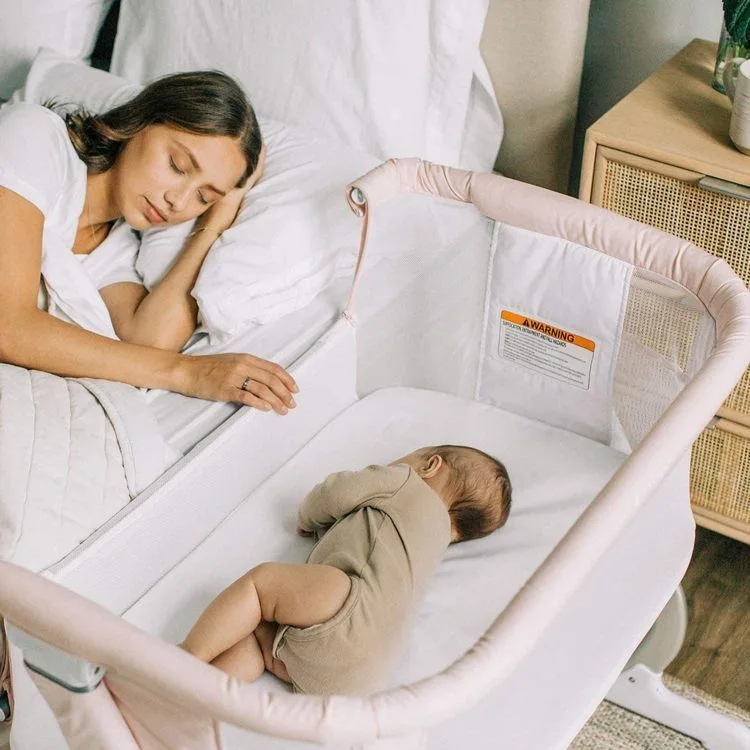
You're bringing a baby home and wondering how to arrange a safe room sharing setup without crowding your bedroom or breaking a safety rule you didn't know existed. Good instinct to ask. Room sharing is one of the most effective things you can do to protect your baby, but the details matter a lot.
The American Academy of Pediatrics recommends babies sleep in their parents' room, on a separate firm surface, for at least the first six months. As of 2026, that guidance hasn't changed. Below we'll walk through exactly how to set that up, step by step.
Image source: Web (Bing) / pinterest.com (Web image (fair-use with source credit))
Quick Answer
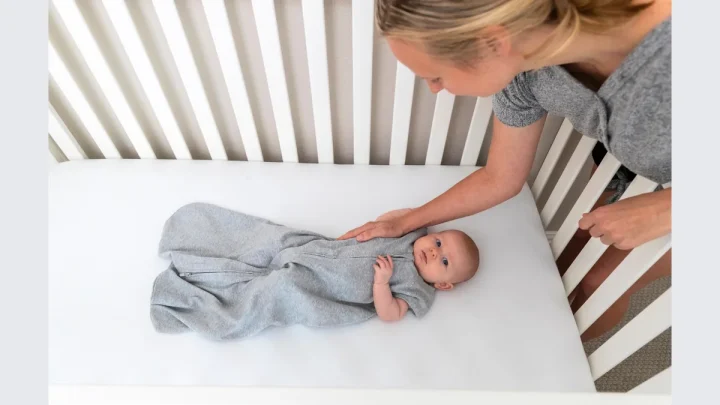
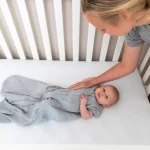
To arrange a safe room sharing setup, place a certified bassinet, bedside sleeper, or crib within arm's reach of your bed. Keep the surface firm, flat, and completely bare except for a fitted sheet. Always lay your baby on their back.
Keep the room between 68 and 72°F, and remove cords, heaters, and soft objects from the sleep area.
Room Sharing Done Right: Why the Setup Itself Is a Safety Decision
Room sharing means your baby sleeps in your room, but on their own surface. It's not the same as bed sharing, and that distinction saves lives. In our research across CDC and AAP data, sleep-related infant deaths drop meaningfully when babies room share without sharing a bed.
The reason is simple. Having your baby nearby means you'll notice problems faster, and you're less likely to bring the baby into your bed out of exhaustion at 3 a.m. That's exactly the scenario that leads to unplanned, unsafe co-sleeping.
But proximity only helps if the setup itself is sound. A bassinet shoved next to a window with blind cords, or a crib piled with blankets from the gift table, cancels out the benefit. We've seen plenty of well-meaning setups that check the "room sharing" box while missing the safety point entirely.
So treat the arrangement as a safety decision, not a decorating one. Everything below builds on that mindset.
What Room Sharing Actually Means (and What It Doesn't)
Here's the definition in one sentence: room sharing is your baby sleeping in the same room as you, on a separate sleep surface designed for infants. Full stop.
What it doesn't mean is your baby in your bed, on your chest for prolonged sleep, or on a couch or armchair next to you. The AAP is blunt about the couch and armchair cases because those carry some of the highest risk of any sleep location. If you doze off while feeding, move your baby back to their surface once you wake.
Room Sharing vs. Bed Sharing: The Critical Distinction
| Factor | Room Sharing | Bed Sharing |
|---|---|---|
| Sleep surface | Firm, flat, infant-specific | Adult mattress, soft |
| Loose bedding risk | None if kept bare | Pillows, blankets, duvets |
| AAP guidance | Recommended | Not recommended |
| Worst-case scenario | Low | Elevated risk of suffocation and SUIDS |
Bed sharing gets marketed as safe in some corners of the internet, especially with "safe sleep seven" checklists. The problem is that checklist assumes perfect conditions every single night. One glass of wine, one deep-sleeping parent, one pillow out of place, and the margin is gone.
Preterm babies and babies under four months face even higher risk, which is exactly when room sharing matters most.
Why Accuracy Matters Here: The Real Stakes of Getting It Wrong
Roughly 3,500 infants die each year in the US from sleep-related deaths, per CDC data. Those deaths include SIDS, accidental suffocation, and unknown causes. Most happen in unsafe sleep environments.
The hard part is that unsafe setups don't look dangerous. A squishy nursing pillow in the bassinet seems cozy. A bumper pad looks like it prevents bumps.
Neither belongs anywhere near a sleeping baby, and both have appeared in recall notices and fatality reports reviewed by the CPSC.
This is why we don't wing it. Every rule below traces back to a documented mechanism: soft surfaces block airways, loose fabric covers faces, overheating suppresses arousal, and inclined positions let babies slump forward. Once you understand the why, the rules stop feeling arbitrary.
The Core Rules of a Safe Room Sharing Setup
Four rules cover most of it. Your baby sleeps on their back, on a firm flat surface, with nothing in the sleep space, in your room but not your bed.
Choosing the Right Sleep Space: Bassinet, Bedside Sleeper, or Crib
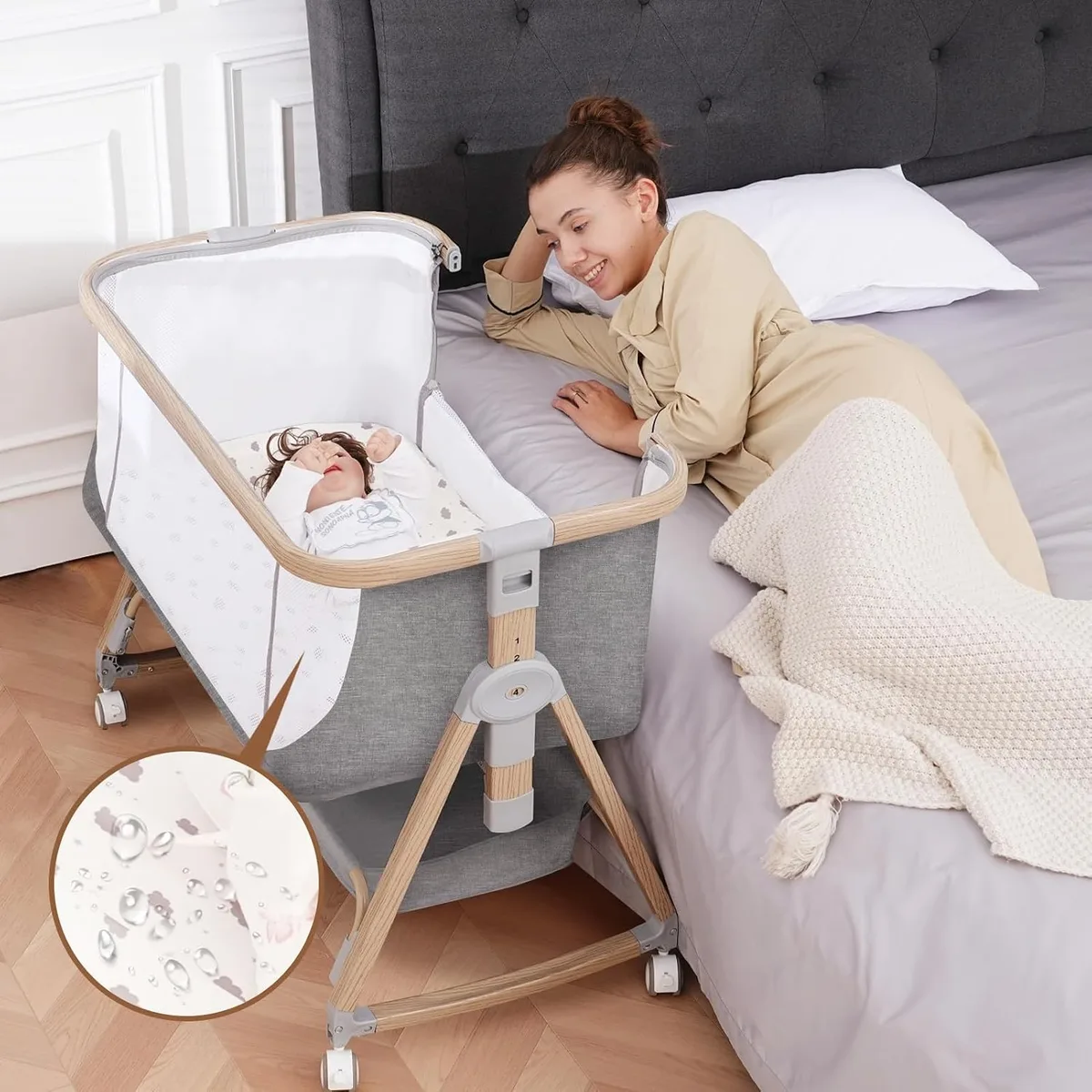
Any of the three works, as long as it meets current CPSC standards. Here's how they compare:
| Option | Best For | Watch Out For |
|---|---|---|
| Bassinet | Newborns, small rooms, easy reach | Weight and age limits, often 15-20 lbs |
| Bedside sleeper | Breastfeeding parents, C-section recovery | Must strap securely to your bed frame |
| Mini or full crib | Longevity, babies outgrowing bassinets early | Takes more floor space |
One thing to skip entirely: inclined sleepers and anything marketed for "lounging" or "napping." Per CPSC rulemaking, products with sleep inclines over 10 degrees can't be sold as infant sleep surfaces, and for good reason. Check that any product you buy lists ASTM compliance and has no open recalls.
Placement: Where the Sleep Space Goes (and Where It Never Goes)
Position the sleep space within arm's reach of your side of the bed. That's the whole point of room sharing, and it lets you respond without getting up.
Never place it near:
- Windows with blind or curtain cords
- Space heaters, radiators, or heating vents
- Shelves or furniture the baby could eventually pull on
- Outlets with plugged-in cords running nearby
Measure the gap, too. A bedside sleeper should sit flush against your mattress with no gap wider than two fingers. A bassinet shouldn't be wedged where a sibling or pet can lean into it.
Keeping the Sleep Surface Bare
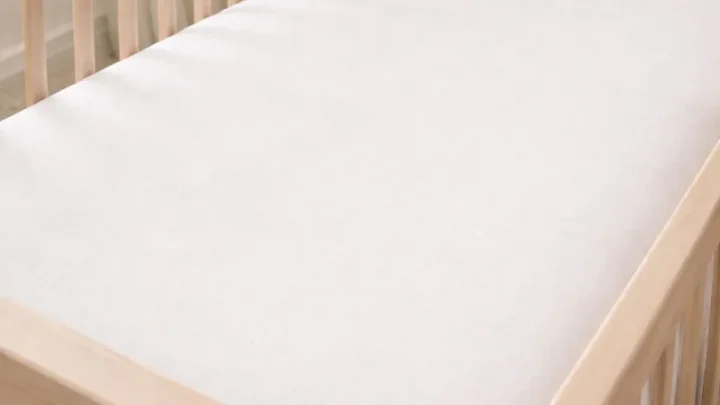
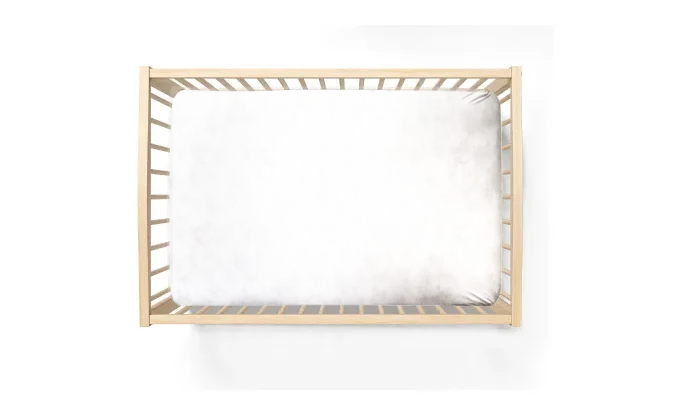
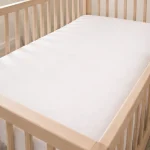
Bare means bare: a firm mattress, a fitted sheet, and your baby in a sleep sack. Nothing else. No pillows, no blankets, no bumpers, no stuffed animals, no positioners.
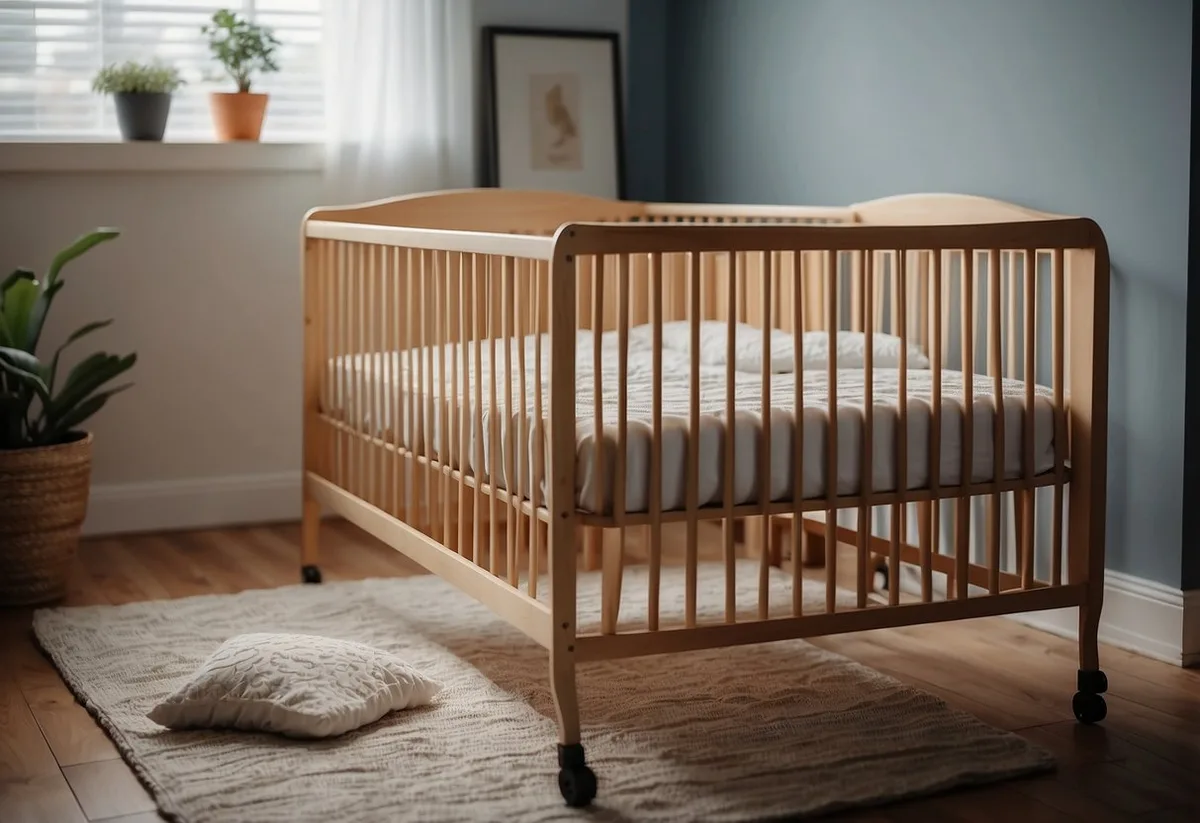
If you're wondering how the baby stays warm, that's what a wearable blanket is for. Loose bedding stays outside the space entirely, even the decorative ones.
Step-by-Step: Setting Up Your Room Sharing Space
- Pick a certified sleep space. Check the CPSC recall database and confirm ASTM compliance on the label or manual.
- Assemble it exactly per the manufacturer instructions. Keep the manual; it lists the weight limit and any hardware torque specs.
- Position it within arm's reach of your bed, away from cords, heaters, and windows.
- Fit the firm mattress with a single snug fitted sheet. Two fingers shouldn't slide between mattress and wall.
- Clear everything else out. Decorative items live on a shelf, not in the bassinet.
- Set the room between 68 and 72°F and dress your baby in a sleep sack, not blankets.
- Do a nightly reset. Before your own bedtime, re-check that the surface is still bare and baby is on their back.
That last step sounds fussy, but it catches the 2 a.m. feedings where a burp cloth got left behind. It takes ten seconds.
Temperature, Clothing, and Sound: The Comfort Factors That Affect Safety
Overheating is a known SIDS risk factor, and it's the one parents most often cause by accident. The fix is boring: keep the room at 68 to 72°F and dress your baby in one more light layer than you'd wear. A sleep sack does that job without anything loose.

Skip hats indoors. Babies release heat through their heads, and a hat indoors works against that. Check the back of the neck instead of the hands; sweaty means too warm, cool hands are normal.
For sound, a white noise machine can help everyone sleep, but placement matters. Keep it at least seven feet from the crib and at moderate volume. And drop the room share rule reminder here: monitors are optional when you're in the same room.
You're the monitor.
For official guidance as rules evolve, the AAP's safe sleep recommendations and the CDC's infant sleep pages stay updated, and both are worth a bookmark.
Common Mistakes Parents Make (and How to Avoid Them)
Most unsafe setups come from good intentions. Here are the repeat offenders we see in CPSC incident reports and pediatric guidance:
- Adding soft items "just for this nap." A blanket, a nursing pillow, a plush toy. Sleep-related deaths don't distinguish between all-night sleep and a twenty-minute nap.
- Keeping the swaddle too long. Once your baby shows any sign of rolling, swaddling stops. A swaddled baby who rolls onto their stomach can't push back up. Switch to a sleep sack with free arms.
- Using a secondhand crib without checking it. Drop-side cribs have been banned since 2011, and older models may have missing hardware or slat gaps wider than 2⅜ inches. If you can pass a soda can between slats, it fails.
- Letting the setup drift. Baby grows, the bassinet gets closer to your bed's duvet, a pillow creeps in. The nightly reset from our step-by-step catches this.
- Falling asleep feeding on a couch or armchair. This is one of the highest-risk scenarios in the data. If you feel drowsy during a night feed, feed in bed with a bare surface nearby, then transfer the baby back.
Room Sharing Safety Checklist and When to Move Baby Out
Run this list before your baby's first night and re-check it monthly. It takes two minutes.
- Sleep surface is firm, flat, and meets current CPSC standards
- Product has no open recalls (check the CPSC database)
- Fitted sheet is snug; nothing else on the surface
- Sleep space sits within arm's reach, away from cords, heaters, and windows
- Bedside sleeper gap is under two fingers wide
- Room is 68 to 72°F; baby wears a sleep sack, not blankets
- Baby is placed on their back, every sleep, every time
- Weight or age limit on the bassinet hasn't been hit
- Cords from monitors or white noise machines are out of reach
So when do you stop room sharing? The AAP recommends at least six months, ideally twelve. In practice, many families move the baby out between six and nine months, and research suggests that's still reasonable.
If your baby is a loud sleeper and nobody's resting, an earlier move won't undo the safety benefit you've already banked.
If baby outgrows the bassinet before six months, swap in a mini crib or full crib in your room. Never stretch a bassinet past its limit.
Frequently Asked Questions
Can my baby sleep in a bassinet next to my bed with the side lowered?
Only if it's a certified bedside sleeper designed to attach to your bed, strapped per the manual, with no gap wider than two fingers. A standard bassinet with a folded-down side isn't rated for that. Don't improvise.
How long should room sharing continue?
At least six months, per AAP guidance, with twelve months ideal. That said, most sleep-related infant deaths happen before six months, so the early window is where room sharing protects most. Past six months, judge based on everyone's sleep quality.
Is it safe if I fall asleep while breastfeeding in bed?
It happens, and panicking helps no one. Prepare for it: sleep on a firm mattress away from pillows and blankets, with baby's bare sleep surface right there. If you doze, move baby back once you wake.
Couches and armchairs are the ones to avoid entirely.
Do I need a baby monitor if we're room sharing?
No. You're within arm's reach, which beats any camera. Monitors become useful after the baby moves to their own room.
Keep any monitor cord at least three feet from the sleep space, since dangling cords are a strangulation hazard.
Can my baby overheat in a sleep sack?
Yes, if you overdress underneath it. Match the sack's TOG rating to the room temperature; most manufacturers publish a clothing chart in the manual. At 68 to 72°F, a onesie under a mid-weight sack is usually enough.
Check the neck, not the hands.
What if my baby rolls onto their stomach during the night?
Once babies roll both directions independently, you don't need to flip them back all night. Still place them on their back to start, stop swaddling, and keep the surface bare so nothing blocks their breathing if they roll into it.

Similar Posts