Why You Wake Up Early When Traveling (And How to Fix It)

You land in Paris, set two alarms, and still snap awake at 4:40 a.m., wide-eyed and useless. Then on the next trip, somewhere closer to home, the same early waking never shows up. That's the puzzle behind why early waking changes during travel, and the answer isn't "jet lag" every time.
In our research across sleep science and traveler reports, three separate systems drive the problem, and they don't all fire on every trip. The CDC estimates jet lag adjustment at roughly one day per time zone when flying east, and less when flying west. So which system is hijacking your morning?
That depends on your trip, and we'll help you figure out exactly that.
Image source: Bing (Web (fair-use with source credit))
Quick Answer
Early waking changes during travel because your circadian rhythm, sleep pressure, and environment each react to travel differently. Crossing time zones shifts your internal clock later than local time. Light leakage, noise, and early sunrises compound the problem.
Short trips cause different early waking than long trips do.
Why You Wake Up So Early When You Travel (And Why It Changes Every Trip)
The direct answer: your brain's master clock, the circadian rhythm, stays set to your home time for days after you land. If you fly east, home time runs behind local time. Your body hits its natural wake signal hours before the local alarm goes off.
But here's what most explanations miss. Circadian shift is only one of three culprits. Sleep pressure, which is the chemical drive to sleep that builds through the day, gets wrecked by flights, naps, and late arrivals.
And your hotel room itself, with its light leaks and unfamiliar sounds, triggers what researchers call the first-night effect. That's a documented phenomenon where one half of your brain sleeps more lightly in new surroundings.
Each trip mixes these three ingredients in different amounts. A domestic hop might involve zero clock shift but terrible sleep pressure. A transatlantic flight is mostly clock shift.
Once you can tell them apart, the fix becomes obvious.
What Actually Controls Your Wake Time: Circadian Rhythm, Sleep Pressure, and Light
Direct answer: wake time is set by three systems, and travel disrupts all three in different ways.
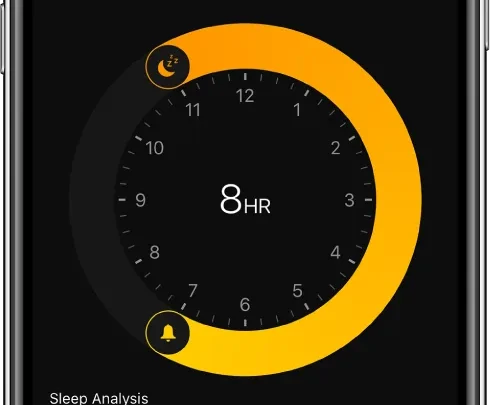
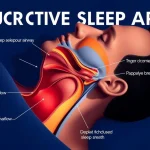
The circadian rhythm is your internal 24-hour clock, run by a brain structure called the suprachiasmatic nucleus. It times the release of melatonin, the hormone that makes you sleepy, and cortisol, the hormone that nudges you awake. Light is the strongest signal that keeps this clock on schedule.
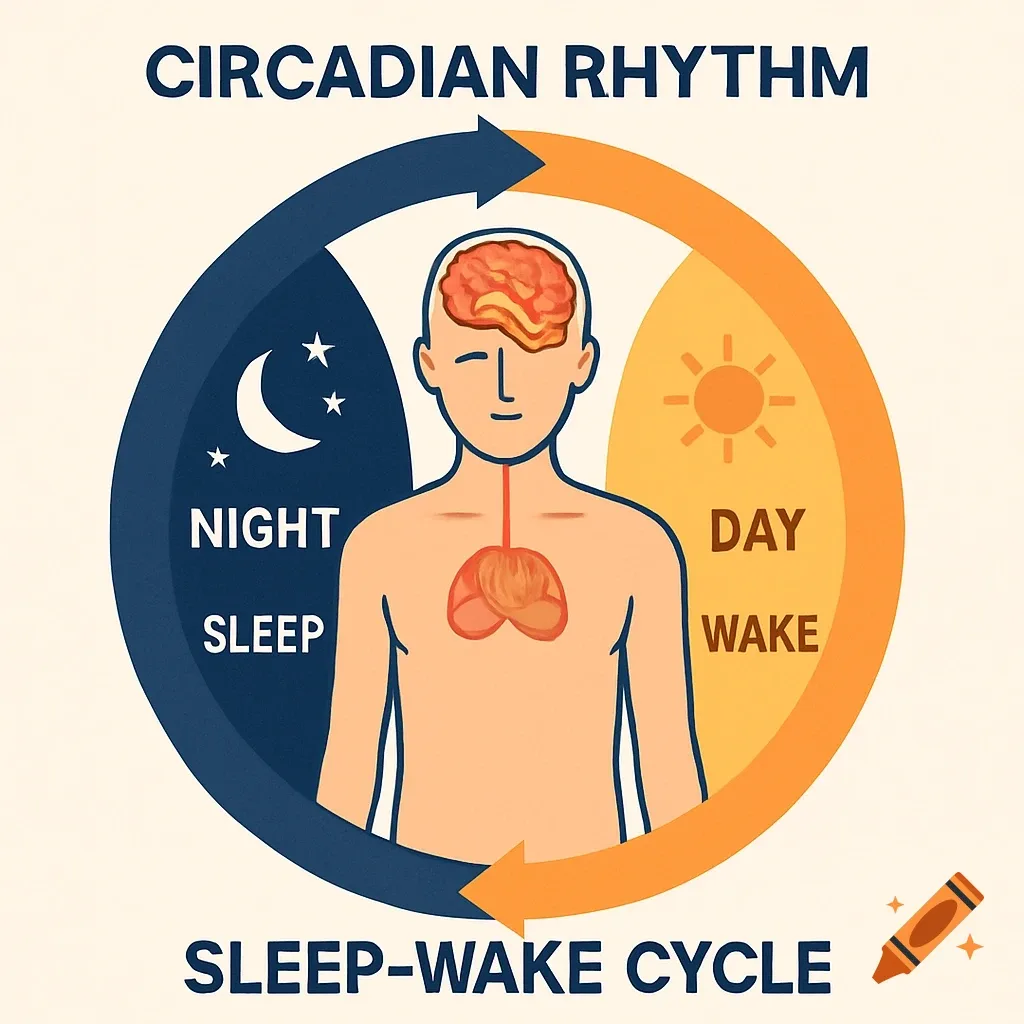
Image source: Bing (Web (fair-use with source credit))
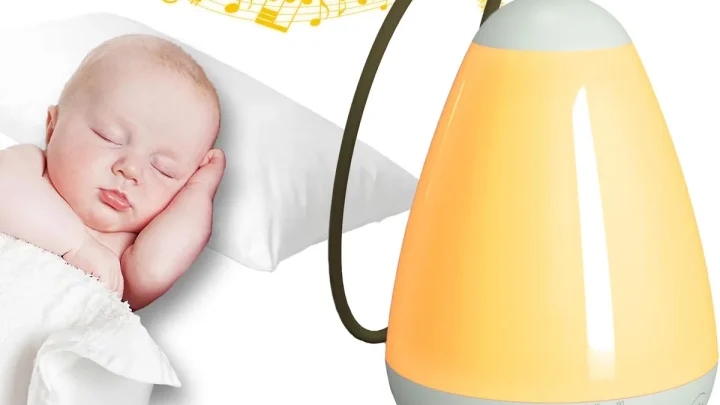
Sleep pressure works separately. A chemical called adenosine builds up in your brain every waking hour. A red-eye flight, a bad plane nap, or a 6 p.m. hotel nap drains that pressure and leaves you waking too early.
Here's how the three systems show up in your mornings:
- Circadian shift: you wake early AND your body wants dinner at 3 p.m. local
- Low sleep pressure: you wake early but feel wired, not rested
- Environmental disruption: you wake early, feel tired, and fall back asleep poorly
Why eastward travel hits hardest: flying east forces your clock to advance, which means falling asleep earlier than your body wants. Per CDC travel guidance, most people adjust about one hour per day eastward, versus faster westward. Your clock lags behind local time, so the wake signal arrives absurdly early.
The Early-Waking Decision Tree: Find Your Scenario in 30 Seconds
If you crossed three or more time zones, you're dealing with circadian misalignment. Your clock is still running on home time, and it expects dawn when it's still dark. This is true jet lag, and it takes days to resolve.
Move to the next section for the fix.
If you traveled north or south with little or no time change, your clock is fine. Then the culprit is usually your environment or sleep pressure. Check your hotel room for early sunrise coming through the blinds, and count your naps from the day before.
If the early waking only happened on night one or two, that's the classic first-night effect. Research shows one hemisphere of the brain stays more vigilant in unfamiliar rooms. It typically resolves by night three without any intervention.
Don't overcorrect for it.
If you're staying only one or two nights, adaptation is the wrong goal entirely. Your body clock hasn't shifted yet, and you don't want it to. Keep your home schedule where possible and treat the early waking as temporary.
One quick self-check that separates the causes: if you also feel hungry and sleepy at weird local times, it's your circadian rhythm. If you only wake early and feel otherwise normal, look at your room and your naps instead.
How to Fix Early Waking: Light, Melatonin, and Meal Timing Done Right
Timed light exposure is the main lever, and timing is everything. Morning bright light advances your clock, which helps westward travel. Evening light delays it, which helps eastward travel.
Get the direction wrong and you'll shift your clock the wrong way.

Image source: Bing (Web (fair-use with source credit))
For eastward trips, seek bright outdoor light in the late morning and early afternoon at your destination. Avoid strong light in the destination's early morning hours, when your body clock still thinks it's evening. Even overcast daylight beats indoor lighting, which rarely exceeds a few hundred lux.
Low-dose melatonin can nudge the clock, but timing matters far more than dose. Studies typically test 0.5 to 5 mg taken at local bedtime for eastward travel. Melatonin is sold as a dietary supplement in the US, so the FDA doesn't verify dose accuracy.
Look for USP-verified labeling if you use it.
Anchor your meals to local time as well. Meal timing acts as a secondary clock cue for your metabolism. Eat breakfast at local breakfast hours even if you're not hungry.
And cap naps at 20 to 30 minutes, ideally before mid-afternoon local time. Longer naps drain the sleep pressure you'll need that night. Short naps refresh you without erasing it.
Common Mistakes That Keep You Waking at 3 a.m.
The biggest mistake is getting bright light at the wrong time. If you fly east and soak up morning sun at 6 a.m. local, your body reads that as evening light. You've just pushed your clock further from local time, and tomorrow's 3 a.m. wake comes even earlier.
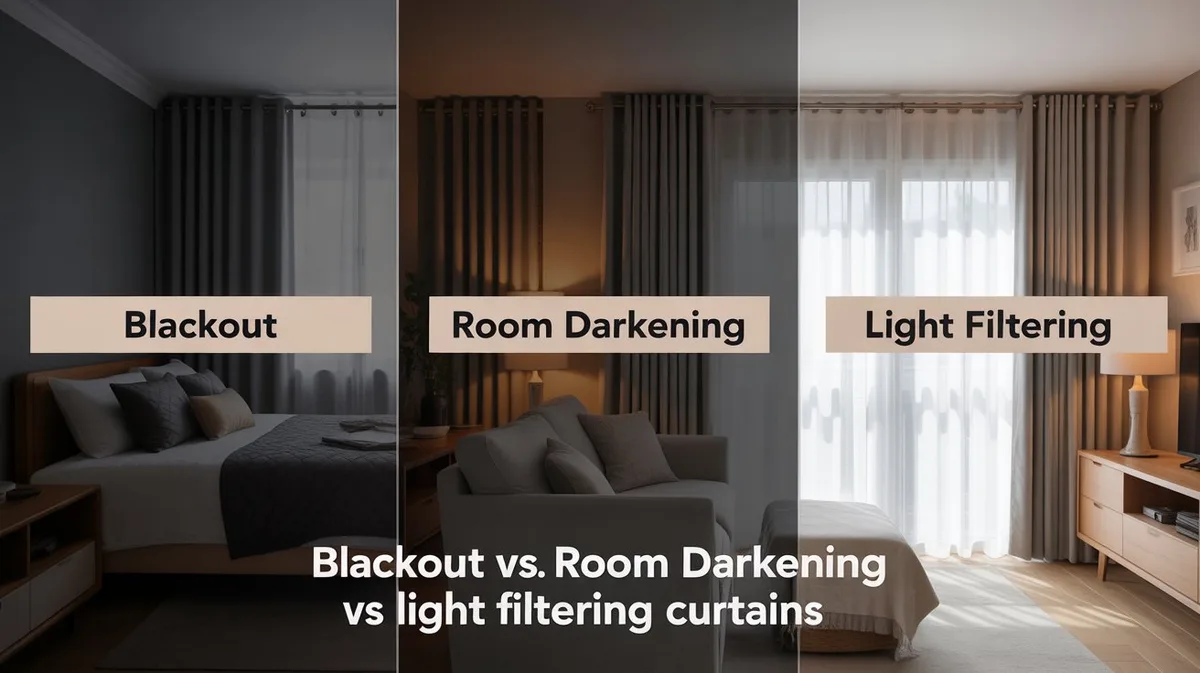
Image source: Bing (Web (fair-use with source credit))
Going to bed too early backfires too. If you crash at 8 p.m. local on an eastward trip, your 7 a.m. local wake signal arrives as your body's midnight. You'll wake wide awake hours before sunrise.
Stay up closer to a reasonable local bedtime, even if you're dragging.
Alcohol as a sleep aid is the third trap. It helps you fall asleep faster, then suppresses REM and fragments the second half of the night. That classic 3 a.m. hotel-room wake-up is often alcohol wearing off, not jet lag.
Other fixable mistakes worth auditing:
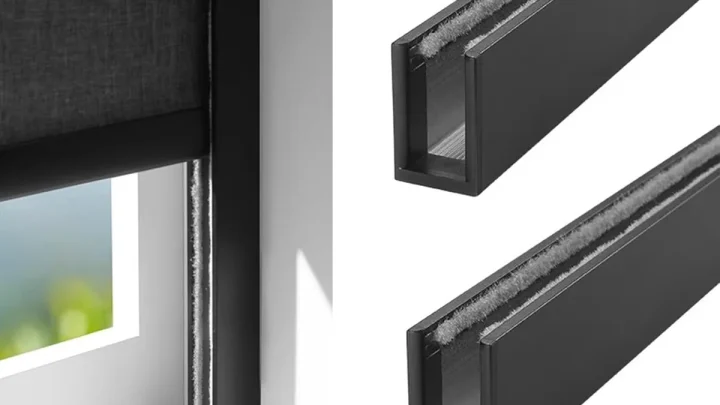
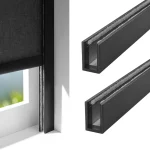
- Leaving blackout curtains cracked, letting pre-dawn light hit your face
- Setting the hotel room too warm, since core temperature drop is part of sleep onset
- Long afternoon naps that gut your sleep pressure for the night
- Checking your phone at 4 a.m., because that screen light tells your clock it's morning
Small fixes, big difference. Most of these cost nothing to correct.
Short Trips vs. Long Trips: When Adapting Is the Wrong Move
If you're staying two days or fewer, don't adapt at all. Shifting your circadian rhythm takes days, and starting the process means you'll be half-shifted for the flight home. Many frequent flyers keep meetings on home-time slots when possible, or simply power through with strategic light and caffeine.
If you're staying a week or more, adapt aggressively from day one. Every day you delay shifts the clock later. Anchor yourself to local morning light, local meals, and local bedtime immediately.
The math changes with trip length:
- 1 to 2 days: stay on home time, accept the early waking, avoid big schedule swings
- 3 to 6 days: partial adaptation, use morning light and capped naps
- 7+ days: full commitment to local time, melatonin at local bedtime if needed
Here's the rule of thumb our editorial analysis keeps landing on: if your return flight comes before your body would naturally adjust, adaptation was never worth starting. Westward return trips are easier because your clock drifts back the same direction it drifted out.
Safety Notes: Sleep Aids, Driving After Red-Eyes, and Melatonin Quality
Prescription sleep aids carry real risks, especially on planes. The FDA warns that zolpidem and similar drugs can cause complex sleep behaviors, like walking or eating with no memory of it. Combine that with a cramped cabin and an 11-hour flight, and the risk profile gets worse.
Never take a new sleep aid for the first time mid-trip.
Driving drowsy is the bigger, more common danger. Research consistently shows drowsy driving impairs reaction time comparably to alcohol. If you land from a red-eye, hand the keys to someone rested or use a ride service.
That first morning after an eastward flight is the worst window.
On melatonin quality: as a dietary supplement, it isn't FDA pre-market verified for dose or purity. Independent lab analyses have found significant dose variance between labeled and actual content in some products. Look for USP-verified labels, start at the low end (0.5 mg), and talk to a doctor if you take blood thinners, diabetes medication, or sedatives, since melatonin can interact with them.
Frequently Asked Questions
Why do I wake up at 3 a.m. when traveling?
Your body clock is still on home time, so its natural wake signal fires hours before local sunrise. Alcohol, light leaks, and drained sleep pressure from naps make it worse. If you crossed time zones eastward, expect this for roughly one day per zone.
How long does jet lag last east versus west?
Eastward travel typically takes about one day of adjustment per time zone crossed. Westward travel adapts faster, often one and a half zones per day, because delaying the clock is easier than advancing it. A six-zone eastward flight can take five or more days.
Can I stop early waking on a short trip?
You usually shouldn't try. Your clock hasn't shifted, and blocking the shift protects you from double adjustment. Keep your home schedule where you can, use blackout conditions and a sleep mask, and treat the early waking as temporary.
Does melatonin actually work for travel early waking?
It helps when timed correctly. Research supports 0.5 to 5 mg taken at local bedtime for eastward travel, where timing matters more than dose. Taken at the wrong time, it can shift your clock the wrong direction and prolong the problem.
Why is my early waking worse in summer destinations?
High-latitude summer sunrises arrive extremely early, sometimes before 4:30 a.m. Even a sliver of light through blackout blinds can trigger waking, since light suppresses melatonin. Pack a proper sleep mask for Scandinavian or Alaskan summer trips.
When should I see a doctor about early waking?
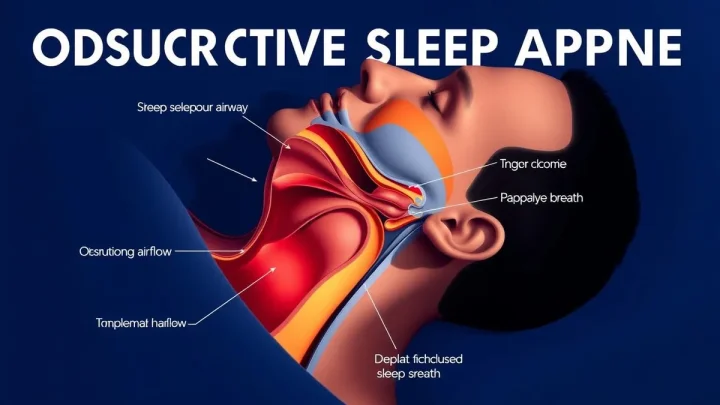
If early waking persists for weeks after you return home, or you've had chronic early-morning waking even without travel, talk to a doctor. Persistent early waking can signal advanced sleep phase disorder, depression, or sleep apnea, all of which are treatable.
Your Decision Guide: What to Do on Your Next Trip
Work through your trip in this order. First, count the time zones and note the direction. Second, check your trip length against the short-trips table above.
Third, pick your light strategy before you fly, so you're not improvising at 6 a.m. in a strange city.
For a typical eastward week-long trip, your playbook looks like this:
- Before the flight: shift bedtime 30 to 60 minutes earlier each day for two or three days
- On the plane: set your watch to destination time, sleep only when it's night there
- Day one: bright outdoor light after late morning, no sunglasses on that walk
- Every night: melatonin at local bedtime, blackout the room, cap evening alcohol
- Every day: naps capped at 30 minutes, meals on local time
For north, south trips, skip all the clock work. Fix your room instead: full blackout, cooler temperature, and no phone at 4 a.m.
And if the early waking is only a night-one or night-two event, do nothing but wait. The first-night effect resolves on its own, and the best thing you can do is not chase it with naps and sleep aids. Most travel early waking is your body doing exactly what the science says it should.
Work with the clock, not against it, and the problem shrinks to a day or two.

Similar Posts