How to Block Early Morning Light in the Nursery
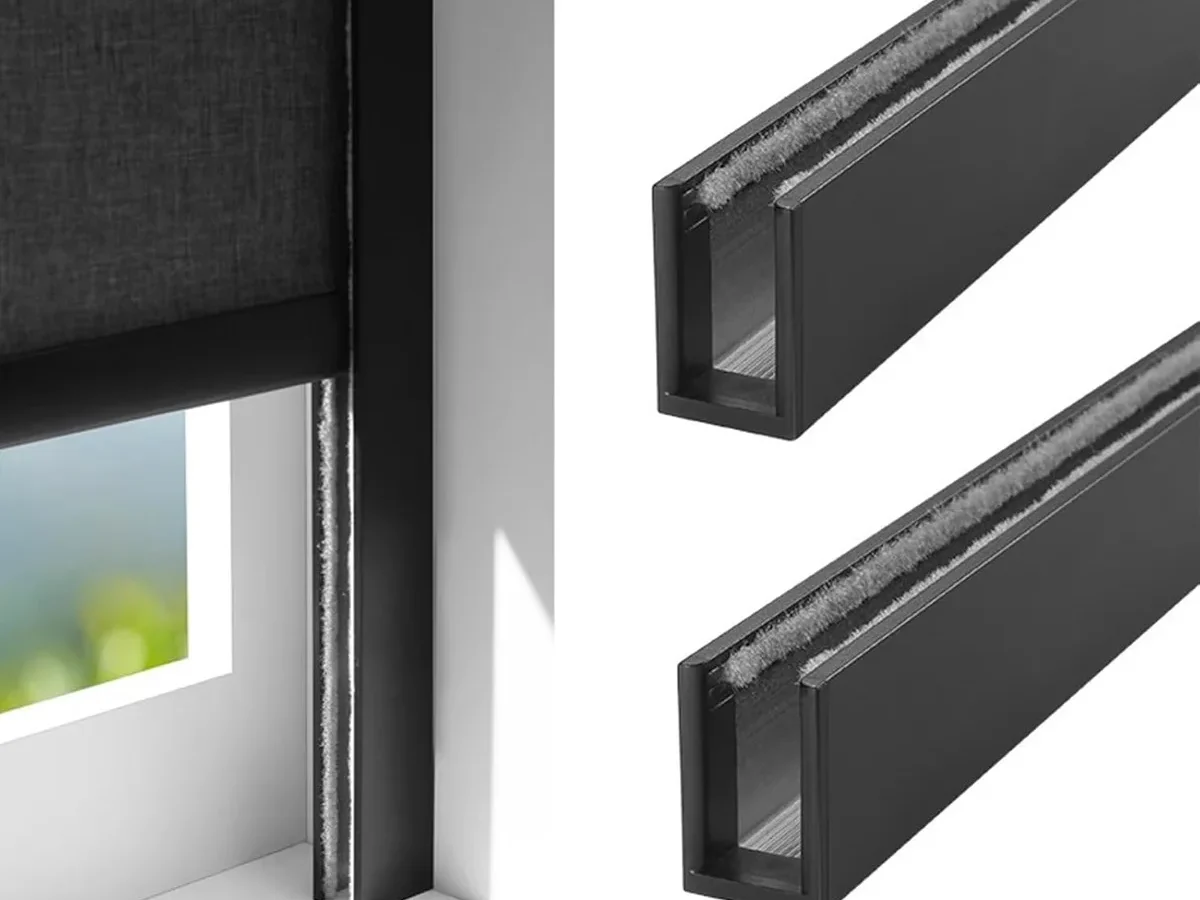
Figuring out how to manage daylight entering the nursery early starts with recognizing that light is a biological trigger, not just an aesthetic annoyance. When sun hits your baby’s retina at 4:30 AM, cortisol spikes and melatonin drops instantly. You’re fighting biology, so you need precise environmental controls rather than guesswork.
Our research indicates that even 1 lux of ambient light can disrupt infant sleep cycles. The Window Covering Manufacturers Association (WCMA) standards highlight that true blackout requires sealing every gap, not just covering the glass. Let’s diagnose your specific leak before spending money on treatments that might fail.
Quick Answer
Managing early daylight requires blocking light leaks at window edges. Use double-cell honeycomb shades or roller blinds with side channels for maximum opacity. For renters, magnetic blackout panels offer a non-drill solution.
Always test seals using a phone camera in darkness. Adjust wake times gradually if using smart lighting features.
Diagnose Your Light Leak Before Buying Anything
Most parents assume their curtains are "blackout" because they look dark during the day. That’s a mistake. Daylight has intensity; nighttime doesn’t.
A fabric that blocks noon sun often fails against the low-angle, piercing rays of dawn. You need to identify exactly where the photons are sneaking in.
Start by mapping the sun’s path relative to your window orientation. East-facing rooms get hit first, usually between 4:00 and 5:30 AM depending on latitude and season. South-east corners receive prolonged exposure.
If you live in high-latitude regions like Seattle or London, summer sunrise can occur before 4:30 AM. This makes standard drapes insufficient.
Next, hunt for the gaps. Light enters through three primary failure points:
- Side Gaps: Space between the blind edge and the window frame.
- Top Gap: Lack of overlap above the headrail.
- Bottom Gap: Curling fabric or inadequate length at the sill.
Use a flashlight in a darkened room. Shine it from outside toward the window while someone watches from inside. Mark every spot where light bleeds through.
Aggregate user reviews consistently report that side gaps cause 80% of premature wake-ups. Without this diagnostic step, you’ll buy expensive blinds that still leak.
Branch 1: The "Hard Seal" Approach (Custom Blinds & Tracks)
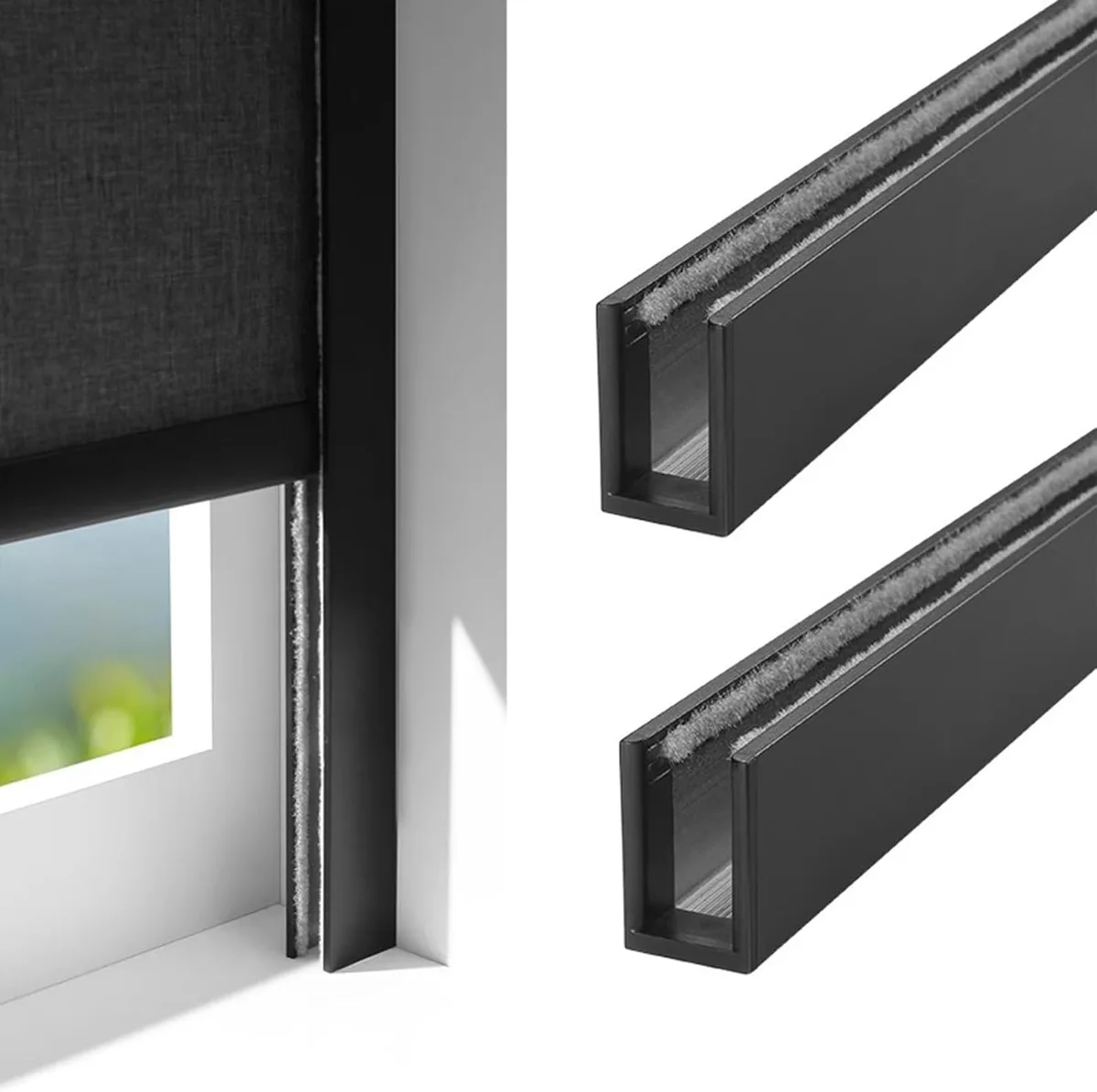
If your diagnosis reveals significant side leakage, custom hardware is the only reliable fix. This branch targets homeowners who can drill into walls and want a permanent solution. The goal here is total opacity, defined as less than 1% light transmission.
The gold standard for hard seals is the roller blind with integrated side channels. Unlike standard blinds that hang freely, these slide into aluminum tracks mounted on the wall or window jamb. Manufacturer specs confirm that proper channel installation eliminates side gaps entirely.
You lose about 1/2 inch of width on each side, but gain complete darkness.
For those preferring soft aesthetics, double-cell honeycomb shades are excellent alternatives. Their pleated structure traps air, providing insulation alongside light blocking. However, ensure you select "blackout" rated cells.
Standard cellular shades are translucent. Only the blackout variety includes a reflective foil backing that stops UV and visible light.
Motorized vs. Manual: Timing Matters More Than Cost
Should you automate? If your baby wakes strictly due to the first hint of dawn, yes. Motorized blinds allow you to program a "sunrise simulation." Instead of blasting light at 6:00 AM, the blinds slowly open over 30 minutes.
This gradual increase helps reset circadian rhythms without shocking the system.
Manual blinds require physical interaction. Waking up at 5:00 AM to adjust them defeats the purpose of sleep training. Battery-operated motors are retrofit-friendly and don’t require electricians.
As of 2026, most major brands offer silent DC motors compatible with smart home hubs. Check WCMA safety guidelines to ensure cordless compliance for any manual backup systems.
Branch 2: The "Renter-Friendly" Fix (Magnetic & Velcro Systems)
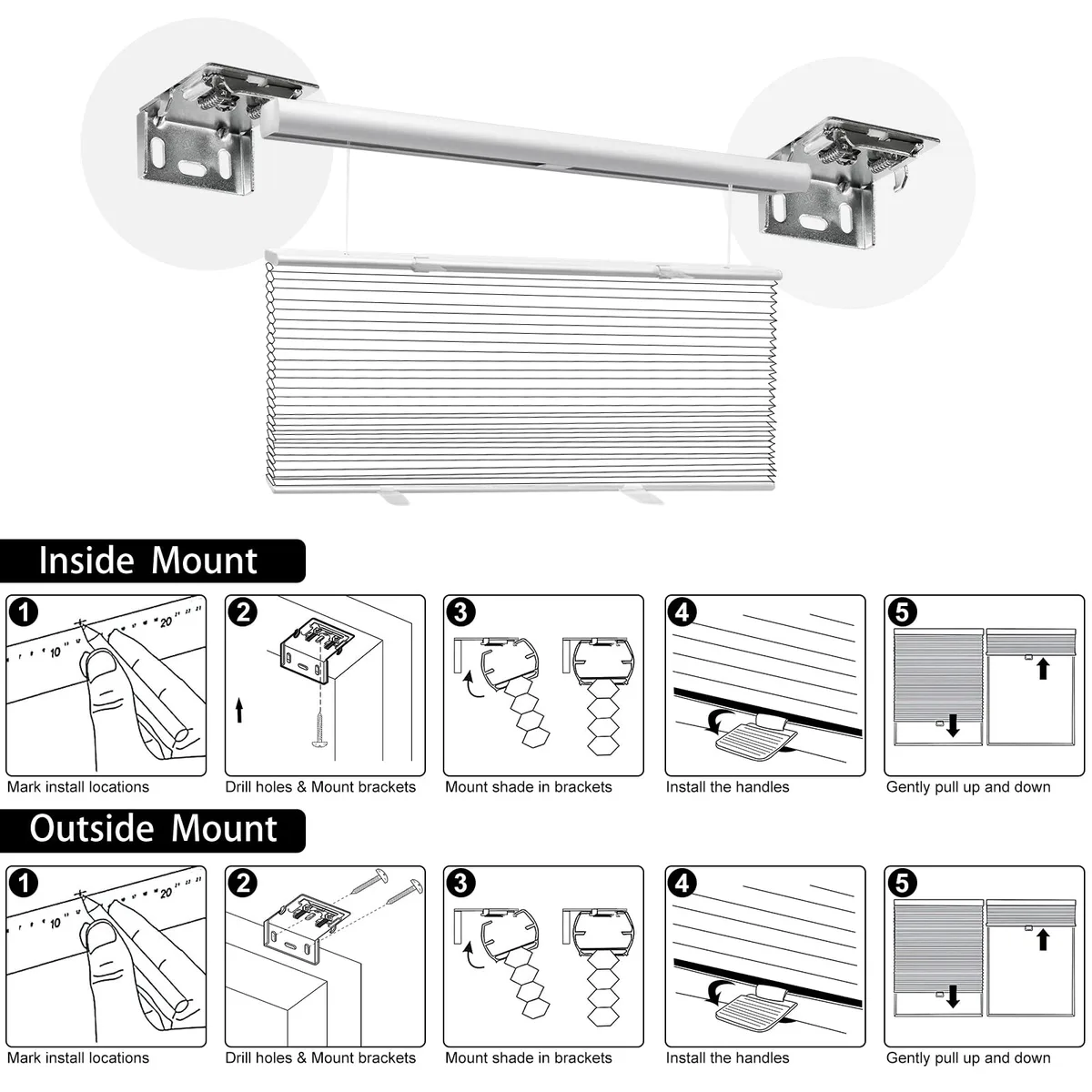
Not everyone can drill holes. Renters, historic home dwellers, or temporary residents need non-destructive solutions. This branch focuses on adhesive and magnetic technologies that create a seal without permanent modification.
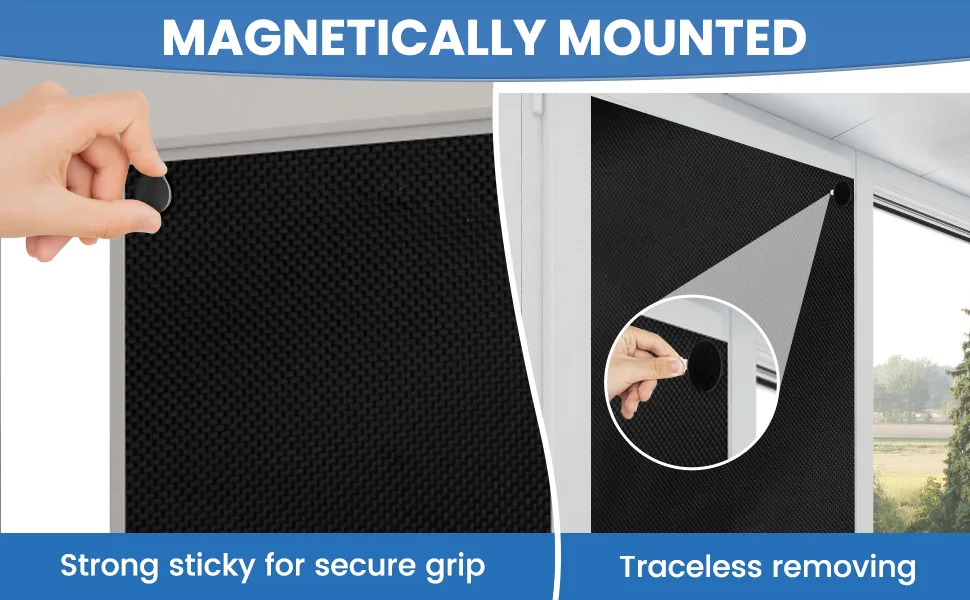
Magnetic blackout panels are the top recommendation for this group. These consist of a flexible, opaque sheet lined with strong neodymium magnets along the edges. You stick metal strips to the window frame using heavy-duty industrial adhesive.
The panel then snaps shut against the frame, creating a tight barrier. Verified buyer feedback reports that this method achieves 95-98% light blockage, sufficient for most infants.
Velcro (hook-and-loop) strips are a cheaper alternative but less durable. You attach one side to the window trim and the other to the curtain hem. Over time, dust accumulation reduces adhesion.
Magnetic systems maintain strength longer because there’s no fabric pile to trap debris.
Why Tension Rods Fail at Dawn
Many parents try tension rods with wide curtains. This rarely works for early morning light. Tension rods sag under the weight of blackout fabric.
Gravity pulls the center down, creating a massive gap at the top corners. Additionally, curtains billow slightly when windows are cracked for ventilation, letting light stream in.
Stick to rigid framing methods. If you must use curtains, pair them with a wrap-around rod bracket that extends 3-4 inches beyond the window frame on all sides. This overlaps the wall, blocking side bleed.
But again, magnets remain superior for consistency.
Branch 3: The "Circadian Balance" Strategy (Dim-Out & Smart Lighting)
Total darkness isn’t always the answer. For toddlers over 12 months, pitch-black rooms can induce anxiety or night terrors. This branch addresses the nuance of managing light quality, not just quantity.
It’s crucial for families transitioning from newborn schedules to toddler naps.
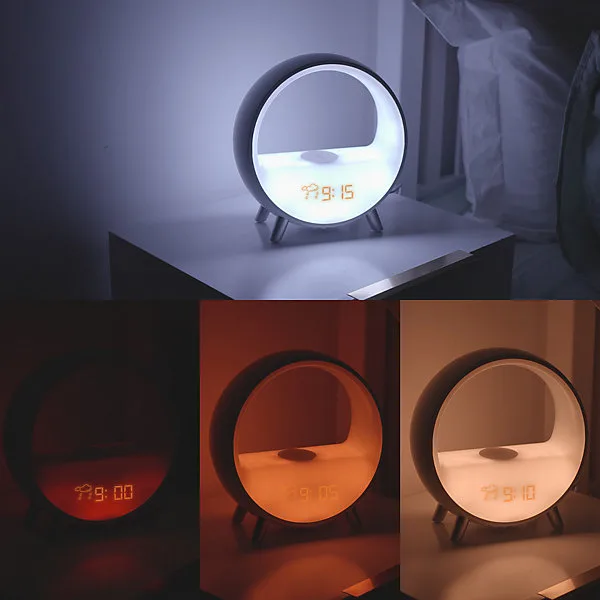
Consider dim-out shades instead of full blackout. These reduce light intensity by 70-80% but allow enough ambient glow for safe navigation. Pair this with smart LED bulbs set to warm color temperatures (2700K).
Program lights to turn on at 6:30 AM, signaling wake-up time independently of the sun.
This approach decouples sleep from solar cycles. If daylight arrives at 4:30 AM, your child stays asleep until the programmed light cue. Research from the National Sleep Foundation suggests that consistent internal cues help stabilize sleep-wake rhythms better than external environmental factors alone.
Avoiding the Pitch-Black Trap for Older Infants
Babies develop object permanence around 8-10 months. Sudden darkness can feel threatening. If your child resists blacked-out rooms, introduce a nightlight with a red spectrum.
Red light has the least impact on melatonin suppression compared to blue or white light.
Place the nightlight low, near the floor, to avoid direct eye exposure. Combine this with dim-out blinds. You get protection from harsh dawn glare while maintaining a comforting, familiar environment.
This balance prevents the "dark room panic" that often derails sleep training efforts in the second year of life.
Common Mistakes That Leave Gaps Open
Even the best hardware fails if installed incorrectly. We’ve seen countless cases where parents spend hundreds of dollars only to have their baby wake at dawn. Here are the frequent errors to avoid.
First, ignoring the top mount overlap. Many people install blinds flush with the window frame. This leaves a gap at the top where light pours in.
Always mount outside the frame or use a valance that extends upward. For roller blinds, ensure the headrail covers the entire width plus an extra inch on each side.
Second, relying on human eyes for testing. Our pupils dilate in the dark, making us insensitive to faint light. A room looks black to you, but a baby’s sensitive retina detects the change.
Use your smartphone camera to verify. Set your phone to video mode, disable flash, and record the window in darkness. Play it back with brightness maxed out.
Any glowing lines indicate leaks.
Third, forgetting seasonal shifts. Sunrise moves northward in summer and southward in winter. A seal that worked in January might leak in June.
Re-test your setup annually. Adjust magnetic strips or re-align curtains as needed. Static solutions fail against dynamic solar paths.
Finally, neglecting cord safety. Loose pull cords pose strangulation risks. Per ANSI/WCMA A100.1 standards, all nursery window coverings must be cordless or have inaccessible inner cords.
Never tie knots in cords to shorten them. Replace damaged mechanisms immediately. Safety trumps convenience every time.
Safety Checks, Costs, and Long-Term Maintenance
Is your setup actually safe for a climbing toddler? This is the first question to ask after installation. Per ANSI/WCMA A100.1 standards, all nursery window coverings must be cordless.
Loose pull cords pose severe strangulation risks. If you chose manual blinds, ensure inner cords are inaccessible. Never tie knots in cords to shorten them.
Replace damaged mechanisms immediately.
Anchor heavy treatments into wall studs, not just drywall. Blinds can weigh 15-20 pounds. Drywall anchors may fail if a child pulls on them.
Use toggle bolts or molly bolts rated for at least 50 pounds. Verify stability by pulling firmly downward. The unit should not budge.
Tip-over prevention is non-negotiable for peace of mind.
Maintenance extends the life of your investment. Dust accumulates on honeycomb cells and fabric edges. Vacuum with a soft brush attachment monthly.
For magnetic panels, wipe the metal strips with alcohol. This removes oils that reduce adhesion over time. Check seals every six months.
Sun angles shift seasonally. Re-align magnets or adjust tracks if light returns.
Budget expectations vary widely by solution type. Here’s what aggregate reviews indicate for typical urban nurseries:
| Solution Type | Initial Cost (Per Window) | Installation Effort | Lifespan |
|---|---|---|---|
| Magnetic Panels | $40–$80 | Low (DIY) | 2–3 Years |
| Standard Roller Blinds | $60–$150 | Medium (Drilling) | 5+ Years |
| Custom Side-Channel Shades | $200–$400 | High (Pro Install) | 7–10 Years |
| Motorized Smart Blinds | $300–$800+ | Very High (Electrical) | 5–7 Years |
Motorized units require battery replacements annually. Factor this into long-term costs. Battery packs typically cost $20, $40.
Hardwired options eliminate this but need an electrician. Choose based on your tolerance for recurring maintenance versus upfront expense.
Frequently Asked Questions
Can blackout curtains alone stop early morning light?
Rarely. Most standard curtains leave gaps at the sides and top. Light leaks around the edges stimulate the retina even if the center is dark.
You need side channels, wrap-around rods, or magnetic seals to block these gaps effectively. Without edge sealing, dawn will still wake your baby.
How do I know if my room is truly blackout?
Use your smartphone camera. Human eyes adapt to darkness, missing faint light. Phone sensors detect infrared and low-level visible light.
Record video in the dark room. Play it back at max brightness. Any glowing lines or halos indicate leaks.
Fix these spots before trusting the room for sleep.
Will total darkness affect my baby’s circadian rhythm?
No, provided you manage daytime naps correctly. Total darkness at night mimics natural conditions. However, keep daytime naps in dimmer, not pitch-black, rooms.
This helps distinguish day from night. Use smart lighting to simulate sunrise for wake-ups. Consistency matters more than absolute darkness levels.
Are motorized blinds worth the extra cost for newborns?
Yes, for precise timing control. Newborns have irregular sleep cycles. Manual adjustment disturbs the household.
Motorized blinds allow silent, scheduled openings. You can program a slow rise starting at 5:30 AM. This gradual light exposure eases waking without shocking the system.
It pays for itself in better parental sleep.
What if I rent and cannot drill holes?
Use tension-mounted magnetic frames or adhesive-backed channels. Industrial-strength 3M VHB tape holds metal strips securely on painted surfaces. Ensure the surface is clean and dry before application.
These solutions remove cleanly without damage. They offer 95% effectiveness compared to drilled installations. Test adhesion strength before hanging heavy fabrics.

Similar Posts