From Play to Sleep: Gentle Bedtime Routine Tips

Figuring out how to move from playtime to a calmer bedtime activity feels impossible when your child is bouncing off the walls. You’ve likely tried turning off the lights too early, only to hear louder giggles in the dark. The issue isn’t discipline.
It’s physiology. Their nervous systems are stuck in high gear, and abrupt stops trigger resistance rather than relaxation.
We need to bridge that gap with intentionality. Research indicates that even low-level indoor lighting can delay melatonin onset by thirty minutes or more if it contains blue spectrum wavelengths. As of 2026, pediatric sleep specialists emphasize gradual deceleration over sudden cessation.
Let’s look at why your current approach might be failing before we fix it.
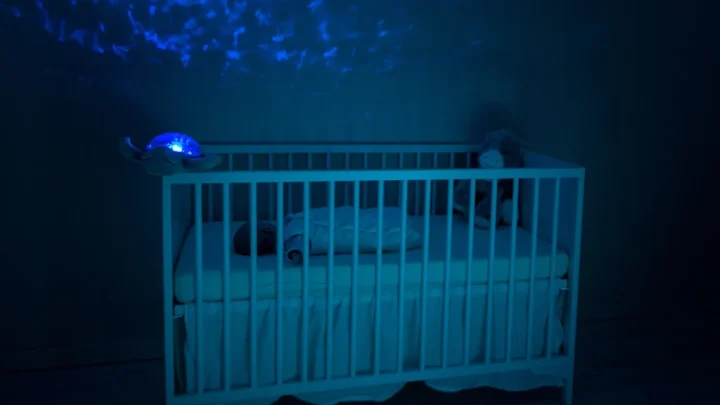
Image source: Bing (Web (fair-use with source credit))
Why Your Current Bedtime Routine Isn’t Working
Most parents treat bedtime as a switch. They say "lights out" and expect immediate compliance. This ignores the biological reality of arousal levels.
When a child is engaged in active play, their sympathetic nervous system dominates. Heart rate rises. Cortisol spikes.
Demanding instant stillness creates a conflict between body chemistry and parental expectation.
The result is often a "second wind." If you push past the natural fatigue window, the body releases stress hormones to stay alert. This makes falling asleep harder, not easier. You aren’t dealing with defiance.
You’re dealing with dysregulation.
Common failures include:
- Abrupt transitions: Going from roughhousing to silence instantly.
- Screen residue: Allowing tablets until the last minute, keeping brains wired.
- Inconsistent timing: Bedtimes varying by an hour on weekends versus weekdays.
- Overstimulating environments: Bright overhead lights or chaotic toy areas visible during wind-down.
Understanding these mechanics helps you stop blaming your child for being "wired." Instead, you can design a routine that respects their physiological limits. The goal isn’t control. It’s co-regulation.
Diagnose Your Child’s Regulatory State Before You Act
Before choosing an activity, identify where your child stands on the arousal scale. Are they overtired, undertired, or just transitioning? Each state requires a different intervention.
Guessing leads to mismatched responses and increased friction.
Use this quick assessment table to determine the starting point:
| State | Signs | Primary Need |
|---|---|---|
| Overtired | Crying, rubbing eyes, hyperactive bursts | Immediate sensory reduction; no new input |
| Undertired | Restless, talking loudly, seeking attention | Gentle physical discharge followed by calm |
| Wired | Fixed gaze, rigid posture, refusal to sit | Proprioceptive input (deep pressure) first |
If your child is overtired, skip complex games. Go straight to dimming lights and quiet presence. Adding cognitive tasks like puzzles will overwhelm them further.
Conversely, if they seem energetic but not distressed, they may need a brief period of structured movement to burn off residual adrenaline.
Neurodivergent children often display unique cues. An autistic child might stim more intensely when overwhelmed. A child with ADHD may struggle to initiate stillness without external scaffolding.
Recognizing these patterns prevents misinterpretation. You aren’t managing behavior. You’re managing energy flow.
The 3-Step Transition Workflow for High-Energy Kids
For most typically developing children aged three to eight, a three-step workflow provides the necessary structure. This sequence moves from acknowledgment to decomposition to anchoring. It relies on predictability to lower anxiety.
Step 1: The Warning Signal
Ten minutes before bed, announce the transition. Use a visual timer so the concept of time becomes concrete. Verbal warnings alone often fail because young children lack temporal awareness.
Seeing the disk disappear helps them mentally prepare for the change.
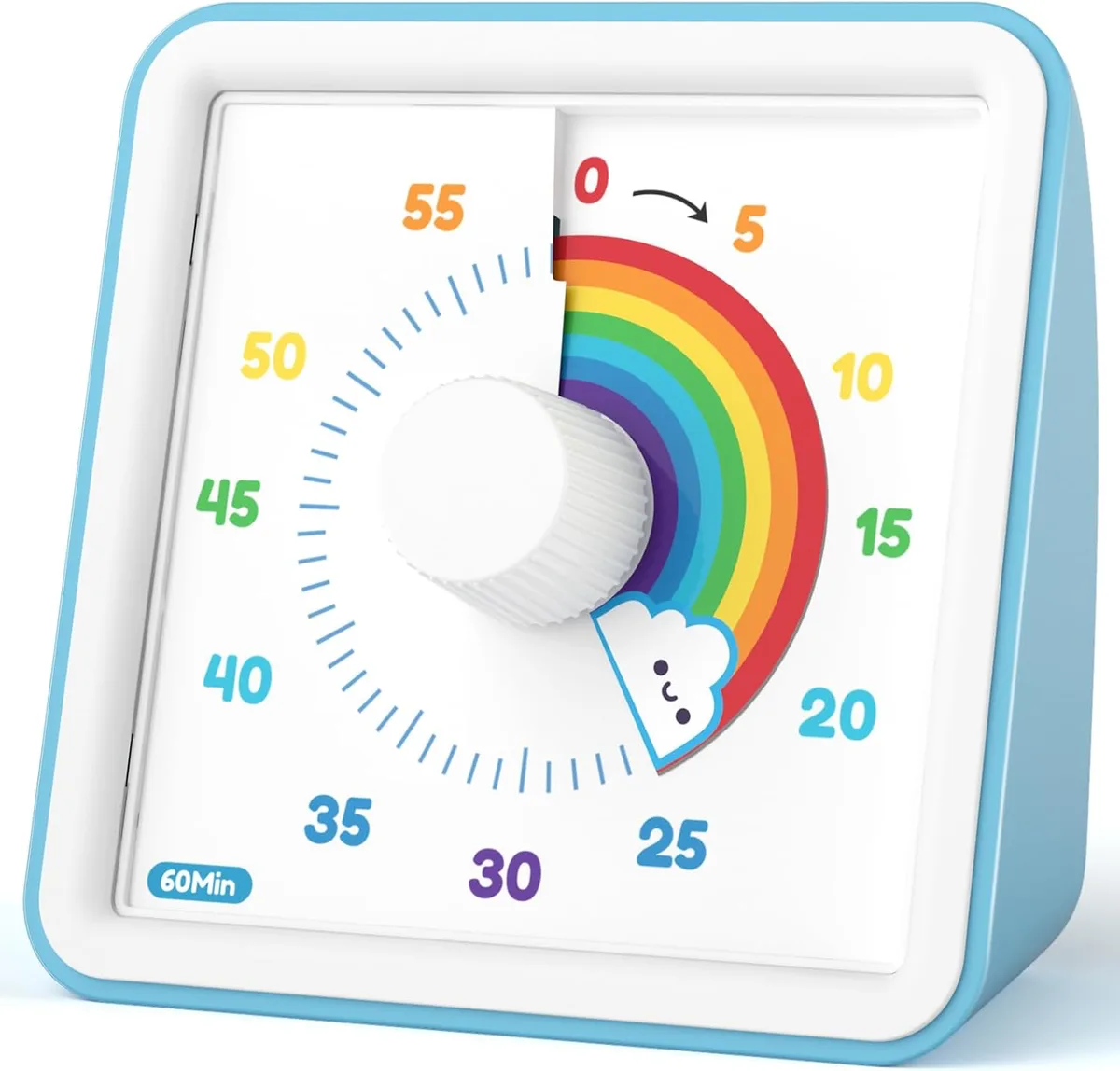
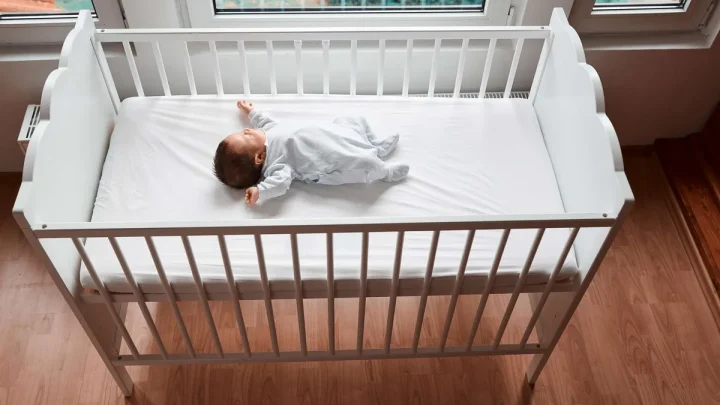
Image source: Bing (Web (fair-use with source credit))
Say, "When the red goes away, we start cleanup." Stick to this boundary. Do not negotiate. Consistency builds trust.
If you extend playtime once, you teach them that warnings are suggestions. Keep the tone neutral and firm.
Step 2: Physical Decompression
Once the timer ends, guide them into slow-movement activities. Avoid sedentary tasks initially. Try gentle stretching, animal walks, or rocking in a chair.
These actions engage the vestibular system, which helps regulate balance and mood.
Choose one simple movement pattern. Repeat it five times. Then slow it down.
This mimics the natural deceleration of a car coming to a stop. Jumping jacks raise heart rates. Slow lunges lower them.
Pick the latter.
Step 3: Low-Demand Connection
After movement, shift to a seated, quiet interaction. Read a familiar book or talk about one good thing from the day. Keep conversation light.
Avoid discussing school stress or upcoming events. The brain needs to disengage from problem-solving modes.
End with a final anchor activity. Brush teeth slowly. Wash face with warm water.
These repetitive, boring tasks signal safety. They tell the body that work is done. Place them in bed drowsy but awake to encourage self-settling skills.
Adapting the Routine for Neurodivergent or Sensitive Children
Standard workflows often miss the mark for neurodivergent kids. Sensory processing differences mean that typical calming techniques can sometimes increase agitation. For example, silence might feel threatening to a child who uses background noise to focus.
Tailor the environment to their specific profile. If your child seeks proprioceptive input, use deep pressure strategies. Weighted blankets can help, but safety is paramount.
Ensure the blanket weighs no more than ten percent of the child’s body weight. Check manufacturer guidelines carefully.

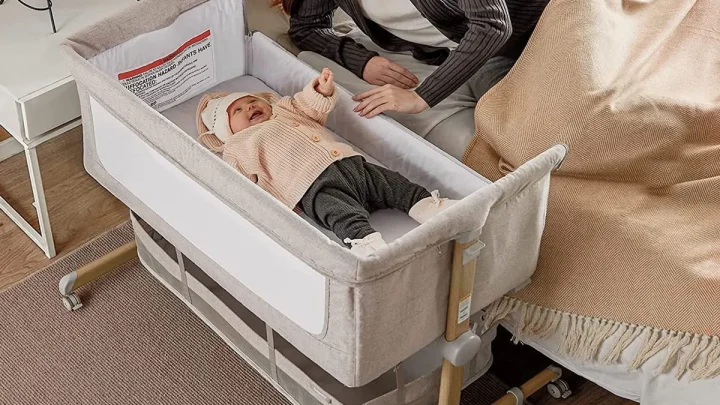
Image source: Bing (Web (fair-use with source credit))
For auditory-sensitive children, replace white noise with brown noise. Brown noise has lower frequencies and sounds less harsh. Test volume levels together.
Let them control the dial. Agency reduces power struggles.
Visual learners benefit from picture schedules. Show icons for each step: timer, stretch, brush, bed. Remove clutter from the bedroom.
Visible toys act as distraction magnets. Store them out of sight. Create a "boring" zone.
Consult resources from the American Academy of Pediatrics for updated guidance on sensory-friendly sleep environments. Their recommendations highlight the importance of individualized approaches over one-size-fits-all rules. Always prioritize comfort and safety over strict adherence to conventional norms.
Common Pitfalls That Sabotage Calmness
Even well-designed routines fail when hidden saboteurs interfere. Identifying these traps saves hours of nightly frustration. Most pitfalls stem from inadvertent stimulation or inconsistency.
First, watch out for screen residue. Blue light exposure suppresses melatonin production significantly. Aggregate reviews report that devices used within sixty minutes of bed disrupt sleep latency.
Turn off screens an hour prior. Charge them outside the bedroom.
Second, avoid engaging in debate. If a child argues about staying up longer, do not justify the rule. Repetition kills negotiation.
Say, "It’s time for bed," and walk away. Stay nearby if needed, but hold the boundary. Emotional neutrality de-escalates conflict faster than logic.
Third, check your own energy. Parents who are stressed transmit cortisol to children. Mirror neurons pick up on tension.
If you rush through the routine, your child speeds up too. Slow your speech. Lower your voice.
Model the calm you want to see.
Finally, beware of weekend drift. Shifting bedtime by ninety minutes on Saturdays confuses circadian rhythms. This "social jetlag" makes Monday nights harder.
Keep wake-up times consistent within one hour across all days. Stability anchors the internal clock.

Image source: Web (Bing) / sammobile.com (Web image (fair-use with source credit))
Environmental Tweaks That Support the Shift
Your home setup dictates how easily your child can wind down. If the bedroom feels like a playroom, their brain stays in active mode. You need to create distinct zones for high-energy fun and low-stimulation rest.
This spatial separation helps reduce cognitive load during transitions.
Start with lighting adjustments. Swap cool-white bulbs for warm-toned LEDs under 2700K. These wavelengths mimic sunset colors and support natural melatonin production.
Install dimmers so you can gradually lower brightness over twenty minutes. Sudden darkness can feel threatening, especially for younger kids.
Next, manage auditory inputs. Background noise often competes with internal calm. Use brown noise machines instead of white noise for a softer hum.
It masks household sounds without being jarring. Keep volume below fifty decibels.
Temperature plays a critical role too. Aim for a room between 65°F and 68°F (18°C to 20°C). A cooler environment facilitates the body’s natural temperature drop needed for sleep onset.
Pair this with breathable cotton bedding. Heavy synthetic fabrics trap heat and cause restless tossing.
Finally, clear visual clutter. Toys left out serve as constant reminders of unfinished play. Store them in bins outside the sleeping area.
A tidy space signals that the day is done. This simple step reduces anxiety about missing out on fun.
Frequently Asked Questions
How long should the wind-down period last?
Thirty to sixty minutes is ideal for most children. Toddlers often need less time because they tire faster. School-age kids may require the full hour to decompress from social interactions.
Watch for signs of drowsiness rather than sticking rigidly to the clock. Adjust based on your child’s specific energy levels.
What if my child refuses to stop playing?
Stay calm and hold the boundary firmly. Do not engage in arguments or negotiations. Use the visual timer mentioned earlier to provide an objective endpoint.
Offer limited choices, such as picking which pajamas to wear next. Distraction works better than confrontation. Redirect their focus to the next step in the routine immediately.
Can reading books keep my child awake?
Yes, if the content is too exciting or complex. Choose familiar stories with predictable plots. Avoid cliffhangers or scary themes near bedtime.
Non-fiction or poetry often works well because it lacks narrative tension. Keep your voice monotone and slow. The goal is boredom, not engagement.
Let them fall asleep while listening.
Is screen time really that bad before bed?
Blue light suppresses melatonin significantly. Even short exposures can delay sleep onset by thirty minutes or more. Tablets also provide dopamine hits that keep brains alert.
Stop all screens at least one hour before bed. Replace digital entertainment with physical activities like puzzles or drawing. This reset allows neurotransmitters to settle naturally.

Similar Posts