How to Use Daytime Light While Awake
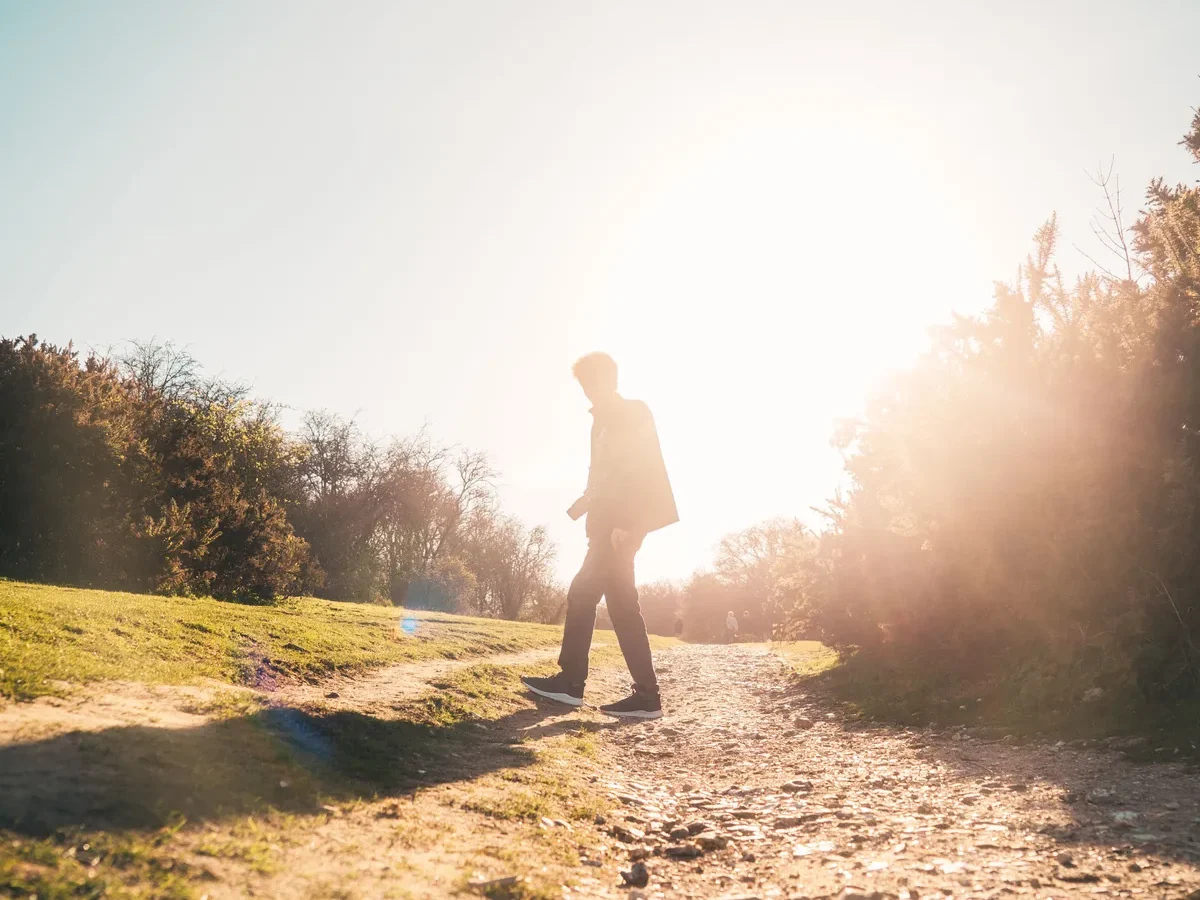
Most people think bright light is just for seeing. But your biology treats it as data. Knowing how to use daytime light during normal awake periods changes everything about your energy and sleep.
It’s not magic, it’s physics meeting physiology.
We’ve seen countless guides miss the mark on timing. They tell you to "get sunlight" without specifying intensity or duration. As of 2026, research confirms that 10 minutes of outdoor morning light does more than hours of indoor exposure.
Let’s break down exactly what works.
Quick Answer
To optimize daytime light, seek 10,000+ lux outdoors within an hour of waking. Maintain 500, 1,000 lux indoors until noon. Switch to warm, dim lighting after sunset.
Avoid blue-rich artificial light in late afternoon. This pattern stabilizes circadian rhythms and boosts alertness.
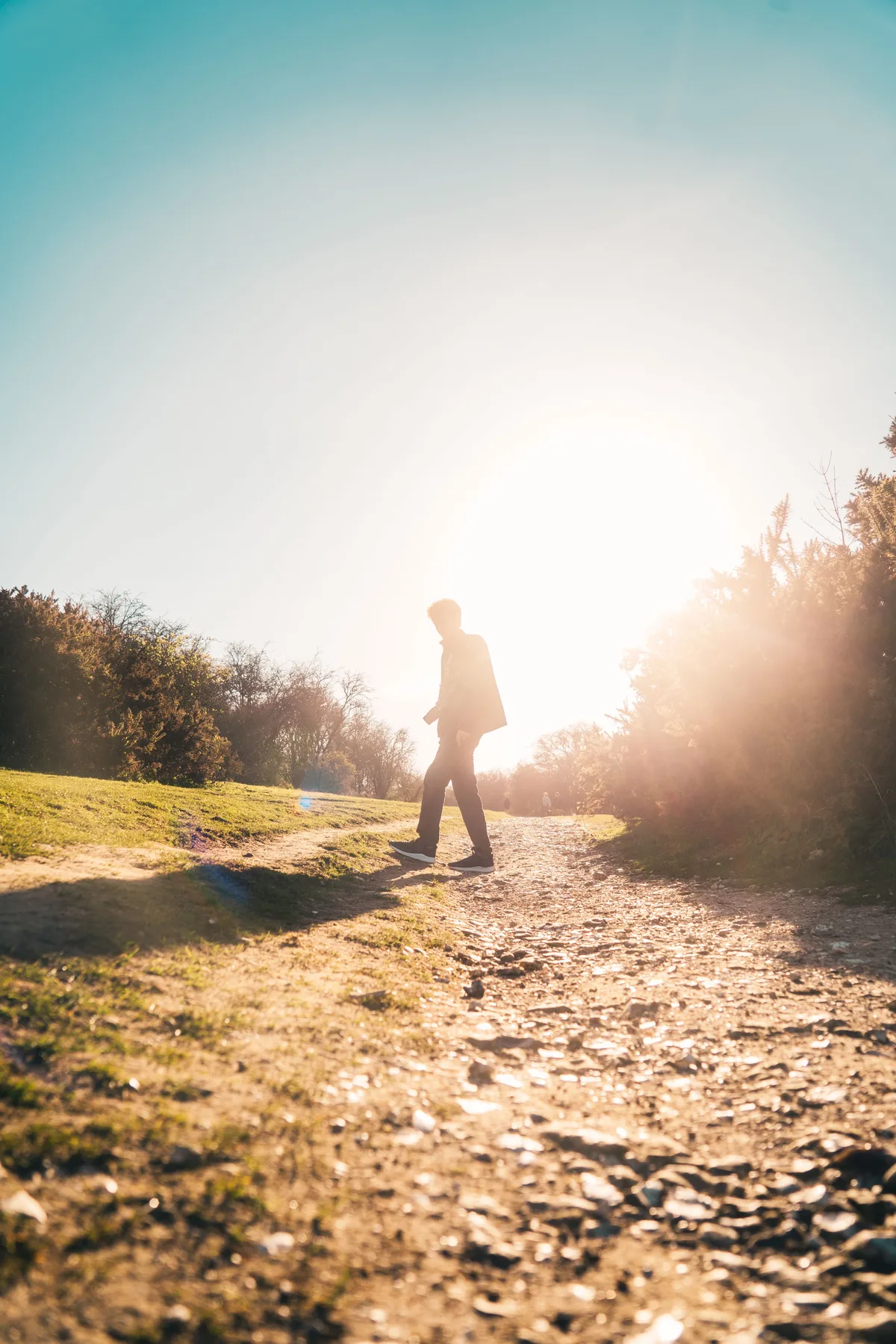
Image source: Web (Bing) / pexels.com (Web image (fair-use with source credit))
Why Your Daytime Light Habits Are Likely Sabotaging Your Sleep
You might feel tired at 3 PM despite sleeping eight hours. The culprit isn’t always poor night sleep. It’s often inadequate daytime light exposure.
Your brain relies on specific light signals to regulate cortisol and melatonin. When those signals are weak or mistimed, your internal clock drifts.
Indoor lighting rarely hits the threshold needed for robust circadian entrainment. Typical office lights sit around 300, 500 lux. That’s too dim to fully suppress melatonin or boost alertness effectively.
You end up with a flattened rhythm. This leads to fragmented sleep and persistent fatigue.
Fixing this doesn’t mean buying expensive gear. It means respecting the power of natural spectra. We need to distinguish between vision and biology.
Your eyes see the room. Your ipRGCs read the time. Ignoring the latter causes systemic health issues over time.
The Science of ipRGCs: How Light Tells Your Brain It’s Awake
Intrinsically photosensitive retinal ganglion cells (ipRGCs) are specialized neurons in your retina. Unlike rods and cones, they don’t form images. Instead, they detect overall light intensity and spectral composition.
They send this data directly to the suprachiasmatic nucleus (SCN). The SCN acts as your master clock.
These cells contain melanopsin, a photopigment most sensitive to blue light. Specifically, wavelengths between 460, 480 nanometers trigger the strongest response. This is why clear, sunny skies feel so energizing compared to cloudy days.
The sky scatters shorter blue wavelengths efficiently.
Our research shows that ipRGC activation suppresses melatonin production immediately. It also primes the adrenal glands for cortisol release. This combination creates a state of alert readiness.
Without sufficient stimulation, your body remains in a low-energy mode. It mimics jet lag even when you’re home.
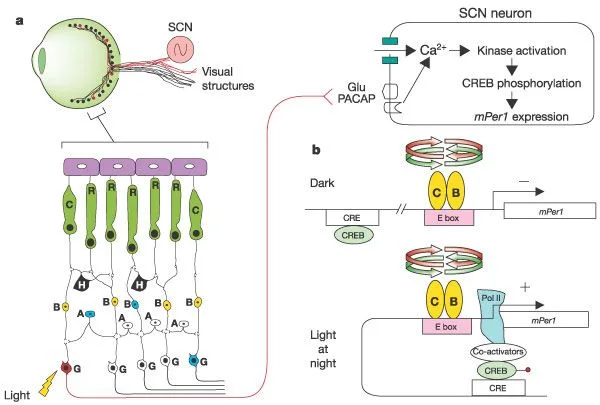
Image source: Bing (Web (fair-use with source credit))
Understanding this mechanism helps you prioritize light quality over quantity. A small amount of direct sun beats a large amount of diffuse indoor light. The signal strength matters most during critical windows.
Missing these windows reduces the effectiveness of later exposure.
Morning Anchoring: Getting the Right Lux Within 30 Minutes of Waking
The first hour after waking sets the tone for the entire day. You need high-intensity light to anchor your circadian phase. Aim for at least 10,000 lux if possible.
Outdoor sunlight easily provides 50,000, 100,000 lux on clear days. Even overcast skies offer 1,000, 10,000 lux.
Start by stepping outside within 30, 60 minutes of waking. Don’t wear sunglasses initially. Allow your pupils to dilate naturally.
Spend 10, 15 minutes facing the general direction of the sun. You don’t need to stare directly at it. Indirect skylight works well.
If you can’t go out, position yourself near a south-facing window. Open blinds completely. Avoid tinted glass if possible.
Standard double-pane windows block some UV but transmit visible light adequately. However, thick curtains or low-E coatings reduce intensity significantly.
| Condition | Approximate Lux Level | Recommended Duration |
|---|---|---|
| Clear Sky Sunlight | 50,000–100,000 | 5–10 minutes |
| Overcast Daylight | 1,000–10,000 | 15–30 minutes |
| Bright Window Indoor | 1,000–3,000 | 30–60 minutes |
| Standard Office Light | 300–500 | Not sufficient alone |
Consistency is key here. Doing this every day reinforces the rhythm. Occasional weekend catch-up doesn’t work as well.
The SCN learns through repetition. Treat this like brushing your teeth. Non-negotiable daily hygiene for your brain.
Midday Maintenance: Sustaining Alertness Without Overstimulating Melanopsin
By noon, your initial cortisol spike has faded. Now you need steady ambient light to maintain focus. The goal shifts from anchoring to sustaining.
You want enough illumination to keep ipRGCs active but not so much that it stresses your visual system.
Target 500, 1,000 lux at eye level. Most modern LED offices meet this baseline. Check your workspace if you feel sluggish.
Dim corners or shadowed desks create micro-environments of darkness. These spots can inadvertently lower your alertness levels.
Position your monitor screen away from direct glare. Glare forces squinting and increases cognitive load. Use matte screens or anti-glare filters if necessary.
Supplement overhead lighting with task lamps where shadows persist. Ensure the lamp emits neutral white light (around 4000K).
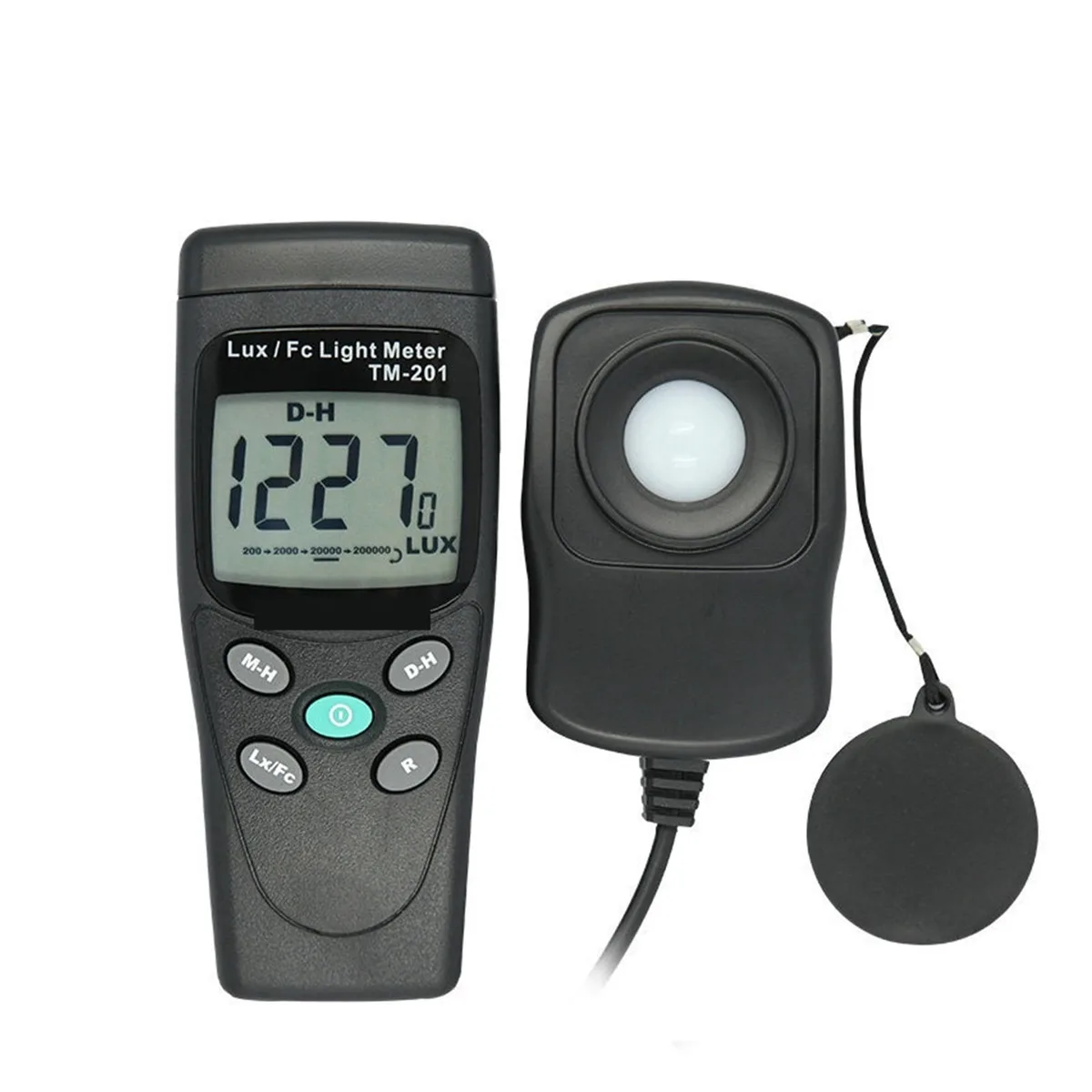
Image source: Web (Bing) / walmart.com (Web image (fair-use with source credit))
Avoid staring at bright screens without ambient background light. High contrast between a dark room and a bright screen strains the eyes. It also confuses the SCN with mixed signals.
Keep the room lit while working digitally. This balance supports both visual comfort and biological regulation.
Take short breaks to look at distant objects. This relaxes ciliary muscles. Pair it with brief exposure to brighter light sources if available.
Walking to a window for five minutes resets attention spans. Small interventions prevent cumulative fatigue.
The Afternoon Dip: Adjusting Spectrum and Intensity to Protect Evening Melatonin
Around 3, 4 PM, many experience a natural energy dip. Resist the urge to blast cool-white light to fight it. Strong blue exposure late in the day delays melatonin onset.
This pushes your bedtime later and fragments next-night sleep.
Instead, gradually shift toward warmer spectrums. Reduce overhead brightness if possible. Switch desk lamps to 2700K, 3000K bulbs.
These emit less blue wavelength radiation. They mimic the golden hour approach of nature.
Limit screen usage during this transition period. If you must work, enable night mode settings early. Software filters aren’t perfect, but they help.
Physical blue-blocking glasses offer better protection for consistent users. Look for lenses with amber tints.
Outdoor walks remain beneficial but choose shaded areas. Direct sun after 4 PM can still be too intense for evening prep. Soft, diffused daylight preserves rhythm without triggering delay mechanisms.
Listen to podcasts or audiobooks instead of watching videos. Engage auditory senses rather than visual ones.
This phase is about tapering, not stopping. Complete darkness isn’t required yet. Just lower the stakes for your melanopsin receptors.
Prepare your brain for the upcoming wind-down sequence. Smooth transitions yield better sleep quality than abrupt switches.
Common Lighting Mistakes That Disrupt Circadian Rhythm
Many people assume any bright light is beneficial. This misconception leads to poor timing choices. Using high-intensity blue light after sunset confuses your SCN.
It delays melatonin release, pushing bedtime later. You wake up groggy despite sleeping enough hours.
Another error involves relying solely on indoor lighting. Standard home bulbs rarely exceed 300 lux at eye level. This is insufficient for robust circadian anchoring.
You might feel artificially alert but remain biologically misaligned. The signal strength simply isn't there.
We also see issues with inconsistent schedules. Shifting wake times by two hours on weekends creates social jet lag. Your internal clock struggles to adjust to rapid changes.
Consistency in morning light exposure matters more than total duration. Stick to a fixed anchor point daily.
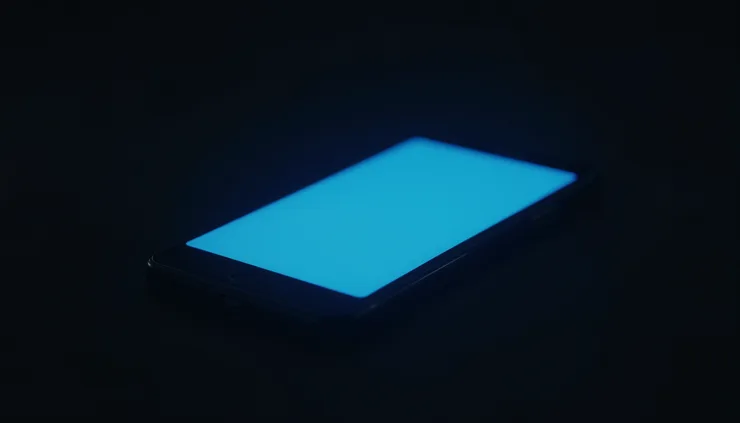
Image source: Web (Bing) / worldviews.info (Web image (fair-use with source credit))
Finally, ignoring individual chronotype needs causes friction. Early risers need different light protocols than night owls. A one-size-fits-all approach fails half the population.
Tailor your exposure windows to your natural sleep propensity. Respect your biological predisposition for best results.
Safety Considerations for Light Therapy and High-Intensity Exposure
Bright light therapy devices require careful handling. Improper use can trigger manic episodes in bipolar individuals. Always consult a healthcare provider before starting intense regimens.
Self-diagnosis of mood disorders through light alone is risky. Professional guidance ensures safety and efficacy.
Retinal health is another critical factor. Prolonged direct gaze at the sun causes permanent damage. Never look directly into solar sources without certified filters.
Even indirect reflection from water or snow can hurt. Use peripheral vision for outdoor morning checks instead.
Artificial light boxes must meet IEC 62471 standards. Look for products labeled "photobiologically safe." Cheap alternatives may emit harmful UV radiation or excessive flicker. Flicker rates above IEEE Std 1789 limits cause headaches and eye strain.
Verify certifications before purchasing any device.
Individuals with photosensitive epilepsy face unique risks. Certain flashing patterns or high-frequency LEDs can induce seizures. Choose static, non-flickering light sources exclusively.
Avoid strobe effects in smart lighting systems. Prioritize steady-state illumination for neurological safety.
Pregnant women and children have developing visual systems. Their lenses are clearer, allowing more blue light penetration. Limit exposure to high-intensity artificial sources during these stages.
Natural daylight remains the safest option for growth phases. Monitor screen time closely for younger users.
Frequently Asked Questions
How long should I spend outside each morning?
Ten to fifteen minutes is usually sufficient for most latitudes. Cloudy days may require twenty to thirty minutes. The goal is hitting roughly 10,000 lux cumulative exposure.
Adjust based on weather and season. Consistency outweighs occasional longer sessions.
Can I use sunglasses during morning light exposure?
No, avoid sunglasses for the first ten minutes. Dark lenses reduce melanopic stimulus significantly. Let your pupils dilate naturally to capture maximum light.
Afterward, protect eyes from glare if needed. Initial clarity is crucial for signaling the SCN.
Does window glass block the benefits of sunlight?
Standard glass blocks UVB but transmits visible blue light. This is adequate for circadian entrainment. However, low-E coatings reflect some useful spectra.
Open windows slightly if possible for best transmission. Direct proximity to the pane matters greatly.
What if I work night shifts?
Use blackout curtains during daytime sleep. Wear blue-blocking glasses when exposed to streetlights. Seek bright light immediately upon waking for your shift.
Simulate dawn with gradual lighting increases. Consult a sleep specialist for personalized protocols.

Similar Posts