Baby Skipped Nap? Here’s What to Do Next

You’ve got the schedule pinned down. The clock hits nap time, but your baby is wide awake and ready for play. Figuring out what to do when baby skips an expected nap feels stressful in the moment.
You worry about overtiredness ruining the night. But panic isn’t necessary. This happens often as development shifts.
The right move depends entirely on why the skip occurred. Was it a growth spurt? A missed cue?
Or just normal variability? Research shows that rigid adherence to clocks causes more stress than flexibility. We’ll walk through the decision tree below.
First, you need to diagnose the state. Then, you pick the correct branch.
Quick Answer
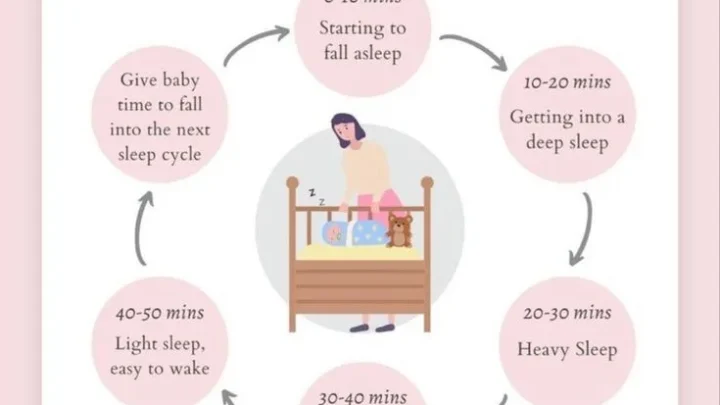
When baby skips a nap, check their mood first. If happy, engage in active play. If fussy, start wind-down immediately.
Never force sleep on an alert child. Instead, shorten the next wake window by 15-30 minutes. Move bedtime earlier by 30-60 minutes.
This prevents overtired cortisol spikes. It restores balance without fighting the baby.
Image source: Web (Bing) / momjunction.com (Web image (fair-use with source credit))
The First 10 Minutes: Diagnose Your Baby’s State
Stop looking at the clock. Look at your baby instead. The first ten minutes determine everything else.
You need to identify if they are undertired or overtired. These states require opposite responses. Getting this wrong creates a battle you cannot win.
Check for Overtired vs. Undertired Cues
Undertired babies look bright-eyed and engaged. They smile during tummy time. They kick legs rhythmically.
Their skin color remains consistent. They make eye contact easily. Conversely, overtired signs are subtle at first.
Watch for glazed eyes. Notice if they pull ears or rub nose. Red eyebrows signal high fatigue.
Yawning is a late-stage indicator. Don’t wait for tears. Tears mean the train has left the station.
Our research indicates that misreading these cues is the top error parents make. Many assume fussiness equals hunger. But if feeding doesn’t settle them, it’s likely fatigue.
Trust the behavioral markers over the hourly chart. A baby who was napping well yesterday might be different today. Developmental leaps change sleep pressure rapidly.
As of 2026, pediatric sleep consultants emphasize cue-based scheduling over strict timers. This approach reduces parental anxiety significantly.
Assess Recent Sleep Debt and Wake Window Accuracy
Look back at the last 24 hours. Did they take short naps previously? Were there early wakings?
Accumulated sleep debt lowers tolerance for daytime stimulation. Calculate the actual time since waking up. Compare this to age-appropriate wake windows.
For example, a six-month-old typically handles two to two-and-a-half hours awake. If they’ve been up three hours, they are overdue.
However, if they woke up forty-five minutes ago, they aren’t tired yet. Pushing for sleep then guarantees resistance. Context matters immensely here.
Illness teething or travel disrupts baseline needs. Adjust your expectations accordingly. If the previous night was fragmented, expect shorter day stamina.
Use this history to inform your immediate next step. Don’t treat every skipped nap as identical. The cause dictates the cure.
Decision Branch 1: The "Undertired" Skip (Baby is Happy and Alert)
Your baby is smiling. They are kicking. They want to interact.
Do not put them in the crib. Forcing sleep on an undertired infant creates negative associations with the bed. They will fight you.
They will cry from frustration, not exhaustion. This damages trust in the routine.
Instead, pivot to active engagement. Offer stimulating play. Get outside if weather permits.
Natural light boosts circadian rhythm regulation. Physical movement builds adenosine, the chemical that drives sleep pressure. Let them crawl reach or explore safely.
Keep the environment bright and noisy. This contrasts sharply with the dim quiet needed for sleep. By staying awake longer, you build sufficient drive for the next opportunity.

Image source: Web (Bing) / heypoppins.com (Web image (fair-use with source credit))
Monitor the clock closely during this phase. Track the elapsed time since waking. You are effectively resetting the timer.
The goal is to catch the next wave of tiredness. This usually arrives within sixty to ninety minutes depending on age. Stay observant.
The transition from happy to tired can happen quickly. Once you see the first sign of rubbing eyes, stop play. Begin the wind-down process immediately.
Delaying past this point risks tipping into overtiredness. Flexibility here saves the rest of the day. You avoid the meltdown spiral by respecting their current energy level.
Decision Branch 2: The "Overtired" Skip (Baby is Fussy, Clingy, or Hectic)
This scenario demands speed. Your baby is screaming arching back or refusing comfort. Cortisol levels are spiking.
Adrenaline masks natural sleep signals. You must bypass the standard long wind-down. There is no time for a bath or storybook reading.
Those activities may overstimulate further.
Go straight to the dark room. Use white noise loudly. Swaddle if age-appropriate.
Hold them upright against your chest. Rock gently but firmly. The objective is containment and calm.
Do not try to transfer them to the mattress yet. Keep holding until deep sleep sets in. This might take twenty minutes.
Patience is critical here. Fighting the urge to put them down too early ensures success.

Image source: Bing (Web (fair-use with source credit))
If they refuse the crib even while asleep, accept a carrier nap. Safety guidelines from the American Academy of Pediatrics prioritize safe positioning. Ensure airways remain clear.
Head support is vital. Do not leave them unattended in a swing or car seat for prolonged periods. The priority is rest, not perfect form.
Once they are settled, let them sleep. Do not wake them prematurely. This nap serves as recovery.
It stabilizes hormones for the evening. Accept that this day looks different from the plan. Recovery takes precedence over consistency in crisis moments.
Decision Branch 3: The "Illness or Regression" Variable
Sometimes the skip isn’t about timing. It’s about biology. Teething pain fever or ear infections alter sleep architecture drastically.
During illness, comfort outweighs training. Ignore the schedule completely. Feed on demand.
Soothe constantly. Co-sleep if safe practices allow. The body heals during rest regardless of location.
Developmental regressions like learning to stand also disrupt naps. Babies practice new skills in the crib. They get frustrated when they can’t sit back down.
This isn’t defiance; it’s cognitive overload. Pause sleep training efforts temporarily. Focus on daytime practice.
Let them cruise along furniture for extended periods. Tire them out physically before nap time. Reduce environmental distractions.
Blackout curtains help minimize visual stimuli.
During these phases, total daily sleep often drops slightly. That is acceptable. Short-term deficits resolve once the milestone passes or health improves.
Do not introduce new rules during chaos. Maintain warmth and responsiveness. Your presence regulates their nervous system better than any gadget.
Wait for stability before returning to structured routines. Rushing back too soon triggers setbacks. Listen to your child’s unique signals during disruption.
Adaptability builds resilience for both parent and baby.
The Next-Day Reset: Preventing a Domino Effect
One bad day shouldn’t ruin the week. The morning after a skipped nap requires precision. You must anchor the wake-up time strictly.
Do not let them sleep in to “catch up.” Oversleeping in the morning pushes all subsequent naps later. This creates a reverse cycle where nights become days.
Set an alarm for the usual rising time. Open blinds immediately. Expose them to sunlight.
This resets the circadian clock. Even if they are groggy, keep interactions low-key but present. Avoid heavy stimulation until breakfast.
Feed normally. Watch for early tired cues throughout the day. They may appear sooner than usual due to residual debt.

Image source: Bing (Web (fair-use with source credit))
Tighten wake windows by fifteen to thirty minutes across the board. If the standard window is two hours, aim for one hour forty-five. This compensates for lower stamina.
Observe closely. Stop play at the first yawn. Do not push through fatigue hoping for a longer nap.
Short frequent naps are better than none. Restore the baseline gradually over two to three days. Consistency in the morning anchors the entire schedule.
Deviating here undoes all previous corrective work. Stick to the script despite temptation to snooze. Discipline in parenting logistics yields peace later.
Common Mistakes That Turn a Skipped Nap into a Nightmare
Trying to rescue the nap is the most frequent error. Parents often persist for twenty minutes past resistance. This escalates frustration quickly.
If your baby cries harder, stop immediately. Pushing through fatigue releases more cortisol. This hormone blocks melatonin production effectively.
You end up with an overtired child who cannot sleep at night either. The battle becomes unwinnable. Accept the skip gracefully instead.
Move straight to the next activity or early bedtime. Do not view the failed attempt as a defeat. It is simply data for tomorrow’s schedule.
Another trap involves ignoring hunger cues. Babies sometimes confuse thirst with tiredness. Offering milk can settle them briefly.
But if they remain fussy after feeding, it is likely fatigue. Do not assume food solves everything. Watch their eyes and body language closely.
A hungry baby latches eagerly. An overtired baby pulls away or arches back. Misdiagnosing this leads to prolonged crying spells.
Always prioritize rest signals over feeding schedules during these moments. Trust behavior over the clock. Rigid adherence to meal times causes unnecessary stress.
Flexibility saves sanity for everyone involved.
FAQ: Quick Answers for Specific Scenarios
Should I wake my baby from a long nap?
No. Let them finish naturally unless it disrupts night sleep severely. Waking interrupts deep restorative cycles.
This creates grogginess and irritability later. Allow the full duration whenever possible. Only intervene if the nap extends past four hours in older infants.
Even then, gentle waking is preferable to abrupt noise. Protect their sleep inertia carefully. Consistency matters more than perfect timing occasionally.
How many naps should I expect per day?
Newborns take four to six short naps. By six months, most transition to two or three. Around twelve months, one solid afternoon nap emerges.
Two-year-olds often drop to one. Individual variation exists widely. Some babies need less daytime sleep.
Others require more frequent breaks. Follow your child’s specific cues rather than average charts. Age ranges provide guidelines only.
Your baby’s unique rhythm dictates the true requirement. Observe patterns over weeks to establish norms.
Can a skipped nap cause night wakings?
Yes, paradoxically. Overtiredness increases nighttime arousal thresholds. Babies wake frequently seeking comfort.
They struggle to self-soothe when exhausted. Conversely, undertiredness reduces sleep pressure. This leads to difficulty falling asleep initially.
Both extremes disrupt continuity. Balance is key. Aim for moderate tiredness levels.
Avoid pushing too hard or too little. Monitor total daily sleep volume closely. Adjust wake windows to maintain equilibrium throughout the day.
What if my baby refuses the crib entirely?
Try a different location temporarily. A stroller walk or carrier nap works well. Change of scenery resets associations.
Return to the crib once calm persists. Do not force confrontation repeatedly. This builds aversion to sleeping spaces.
Use quiet time on a mat instead. Reading books or soft music helps decompression. Gradual re-introduction proves effective over several days.
Patience yields better results than strict enforcement. Respect boundaries while maintaining safety standards always.

Similar Posts