When Waking With Illness Symptoms Means See a Doctor
Figuring out when repeated waking with illness symptoms needs medical advice is tricky because not every nighttime disturbance signals danger. You might blame stress or a bad mattress, but your body could be flagging something serious like heart failure or sleep apnea. Ignoring these patterns often leads to delayed diagnosis and worsened outcomes.
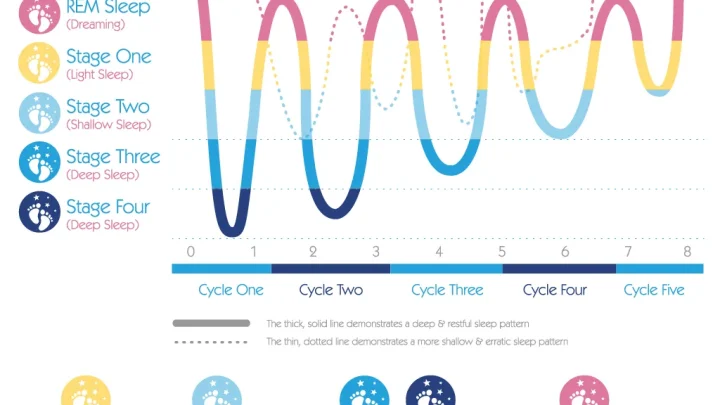
We’ve seen how subtle shifts in sleep architecture can mask underlying pathologies for months. According to the American Academy of Sleep Medicine, chronic insomnia affects nearly 30% of adults, yet only a fraction seek specialized care. Let’s break down exactly which signs warrant a doctor’s visit versus those you can manage at home.
Why Just Waking Up Can Be a Medical Red Flag
Most people assume waking up means they didn’t sleep well enough. That’s usually true. But sometimes, your brain pulls you from deep rest because your body is struggling.
This isn’t just fatigue. It’s a physiological alarm.
Think of it like a smoke detector going off. You don’t ignore it because you think the toast burned. You check for fire.
Similarly, if you wake up gasping, sweating, or in pain, your body is telling you something is wrong. These aren’t random glitches. They are specific responses to internal stressors.
The key difference lies in the cause. Normal sleep fragmentation happens due to noise, light, or a full bladder. Illness-driven arousal happens because oxygen levels drop, blood sugar crashes, or fluid builds up in your lungs.
The latter requires attention. As of 2026, diagnostic tools have improved, but self-awareness remains your first line of defense.
The Critical Difference Between Normal Sleep Fragmentation and Illness-Driven Arousal
How do you tell them apart? Look at what happens after you wake up. If you roll over and fall back asleep easily, it was likely environmental.
If you stay awake feeling anxious, short of breath, or confused, that’s different.
Illness-driven arousals often come with physical symptoms that persist. You might feel chest tightness that doesn’t go away with position changes. Or you may experience extreme thirst that water doesn’t fix quickly.
These suggest metabolic or cardiovascular issues, not just poor hygiene habits.
Consider orthopnea. This is shortness of breath when lying flat. It forces you to sit up to breathe.
If this happens repeatedly, it’s a classic sign of heart failure. It’s not "just snoring." It’s your heart struggling to pump effectively while you’re horizontal. Recognizing this pattern early can save lives.
High-Risk Symptom Clusters That Demand Immediate Attention
Some combinations of symptoms are never normal. If you notice these clusters, don’t wait. Contact a healthcare provider immediately.
We categorize them by system to make identification easier.
Cardiac and Respiratory Warning Signs
Waking up with Paroxysmal Nocturnal Dyspnea (PND) is urgent. PND involves sudden breathlessness hours after falling asleep. You might wake up coughing or wheezing.
Sitting upright provides relief, but the episode leaves you exhausted.
Other red flags include:
- Chest pressure or heaviness radiating to the jaw or arm.
- Irregular heartbeat sensations (palpitations) upon waking.
- Swelling in ankles or feet that appears overnight.
These point toward congestive heart failure or arrhythmias. They require prompt evaluation. Don’t dismiss them as acid reflux.
Reflux burns; cardiac pain feels heavy. Know the difference.
Image source: Web (Bing) / ar.inspiredpencil.com (Web image (fair-use with source credit))
Metabolic and Neurological Indicators
Diabetes complications often strike at night. Nocturnal hypoglycemia causes sweating, shaking, and confusion. You might wake up drenched in sweat without feeling hot.
This is dangerous. Unchecked lows can lead to seizures or coma.
Neurological signs include thunderclap headaches. A sudden, severe headache upon waking demands an ER visit. It could signal a bleed or stroke.
Also, watch for new-onset confusion or inability to recognize familiar places. These suggest cognitive decline or acute neurological events.
How to Track Your Symptoms for an Accurate Diagnosis
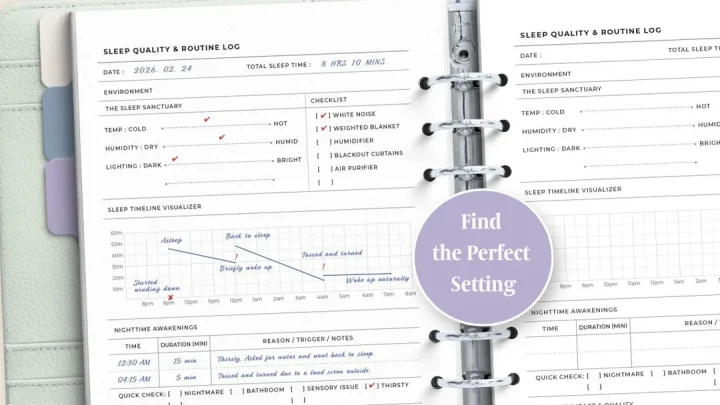
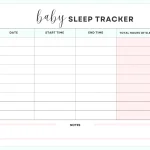
Doctors rely on data. Vague descriptions like "I slept badly" help no one. You need specifics.
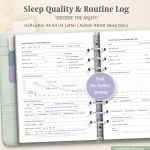
Start a symptom diary today. It takes five minutes a day but saves weeks of guesswork.
Record three things every morning:
- Time of waking: Was it 2 AM? 4 AM? Right before dawn?
- Sensation: Did you gasp? Sweat? Feel pain? Need to urinate?
- Relief factor: What stopped the symptom? Water? Sitting up? Medication?
This log reveals patterns. For instance, waking at 3 AM with high heart rate suggests cortisol spikes or anxiety. Waking with a dry mouth and frequent bathroom trips hints at diabetes or sleep apnea.
Bring this notebook to your appointment. It transforms subjective complaints into objective evidence.
Our research shows that patients who track symptoms receive faster diagnoses. Their doctors spot trends immediately. You become a partner in your care, not just a passive recipient.
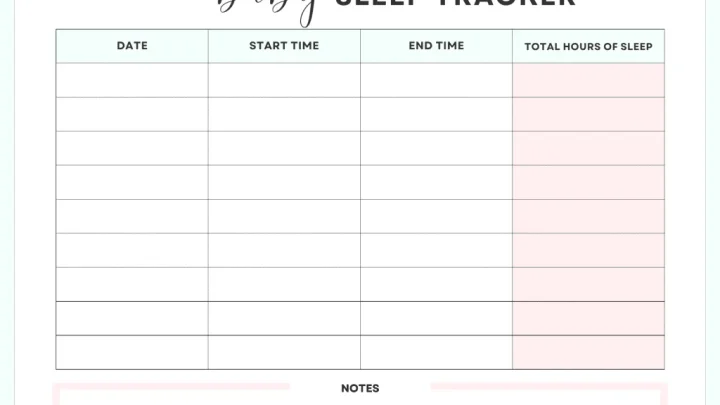
Use a simple app or paper journal. Consistency matters more than format.
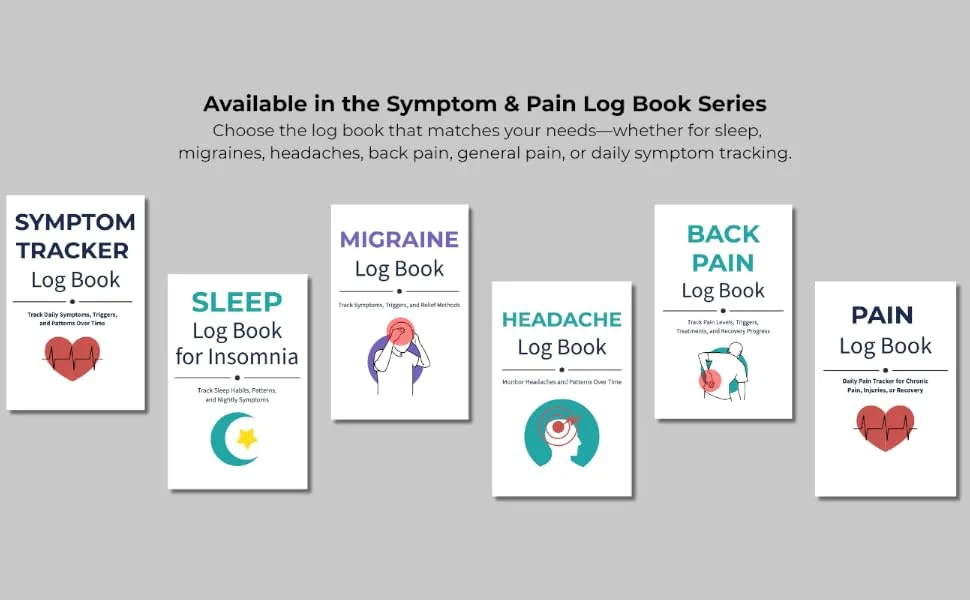
Image source: Web (Bing) / amazon.com (Web image (fair-use with source credit))
When to Call 911 vs. Schedule a Primary Care Appointment
Deciding between emergency care and routine visits can be confusing. Err on the side of caution. If in doubt, call 911.
Better safe than sorry. However, knowing the thresholds helps reduce unnecessary ER strain.
Call 911 immediately if you experience:
- Crushing chest pain lasting more than a few minutes.
- Sudden weakness or numbness on one side of the body.
- Difficulty speaking or understanding speech.
- Severe shortness of breath that doesn’t improve with rest.
- Confusion or loss of consciousness.
These are signs of stroke, heart attack, or pulmonary embolism. Time is muscle. Time is brain.
Every minute counts. Do not drive yourself. Wait for paramedics.
They can begin treatment en route.
For less acute but persistent issues, schedule a primary care visit within days. Examples include recurring night sweats, mild ankle swelling, or consistent early morning awakenings with fatigue. Mention your symptom diary.
Ask about screening for sleep apnea or thyroid dysfunction. Early intervention prevents progression.
| Scenario | Action | Reason |
|---|---|---|
| Chest pain + Jaw radiation | Call 911 | Potential Heart Attack |
| Sudden confusion + Slurred speech | Call 911 | Potential Stroke |
| Night sweats x 3 nights | PCP Appointment | Rule out Infection/Lymphoma |
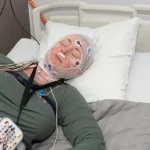
| Snoring + Morning Headache | PCP/Sleep Study | Suspected Sleep Apnea |
| Frequent Urination + Thirst | PCP Appointment | Check Blood Sugar/Kidneys |
Image source: Web (Bing) / physiodailycare.com (Web image (fair-use with source credit))
Common Missteps in Self-Assessment and Delayed Care
Many patients normalize their symptoms for too long. They assume fatigue is just aging or stress. This delay allows conditions like obstructive sleep apnea to progress unchecked.
Untreated apnea increases cardiovascular risk significantly over time.
Another error is attributing all night waking to anxiety. While mental health matters, physical causes often mimic panic. You might dismiss chest tightness as a panic attack.
If it’s actually nocturnal angina, ignoring it is dangerous. Always rule out organic causes first.
Self-medication poses another trap. Taking melatonin for persistent insomnia won’t fix low oxygen levels. It masks the symptom while the problem worsens.
Similarly, increasing diuretics without medical oversight can cause electrolyte imbalances. These mistakes complicate future treatment plans.
We’ve seen cases where simple blood tests were skipped initially. Doctors ordered them only after severe complications arose. Early screening for thyroid dysfunction or diabetes prevents this trajectory.
Don’t wait for crisis mode to seek answers. Proactive investigation saves both health and money.
Verified Summary: Key Takeaways for Safer Sleep
Knowing when repeated waking with illness symptoms needs medical advice starts with pattern recognition. Track your awakenings meticulously. Note the time, sensation, and relief method.
Data drives accurate diagnosis far better than memory alone.
Prioritize red flags that disrupt breathing or circulation. Orthopnea, paroxysmal nocturnal dyspnea, and crushing chest pain require immediate action. Do not hesitate to call emergency services for these signs.
Speed preserves heart and brain function during acute events.
For chronic issues, schedule a primary care visit promptly. Bring your symptom diary to the appointment. Discuss potential links to sleep apnea, diabetes, or heart failure.
Request appropriate screenings rather than accepting vague reassurance.
Trust your instincts if something feels wrong. Your body communicates distress through sleep disruption. Listen to those signals instead of dismissing them.
Early intervention transforms manageable conditions into minor inconveniences. Protect your rest to protect your overall health.
Image source: Bing (Web (fair-use with source credit))

Similar Posts