How to Calmly Handle Frequent Night Waking
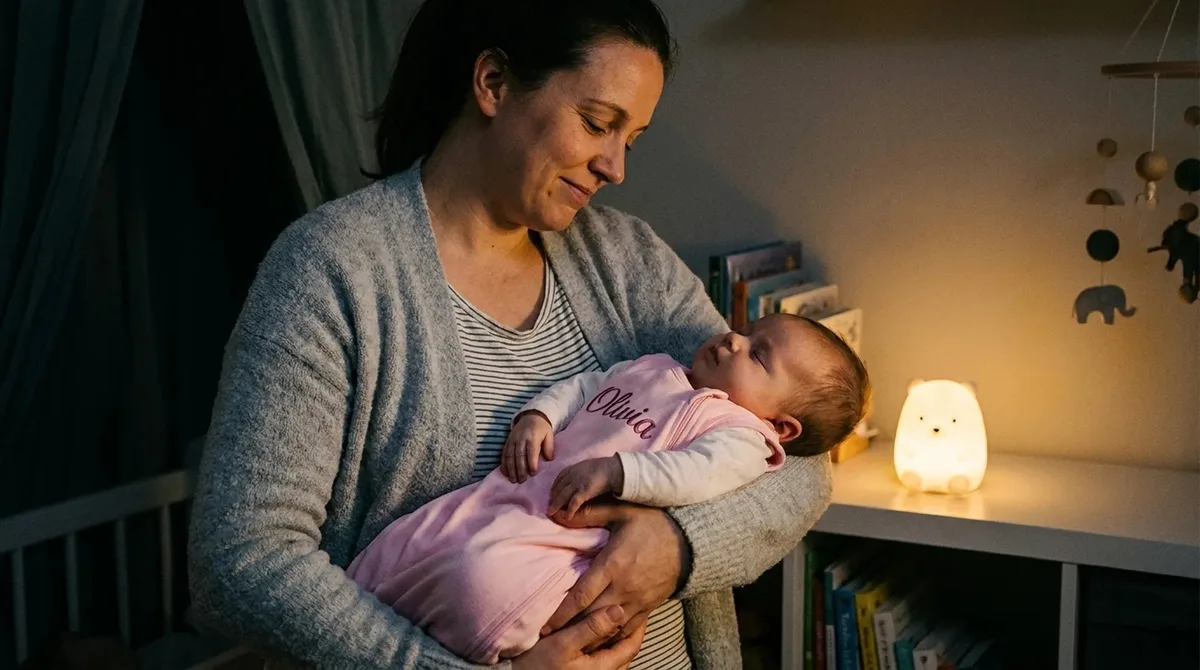
Knowing how to respond calmly to frequent night waking feels impossible when you’re exhausted. But panic makes it worse. Your reaction sets the tone for the entire night.
If you rush in frantically, your child senses stress and stays awake longer.
Research shows that consistent, low-stimulation responses help infants return to sleep faster. The American Academy of Pediatrics recommends keeping lighting below 5 lux during night interactions. This preserves melatonin production.
Let’s break down exactly what to do, step by step, based on your specific situation.
Why Your Reaction Matters More Than the Wake-Up
Your baby doesn’t just hear noise. They feel your energy. When a child wakes up, they check their environment for safety cues.
A frantic parent signals danger. A calm parent signals "all is well."
This distinction drives everything. High cortisol levels in both parent and child prevent deep sleep re-entry. You might think you’re helping by rushing over.
Actually, you’re often interrupting a natural self-soothing attempt.
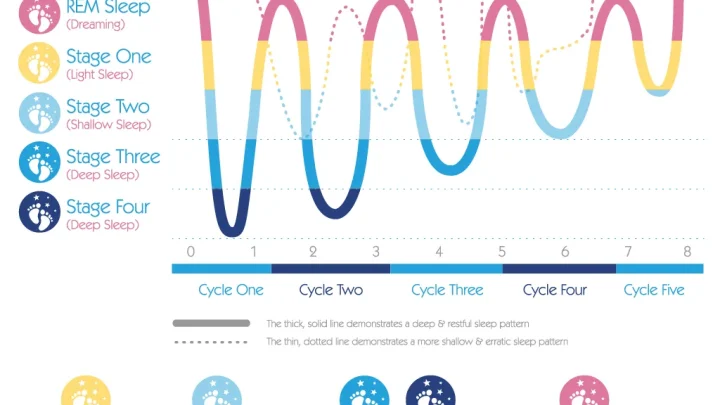
Think of it this way. Night wakings are normal biological events. Babies cycle through light and deep sleep roughly every 45 to 60 minutes.
Brief arousals happen to everyone. Adults roll over and forget. Babies don’t have that muscle memory yet.
Your job isn’t to stop them from waking. It’s to teach them how to go back to sleep without full intervention. That starts with your own regulation.
If you enter the room angry or desperate, the interaction becomes stimulating. Light turns on. Voices rise.
The brain switches from "sleep mode" to "alert mode."
Keep it boring. Keep it quiet. Keep it dark.
This approach respects the biology of sleep while building independence. It works because it removes the reward of attention for waking up. Instead, it offers comfort only when necessary.
The 3-Step Triage: Pause, Assess, Act
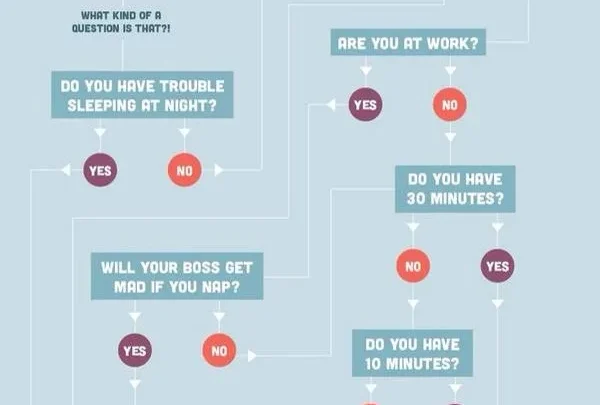
Don’t react instantly. Use this workflow for every single waking. It prevents accidental reinforcement of bad habits.
1. Pause.
Wait 2 to 5 minutes before entering the room. Listen closely. Is it a true cry?
Or just fussing? Many babies grumble, arch backs, or whimper while still half-asleep. If you rush in now, you wake them fully.
Give them a chance to settle themselves.
2. Assess.
If the crying escalates, go in. Check three things quickly:
- Diaper: Is it wet or dirty? Change if needed, but keep lights off.
- Temperature: Are they sweating or cold? Adjust layers minimally.
- Pain/Illness: Look for fever, ear tugging, or unusual distress signs.
3. Act.
Choose your response based on the assessment.
- Hunger: Feed quietly. No eye contact. Dim light only.
- Comfort: Pat, shush, or offer pacifier. Stay seated. Don’t pick up unless necessary.
- Distress: Pick up briefly to soothe. Put down as soon as calm. Repeat if needed.
This triage system stops you from guessing. It gives you a clear path forward even at 3 AM. You aren’t deciding in the moment.
You’re following a protocol. That reduces mental load significantly.
| Condition | Action | Goal |
|---|---|---|
| Fussing/Whimpering | Wait 2-5 mins | Allow self-settling |
| True Cry + Wet Diaper | Quiet change | Hygiene/Safety |
| True Cry + Hunger | Feed in dim light | Nutrition |
| Escalating Distress | Minimal soothing | Re-assurance |
Branch A: When to Rush In (Hunger, Pain, Illness)
Some nights require immediate action. Ignoring these signals harms trust and health. Know the red flags.
Newborns (0-3 Months):
They cannot self-soothe. Hunger is frequent. Respond immediately to cries.
Their stomach capacity is small. Waiting too long leads to overtiredness and difficult feeds. Follow CDC safe sleep guidelines strictly.
Always place them on their back. Never let them fall asleep sitting up if unsafe.
Illness Signs:
If your child has a fever, vomits, or seems lethargic, skip the wait time. Comfort them directly. Hold them upright if breathing is hard.
Call your pediatrician if symptoms persist. Sleep training pauses during illness. Resume only after recovery.
Teething Peaks:
Around 6-8 months, teeth cut gums. Pain spikes at night. Soothing helps.
Offer a chilled teether before bed. At night, gentle gum pressure or medication (if prescribed) may be needed. Don’t force independence here.
Comfort builds security. Once pain subsides, return to routine.
Separation Anxiety Spikes:
Between 8-18 months, object permanence matures. They realize you exist elsewhere. Crying stems from fear, not habit.
Quick reassurance works best. Say "I’m here." Touch them lightly. Leave once calm.
Prolonged absence worsens anxiety. Short, predictable visits rebuild trust.
Remember: Responsiveness isn’t spoiling. It’s parenting. Meeting genuine needs creates a secure base.
Children who feel safe sleep better long-term. Distinguish between need and want. Need equals survival or health.
Want equals preference. Address needs first.
Branch B: When to Wait It Out (Self-Soothing & Habit Breaking)
For healthy children over 4-6 months, waiting is powerful. It teaches resilience.
The Logic:
Babies learn that crying brings parents. If you always appear instantly, they rely on external help. By pausing, you show confidence in their ability.
They discover they can drift back to sleep alone. This skill lasts a lifetime.
How to Execute:
Start with short intervals. Set a timer for 2 minutes. Do not enter.
Listen. If crying stops, great. If it continues, enter briefly.
Shush or pat for 30 seconds. Leave again. Repeat.
Gradually extend the wait time. Over weeks, the interval grows. Eventually, they self-settle without you entering.
Consistency is key. One night of giving in resets progress. Stick to the plan.
Bedside Presence Method:
Some families prefer staying nearby. Sit in a chair next to the crib. Do not talk.
Do not touch unless escalating. Just be there. This provides security without active soothing.
Move the chair further away each week. Eventually, you exit the room entirely.
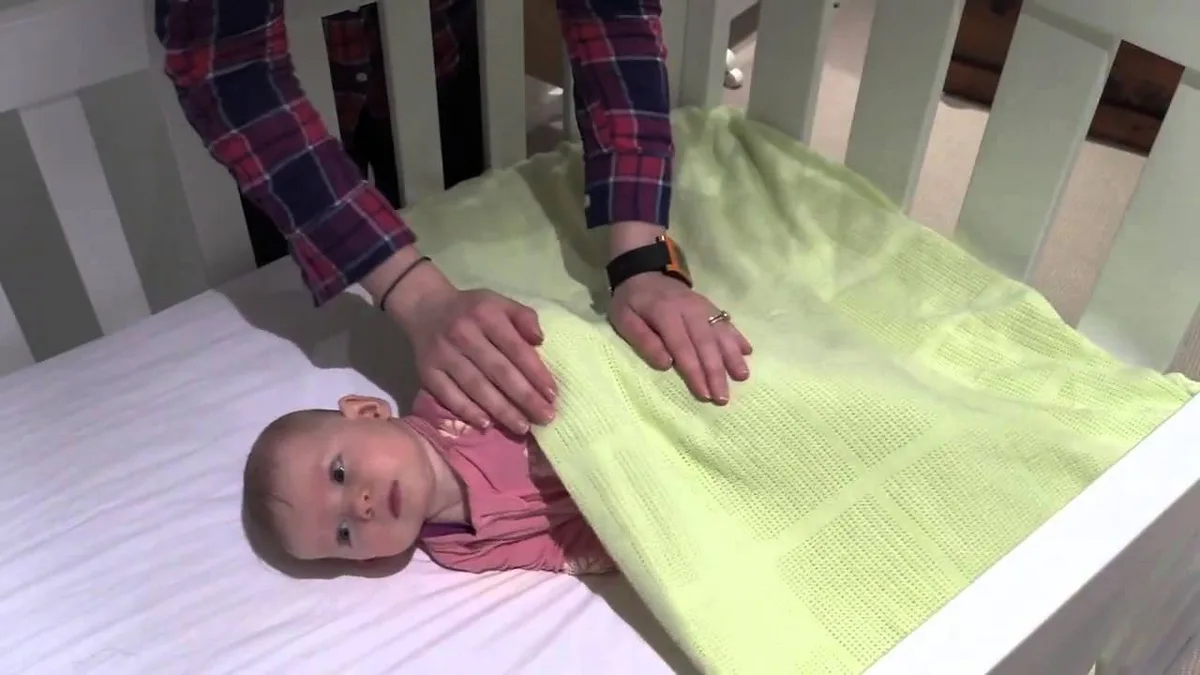
Watch for signs of success. Crying duration decreases. Latency to sleep drops.
They wake less frequently overall. If crying intensifies beyond normal protest, check for hidden issues. Maybe they are sick.
Maybe the room is too hot. Rule out basics before assuming behavioral causes.
Patience pays off. Most families see results within 7-14 days. It’s tough initially.
But the payoff is independent sleepers. You reclaim your nights. They gain confidence.
Everyone wins eventually.
How to Stay Calm When You’re Exhausted
You can’t pour from an empty cup. Fatigue lowers impulse control. You snap easier.
Here’s how to manage your state.
Pre-Night Prep:
Go to bed early yourself. Take naps if possible. Delegate duties.
Ask partners or family to handle one shift. Even four hours of uninterrupted sleep restores cognitive function. Prioritize rest over chores.
The laundry can wait. Your sanity cannot.
Mindset Shifts:
Reframe the waking. It’s not an interruption. It’s part of the process.
Tell yourself: "This is temporary. We are learning." Avoid catastrophic thinking ("We’ll never sleep"). Focus on the present moment.
Breathe deeply. Box breathing (4-4-4-4 counts) lowers heart rate quickly.
Environment Control:
Reduce sensory input for yourself. Wear comfortable clothes. Keep water nearby.
Use blue-light blocking glasses if checking phones. Avoid scrolling social media. Comparison fuels anxiety.
Trust your method.
Partner Coordination:
Agree on roles beforehand. Who handles which wakes? Alternate nights if possible.
Clear communication prevents resentment. Support each other. Validate feelings.
"I know you’re tired. I’ve got the next one." Teamwork reduces isolation.

Practice self-compassion. You will mess up. You will yell sometimes.
Apologize later. Reset the next night. Perfection isn’t required.
Progress is. Small improvements compound over time. Celebrate tiny wins.
Did they sleep 10 minutes longer? That’s victory. Keep going.
Common Mistakes That Make Night Waking Worse
Inconsistency is the biggest saboteur. If you ignore cries one night and rush in the next, your child learns to cry louder. They test boundaries.
This unpredictability raises anxiety. Stick to your chosen branch from the triage workflow. Whether it’s waiting or responding, do it every time.
Over-stimulation during interventions kills sleep drive. Turning on bright lights signals daytime. Talking extensively engages their brain.
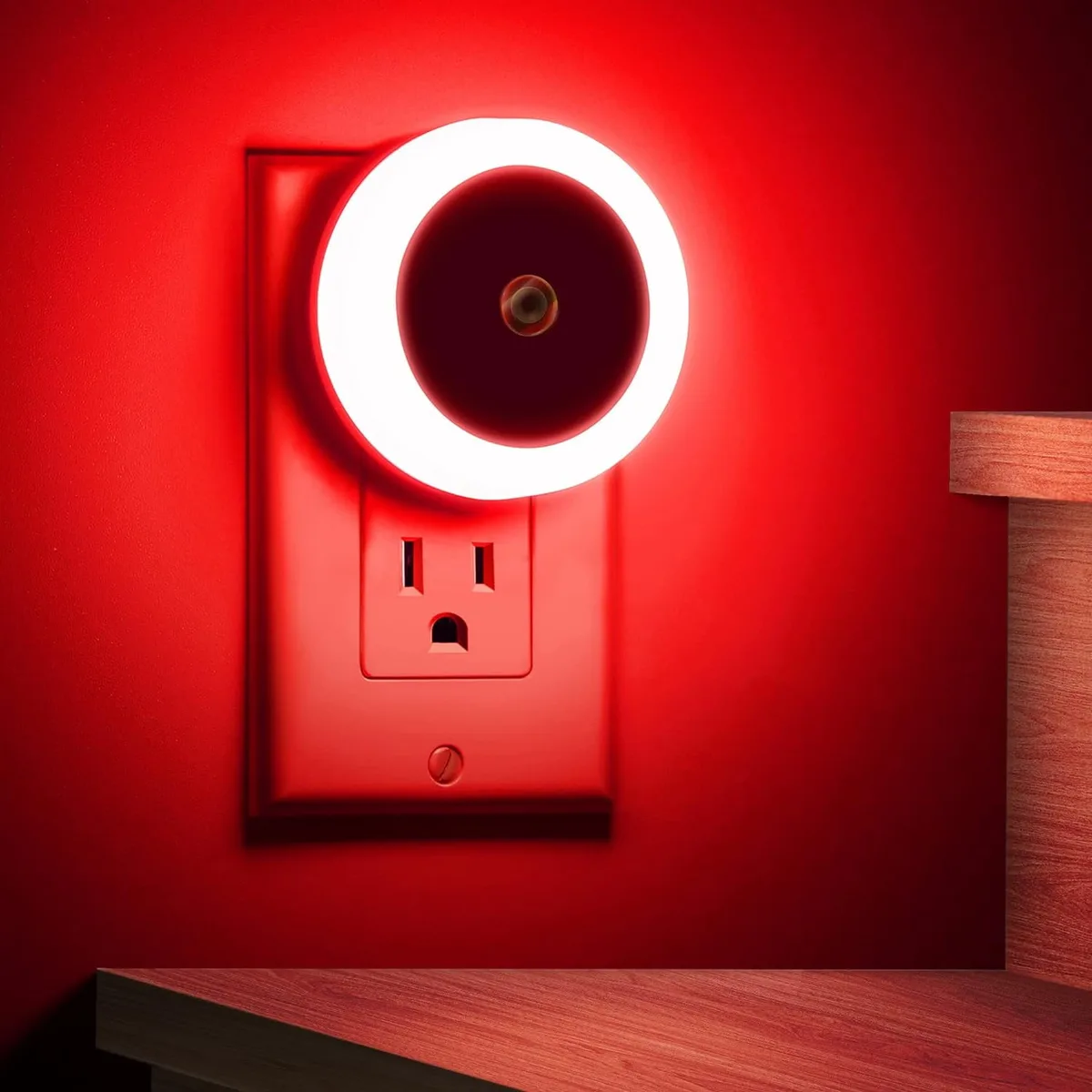
Playing with toys creates excitement. Keep interactions boring. Use a dim red nightlight if needed.
Speak in whispers or not at all. Avoid eye contact. You want them drowsy, not awake and alert.
Relying solely on feeding for comfort masks other issues. Hunger isn’t always the cause. Sometimes it’s thirst, gas, or loneliness.
Offering milk automatically reinforces the association between sucking and sleeping. Try patting or shushing first. If they settle without food, great.
If not, then feed. This helps distinguish true hunger from habit. As of 2026, pediatric guidelines still emphasize responsive feeding over scheduled rigidities for infants under six months.
Ignoring environmental factors leads to false positives. A warm room disrupts deep sleep. Check the thermostat.
Aim for 68-72°F (20-22°C). Noise fluctuations can trigger arousals. White noise machines help mask sudden sounds like traffic or doors slamming.
Ensure the machine is placed safely away from the crib. These small adjustments often solve waking problems without behavioral training.
FAQ: Handling Specific Nighttime Scenarios
How long should I wait before responding?
For healthy infants over four months, start with two minutes. Increase gradually if they don’t self-settle. Newborns need immediate response.
Always assess distress levels first. If crying escalates rapidly, intervene sooner. Trust your instincts but stick to the plan.
Consistency matters more than duration.
What if my baby falls asleep while feeding?
Burping them gently before putting them down helps. If they are fully asleep, place them in the crib carefully. Do not try to wake them up significantly.
The goal is independent sleep onset. Over time, aim to put them down drowsy but awake. This breaks the feed-to-sleep association.
It takes patience. Expect setbacks during growth spurts.
Should I use a pacifier for night wakings?
Yes, if your child accepts it. Pacifiers satisfy the sucking reflex without calories. They can bridge short arousals.
However, ensure it doesn’t become a crutch requiring constant re-insertion by parents. Let them find it themselves if possible. Drop it when they no longer need it for settling.
Most kids outgrow this need naturally.
When should I consult a doctor about night waking?
If waking accompanies fever, vomiting, or difficulty breathing. Also, if snoring or gasping occurs regularly. These signal potential sleep apnea or illness.
Persistent inconsolable crying may indicate pain or infection. Don’t hesitate to seek professional advice. Medical causes require treatment, not behavioral modification.
Safety comes first.

Similar Posts