Simple Newborn Bedtime Routines That Actually Work

Figuring out how to keep bedtime routines simple for newborns starts with dropping the clock. You don't need a rigid schedule at 8 PM sharp. Your baby’s biology isn’t ready for that yet.
Instead, focus on consistent cues and responsive care. This approach reduces stress for both of you.
Per American Academy of Pediatrics (AAP) guidelines as of 2026, safe sleep remains paramount. Newborns typically sleep 14 to 17 hours a day in fragmented stretches. Their circadian rhythms don’t fully mature until six to eight weeks.
So, simplicity means stripping away non-essential steps. Let’s look at why timing matters less than you think.

Image source: Web (Bing) / craiyon.com (Web image (fair-use with source credit))
Why Newborn Bedtimes Aren’t About Clocks, But Cues
Most parents try to force a specific bedtime hour. This usually fails because newborns lack melatonin production consistency. They operate on hunger and comfort cycles, not solar time.
Trying to pin them to a clock creates unnecessary friction. You end up fighting their natural biology instead of working with it.
Focus on wake windows instead. For infants aged zero to six weeks, these last only 45 to 90 minutes. If you miss this window, cortisol spikes.
The baby becomes overtired and harder to soothe. Watch for early signs like yawning or staring off into space. These are your green lights to start winding down.
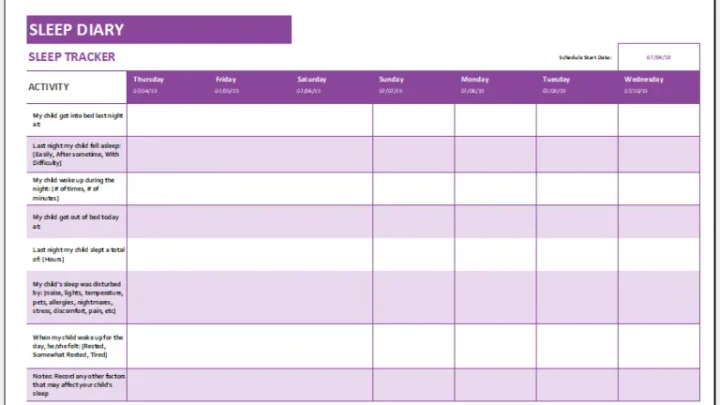
Image source: Web (Bing) / etsy.com (Web image (fair-use with source credit))
Ignoring these cues leads to the "overtired spiral." A fussy baby is difficult to feed or swaddle. This makes the routine feel chaotic rather than calming. By shifting your attention from the clock to the child, you regain control.
You stop guessing when they should sleep. You start responding to when they are ready. This subtle shift simplifies everything.
It removes the pressure of hitting an arbitrary deadline.
Quick Answer
To keep bedtime routines simple for newborns, ignore strict clocks. Focus on responsive cues like yawning and fussiness. Stick to a three-step sequence: dim lights, feed, and diaper change.
Add white noise if needed. Keep the entire process under twenty minutes. Consistency in order matters more than timing.
Avoid adding baths or stories initially. This reduces sensory overload. It helps your baby settle faster without confusion.
The 3-Step Minimalist Routine That Actually Works
Complexity kills calm. Many parents add baths, massages, songs, and books. Newborns can’t process all those inputs simultaneously.
Strip your routine down to the absolute essentials. We recommend a three-step anchor system. This works regardless of whether it’s 7 PM or 11 PM.
First, dim the environment. Lower the lights to signal night. Turn on a white noise machine set to 50 decibels.
This masks household sounds and mimics womb acoustics. Second, address basic needs. Feed your baby until they are satisfied.
Check and change the diaper if soiled. Do this quietly and efficiently. Third, provide containment.
Swaddle securely if your baby hasn’t shown rolling signs. Hold them close for skin-to-skin contact.
| Step | Action | Purpose | Duration |
|---|---|---|---|
| 1 | Dim Lights & White Noise | Signal night, reduce stimulation | 2 mins |
| 2 | Feed & Diaper Change | Satisfy hunger, ensure comfort | 10-15 mins |
| 3 | Swaddle & Contain | Suppress Moro reflex, soothe | 3-5 mins |
This sequence builds a strong association. The brain learns that low light plus feeding equals sleep. You aren’t training them to sleep independently yet.
You’re creating a predictable pattern. Predictability lowers anxiety for the infant. It also lowers decision fatigue for you.
You know exactly what to do next. There’s no guesswork involved.
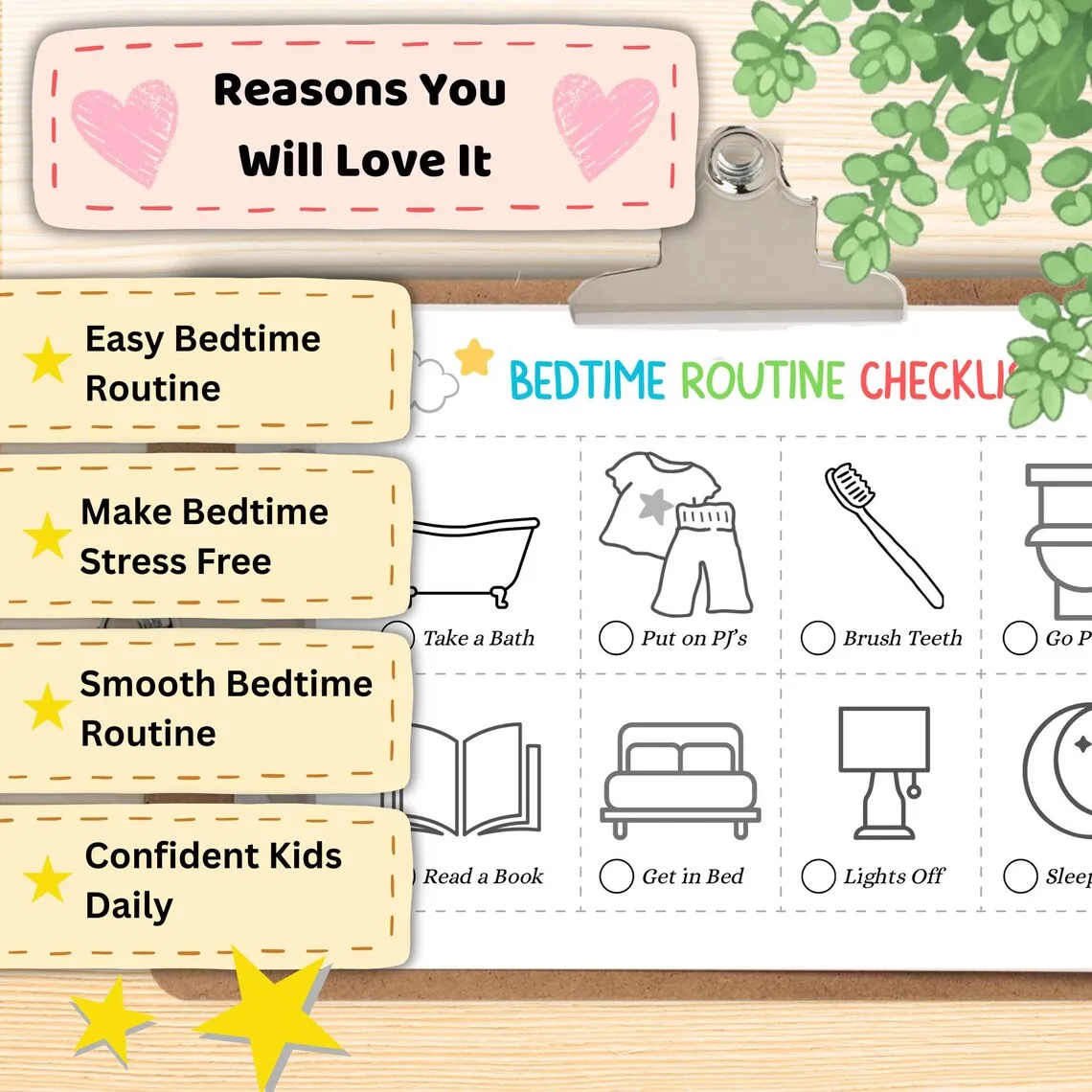
Image source: Web (Bing) / etsy.com (Web image (fair-use with source credit))
Keep the interaction minimal during these steps. Avoid eye contact or playful talking. Use a monotone voice if you speak.
The goal is boring consistency. Save the cuddles and play for daytime hours. This distinction helps prevent day-night confusion later on.
Simplicity here sets the stage for better sleep hygiene. It ensures the routine remains manageable even during growth spurts.
Decision Branch: When to Feed, Swaddle, or Skip Steps
Not every night looks the same. Flexibility within structure is key. Use this logic flow to adjust your approach based on real-time conditions.
This prevents forcing a step that might escalate distress.
Start by assessing the baby’s state. Are they hungry? If yes, feed first.
Never swaddle a hungry baby. They will just wake up shortly after settling. If they’ve recently eaten, check for discomfort.
A dirty diaper causes irritation. Change it quickly before attempting to soothe.
If the baby is already crying intensely, skip the swaddle temporarily. Hold them upright against your chest. Skin-to-skin contact regulates heart rate and temperature.
Once they calm down, attempt the swaddle again. If they resist strongly, let arms free. Safety trumps convention.
Ensure the room temperature is between 68°F and 72°F. Overheating disrupts sleep quality significantly.

Image source: Web (Bing) / eulerianos.com (Web image (fair-use with source credit))
Consider the time of day. During night wakes, keep interactions dark and silent. No diaper changes unless absolutely necessary.
Use waterproof pads underneath if possible. Minimize handling to avoid full waking. During evening wind-downs, you can be slightly more interactive.
Still, keep voices low and movements slow.
If your baby has reflux, hold them upright for 20 minutes post-feed. Then proceed with the routine. Laying them flat immediately may cause spit-up.
Adjust the angle of your hold accordingly. Always follow CDC Safe Sleep Guidelines regarding positioning. Back sleeping is non-negotiable.
This adaptive workflow keeps things simple by removing guesswork. You react to data points, not emotions.
Handling the Overtired Spiral Without Adding Complexity
Overtiredness is the enemy of simplicity. When cortisol levels rise, babies become unsoothable. Adding more steps worsens the situation.
You must de-escalate, not complicate. Recognize the signs early. Yawning is late-stage tiredness for newborns.
Look for rubbing eyes, turning away, or glazed stares.
If you miss the window, simplify further. Drop the white noise if it seems overstimulating. Some babies prefer silence when overwhelmed.
Go straight to containment. Wrap tightly and hold firmly. Rock gently but rhythmically.
Avoid bouncing or shaking. The motion should be soothing, not stimulating.
Do not try to feed an overtired baby. They often refuse due to frustration. Try pacifier use if accepted.
The sucking reflex calms the nervous system. Wait for quiet alertness before offering milk. Patience pays off here.
Rushing leads to rejected feeds and prolonged crying.
Once settled, place them in the crib drowsy but awake. This practice aids future self-soothing skills. However, for newborns, asleep transfer is acceptable.
Don’t stress about perfection. The goal is rest, not rigorous training. If they wake immediately, repeat the containment step.
Keep lighting dim throughout. Bright light resets the circadian clock incorrectly.
Remember that growth spurts increase hunger frequency. This is normal. Increase feed volume or frequency temporarily.
Do not view this as routine failure. Adapt the schedule to meet demand. Rigidity breaks under pressure; flexibility survives.
Trust your instincts over internet forums. Most online advice assumes ideal conditions. Real life is messy.
Embrace the mess by keeping your actions minimal and focused.
Safety First: What Must Never Be Compromised
Simplicity never overrides safety. The AAP safe sleep guidelines remain the non-negotiable baseline. Always place your newborn on their back for every sleep.
This position reduces the risk of Sudden Infant Death Syndrome (SIDS). Never prop up a bottle or use pillows to keep them upright. Loose bedding, blankets, and stuffed animals have no place in the crib.
Keep the sleep surface firm and flat. A fitted sheet is the only item allowed. If you swaddle, ensure hips can move freely to prevent dysplasia.
Stop swaddling immediately if your baby shows signs of rolling over. This usually happens between two and four months. Monitor closely during this transitional phase.
Overheating poses a significant risk. Dress your baby in one more layer than an adult would wear. Check their chest or neck for warmth, not their hands or feet.
Cool extremities are normal. Hot, sweaty skin indicates overheating. Adjust clothing or room temperature promptly.
White noise helps, but volume matters. Keep it below 50 decibels at the ear level. Place the machine at least seven feet away from the crib.
This protects developing hearing while providing auditory comfort. Silence isn’t required, but excessive noise is harmful. Balance is key.
Adhere strictly to these rules regardless of fatigue. Exhaustion leads to shortcuts. Shortcuts lead to danger.
Set up your environment beforehand so you don’t improvise at 3 AM. Pre-prepare diapers, wipes, and clean clothes. This logistical prep supports safety compliance when willpower fades.
Common Pitfalls That Overcomplicate Nighttime
Parents often add steps that create chaos. Bathing right before bed is a classic mistake for newborns. It raises body temperature and stimulates alertness.
Save baths for earlier in the day. Evening wind-downs should be cool and calm. Hot water wakes babies up.
Another error is inconsistent caregiving. If Mom swaddles and Dad doesn’t, the baby gets confused. Agree on a single protocol with all caregivers.
Write it down if necessary. Uniformity builds trust and predictability. Mixed signals increase crying and resistance.
Watching the clock obsessively adds stress. You’ll notice tension rising if you fixate on times. Newborns don’t care about your schedule.
They care about hunger and comfort. Shift your focus inward to their cues. External timers create anxiety.
Internal observation creates connection.
Trying to "teach" independent sleep too early fails. Newborns lack the neurological capacity for self-soothing. Expecting them to fall asleep alone sets you up for disappointment.
Respond to cries promptly. Holding them does not spoil them. It meets their biological needs.
Delayed response increases cortisol levels.
Finally, neglecting parental rest harms the routine. An exhausted parent cannot maintain consistency. Sleep when the baby sleeps.
Accept help from partners or family. Your well-being impacts your ability to stay calm. Burnout leads to erratic responses.
Protect your energy to protect the routine.
Adapting the Routine for Day-Night Confusion and Growth Spurts
Day-night confusion peaks in the first six weeks. Babies mix up daytime naps with nighttime sleep. Fix this by maximizing light exposure during the day.
Open curtains. Engage in active play. Keep interactions loud and bright.
At night, do the opposite. Dark rooms. Silent feeds.
Minimal eye contact.
This contrast helps reset their circadian rhythm. Melatonin production begins around six to eight weeks. Until then, environmental cues drive behavior.
Consistency accelerates this adjustment. Don’t expect overnight changes. It takes time for biological clocks to align.
Patience yields results.
Growth spurts disrupt even solid routines. Hunger spikes suddenly. Feeds become frequent and intense.
Do not abandon the sequence. Stick to the three-step anchor. Just extend the feeding duration.
Increase supply if breastfeeding. Formula-feeders may need larger volumes.
Recognize cluster feeding as temporary. It lasts days, not weeks. Simplify further during these periods.
Skip non-essential steps like diaper checks if dry. Focus solely on nourishment and containment. Reduce stimulation to a minimum.
Let the baby eat until satisfied.
After the spurt passes, return to normal pacing. Don’t let extended feeds become habits. Gradually shorten session lengths.
Reintroduce standard wait times between meals. Flexibility handles the spike. Structure restores balance afterward.
Trust the process. These phases are developmental milestones, not failures. Adapt without losing the core framework.

Similar Posts