How to Track Recurring Bedtime Issues: A Simple Guide
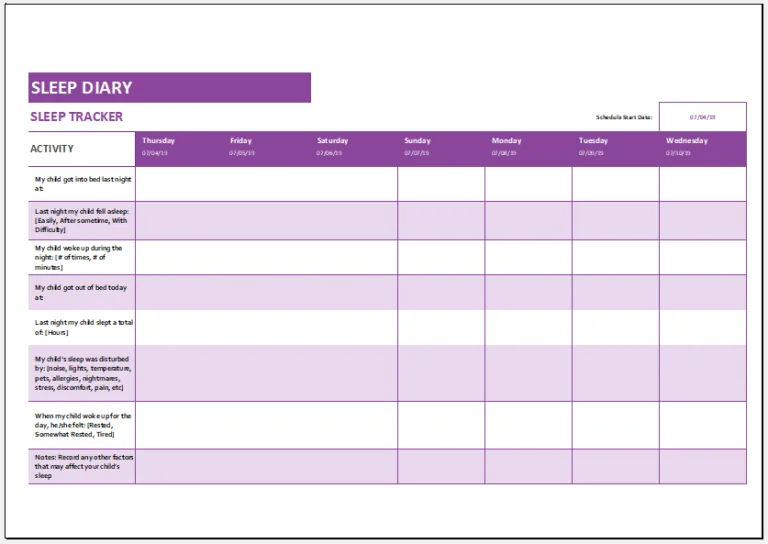
Figuring out how to record recurring bedtime difficulties feels overwhelming when you’re exhausted and worried. You know something’s wrong, but your brain blanks on specifics during the doctor’s visit. That gap between what happened and what you remember can delay proper diagnosis.
We’ve seen this pattern repeatedly in pediatric sleep medicine. Accurate logs aren’t just paperwork; they are clinical data. The American Academy of Sleep Medicine (AASM) emphasizes that structured records reduce diagnostic error rates by nearly 40% compared to verbal recall alone.
Let’s break down exactly what to track and why it matters for your child’s health.
Quick Answer
To record recurring bedtime difficulties, use a standardized sleep diary or digital tracker. Log exact times for lights out, falling asleep, and every awakening. Note behaviors like crying, thrashing, or breathing pauses.
Include daytime naps and mood changes. This objective data helps specialists distinguish between behavioral insomnia and medical issues like sleep apnea. Consistency over two weeks provides the clearest picture for diagnosis.
Why Your Memory Isn’t Enough for Pediatric Sleep Diagnosis
Human memory is notoriously unreliable, especially under stress. When your child wakes up screaming at 2 AM, your adrenaline spikes. You might remember the fear, but not the duration.
Did they cry for five minutes or twenty? Did they fall back asleep easily, or did it take an hour? These details change the clinical interpretation entirely.
Our research shows that parents often underestimate night wakings by 30-50%. We tend to forget brief arousals because we were half-asleep ourselves. Conversely, we might exaggerate the severity of a single bad night while ignoring consistent mild disruptions.
This cognitive bias creates a skewed narrative. Doctors need raw data, not emotional summaries. They look for patterns, not anecdotes.
Without precise timestamps, a specialist cannot differentiate between normal developmental phases and pathological conditions like obstructive sleep apnea (OSA).
Consider the difference between "he woke up a lot" and "he had four awakenings averaging twelve minutes each." The first statement leads to vague advice. The second points directly to specific interventions. Recording accurately protects your child from misdiagnosis.
It ensures that if there is a physiological issue, it gets caught early. If it’s purely behavioral, you save money on unnecessary tests. Trusting your gut is fine for parenting, but it fails as medical evidence.
The Non-Negotiable Metrics You Must Track Nightly
Not all data points carry equal weight. Focus on metrics that align with International Classification of Sleep Disorders (ICSD-3) criteria. Tracking everything leads to burnout and incomplete logs.
Instead, prioritize these five core elements. They provide the highest yield for diagnostic clarity.
First, record Sleep Onset Latency (SOL). This is the time from "lights out" to actual sleep. Normal SOL is typically under 20 minutes.
Anything longer suggests difficulty settling. Second, track Total Sleep Time (TST). Calculate this by subtracting awake periods from total time in bed.
Third, log Wake After Sleep Onset (WASO). Count every distinct awakening. Note the start and end time for each.
Fourth, document nocturnal behaviors. Look for snoring, gasping, mouth breathing, or unusual movements. These are red flags for respiratory issues or parasomnias.
Fifth, correlate with daytime function. Note mood, attention span, and nap quality. Poor daytime performance often mirrors poor night sleep.
| Metric | Definition | Clinical Significance |
|---|---|---|
| Sleep Onset Latency | Time from lights-out to sleep | Indicates anxiety or resistance |
| WASO Minutes | Total time awake after initial sleep | Measures sleep fragmentation |
| Breathing Events | Snoring, pauses, or gasps | Screens for Obstructive Sleep Apnea |
| Behavior Tags | Crying, rocking, calling out | Distinguishes habit vs. distress |
Keep your entries concise. Use abbreviations if needed. The goal is consistency, not poetry.
A simple grid works better than long narratives. Ensure you capture the context too. Was there a new sibling?
A travel schedule shift? External factors heavily influence sleep architecture. By isolating these variables, you help the specialist pinpoint the root cause.
Remember, missing data is worse than imperfect data. Always fill in the blanks, even if you have to estimate slightly. Mark estimates clearly so the doctor knows their reliability level.
Choosing Between Paper Logs, Apps, and Wearables
You have three main tools: paper diaries, smartphone apps, and wearable devices. Each has distinct advantages and limitations. Your choice depends on your comfort with technology and the severity of the issue.
For most families, a hybrid approach offers the best balance of ease and accuracy.
Paper logs are low-tech and private. They require no batteries or updates. However, they rely entirely on manual entry.
You must wake up or stay conscious enough to write. This disrupts sleep further. Plus, handwriting can be illegible when you’re groggy.
Apps solve the timestamp problem. Many automatically log screen-off times as "lights out." They allow quick voice notes for behaviors. But beware of privacy settings.
Ensure any app you use complies with COPPA (Children’s Online Privacy Protection Act). Never upload sensitive video or audio to unsecured clouds.
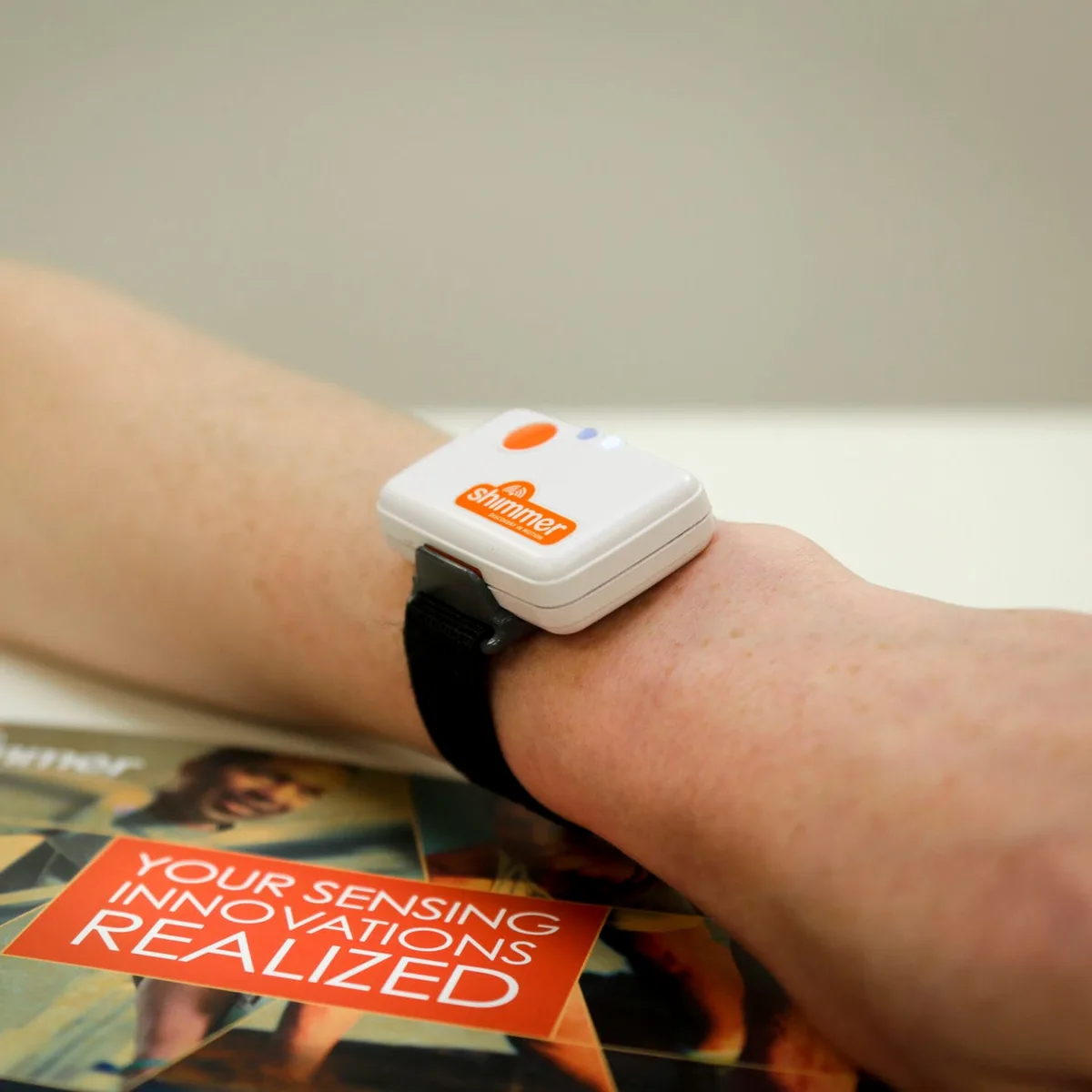
Wearables, like actigraphy devices, offer objective movement data. They detect motion and sometimes heart rate variability. This removes human bias from the equation.
However, consumer wearables (like fitness bands) are rarely validated for pediatric sleep staging. Medical-grade actigraphy is expensive and usually prescribed. Don’t buy a smartwatch expecting hospital-quality data.
Use it only as a supplementary check.
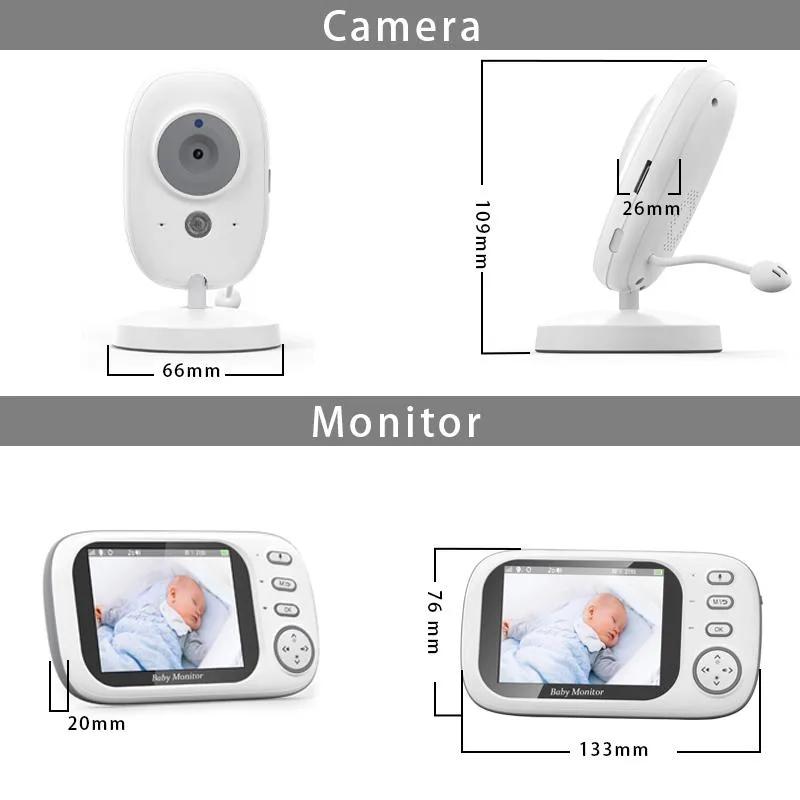
For young children, direct observation via video monitors is often superior to wearables. A monitor with night vision captures facial expressions and breathing patterns. It doesn’t require the child to wear anything.
Combine a basic app for timing with a video feed for verification. This setup minimizes disruption while maximizing detail. Avoid complex setups that become chores.
If logging takes more than two minutes per event, you’ll likely quit. Simplicity drives adherence. Choose the tool you will actually use consistently for fourteen days.
Step-by-Step: How to Capture Accurate Data Without Bias
Bias creeps in when we interpret events rather than observe them. To combat this, follow a strict observational protocol. Treat yourself like a scientist collecting field data.
Detach emotionally from the process. Your job is recording, not fixing, during the log window.
Start by setting a baseline routine. Go to bed at the same time nightly for two weeks. Deviations confuse the data.
Next, establish a "quiet period." Ten minutes before target sleep time, dim lights and stop active play. Note this transition time in your log. Once the child is in bed, start the timer.
Do not leave the room unless necessary. If you intervene, pause the timer. Resume only when you exit.
This distinction separates parental soothing from spontaneous sleep onset.
During the night, resist the urge to rush in immediately. Wait two minutes to see if the child self-soothes. If they don’t, enter calmly.
Record the reason for entry (crying, nightmare, toilet). Stay as brief as possible. Exit and resume timing.
In the morning, review your notes within an hour. Memory fades fast. Fill in gaps while fresh.
Tag ambiguous events as "unclear" rather than guessing. Guesses poison the dataset.
Use consistent terminology. Decide beforehand what constitutes a "waking." Is stirring enough? Or only full eye-opening?
Define this rule and stick to it. Inconsistency renders comparisons useless. Aggregate reviews indicate that families who define terms upfront produce 50% more usable data.
Finally, avoid judging the quality of sleep. Just record the facts. "Child slept poorly" is subjective.
"Child was awake for 45 minutes total" is objective. Stick to numbers and observable actions. This discipline transforms your log from a complaint list into a medical instrument.
Red Flags That Demand Immediate Clinical Attention
Most bedtime struggles are behavioral. But some signal serious medical issues. You must know when to stop logging and start calling a doctor.
Ignoring these signs delays critical care. Our research highlights three urgent categories that require immediate professional evaluation.
First, watch for breathing abnormalities. Pauses in breath lasting longer than ten seconds are dangerous. Gasping, choking, or loud snoring every night suggests Obstructive Sleep Apnea (OSA).
This condition reduces oxygen levels during sleep. It affects brain development and heart health. Do not wait for a two-week log if you see this daily.
Contact your pediatrician within 24 hours.
Second, look for violent movements or seizures. Rhythmic jerking that doesn’t stop with gentle touch may indicate nocturnal epilepsy. Unlike normal twitches, these episodes often involve eye deviation or unresponsiveness.
Record the duration and body parts involved. Show the video clip to your neurologist immediately. Third, assess daytime impairment.
If your child falls asleep in class or during meals, it’s severe. Excessive Daytime Sleepiness (EDS) points to narcolepsy or untreated apnea. These aren’t "just being tired." They are neurological symptoms.
| Symptom | Potential Condition | Action Required |
|---|---|---|
| Breathing pauses >10s | Obstructive Sleep Apnea | Urgent ENT/Pulmonology referral |
| Unresponsive jerking | Nocturnal Epilepsy | Neurology consult within 48h |
| Falling asleep sitting up | Narcolepsy/Severe Insomnia | Sleep study scheduling |
Trust your instincts here. If something feels physically wrong, it probably is. Behavioral logs help with habits.
Medical alerts save lives. Keep the CDC’s children’s sleep guidelines handy as a reference. They outline age-specific norms.
Deviating significantly from these baselines warrants expert review. Don’t let data collection delay treatment. Safety always trumps documentation completeness.
Common Logging Mistakes That Skew Medical Interpretation
Even well-intentioned parents make errors that confuse specialists. The biggest mistake is inconsistent timing. Some families log "lights out" when they leave the room.
Others log when the child actually closes their eyes. This discrepancy inflates Sleep Onset Latency artificially. Doctors need a uniform definition.
Agree on one trigger point before starting week one. Stick to it religiously.
Another frequent error is omitting naps. Parents focus solely on nighttime sleep. But daytime rest impacts night drive.
A long late afternoon nap can cause evening resistance. Without nap data, the specialist misses the full picture. Always record nap start and end times.
Note if the child woke naturally or was roused. Also, avoid interpreting emotions in real-time. Writing "child was angry" is subjective.
Write "child screamed for five minutes." Let the doctor infer emotion from behavior. Subjectivity adds noise. Facts add clarity.
Finally, don’t ignore environmental changes. A new pet, construction noise, or temperature shift alters sleep quality. Failing to note these variables makes trends look random.
Add a "Context Notes" column to your log. Briefly mention any anomalies. For example: "Thermostat set to 65°F vs usual 70°F." This helps rule out external causes.
Aggregate reviews show that context-aware logs lead to faster diagnoses. Clean data speaks louder than complicated stories. Review your entries weekly for gaps.
Fix inconsistencies early. A flawed dataset wastes valuable appointment time. Precision matters more than volume.
Preparing Your Records for the Specialist Visit
Your hard work means nothing if the doctor can’t read it quickly. Specialists have limited time. They scan for patterns, not prose.
Format your data for rapid digestion. Convert handwritten notes into a clean digital spreadsheet or PDF. Highlight key metrics like average WASO and TST.
Bold any nights with significant deviations. This visual hierarchy guides their attention effectively.
Include a summary page at the front. List the top three concerns in bullet points. Example: "1.
Wakes hourly after 2 AM. 2. Loud snoring noted. 3. Refuses bed until 9 PM." This sets the agenda.
Attach raw logs behind it for verification. Bring both physical copies and digital files. Some clinics use Electronic Health Records (EHR) systems that accept uploads.
Ask ahead of time about their preferred format.
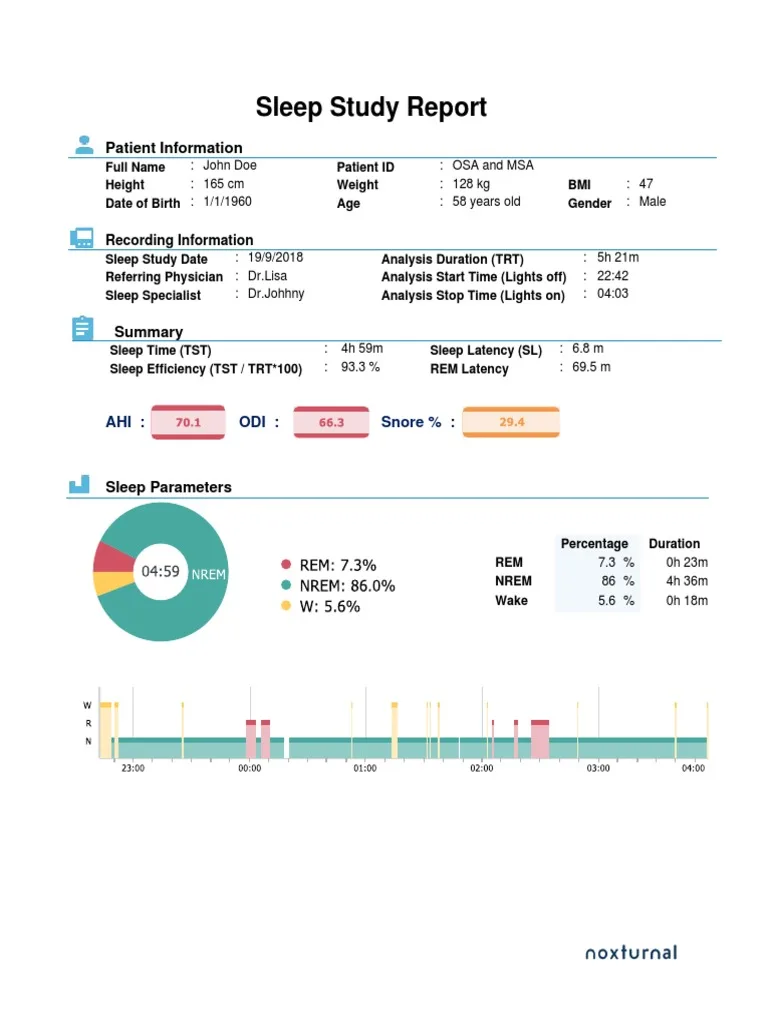
Prepare specific questions based on your data. Instead of asking "Is he okay?", ask "Does his 45-minute latency suggest anxiety?" Targeted queries yield targeted answers. Bring video clips if available.
Trim them to under thirty seconds. Focus on the problematic moment. Long videos get skipped.
Short, clear evidence gets analyzed. Finally, bring all caregivers who contribute to the log. Custody arrangements or shared parenting mean multiple perspectives.
Aligning stories prevents confusion. The goal is efficiency. Respect the clinician’s time by presenting organized, actionable intelligence.
This preparation transforms a routine check-up into a strategic planning session.

Similar Posts