5 Weeks Pregnant: Symptoms & What to Expect
If you’re searching for "5 weeks pregnant symptoms what to expect," you likely feel a mix of hope and confusion. Your body is changing rapidly, but the signs can be subtle or easily mistaken for premenstrual syndrome. We know that early pregnancy isn’t always dramatic.
Sometimes, it feels like nothing is happening at all.
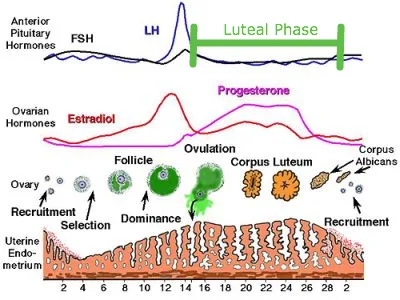
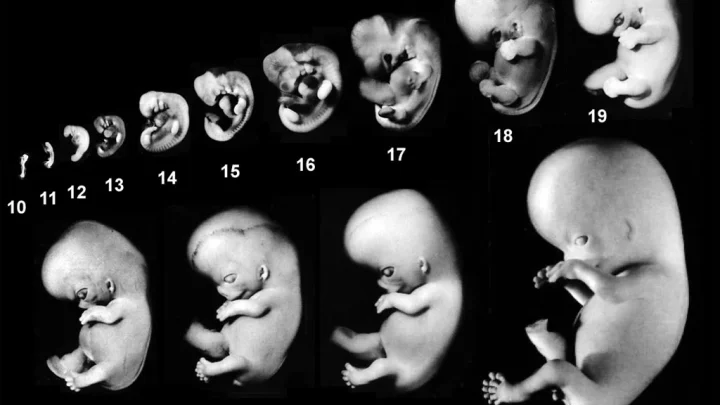
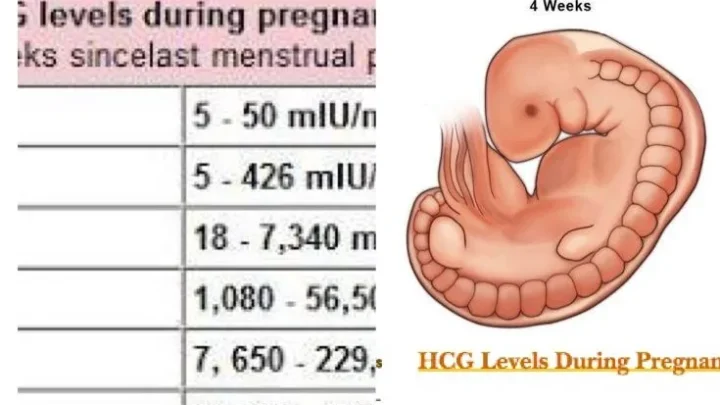
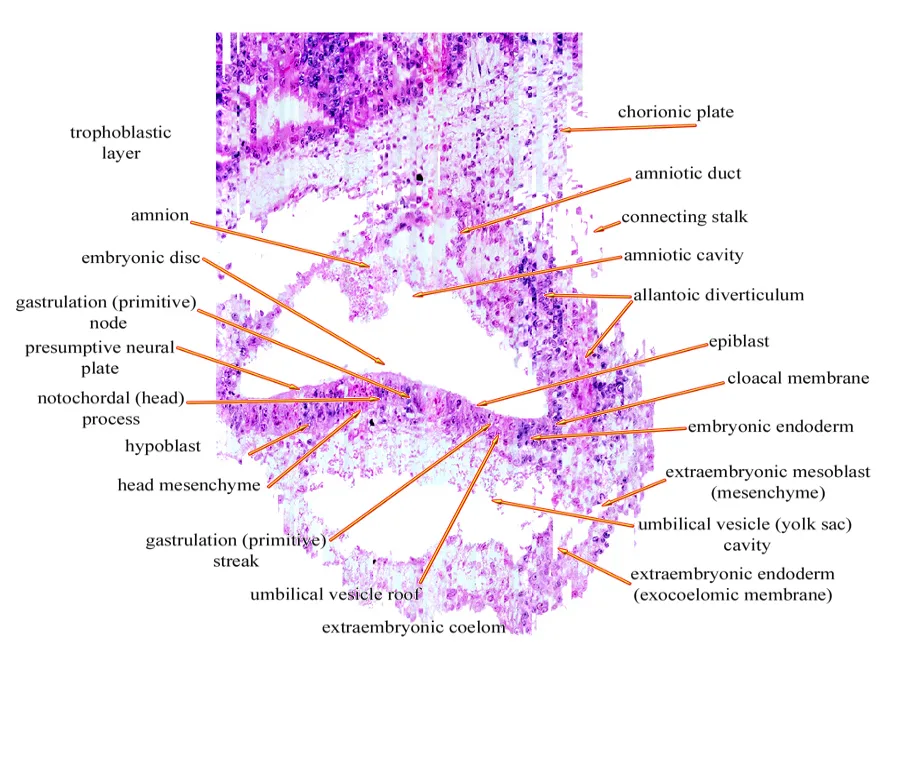
At five weeks gestation, your embryo is roughly 2 millimeters long. Human Chorionic Gonadotropin (hCG) levels are rising sharply to support the corpus luteum. These hormonal shifts drive most physical sensations.
Understanding this timeline helps separate normal changes from medical emergencies. Let’s break down exactly what is happening inside your body right now.
Quick Answer
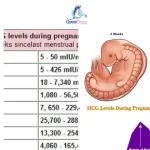
Most people experience fatigue, breast tenderness, and mild nausea at 5 weeks pregnant. Spotting may occur due to implantation, but heavy bleeding is not normal. hCG levels typically range from 18 to 7,340 mIU/mL during this week. Symptoms vary widely between individuals and even between pregnancies.
Always consult a healthcare provider for personalized medical advice and confirmation.
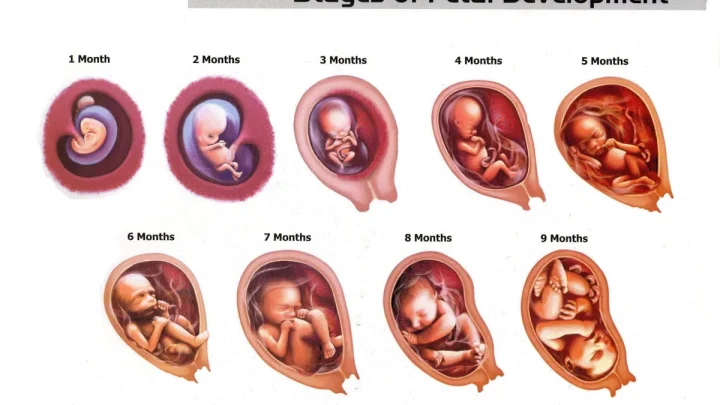
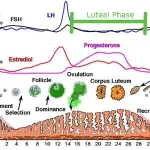
Image source: Web (Bing) / ehd.org (Web image (fair-use with source credit))
Why Week 5 Symptoms Are Tricky to Interpret
You might wonder why some friends had severe morning sickness while you feel fine. The answer lies in hormone sensitivity. At five weeks, your body is producing high amounts of progesterone and estrogen.
These hormones relax smooth muscles and prepare the uterine lining. However, everyone reacts differently to these chemical surges.
Some women notice extreme fatigue because progesterone acts as a natural sedative. Others feel nauseous due to rapid hCG increases. There is no universal symptom profile.
A lack of nausea does not mean something is wrong. It simply means your body tolerates the hormonal shift well. Conversely, intense symptoms don’t guarantee a healthier pregnancy.
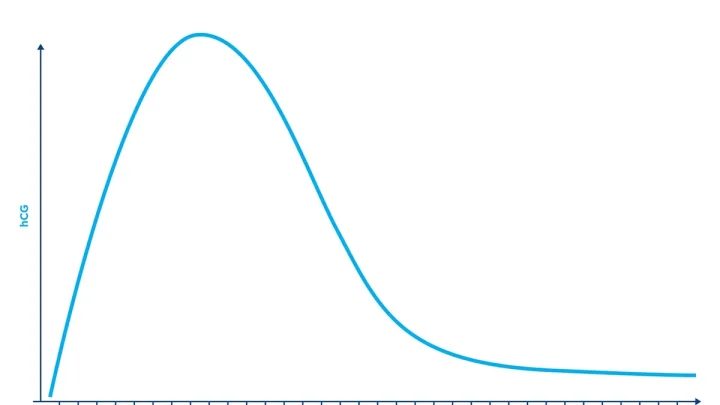
We’ve seen many patients panic when symptoms fluctuate day by day. This variability is normal. Your hCG levels double every 48 to 72 hours in viable early pregnancies.
This rapid rise causes shifting physical sensations. One day you might crave pickles; the next, the smell of coffee makes you gag. Trust the process, not just the feelings.
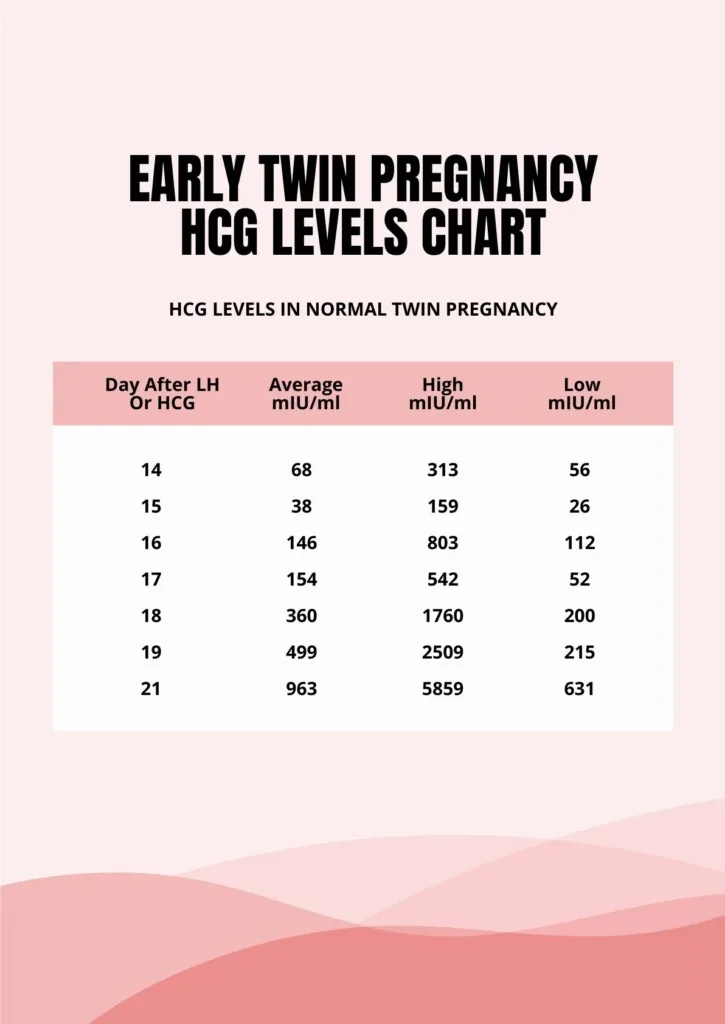
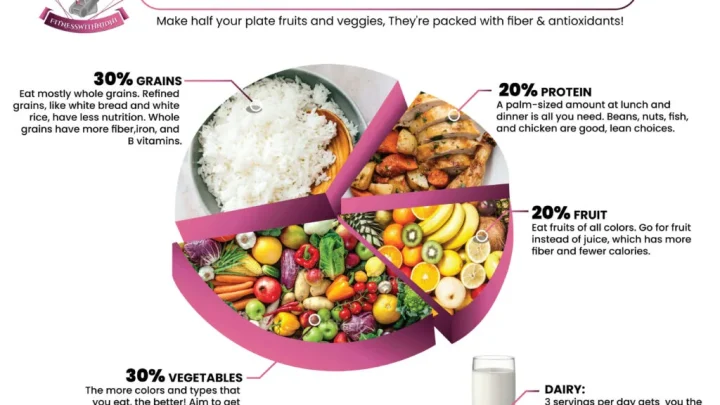
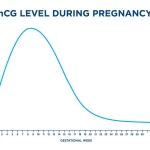
Image source: Web (Bing) / timechartprintables.com (Web image (fair-use with source credit))
The Role of hCG and Progesterone
Human Chorionic Gonadotropin (hCG) is the primary marker for pregnancy tests. By week five, it is detectable in urine and blood. Its main job is to signal the ovaries to keep producing progesterone.
Without sufficient progesterone, the uterine lining would shed, ending the pregnancy.
Progesterone also slows down digestion. This leads to bloating and constipation, common complaints at this stage. It also causes breast tissue to swell and become tender.
These effects are direct results of hormonal preparation for fetal growth. They are not signs of illness. They are signs of adaptation.
| Symptom | Primary Hormonal Driver | Typical Onset |
|---|---|---|
| Fatigue | Progesterone | Week 4-6 |
| Breast Tenderness | Estrogen & Progesterone | Week 4-6 |
| Nausea | hCG & Estrogen | Week 5-6 |
| Frequent Urination | hCG & Uterine Growth | Week 6+ |
Normal Physical Changes You’re Likely Feeling Right Now
Fatigue is often the first noticeable change. You may feel exhausted despite sleeping eight hours. This happens because your metabolic rate increases to support the developing placenta.
Your body is working overtime behind the scenes. Listen to your need for rest. Pushing through exhaustion can worsen other symptoms like nausea.
Breast changes are usually significant. Your breasts may feel heavier, fuller, or sore to the touch. The areolas might darken slightly.
This is due to increased blood flow and glandular development. Wear supportive bras without underwire if comfort is an issue. Avoid harsh soaps on the nipple area to prevent irritation.
Mild cramping is also common. As the uterus expands, ligaments stretch. This causes dull, achy sensations in the lower abdomen.
Think of it as growing pains. The pain should be intermittent and manageable. If the cramps are sharp or constant, that warrants attention.
But gentle twinges are part of the journey.
Digestive issues often appear early. Bloating occurs because progesterone slows gut motility. Gas builds up more easily.
Constipation follows if fiber intake doesn’t increase. Drink plenty of water. Eat small, frequent meals to stabilize blood sugar and reduce nausea spikes.
Ginger tea or plain crackers can help settle the stomach.
Emotional Fluctuations and Mood Swings
Hormones affect neurotransmitters in the brain. You might cry over minor inconveniences or feel irritable for no reason. This is not a character flaw.
It is a biological response to massive internal changes. Partner support becomes crucial during this phase. Explain that your mood swings are temporary and chemically driven.
Sleep disturbances may also occur. While fatigue is high, insomnia can strike due to anxiety or physical discomfort. Try maintaining a consistent sleep schedule.
Keep the bedroom cool and dark. Limit screen time before bed to reduce blue light exposure. Rest is vital for both you and the embryo.
Distinguishing Implantation Bleeding from Warning Signs
Spotting confuses many expecting parents. At five weeks, light pink or brown discharge can happen. This is often residual blood from implantation.
Implantation occurred around week three or four, but old blood can take time to exit. It should be very light. You shouldn’t need a pad, just a liner.
True period-like bleeding is different. Bright red blood that fills a pad suggests menstruation or miscarriage. Clots larger than a quarter are concerning.
Heavy flow requires immediate medical evaluation. Do not assume spotting is harmless without checking. Track the color, amount, and duration carefully.
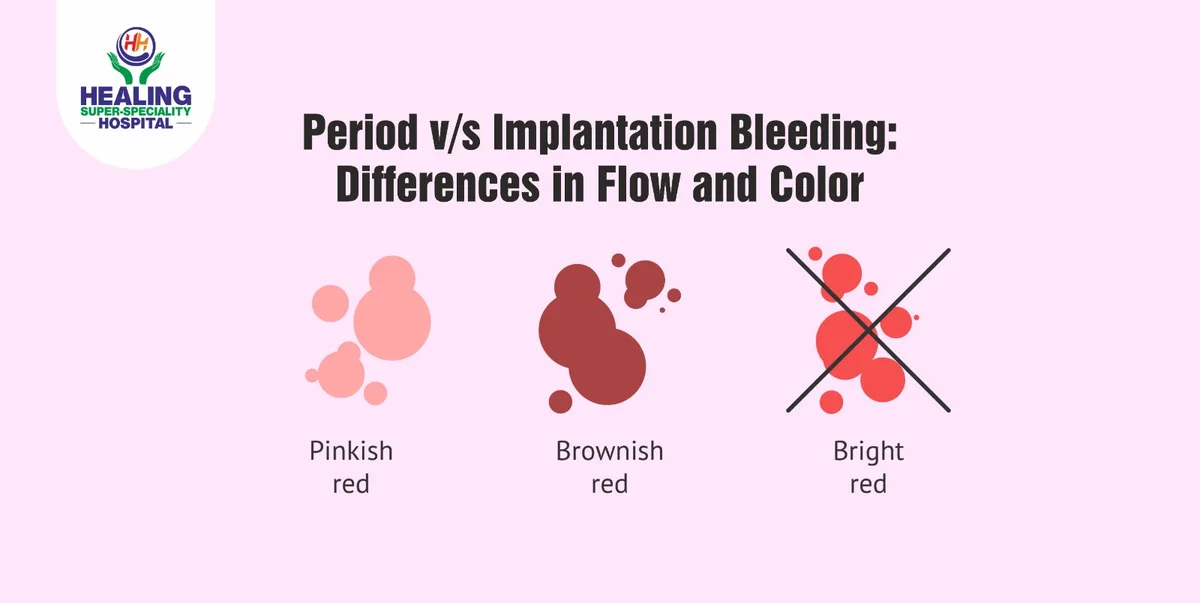
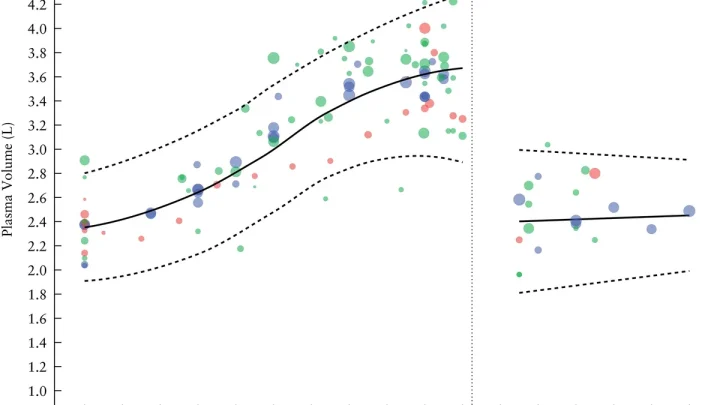
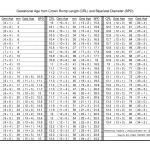
Image source: Web (Bing) / healinghospital.co.in (Web image (fair-use with source credit))
Key Differences in Bleeding Patterns
Understanding the nuances helps reduce anxiety. Here is how to tell them apart based on clinical observations.
- Color: Implantation bleeding is pink or rust-colored. Menstrual or miscarriage bleeding is bright red.
- Flow: Implantation is scant and stops quickly. Periods start light then get heavier.
- Duration: Implantation lasts one to two days. Periods last three to seven days.
- Pain: Implantation has mild cramping. Miscarriage often involves severe abdominal pain.
If you experience any bleeding accompanied by dizziness or shoulder tip pain, seek emergency care. Shoulder pain can indicate internal bleeding from an ectopic pregnancy. Never ignore these combined symptoms.
They are rare but dangerous. Early intervention saves lives.
When to Call Your Doctor Immediately
Certain symptoms require urgent professional assessment. Severe unilateral abdominal pain is a major red flag. It may signal an ectopic pregnancy, where the embryo implants outside the uterus.
This condition cannot sustain life and poses risks to the mother. Immediate ultrasound and blood work are necessary.
Heavy vaginal bleeding with clots is another emergency. It could indicate a threatened or complete miscarriage. While heartbreaking, knowing the status allows for proper medical management.
Do not wait for a scheduled appointment. Go to the ER or call your OB-GYN’s after-hours line.
Persistent vomiting preventing fluid intake needs attention too. Hyperemesis gravidarum can lead to dehydration and electrolyte imbalance. If you haven’t kept liquids down for 24 hours, you need IV fluids.
This is treatable but serious if ignored. Watch for weight loss exceeding five percent of pre-pregnancy weight.
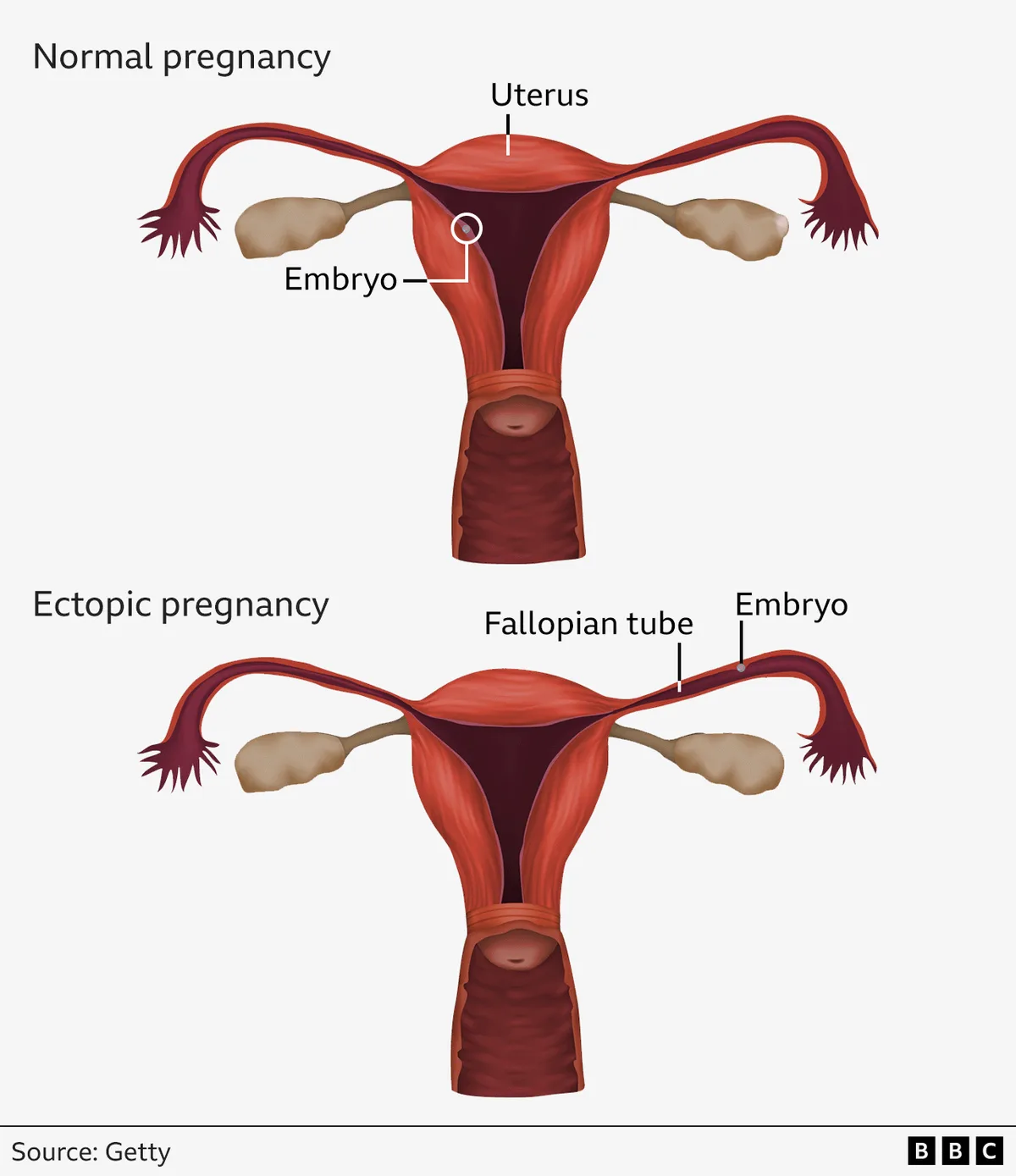
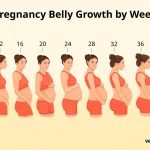
Image source: Web (Bing) / bbc.co.uk (Web image (fair-use with source credit))
Red Flags Summary Table
Use this quick reference to decide your next step.
| Symptom | Action Required | Urgency Level |
|---|---|---|
| Light Pink/Brown Spotting | Monitor closely | Low (Routine Check-in) |
| Mild Intermittent Cramping | Rest and Hydrate | Low (Normal Variation) |
| Sharp One-Sided Pain | Call Doctor Immediately | High (Possible Ectopic) |
| Heavy Red Bleeding + Clots | Go to ER | Critical (Miscarriage Risk) |
| Inability to Keep Liquids Down | Seek Medical Care | High (Dehydration Risk) |
According to ACOG guidelines, timely communication with providers ensures safety. Don’t hesitate to reach out. Better safe than sorry in early pregnancy.
Essential Actions for the Next 48 Hours
Start taking prenatal vitamins immediately if you haven’t already. Folic acid is critical for neural tube development. The neural tube closes by day 28 post-conception.
Since you are at week five, you are near this window. Ensure you get at least 400 micrograms daily. Continue this throughout pregnancy.
Review all medications with a pharmacist or doctor. Some common drugs are unsafe during pregnancy. Acetaminophen is generally considered safer than ibuprofen or aspirin.
But always verify dosage and frequency. Stop any herbal supplements unless cleared by a provider. Many herbs stimulate the uterus unintentionally.
Schedule your first prenatal appointment. Most clinics see patients around week eight. However, if you have risk factors, they may want to see you sooner.
Bring a list of questions. Note your last menstrual period date accurately. This helps calculate your estimated due date correctly.
Lifestyle Adjustments for Safety
Avoid raw meats and unpasteurized dairy products. Listeria and toxoplasmosis pose real threats to the fetus. Cook everything thoroughly.
Wash fruits and vegetables meticulously. Stay away from cat litter boxes to avoid parasite exposure. Delegate this task to someone else if possible.
Limit caffeine intake to less than 200 mg per day. That’s about one 12-ounce cup of coffee. Excess caffeine crosses the placenta.
It can restrict fetal growth. Switch to decaf options gradually to avoid withdrawal headaches. Hydration remains key.
Water is your best friend right now.
Common Myths That Cause Unnecessary Panic
Does losing symptoms mean you’re miscarrying? No. It’s a terrifying myth, but it’s false.
Symptom intensity fluctuates wildly in early pregnancy. One day nausea hits hard; the next, you feel normal. This doesn’t signal fetal distress.
Your body adapts to rising hormone levels over time. hCG peaks around weeks 8 to 11, then declines slightly. Many women feel better right when anxiety spikes. Trust the timeline, not the daily vibe.
Another persistent fear is that no ultrasound heartbeat at week five equals failure. This is medically inaccurate. The fetal pole often isn’t visible until week six or seven.
Seeing only a gestational sac is perfectly normal at this stage. Doctors rarely diagnose viability before seeing cardiac activity. They rely on serial hCG blood tests instead.
A single negative scan means nothing yet. Wait for the follow-up appointment. Patience protects your peace of mind.
Why Online Forums Mislead You
Social media amplifies worst-case scenarios. People post about losses far more than healthy pregnancies. This creates a skewed perception of risk.
Aggregate reviews indicate that most early pregnancies proceed normally. Yet, doom-scrolling suggests otherwise. Limit your exposure to unverified anecdotes.
Stick to evidence-based sources like CDC pregnancy health guidelines. They provide clear, calm context without the noise. Compare stories carefully.
Look for patterns, not outliers. Your journey is unique. Don’t let strangers’ experiences dictate your emotional state.
Focus on your own medical data. It tells the true story.
Frequently Asked Questions
Can I still be pregnant if my test line fades?
Yes, faint lines can remain stable for weeks. hCG concentration affects dye reaction speed. A fading line might just reflect hydration levels or urine dilution. Digital tests offer clearer readings but aren’t infallible.
Blood tests provide quantitative hCG values for certainty. If the line disappears completely, retest in 48 hours. Rising levels confirm viability.
Static low levels may indicate stagnation. Consult your provider for interpretation. Never rely solely on home kits for diagnosis.
Accuracy varies by brand and timing.
Is it safe to exercise at 5 weeks pregnant?
Moderate movement remains beneficial unless complications arise. Avoid high-impact activities or contact sports initially. Listen to your body’s fatigue signals closely.
Walking, swimming, and prenatal yoga are excellent choices. Stop immediately if you feel dizzy or painful. Dehydration risks increase with physical exertion.
Drink water before, during, and after workouts. Modify routines as your belly grows later. There’s no need to quit fitness entirely.
Consistency supports mood and sleep quality. Check with your doctor if you have prior conditions. Safety comes first in all trimesters.
Do I need an ultrasound at 5 weeks?
Not usually, unless symptoms warrant investigation. Standard care begins scanning at weeks 7 to 8. Earlier scans often yield inconclusive results.
This causes unnecessary stress and ambiguity. Providers prefer waiting for clearer visualization. Exceptions include history of ectopic pregnancy or severe pain.
In those cases, early imaging is critical. Otherwise, save the appointment for later. Blood work confirms pregnancy status effectively now.
Ultrasound detects structural issues better later. Follow your clinic’s specific protocol. Timing matters for accurate diagnostics.
Why do I taste metal in my mouth?
Dysgeusia is a common early pregnancy symptom. Hormonal shifts alter taste bud sensitivity. Zinc deficiency sometimes contributes to this metallic sensation.
Eating citrus fruits or sour candies helps mask it. Brush teeth gently to avoid gum irritation. Stay hydrated to wash away lingering flavors.
This phase typically resolves by the second trimester. It’s unpleasant but harmless to the baby. Track food preferences changes alongside it.
Nutritional intake may suffer temporarily. Supplement with prenatal vitamins containing zinc. Comfort measures ease the daily struggle significantly.

Similar Posts