Pregnancy Food Checklist: What to Avoid
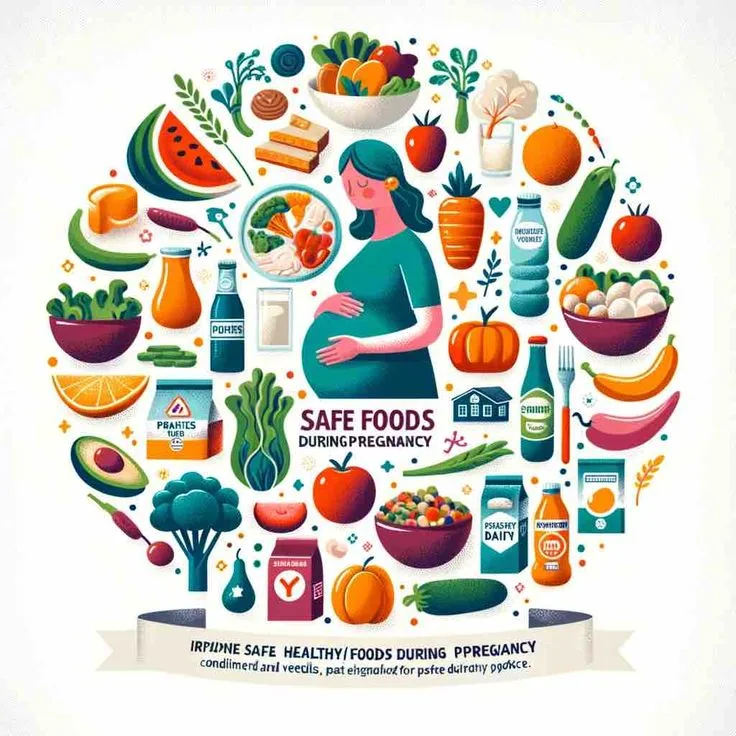
Many expectant mothers stare at grocery shelves, paralyzed by conflicting advice. You want a clear foods to avoid during pregnancy checklist that cuts through the noise. The goal isn't perfection, but minimizing real biological risks.
We've seen too much fear-mongering online that ignores nuance.
Per CDC guidelines as of 2026, specific pathogens pose unique threats. Listeria grows even in cold fridges. Methylmercury accumulates in large predatory fish.
Understanding these mechanisms helps you make smarter choices without anxiety. Let's break down what truly matters for your safety.
Quick Answer
A reliable foods to avoid during pregnancy checklist excludes raw meat, unpasteurized dairy, and high-mercury fish. Alcohol has no safe limit during gestation. Caffeine should stay under 200 mg daily.
Deli meats require heating until steaming hot. Wash all produce thoroughly to prevent toxoplasmosis. These rules protect fetal development from known teratogens.
Stick to cooked, pasteurized, and low-mercury options. When in doubt, consult your OB-GYN or midwife. This approach balances safety with nutritional needs.
Avoiding these items reduces infection and toxicity risks significantly.
Why “Avoid” Doesn’t Mean “Never Eat”: The Real Risks Behind the Checklist
Pregnancy changes your immune system. You become more susceptible to certain infections. This physiological shift is why standard food safety rules tighten.
It’s not about being fragile. It’s about protecting a developing organism with limited defenses.
Consider Listeria monocytogenes. This bacterium causes listeriosis. In healthy adults, it might look like mild flu.
For a fetus, it can be fatal. It crosses the placental barrier easily. That’s why we ban soft cheeses made from raw milk.
Not because they’re evil. Because the risk outweighs the reward.
Then there’s methylmercury. It’s a neurotoxin. It doesn’t just sit in your blood.
It binds to proteins in fetal brain tissue. High exposure correlates with cognitive delays. But fish also provides essential Omega-3 fatty acids.
So we don’t say "no fish." We say "choose wisely."
This distinction matters. Blanket bans lead to nutritional gaps. Precision leads to health.
Our research shows that understanding the why improves adherence. You’re not just following rules. You’re managing biological inputs.
Think of this checklist as a filter. It removes high-variance risks. It keeps the beneficial nutrients.
If you eat salmon, you get DHA. If you eat shark, you get mercury. Same category, different outcome.
That’s the core logic here.
The Absolute No-Go List: Alcohol, High-Mercury Fish, and Raw Hazards
Some items have zero tolerance. There is no "safe amount" of alcohol during pregnancy. Ethanol crosses the placenta freely.
The fetus metabolizes it slower than an adult. This leads to prolonged exposure.
Fetal Alcohol Spectrum Disorders (FASDs) are permanent. They affect growth, behavior, and learning. No amount of wine is worth that risk.
Skip it entirely. Water, sparkling juice, or mocktails are fine substitutes.
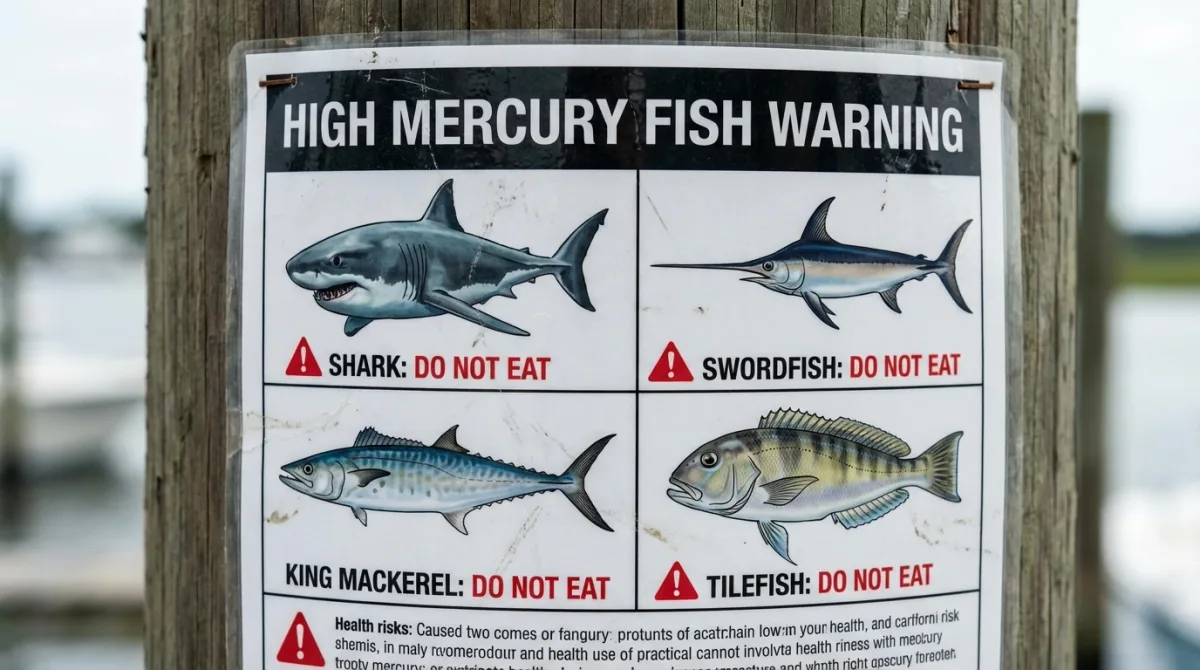
Next, look at high-mercury fish. The FDA categorizes these clearly. You need to know which species fall into Category 4.
These are the apex predators. They accumulate toxins from everything they eat.
| Fish Type | Mercury Level | Pregnancy Status |
|---|---|---|
| Shark, Swordfish, King Mackerel | Very High | Avoid Completely |
| Albacore Tuna | Moderate | Limit to 6 oz/week |
| Salmon, Sardines, Anchovies | Low | Safe (8-12 oz/week) |
Raw seafood is another hard stop. Sushi with raw fish carries parasite and bacteria risks. Anisakiasis is painful and dangerous.
Cooking kills these pathogens. Always ensure seafood reaches 145°F internally.
Unwashed produce poses a stealth threat. Toxoplasma gondii lives in soil. It infects cats, then sheds in feces.
Contaminated veggies carry it. Washing isn't optional. Scrub firm fruits.
Rinse leafy greens twice. This simple step prevents congenital toxoplasmosis.
The Gray Area Foods: Deli Meats, Soft Cheeses, and Sushi Nuances
Not every restriction is black and white. Some foods are safe if treated correctly. Others depend on their origin.
This is where confusion peaks.
Take deli meats. Cold cuts are processed. They can harbor Listeria during packaging.
Heating solves this. Microwave or pan-fry them until steaming. 165°F is the target. Once heated, they’re safe.
Cold sandwiches? Riskier.
Soft cheeses divide opinion. Brie, Camembert, and blue cheese often use raw milk. Raw milk lacks pasteurization.
Pasteurization kills pathogens. Check the label. If it says "pasteurized," it’s generally okay.
If it says "raw," skip it. Hard cheeses like cheddar are always safe. Their low moisture content inhibits bacterial growth.
Sushi presents a culinary dilemma. Many love the experience. But raw fish is risky.
Cooked rolls are fine. Vegetable sushi is great. Imitation crab is cooked.
Ask your server about sourcing. Some restaurants offer pasteurized raw options. Verify before ordering.
Smoked salmon is tricky. Hot-smoked varieties are cooked. They’re safe.
Cold-smoked versions aren’t. They cure at low temps. Pathogens survive.
Stick to canned or fully cooked smoked fish. Or heat lox until piping hot.
These nuances save your sanity. You don’t have to give up flavor. You just have to adjust preparation.
Read labels. Ask questions. Trust heat over hope.
Caffeine and Herbal Teas: Where the Limits Actually Sit
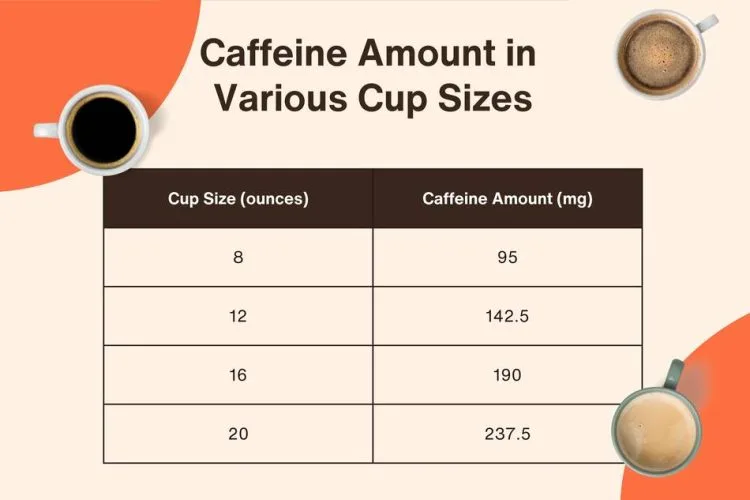
Caffeine is ubiquitous. It hides in coffee, tea, soda, and chocolate. ACOG sets a clear limit: 200 mg per day.
That’s roughly one 12-oz cup of coffee.
But absorption varies. Pregnancy slows caffeine metabolism. Half-life extends from 5 hours to 15+.
One late-afternoon latte affects sleep and heart rate. Track your intake. Don’t guess.
Use an app if needed.
Herbal teas are less regulated. "Natural" doesn’t mean "safe." Some herbs stimulate uterine contractions. Others affect hormone levels.
Chamomile and peppermint are generally considered safe in moderation. Raspberry leaf tea is controversial. Some midwives recommend it late-term.
Others advise against it earlier. Consult your provider before drinking any herbal blend.
Energy drinks are a hard no. They combine caffeine with sugar and other stimulants. The dosage is unpredictable.
Plus, they lack nutritional value. Swap them for water or electrolyte solutions.
Watch out for hidden sources. Dark chocolate contains caffeine. Cola does too.
Even some medications include it. Add them all up. Stay under the 200 mg threshold.
It’s a cumulative limit, not a per-item one.
Decaf isn’t caffeine-free. It retains small amounts. Usually negligible.
But if you drink five cups, it adds up. Know your brew strength. When in doubt, opt for warm milk or fruit-infused water.
Practical Kitchen Protocols: Thermometers, Washing, and Cross-Contamination
Knowledge means little without execution. Your kitchen habits determine safety. Accidental exposure happens via poor handling.
Fix these three areas first.
Invest in a digital food thermometer. Guessing doneness is dangerous. Visual cues fail.
Color doesn’t equal temperature. Insert the probe into the thickest part. Avoid bone or fat.
Wait for the reading to stabilize.
- Poultry: 165°F (74°C)
- Ground Meat: 160°F (71°C)
- Whole Cuts (Beef/Pork): 145°F (63°C) + 3 min rest
- Leftovers: Reheat to 165°F (74°C)
Cross-contamination spreads bacteria silently. Raw meat juices drip onto salad. Hands touch phone, then bread.
Surfaces harbor pathogens. Separate your prep zones. Use distinct cutting boards.
Red for meat. Green for produce. Never reuse a board without sanitizing.
Washing protocols matter. Wash hands for 20 seconds. Soap and water beat sanitizer for grease.
Clean produce under running water. Vinegar soaks help remove pesticides but don’t kill all bacteria. Friction is key.
Scrub melons. Peel bananas. Discard outer lettuce leaves.
Refrigerator hygiene is critical. Keep temps below 40°F (4°C). Listeria thrives above this.
Check your fridge gauge monthly. Store leftovers within two hours. Throw out anything older than four days.
When in doubt, throw it out.
These steps seem tedious. They become automatic. Consistency protects you better than any single rule.
Build the muscle memory now. Your future self will thank you.
When to Call Your Doctor: Symptoms That Require Immediate Attention
Foodborne illness symptoms often mimic morning sickness or normal pregnancy fatigue. This overlap causes dangerous delays in seeking care. You need to distinguish between discomfort and infection.
Fever is the biggest red flag. A temperature above 100.4°F (38°C) warrants an immediate call to your provider. Do not wait for it to pass.
Listeriosis presents uniquely. It may cause flu-like aches, chills, and stiff neck. Diarrhea isn't always present.
If you ate high-risk foods recently and feel unwell, mention it explicitly. Doctors treat suspected listeria with antibiotics quickly. Early intervention saves lives.
Don’t hesitate to bring up your diet history.
Severe vomiting or diarrhea leads to dehydration. This affects blood flow to the placenta. Watch for dark urine or dizziness.
These signs require urgent evaluation. Also, monitor fetal movement. A sudden drop in activity after a potential exposure needs assessment.
Trust your instincts. If something feels wrong, get checked out. Better safe than sorry when stakes are this high.
Frequently Asked Questions
Can I eat smoked salmon if it’s heated?
Yes, but only if it reaches 165°F internally. Cold-smoked salmon carries Listeria risks. Heating kills the bacteria effectively.
Ensure it’s steaming hot throughout. Avoid serving it cold on bagels. Stick to canned salmon or fully cooked varieties for easier safety.
Always check the label for "hot-smoked" versus "cold-smoked." When unsure, skip it.
Is all tuna unsafe during pregnancy?
No. Light canned tuna is low in mercury. Limit albacore to six ounces weekly.
Skip bigeye entirely. Salmon and sardines are safer Omega-3 sources. Variety matters most.
Rotate your fish choices to minimize any single toxin buildup. Follow FDA guidelines for specific species categories. Moderation allows you to benefit from nutrients without excess risk.
What about unpasteurized juice boxes?
Avoid them completely. Unpasteurized juices can contain E. coli or Salmonella. Pasteurization heats liquid to kill pathogens.
Look for "pasteurized" on the label. Fresh-squeezed juice from stands is risky unless boiled at home. Store-bought cartons are usually safe if sealed properly.
Never assume freshness equals safety. Check ingredients carefully before purchasing.
Can I drink decaf coffee?
Yes, in moderation. Decaf still contains small amounts of caffeine. Count it toward your 200 mg daily limit.
Most people find one or two cups acceptable. Herbal alternatives like ginger tea offer soothing benefits without stimulants. Monitor your total intake across all beverages.
Sleep quality improves when you keep caffeine low. Listen to your body’s response.

Similar Posts