Best Sleeping Positions During Pregnancy: A Complete Guide
This best sleeping positions during pregnancy guide cuts through the noise to give you clear, medically backed advice. We know how exhausting it is to toss and turn while worrying about your baby’s safety. You don’t need endless theories; you need actionable steps that work for your changing body.
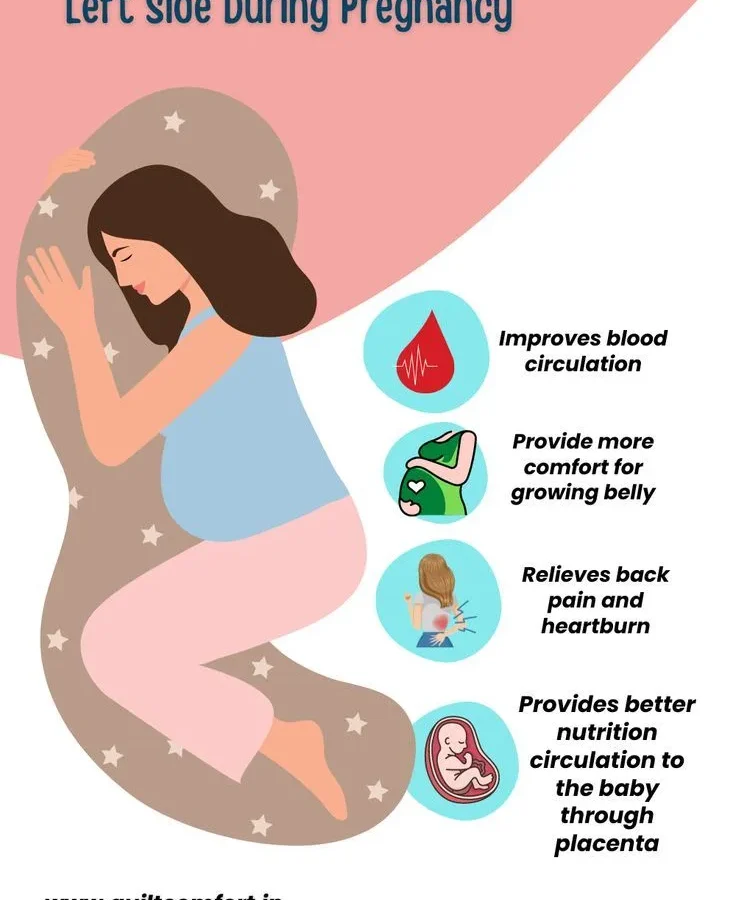
Research confirms that left-side sleeping optimizes blood flow in the third trimester. As of 2026, major health bodies like the NHS still emphasize this position to reduce stillbirth risks. Let’s break down exactly why this matters and how to make it comfortable.
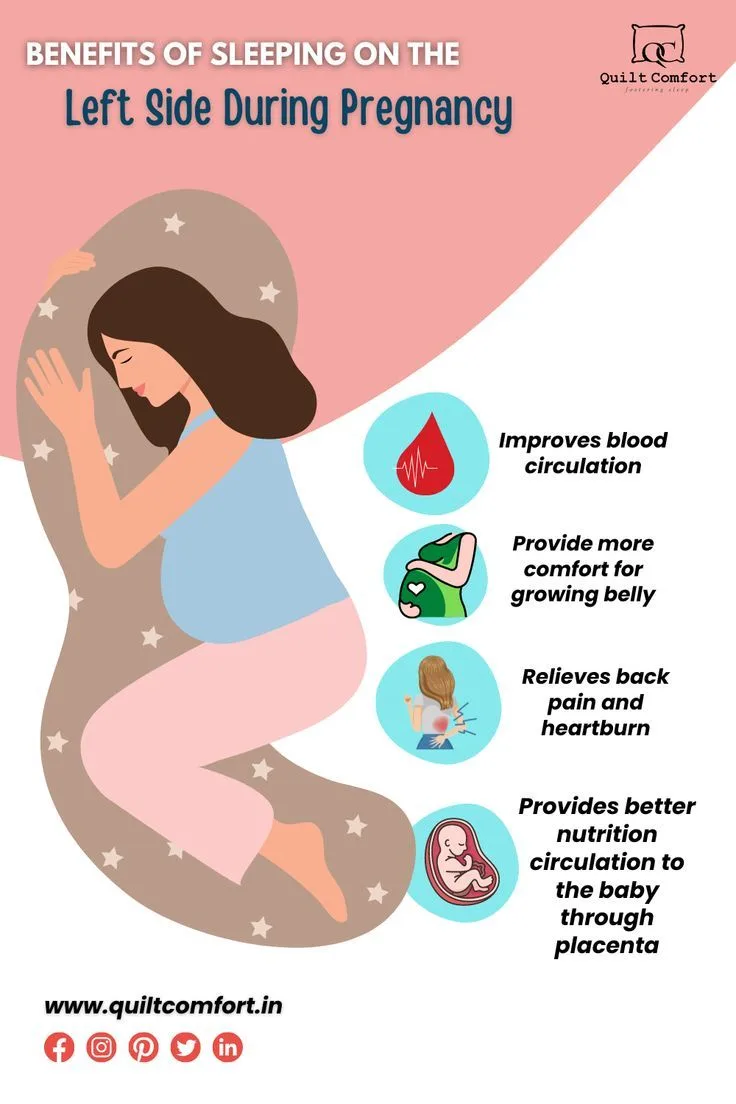
Image source: Bing (Web (fair-use with source credit))
Quick Answer
The best sleeping position during pregnancy is on your left side. This maximizes blood flow to the placenta and kidneys. It also prevents the uterus from compressing major blood vessels.
Avoid sleeping flat on your back after 28 weeks. Use pillows for support if needed.
Why Your Sleep Position Matters More in the Third Trimester
Your growing uterus changes everything about your anatomy. In early pregnancy, you can sleep however you please. But by week 28, gravity works against you when lying flat.
The heavy uterus presses directly onto your inferior vena cava (IVC).
This large vein carries deoxygenated blood from your lower body back to your heart. Compression slows this return flow. Your heart pumps less oxygen-rich blood to the placenta.
This creates a bottleneck for your baby’s essential nutrients.
We see this risk spike specifically in late pregnancy. Studies published in The Lancet link habitual supine sleeping to higher stillbirth rates. It’s not about one bad night.
It’s about consistent patterns over weeks.
Think of it as plumbing. Kinking the hose restricts water pressure. Your baby needs steady, strong pressure.
Side-sleeping untwists that kink. It allows free circulation. This simple shift protects fetal development during critical growth phases.
The Left-Side Rule: Maximizing Placental Blood Flow
Left lateral recumbent positioning is the gold standard. Why left? Anatomy favors it.
The IVC sits slightly to the right of your spine. Rolling left moves the uterus away from this vessel.
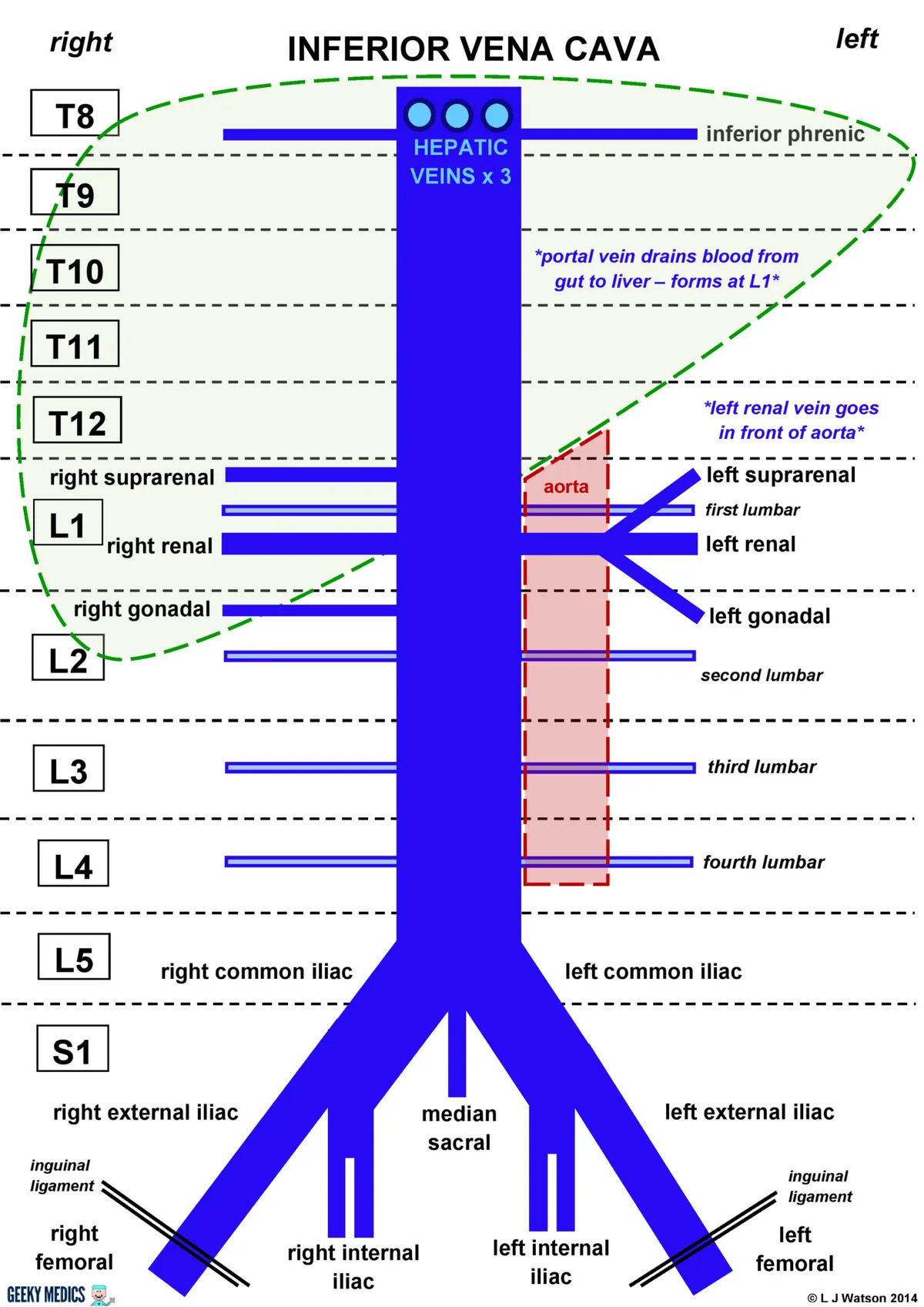
Image source: Bing (Web (fair-use with source credit))
Right-side sleeping is acceptable but less optimal. It doesn’t relieve pressure as effectively as the left. However, switching sides occasionally prevents hip strain.
Don’t panic if you wake up on your right. Just roll back to the left when possible.
Placental perfusion relies on maternal cardiac output. When the IVC is compressed, preload drops. Cardiac output falls.
Blood flow to the intervillous space decreases. Your baby gets less oxygen.
We recommend aiming for at least 90% of your sleep time on your left side. This isn’t rigid law. It’s a protective buffer.
Consistency matters more than perfection. If you struggle, focus on reducing time spent flat on your back.
What If You Wake Up on Your Back? (And Other Real-Life Scenarios)
First, take a breath. Waking up supine does not mean you’ve harmed your baby. Many women worry excessively about this.
That anxiety causes more harm than the brief positional change.
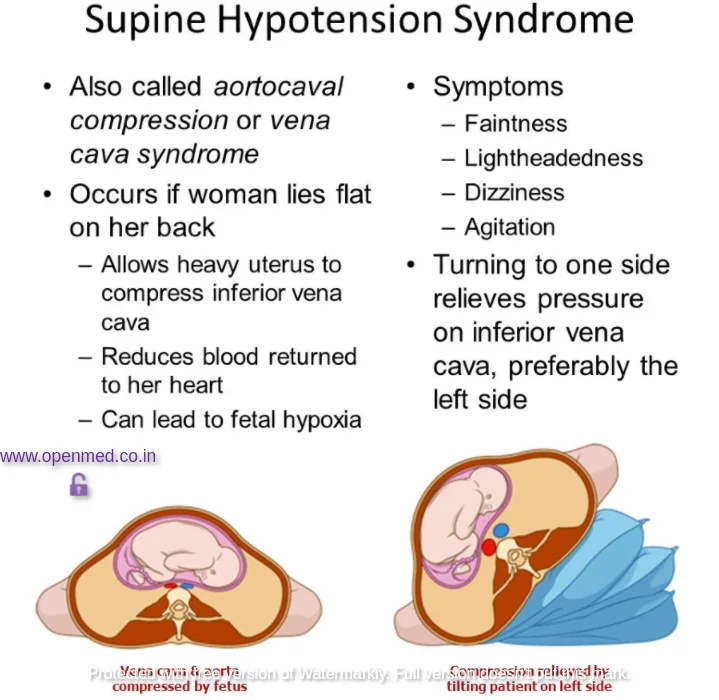
Image source: Web (Bing) / openmed.co.in (Web image (fair-use with source credit))
You likely rolled over unconsciously. Your body may have adjusted due to discomfort or numbness. Simply roll back to your left side.
Do this calmly. There’s no emergency protocol for waking up once.
Real danger comes from staying there for hours. Prolonged compression triggers Supine Hypotensive Syndrome. Symptoms include dizziness, nausea, and rapid heartbeat.
If you feel these signs, move immediately.
Here’s how to handle common scenarios:
- Waking up flat: Roll to the left. Check fetal movement if worried. Continue sleeping.
- Hip pain preventing left sleep: Try a slight tilt. Use a wedge behind your back. You’re not fully supine.
- Partner disturbance: Communicate boundaries. Ask them to avoid pushing you onto your back.
- Restless legs: Stretch gently before bed. Magnesium supplements (consult doctor) may help.
Remember, occasional rolling is normal. Chronic supine sleeping is the issue. Monitor your habits, not every single minute.
Setting Up Your Body for Success: Pillows and Angles
Comfort drives compliance. If left-sleeping hurts, you’ll revert to unsafe positions. Proper support makes the difference.
You need strategic pillow placement.
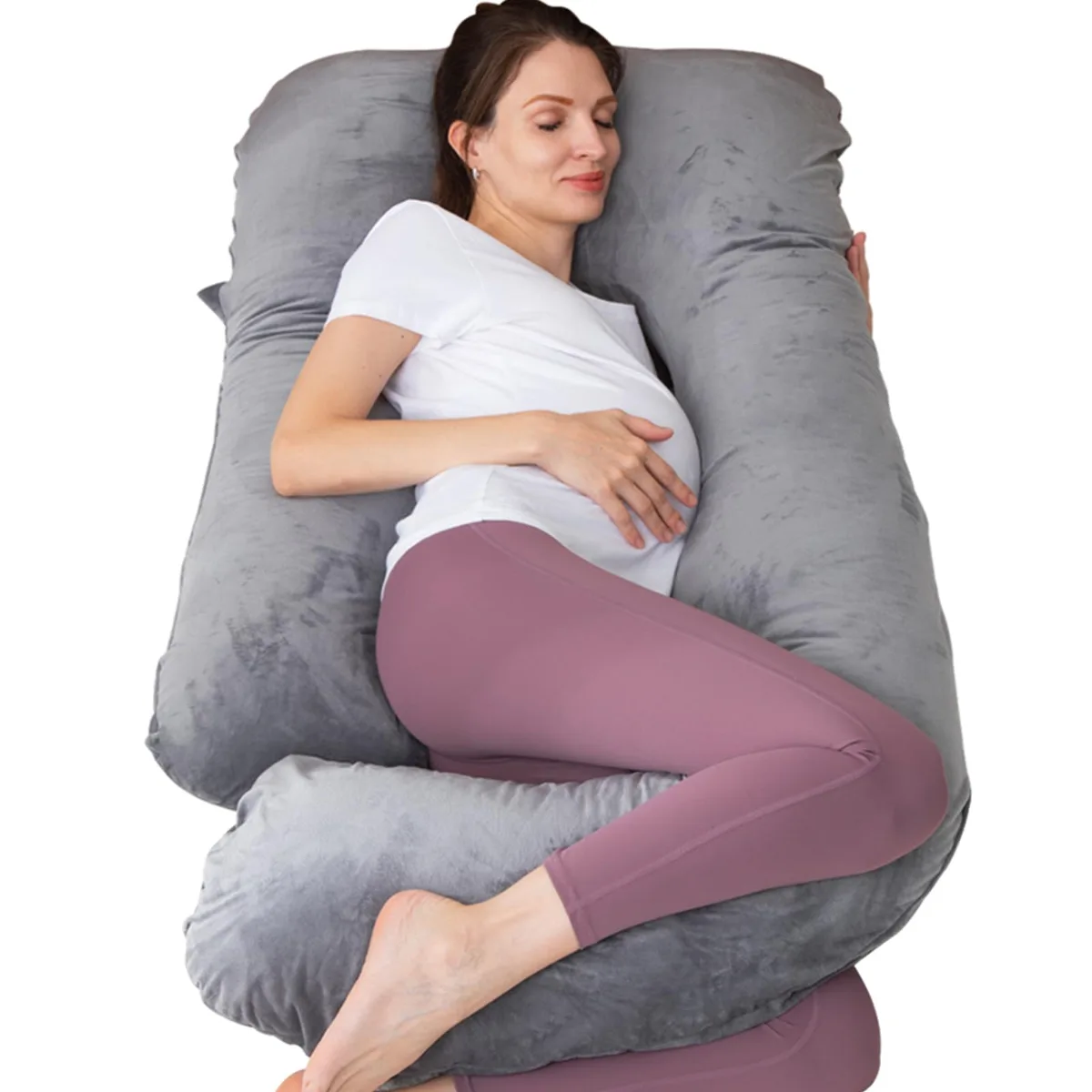
Image source: Web (Bing) / amazon.ca (Web image (fair-use with source credit))
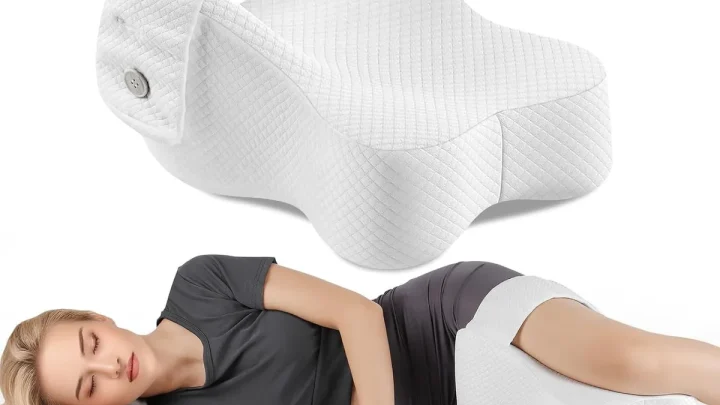
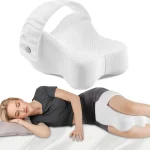
Start with knee alignment. Place a firm pillow between your knees and ankles. This keeps hips stacked.
It reduces sciatic nerve tension. Without it, your top leg pulls your pelvis forward. That twists your spine.
Next, support your belly. Use a small wedge or folded towel under your abdomen. This prevents the weight from dragging your shoulders down.
It maintains neutral spinal alignment.
Head and neck matter too. Ensure your pillow fills the gap between ear and shoulder. Too high strains the neck.
Too low causes headaches. Adjust based on mattress firmness.
Consider these tools:
| Tool | Purpose | Best For |
|---|---|---|
| Full-body U-shaped pillow | All-in-one support | Severe pain, multiple discomforts |
| Wedge pillow | Back prop | Preventing accidental supine rolling |
| Standard memory foam pillow | Knee/ankle separation | Budget-conscious setups |
| Bolster | Belly/chest support | Customizable positioning |
Experiment to find what works for your body type. Some prefer modular pillows. Others love the simplicity of one big cushion.
The goal is uninterrupted, safe rest.
Managing Pregnancy Discomforts Through Positioning
Sleep issues often stem from secondary symptoms. Heartburn, swelling, and back pain disrupt rest. Positioning addresses these directly.
Acid reflux worsens when lying flat. Gravity stops keeping stomach acid down. Elevate your head and chest slightly.
Use extra pillows or a bed riser. Aim for a 30-degree incline. This helps digestion while you sleep.
Edema (swelling) plagues many pregnant women. Fluid pools in the legs due to venous pressure. Elevate your feet above heart level when resting.
During sleep, ensure legs aren’t dangling off the bed. Keep them supported by pillows. This aids venous return.
Back pain requires core stability. Side-sleeping with knees bent mimics the fetal position. It relaxes the erector spinae muscles.
Add lumbar support if gaps exist. A small rolled towel behind your lower back can help.
Don’t ignore round ligament pain. Sudden movements trigger sharp spasms. Move slowly when turning.
Use pillows to brace your belly during shifts. This minimizes stretching stress on sensitive ligaments.
For persistent issues, consult ACOG patient resources for tailored advice. They offer evidence-based strategies for managing specific pregnancy pains safely.
When to Call Your Doctor: Red Flags vs. Normal Shifts
Knowing the difference between harmless discomfort and genuine danger saves lives. Most sleep-related aches are normal mechanical issues. They stem from weight gain and ligament stretching.
These improve with better positioning or time.
However, certain symptoms demand immediate medical attention. Decreased fetal movement is the biggest red flag. If your baby stops kicking for two hours, call your provider.
Do not wait until morning. Early intervention can prevent stillbirth.
Watch for signs of preeclampsia too. Sudden swelling in hands or face matters. So does severe headache that won’t quit.
Vision changes like blurriness also signal trouble. These aren’t just “pregnancy feelings.” They require urgent evaluation.
Pain that persists despite position changes warrants a checkup. Sharp abdominal pain could indicate placental abruption. This is rare but serious.
Trust your instincts if something feels wrong. Better to get cleared unnecessarily than ignore a real threat.
Our research highlights that patient education reduces anxiety. Knowing what to watch for empowers you. It turns passive worry into active monitoring.
Keep your doctor’s number handy. Save it in your phone as an emergency contact.
Frequently Asked Questions About Pregnancy Sleep Safety
Is right-side sleeping okay?
Yes, it’s safe but less optimal than left. The left side offers superior blood flow benefits. Switching sides prevents hip strain.
Don’t stress if you roll right. Just aim for mostly left-sided rest.
Can I sleep on my stomach?
No, this becomes physically impossible after week 20. The belly gets too large. Even early on, breast tenderness makes it uncomfortable.
Side-sleeping is the only viable option later. Start practicing now to build the habit.
What about naps during the day?
Daytime naps follow the same rules. Avoid lying flat on your back. Use a recliner or prop up with pillows.
Short rests help combat fatigue. But safety remains paramount regardless of time of day.
Will using pillows hurt my baby?
Absolutely not. Pillows provide essential support. They reduce pressure on joints and veins.
Proper alignment actually improves circulation. Think of them as tools for comfort and health. There’s no downside to good support.
How long until I adjust to side-sleeping?
Most women adapt within one to two weeks. Initial stiffness is normal. Your muscles need time to recalibrate.
Consistency speeds up the process. Stick with it even if nights feel awkward at first.

Similar Posts