Gentle Pregnancy Stretches: A Safe Beginner’s Routine
Most beginners assume stretching is harmless, but pregnancy changes everything. A proper pregnancy stretching routine for beginners focuses on stability, not flexibility. You’re protecting joints that are literally loosening up to accommodate your growing baby.
Getting this wrong can lead to lasting pain or injury.
We’ve seen too many women push into deep splits because they feel "loose," only to end up with pelvic girdle pain. The goal here isn’t touching your toes. It’s maintaining mobility while respecting new biological limits.
Let’s break down exactly how to stretch safely, trimester by trimester, so you stay comfortable without risking harm.
Image source: Bing (Web (fair-use with source credit))
Why Standard Stretching Rules Don’t Apply During Pregnancy
If you stretched the same way before conception, you’re playing a dangerous game now. Your body produces hormones that alter tissue integrity. These changes happen rapidly and silently.
You won’t always feel the shift until something gives.
Standard fitness advice emphasizes pushing past resistance. In pregnancy, resistance is often a warning sign. Your ligaments are softer, meaning they absorb less shock.
This makes them prone to micro-tears if forced beyond their natural range. We need to unlearn the "no pain, no gain" mindset entirely.
Instead of seeking maximum extension, aim for neutral alignment. Think of your joints as hinges that need lubrication, not rubber bands meant to snap taut. The objective is functional movement that supports your changing center of gravity.
This approach reduces strain on your lower back and hips.
Key Insight: Stop stretching when you feel mild tension. Never push into discomfort. If it hurts, stop immediately. Pain is your body saying the joint is unstable, not tight.
This distinction matters more than you might realize. Many women confuse muscle fatigue with ligament stress. Muscle soreness fades in a day or two.
Ligament damage can linger for months postpartum. By adjusting your expectations early, you protect your long-term physical health.
The Relaxin Factor: Understanding Your Body’s New Safety Limits
Relaxin is the hormone responsible for these dramatic shifts. It peaks in the first trimester and again near term. Its job is to soften cervical tissue and loosen pelvic ligaments for birth.
Unfortunately, it doesn’t discriminate. It affects every joint in your body.
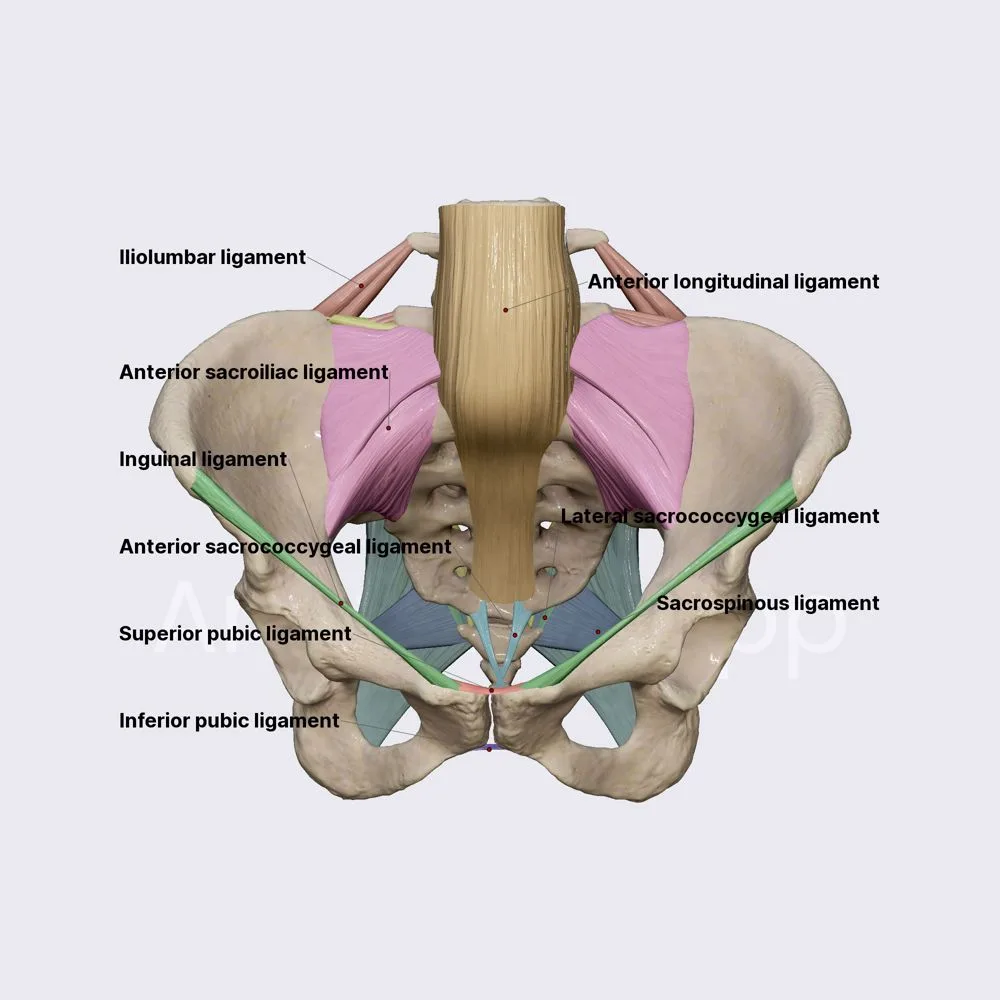
Imagine your knees, ankles, and wrists becoming slightly wobblier. That’s relaxin at work. It increases joint laxity by up to 20-30% in some areas.
This sounds great for flexibility, but it’s terrible for stability. Your muscles have to work harder just to keep you upright.
When you stretch aggressively under high relaxin levels, you risk hypermobility. This means moving a joint beyond its safe anatomical limit. Once a ligament is overstretched, it doesn’t shrink back quickly.
It stays loose. This chronic instability leads to compensatory pain elsewhere in the kinetic chain.
We advise treating every stretch like you’re handling fragile glass. Move slowly. Engage your core lightly to provide internal support.
Avoid ballistic movements like bouncing. Static holds should be gentle and brief. Remember, feeling "super flexible" right now is often a red flag, not an achievement.
A Safe, Beginner-Friendly Routine for Each Trimester
Your needs change dramatically from week four to week forty. A one-size-fits-all routine fails pregnant bodies. We’ve structured this progression to match physiological milestones.
Always consult your OB-GYN or midwife before starting any new exercise program.
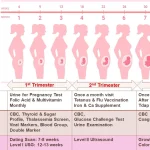
First Trimester: Gentle Mobility and Energy Management
Fatigue is real here. Keep sessions short, around five minutes. Focus on neck rolls, shoulder shrugs, and ankle circles.
These combat stiffness from hormonal shifts and reduced activity. Avoid intense abdominal work if you experience spotting or cramping.
Second Trimester: Addressing Lower Back and Hip Tension
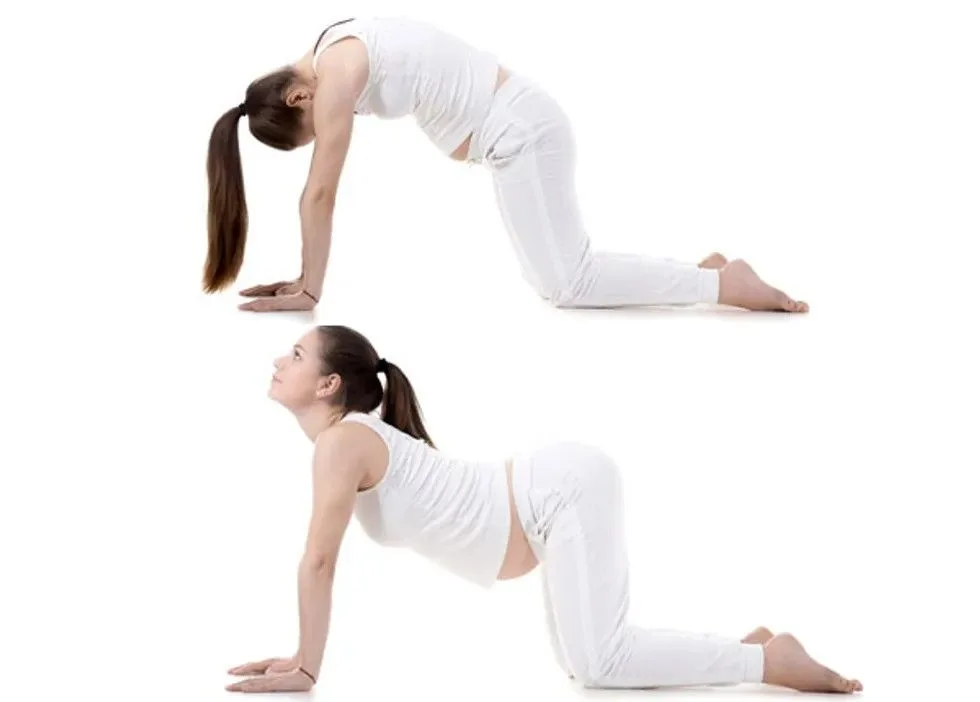
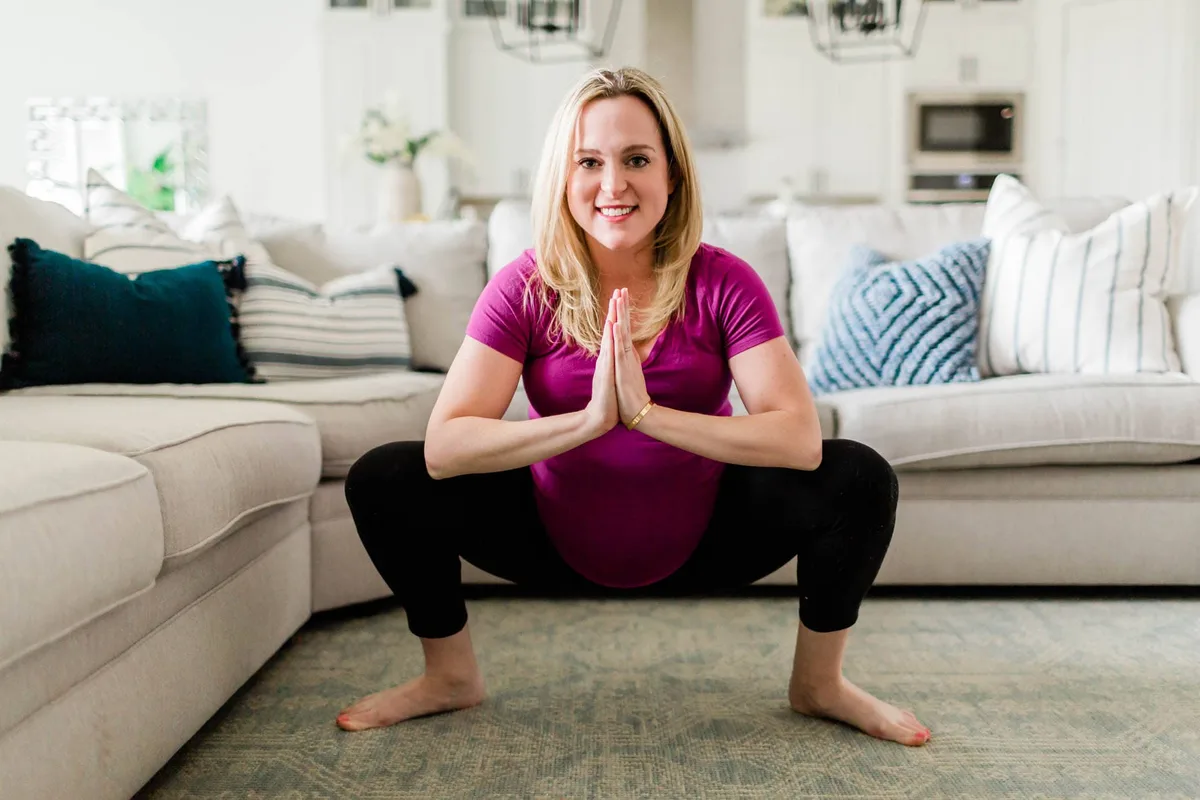
Your belly grows visibly, shifting your center of gravity forward. Incorporate cat-cow poses to mobilize the spine gently. Use supported squats against a wall to open hips without load.
Hold stretches for 15-30 seconds max. Breathe deeply to prevent breath-holding.
Third Trimester: Pelvic Prep and Balance-Safe Movements
Balance becomes tricky. Perform all standing stretches near a sturdy chair or counter. Focus on chest openers to counteract rounded shoulders.
Gentle butterfly stretches (seated, back straight) prepare the inner thighs. Never lie flat on your back after 20 weeks due to vena cava compression.
| Trimester | Primary Focus | Max Hold Time | Key Modification |
|---|---|---|---|
| First | Neck/Shoulder relief | 10-15 sec | Sit if dizzy |
| Second | Spine/Hip mobility | 15-30 sec | Use props for support |
| Third | Chest/Balance prep | 10-20 sec | Stand near stable surface |
Progression is subtle. You aren’t adding complexity; you’re adding specificity. Listen to your body daily.
Some days, even gentle movement feels wrong. Rest then. Consistency beats intensity every single time during gestation.
Critical Red Flags: When to Stop Immediately
Certain symptoms mean you must halt all activity and contact your provider. Ignoring these signs risks serious complications for both you and the baby. We categorize these as absolute stoppers, not suggestions.
Vaginal bleeding or fluid leakage is non-negotiable. Stop stretching. Call your doctor.
Dizziness, headaches, or chest pain indicate cardiovascular strain. Pause immediately and sit down. If symptoms persist, seek emergency care.
Uterine contractions or regular painful tightening suggest preterm labor risks.
Calf pain or swelling could signal a blood clot (DVT). Pregnancy increases clotting factors naturally. One-sided leg pain, warmth, or redness requires urgent medical evaluation.
Do not massage the area. Do not try to "stretch it out."
Shortness of breath before exertion is another warning. While mild breathlessness is normal, inability to speak in full sentences during light movement is not. Reduce intensity instantly.
Watch for decreased fetal movement later in pregnancy. If your baby stops kicking normally, stop exercising and monitor closely.
Safety Note: As of 2026, clinical guidelines emphasize that exercise should never cause pain. Discomfort from stretching is okay; sharp, stabbing, or radiating pain is not. Trust your instincts. If something feels "off," it probably is.
These red flags override any routine. No stretch is worth ignoring bodily warnings. Your primary role is protection, not performance.
Document any unusual symptoms to discuss with your healthcare team at your next visit. Early detection prevents escalation.
Common Mistakes That Lead to Ligament Strain or Falls
Beginners often replicate pre-pregnancy habits out of muscle memory. This causes most prenatal injuries. We’ve analyzed common error patterns to help you avoid them.
Awareness is your best defense against accidental harm.
Overstretching is the top offender. Feeling "loose" tricks you into going deeper. Resist the urge.
Limit range of motion to what feels stable. Another mistake is holding your breath. This spikes intra-abdominal pressure and reduces oxygen flow.
Breathe continuously through every movement.
Ignoring balance changes leads to falls. Your center of gravity shifts upward and forward. Standing on one leg without support is risky.
Always keep a hand on a wall, chair, or partner. Wear supportive, non-slip footwear. Barefoot stretching on smooth floors invites slips.
Rushing transitions between poses stresses joints. Move deliberately. Pause briefly in neutral positions before switching directions.
Sudden twists jar the spine and pelvis. Rotate from the hips, not just the waist. Engage your core lightly to stabilize the torso during turns.
Finally, comparing yourself to others fuels bad form. Social media shows flexible influencers doing advanced poses. They may have years of practice or different physiology.
Your journey is unique. Measure success by comfort and consistency, not depth or difficulty. Stay humble, stay safe, and let your body guide the pace.
Frequently Asked Questions About Prenatal Flexibility
How often should I stretch during pregnancy?
Daily is ideal, but consistency matters more than frequency. Aim for five to ten minutes each morning or evening. This keeps joints mobile without causing fatigue.
If you miss a day, don’t double up later. Just resume your normal schedule the next day. Listen to your energy levels and adjust accordingly.
Can I still do yoga if I was flexible before?
Yes, but modify significantly. Your previous flexibility is now a liability due to relaxin. Avoid deep backbends, intense twists, and inversions after the first trimester.
Stick to gentle, restorative flows. Use blocks and straps extensively. Never force a pose to match your pre-pregnancy baseline.
Stability takes precedence over depth.
Is it safe to stretch my hamstrings?
Hamstring tightness is common as your pelvis tilts forward. Gentle stretching helps relieve lower back strain. Keep knees slightly bent to protect the sciatic nerve.
Lie on your back with one leg extended. Pull the other thigh toward your chest gently. Hold for fifteen seconds.
Switch legs. Avoid ballistic bouncing motions entirely.
What if I feel sharp pain in my groin?
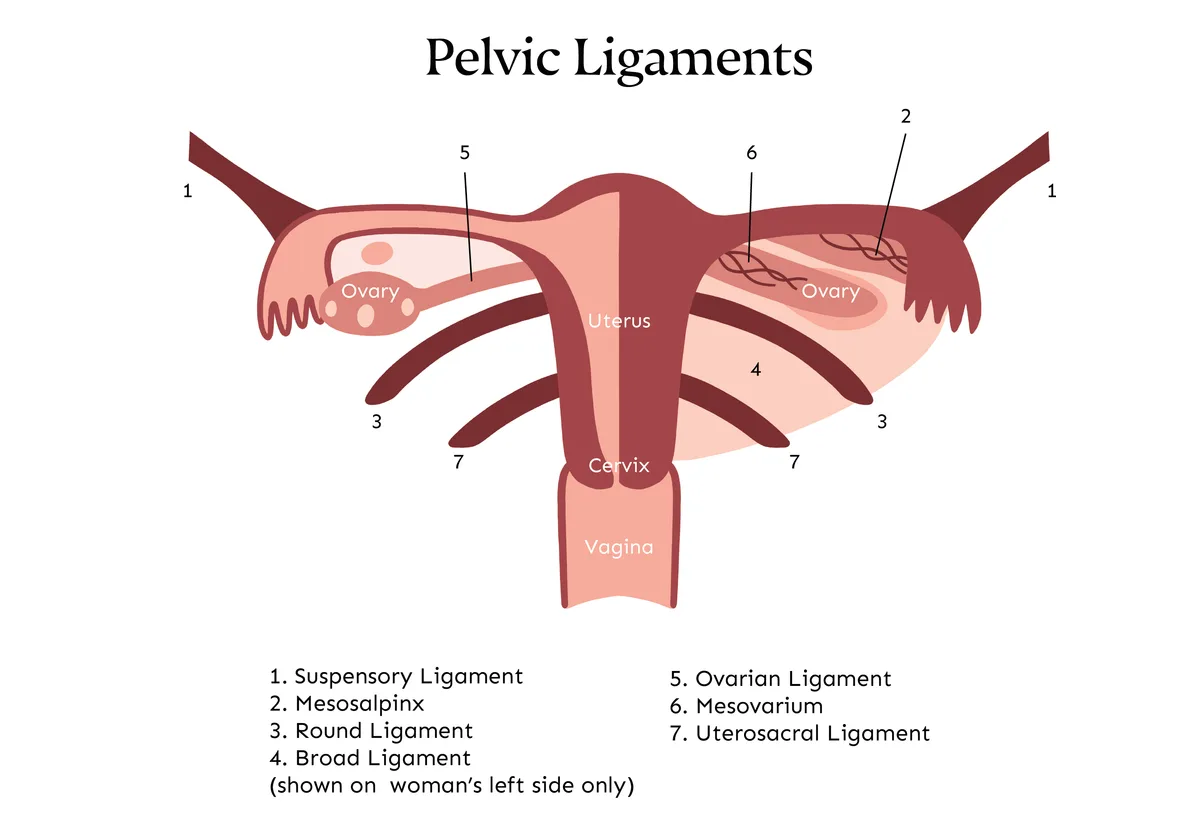
This likely indicates round ligament pain. Stop the movement immediately. Rest in a comfortable position.
Apply cold packs if swelling occurs. Sharp pain is not normal muscle soreness. It signals stress on supporting tissues.
Consult your provider if it persists beyond twenty-four hours. Do not push through this type of discomfort.
Should I avoid stretching after eating?
Light stretching is fine, but vigorous movement isn’t. Wait thirty minutes after meals to prevent reflux. Digestion slows during pregnancy, making heartburn common.
Choose gentle seated stretches if you’re uncomfortable lying down. Focus on breathing rather than deep extension. Comfort dictates timing.
There’s no strict medical rule, just practical adjustment.
Can stretching help with labor preparation?
Indirectly, yes. Maintaining hip mobility aids fetal positioning. It doesn’t induce labor prematurely.
However, excessive pelvic loosening can cause instability. Balance is key. Work with a prenatal physiotherapist for targeted exercises.
General stretching supports overall well-being. It prepares your body for the physical demands of delivery. Think of it as maintenance, not training.

Similar Posts