Pregnancy Hospital Tour Packing List: What to Bring
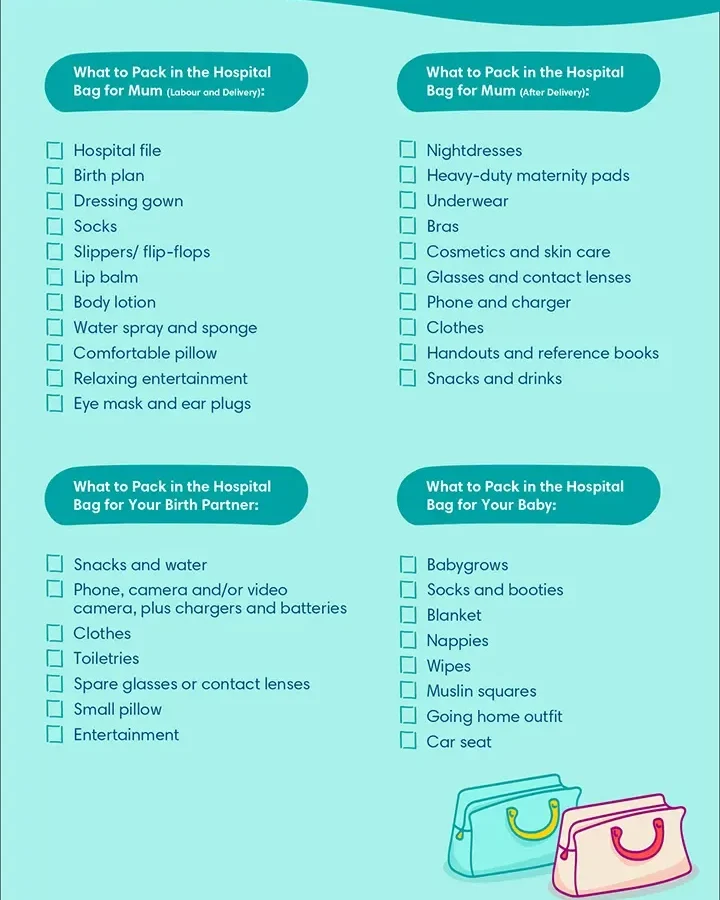
Figuring out what to pack for a pregnancy hospital tour can feel surprisingly stressful. You want to look prepared, but you don't want to haul around unnecessary clutter. Most parents overthink this simple errand.
They bring bags full of baby gear that belongs at home, not in the lobby.
The goal is comfort and organization, not demonstration. As of 2026, most facilities limit tours to forty-five minutes. You need to move quickly through corridors and listen intently.
Bringing too much stuff slows you down. Let’s break down exactly what you should carry.
Quick Answer
Pack light for your hospital tour. Bring photo ID, insurance cards, and a list of questions. Wear comfortable shoes and loose clothing.
Leave all baby gear at home. Focus on capturing notes, not showing off supplies. This ensures you stay mobile and attentive during the visit.
The One Thing Most Parents Forget to Pack for a Hospital Tour
You’ll likely remember your wallet and keys. But you probably won’t think about a dedicated note-taking system. Many couples rely on memory or scattered phone apps.
This leads to missed details about epidural policies or visiting hours.
Bring a physical notebook and pen. Digital devices often distract from the conversation. Nurses appreciate when you write things down manually.
It shows engagement and helps retention. You can always transcribe notes later if needed.
Also, pack a portable charger. Tours involve walking long distances with poor cell reception. Your battery might drain faster than expected.
A power bank ensures you never miss a critical update. Keep it small and tucked in a pocket.
This simple addition transforms a chaotic walk into a structured assessment. You stop worrying about forgetting facts. Instead, you focus on observing the environment.
That shift alone reduces anxiety significantly.
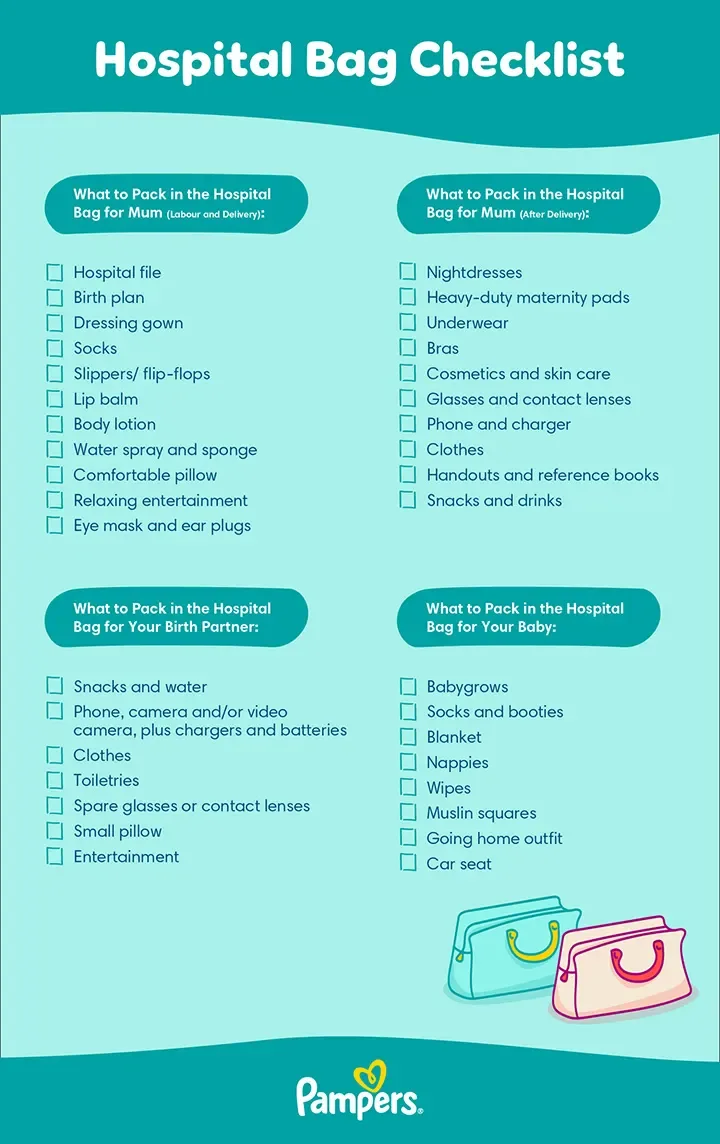
Your Pre-Tour Checklist: Documents, Attire, and Tools That Actually Matter
Before you leave the house, verify your documents. Hospitals require identification for security clearance. You cannot enter restricted areas without proper credentials.
Missing paperwork wastes valuable tour time.
Here is what you must have on hand:
- Government-issued photo ID for both partners.
- Current insurance card and referral letter if applicable.
- Printed copy of your birth preferences (optional but helpful).
- List of medical providers involved in your care.
Next, consider your attire. Comfort dictates your ability to pay attention. If your feet hurt, you’ll tune out the nurse’s explanation.
Dress for mobility and temperature control.
| Item | Purpose | Why It Matters |
|---|---|---|
| Closed-Toe Shoes | Safety & Support | Prevents slips on polished floors; supports arches during standing. |
| Layered Clothing | Temperature Regulation | Hospital HVAC varies wildly; layers allow quick adjustment. |
| Crossbody Bag | Hands-Free Access | Keeps essentials secure while allowing free movement for gestures. |
Avoid heavy coats or bulky accessories. These items snag on door handles and equipment. Simplicity wins every time.
You want to blend in, not stand out as distracted.
Finally, prepare your mental toolkit. Review your top three priorities beforehand. Know whether you value privacy, staff ratios, or pain management options most.
This clarity guides your observation skills. You aren’t just looking at rooms. You’re evaluating fit.
Decision Branch 1: What to Wear Based on Facility Type and Weather
Your outfit choice depends heavily on the facility type. An academic teaching hospital differs from a boutique birthing center. Understand the environment before selecting clothes.
Teaching hospitals often have high foot traffic. Corridors are busy with students and staff. You need durable, professional-looking attire.
Avoid overly casual wear like sweatpants. Look sharp but relaxed. Jeans and a nice blouse work well.
Boutique centers prioritize warmth and homeliness. Staff may expect softer aesthetics. Linen blends or cotton dresses fit the vibe here.
However, still avoid open-toed sandals. Hygiene protocols remain strict everywhere.
Weather plays a secondary role. If it’s raining, waterproof footwear is essential. Wet socks ruin concentration instantly.
Check the forecast the night before. Adjust layers accordingly.
Consider the season. Winter tours mean navigating icy entrances. Traction matters more than style.
Summer visits involve heat exposure outdoors. Breathable fabrics prevent discomfort indoors.
Ask yourself: Will I be sitting or standing mostly? Most tours involve significant walking. Prioritize shoe cushioning over fashion statements.
A blister-free experience allows better listening.
If you’re attending a group tour, match the general dress code. Standing out causes unnecessary distraction. Blend in to observe authentic interactions.
Your clothing should facilitate invisibility, not visibility.

Decision Branch 2: Essential Gear vs. Unnecessary Clutter (The "No Baby Stuff" Rule)
This is where most parents go wrong. They treat the tour like a pre-birth exhibition. They bring car seats, monitors, and nursing pillows.
Stop doing this immediately.
A hospital tour is an informational session. You are assessing the facility, not showcasing your nursery. Bringing baby gear creates logistical nightmares.
You’ll spend energy managing props instead of absorbing information.
Leave everything related to the infant at home. No exceptions. Even small items like pacifiers distract from serious discussions.
The staff cannot evaluate your parenting style. They only provide care logistics.
What constitutes essential gear then? Only items that aid your cognitive processing. Pens, notebooks, and phones belong.
Snacks help maintain blood sugar levels. Hydration keeps your voice steady.
Avoid bringing large bags. Backpacks bump into walls and people. Use a compact tote or crossbody bag.
Ease of movement correlates directly with information retention.
Think about the psychological impact. Carrying baby items triggers emotional responses. You might tear up discussing NICU stats.
Stay neutral to ask tough questions effectively. Emotional detachment aids objective analysis.
Resist the urge to show off research. Don’t print fifty pages of studies. Handouts annoy busy nurses.
Keep queries concise and verbal. Save detailed follow-ups for email correspondence later.
Simplicity signals confidence. Chaos signals anxiety. Project calmness by packing minimally.
You demonstrate readiness through composure, not cargo.

How to Structure Your Question List So You Don’t Miss Critical Details
Random questioning yields random answers. Structure your inquiry to maximize efficiency. Group topics logically to avoid jumping between subjects.
This helps staff recall specific protocols accurately.
Start with admission procedures. Ask about triage wait times. Inquire about partner presence during initial checks.
These basics set the tone for your stay.
Move to labor environment specifics. Request details on room amenities. Are showers private?
Is there a birth ball available? Clarify lighting controls and noise levels. Physical comfort impacts pain perception.
Address medical interventions next. Discuss induction policies. Ask about episiotomy rates.
Query VBAC (Vaginal Birth After Cesarean) support levels. Understanding statistical likelihoods informs expectations.
Don’t forget postpartum recovery. Inquire about lactation consultant availability. Ask about newborn screening schedules.
Clarify discharge criteria clearly. Knowing exit requirements prevents last-minute surprises.
Use the American College of Obstetricians and Gynecologists resources for standard terminology. Using correct medical terms earns respect. It ensures precise answers rather than vague reassurances.
Write questions in bullet points. Number them for easy reference. If time runs short, prioritize top-tier items.
Have a backup list for digital submission later.
Listen actively during answers. Note contradictions or hesitations. These red flags matter more than perfect scores.
Trust your gut alongside the data.
Common Mistakes That Wreck a Good Tour (And How to Fix Them Before You Go)
Talking too much is the biggest error. You might feel compelled to fill silence with chatter. This distracts from listening to critical protocol details.
Pause frequently during the walkthrough. Let the guide speak first.
Another trap involves ignoring non-verbal cues. Watch how staff interact with patients nearby. Do they rush?
Do they explain procedures clearly? These observations reveal true workplace culture. Verbal promises often differ from daily reality.
Finally, failing to ask about backup plans creates blind spots. What happens if your preferred provider isn’t on shift? Who covers emergency C-sections overnight?
Knowing the contingency protocols prevents panic later. Always clarify coverage gaps before leaving.
Post-Tour Action Plan: Turning Notes into a Final Birth Plan
Review your notes within twenty-four hours. Memory fades quickly after information overload. Highlight any contradictions between spoken answers and written policies.
Discrepancies require immediate follow-up emails to administration.
Share findings with your partner or doula. Compare perspectives to identify overlooked concerns. One person may notice room size issues.
Another might catch staffing ratio problems. Collective analysis strengthens your decision-making process.
Update your birth preferences based on new data. If the hospital restricts certain positions, adjust accordingly. Align your desires with feasible options.
This realistic approach reduces disappointment during labor. Keep the document flexible but specific.
Frequently Asked Questions About Hospital Tours
Can I bring my older children on the tour?
Most hospitals discourage young children due to safety risks. Sterile zones pose hazards for toddlers. Check the facility’s visitor policy beforehand.
Some centers allow supervised siblings in waiting areas only. Never assume permission without confirmation.
Should I take photos of the rooms during the tour?
Photography rules vary strictly by institution. Many prohibit images to protect patient privacy. Ask explicitly before raising your phone.
Respect "no photo" signs immediately. Rely on detailed verbal descriptions instead. Visual memory aids are less effective than written notes here.
How long does a typical hospital tour last?
Standard tours run forty-five to sixty minutes. Group sessions may extend slightly longer. Private orientations can be shorter or more focused.
Schedule buffer time for parking and check-in. Rushing causes missed questions. Arrive early to settle nerves comfortably.
What if I don’t like the hospital after touring?
Switching facilities remains possible until late pregnancy. Contact your OB-GYN immediately to discuss transfers. Insurance networks affect relocation ease.
Act quickly while options remain open. Trust your instincts regarding comfort and care quality. A bad fit increases stress unnecessarily.

Similar Posts