Safe Heartburn Relief During Pregnancy: Natural Remedies

Figuring out how to manage heartburn during pregnancy is tough because your body is changing fast. You’re dealing with rising hormones and a growing baby pushing on your stomach. It’s uncomfortable, but it’s also very common.
Most women experience this at some point. The good news is that safe options exist. We’ve seen plenty of strategies work, from simple posture tweaks to specific medications.
Let’s break down what actually helps, so you can find relief without worrying about risks.
Image source: Bing (Web (fair-use with source credit))
Why Heartburn Strikes Differently in Pregnancy
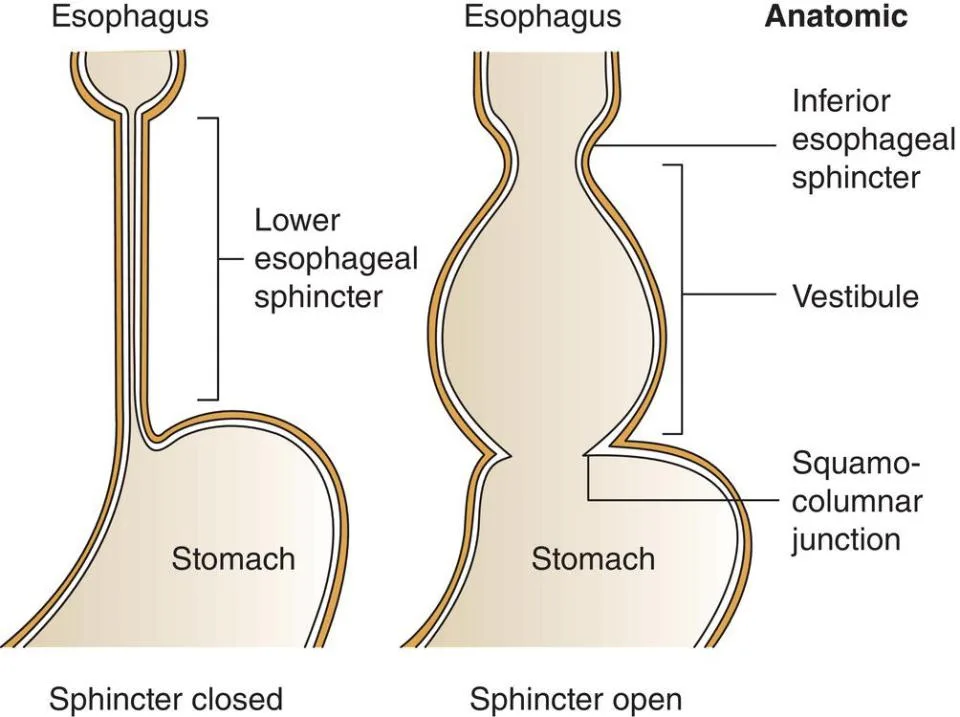
Heartburn isn’t just one thing here. It changes based on where you are in your pregnancy journey. In the first trimester, progesterone relaxes the lower esophageal sphincter (LES).
This valve keeps acid in your stomach. When it loosens, acid escapes upward. That’s why symptoms can start early, even before your bump shows.
By the second and third trimesters, mechanics take over. Your uterus expands significantly. It presses directly against your stomach.
This physical pressure forces contents up into the esophagus. So, if you’re in week 10, it’s likely hormonal. If you’re in week 35, it’s mostly mechanical compression.
Understanding this shift helps you pick the right fix. Hormonal cases might need acid reducers. Mechanical ones often respond better to posture and smaller meals.
Your Step-Up Action Plan for Relief
Start with lifestyle changes before reaching for pills. This "step-up" approach minimizes medication exposure. First, adjust your eating habits.
Eat five small meals instead of three large ones. Large volumes stretch the stomach and push against the LES. Avoid triggers like spicy foods, citrus, tomatoes, chocolate, and caffeine.
These loosen the sphincter further.
Next, watch your timing. Stop eating at least three hours before bed. Lying down with a full stomach guarantees reflux.
Gravity works against you when horizontal. Also, wear loose clothing. Tight waistbands increase abdominal pressure.
If these steps don’t cut it after a few days, move to antacids. Only then consider stronger meds under doctor supervision. This ladder protects both you and the baby.
Which Meds Are Actually Safe? A Clear Breakdown
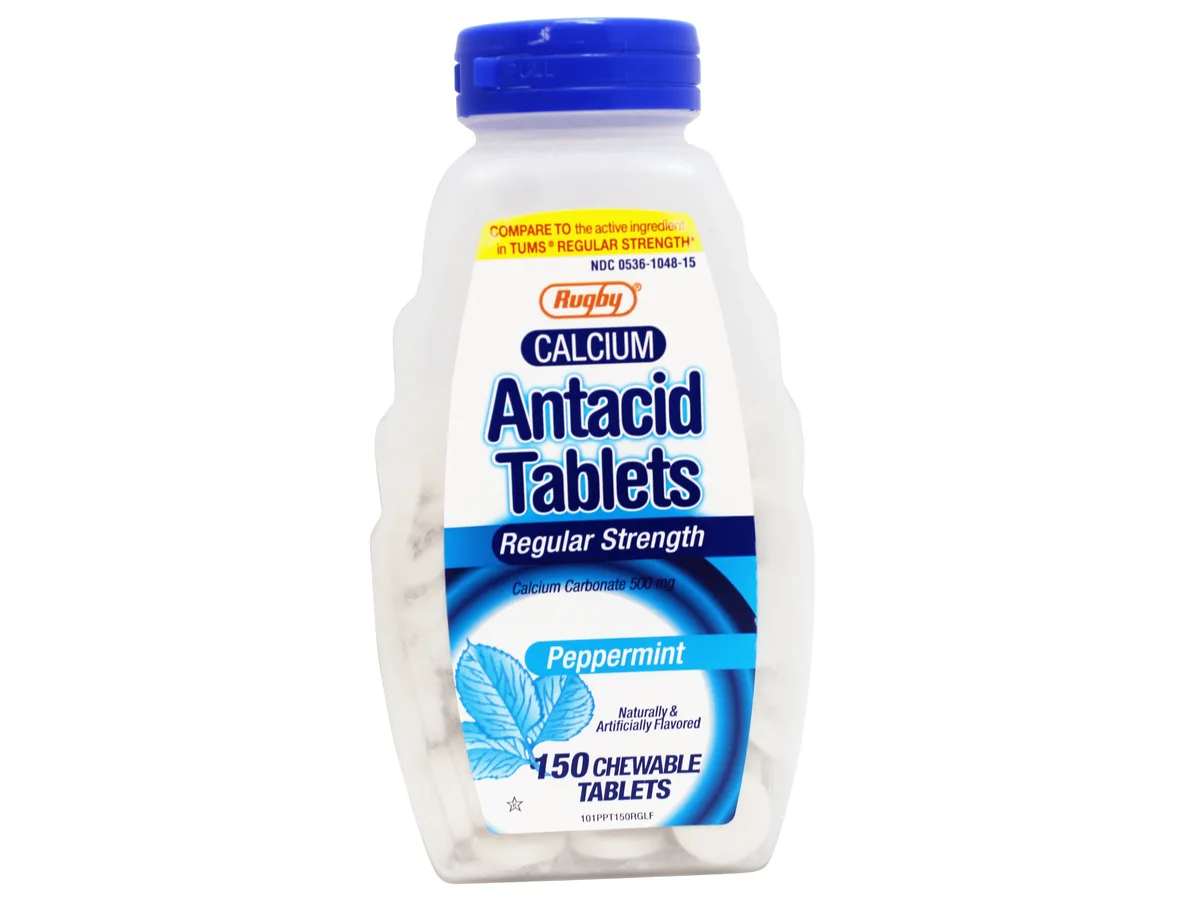
Not all antacids are created equal. Calcium carbonate (like Tums) is generally safe. It adds dietary calcium, which you need anyway.
But stick to the label dose. Too much can cause constipation or kidney issues. Avoid sodium bicarbonate (baking soda).
It creates gas and alters your blood pH dangerously.
For persistent symptoms, H2 blockers like famotidine (Pepcid) are often recommended. They reduce acid production rather than just neutralizing it. Proton pump inhibitors (PPIs) like omeprazole are usually reserved for severe cases.
Always check with your OB-GYN first. Some ingredients interact with prenatal vitamins. For instance, aluminum-based antacids bind to iron, reducing absorption.
Take them two hours apart from supplements.
| Medication Type | Example Brand | Best For | Key Warning |
|---|---|---|---|
| Antacid | Tums | Immediate, mild relief | Watch calcium intake limits |
| H2 Blocker | Pepcid | Moderate, frequent symptoms | Check with provider first |
| PPI | Prilosec | Severe, chronic GERD | Last resort option |
Red Flags: When Heartburn Isn’t Just Heartburn
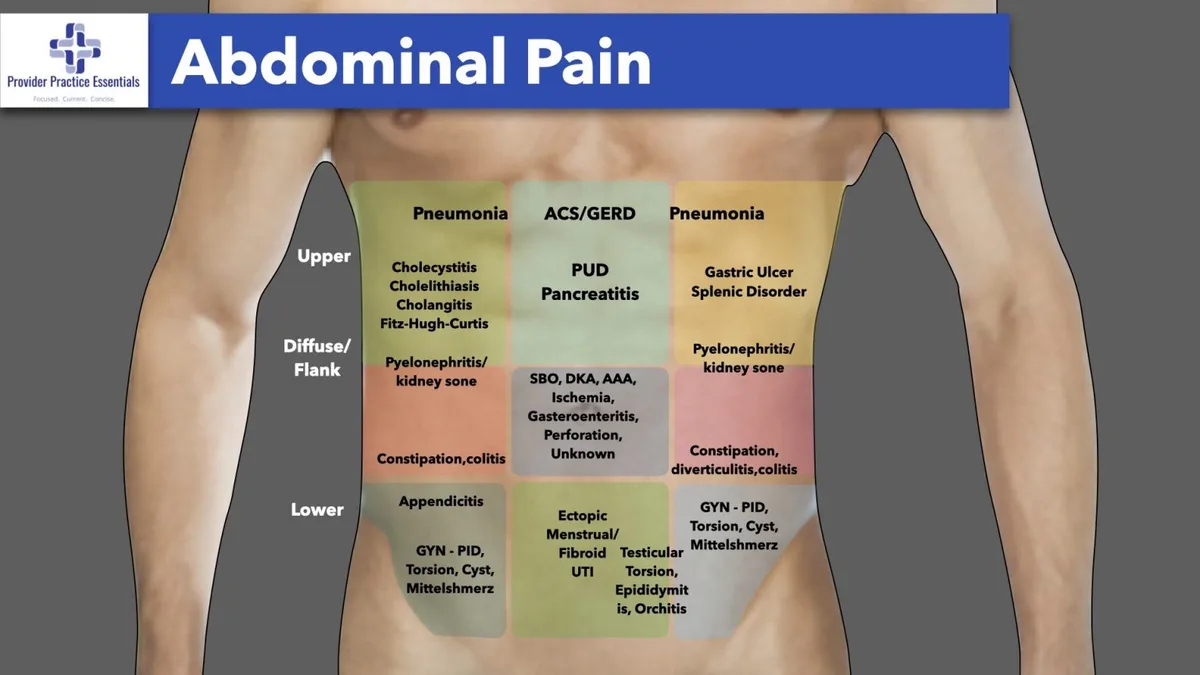
Sometimes pain feels like heartburn but isn’t. Pre-eclampsia can cause upper right abdominal pain. This mimics severe indigestion.
If you have swelling in hands or face, vision changes, or a bad headache, call your doctor immediately. Do not wait. Gallbladder issues also flare up during pregnancy due to slowed digestion.
Pain there is often sharper and radiates to the back or shoulder.
Another warning sign is vomiting blood or having black stools. This indicates bleeding in the digestive tract. Chest pain that spreads to your arm or jaw needs emergency care.
While rare, cardiac events happen. Don’t assume everything is just reflux. Trust your instincts.
If the pain feels different, wrong, or intense, seek professional evaluation. Early detection saves lives.
Common Mistakes That Make Symptoms Worse
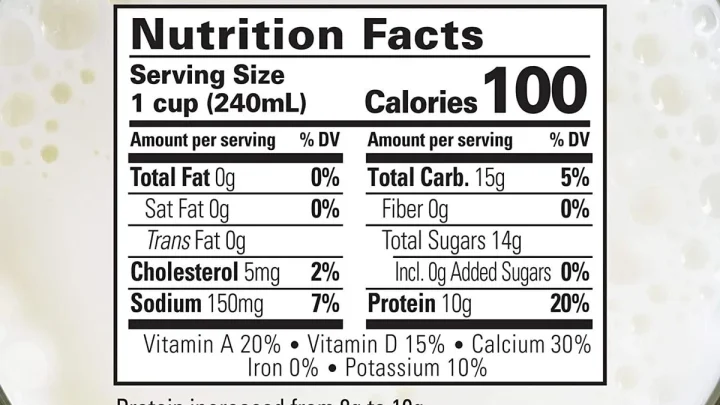
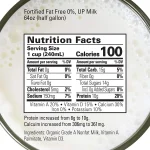
Many moms fall into traps that amplify discomfort. One big mistake is drinking milk for relief. It soothes briefly but stimulates more acid production later.
The fat content slows digestion, keeping acid in the stomach longer. Stick to water or herbal teas approved by your provider. Ginger tea is often a gentler alternative.
Another error is ignoring constipation. Pregnancy slows gut motility. A backed-up bowel pushes up on the stomach.
This worsens reflux. Treat constipation aggressively with fiber, hydration, or stool softeners if needed. Also, don’t lie flat after eating.
Even napping on the couch can trigger episodes. Stay upright for at least thirty minutes post-meal. Finally, skipping prenatal appointments because "it’s just heartburn" delays diagnosis of serious conditions.
Always mention new symptoms to your care team.
Nighttime Strategies for Uninterrupted Sleep
Sleep disruption is often the hardest part of managing reflux. Lying flat allows acid to flow freely into your esophagus. Gravity, which helps during the day, becomes a liability at night.
You need to change your geometry, not just your diet.
The most effective tactic is elevating your head and torso. Do this by placing blocks under the bedposts or using a wedge pillow. Stacking regular pillows doesn't work well.
It bends your waist, increasing abdominal pressure on the stomach. This can actually worsen the leak. A proper incline keeps the LES above the gastric pool.
Timing matters too. Finish your last meal at least three hours before lying down. This gives your stomach time to empty partially.
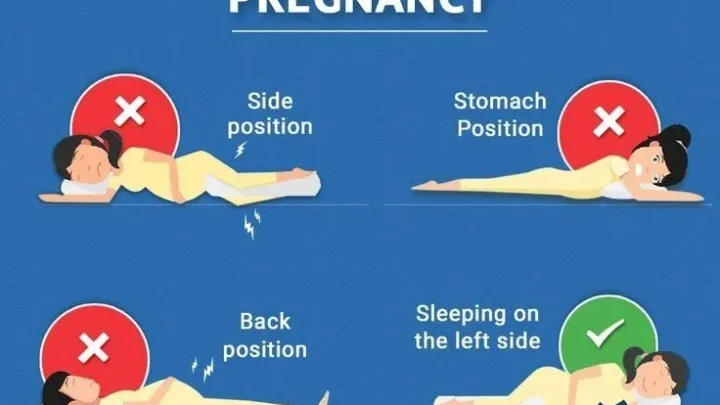
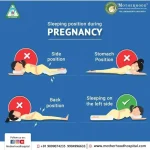
If you wake up with symptoms, try sipping cold water slowly. Avoid reaching for antacids immediately unless necessary. Sometimes, simply shifting to your left side provides relief.
This position anatomically places the stomach below the esophagus junction. It uses gravity to keep contents contained. Our research shows that consistent nighttime positioning reduces episode frequency significantly.
As of 2026, clinical guidelines still emphasize mechanical solutions first. Try these adjustments for a week before escalating medication. Small changes in sleep posture yield big dividends in rest quality.
Frequently Asked Questions
Is heartburn harmful to my baby?
No, occasional heartburn itself does not harm the fetus. The acid stays in your digestive tract. However, severe dehydration from vomiting or poor nutrition due to food avoidance can impact health.
Manage symptoms to maintain proper intake. Chronic stress from pain also isn't ideal. Treat it safely to ensure both mom and baby thrive.
Can I take Tums every day?
You should consult your provider before daily use. Occasional dosing is generally safe. Daily reliance might mask underlying issues like GERD.
High calcium intake can lead to kidney stones. It may also interfere with iron absorption. Stick to the recommended limit on the label.
If you need them daily, ask about H2 blockers instead.
Why does heartburn get worse at night?
Lying horizontal removes gravity's help. Acid pools near the LES valve. Digestion slows during sleep, keeping food in the stomach longer.
Progesterone levels remain high, keeping muscles relaxed. The combination creates perfect conditions for reflux. Elevating your upper body counteracts this positional risk effectively.
Does drinking milk help heartburn?
Milk offers temporary soothing but triggers rebound acidity. The calcium and protein stimulate gastrin release. This causes more acid production shortly after consumption.
Whole milk’s fat content further delays gastric emptying. Water or non-acidic herbal teas are safer choices. Avoid relying on dairy for immediate relief cycles.

Similar Posts