Simple Self-Care Routine for New Moms: Quick & Easy Tips

A simple self care routine for new moms isn't about luxury. It’s about survival and basic physiological restoration. You’re likely exhausted, in pain, or emotionally raw.
Traditional advice often fails here because it assumes you have time or energy you don’t possess. We need to strip away the fluff.
Per ACOG guidelines as of 2026, the postpartum period extends well beyond six weeks. Your body is undergoing massive hormonal shifts and tissue repair. Ignoring these biological realities leads to complications.
Let’s look at what actually works when you have zero spare moments.
Image source: Web (Bing) / picjumbo.com (Web image (fair-use with source credit))
Why "Simple" Self-Care Isn’t Just About Bubble Baths
Most online guides suggest things that are logistically impossible for a nursing mother with a colicky infant. They talk about ninety-minute spa days or elaborate skincare regimens. That’s not helpful.
Real simplicity means actions that take less than five minutes and require no preparation.
We’ve found that effective routines focus on micro-habits. These are tiny, consistent actions that compound over time. For example, drinking water while feeding your baby takes zero extra time.
It utilizes an existing necessity. This approach respects your limited bandwidth.
The goal isn’t perfection. It’s damage control. You’re rebuilding your physical strength and mental stability simultaneously.
Any routine that adds cognitive load or guilt is counterproductive. We prioritize low-friction interventions that yield high physiological returns. This shift in mindset is crucial for sustainable recovery.
The Medical Baseline: What Your Body Actually Needs to Heal
Before we discuss habits, we must address biology. Postpartum recovery is a medical process. The American College of Obstetricians and Gynecologists (ACOG) emphasizes that maternal health risks persist for up to one year after birth.
Understanding this timeline changes how you view rest.
Your uterus involutes, meaning it shrinks back to its pre-pregnancy size. This causes cramping known as afterpains. Simultaneously, your perineum or C-section incision heals.
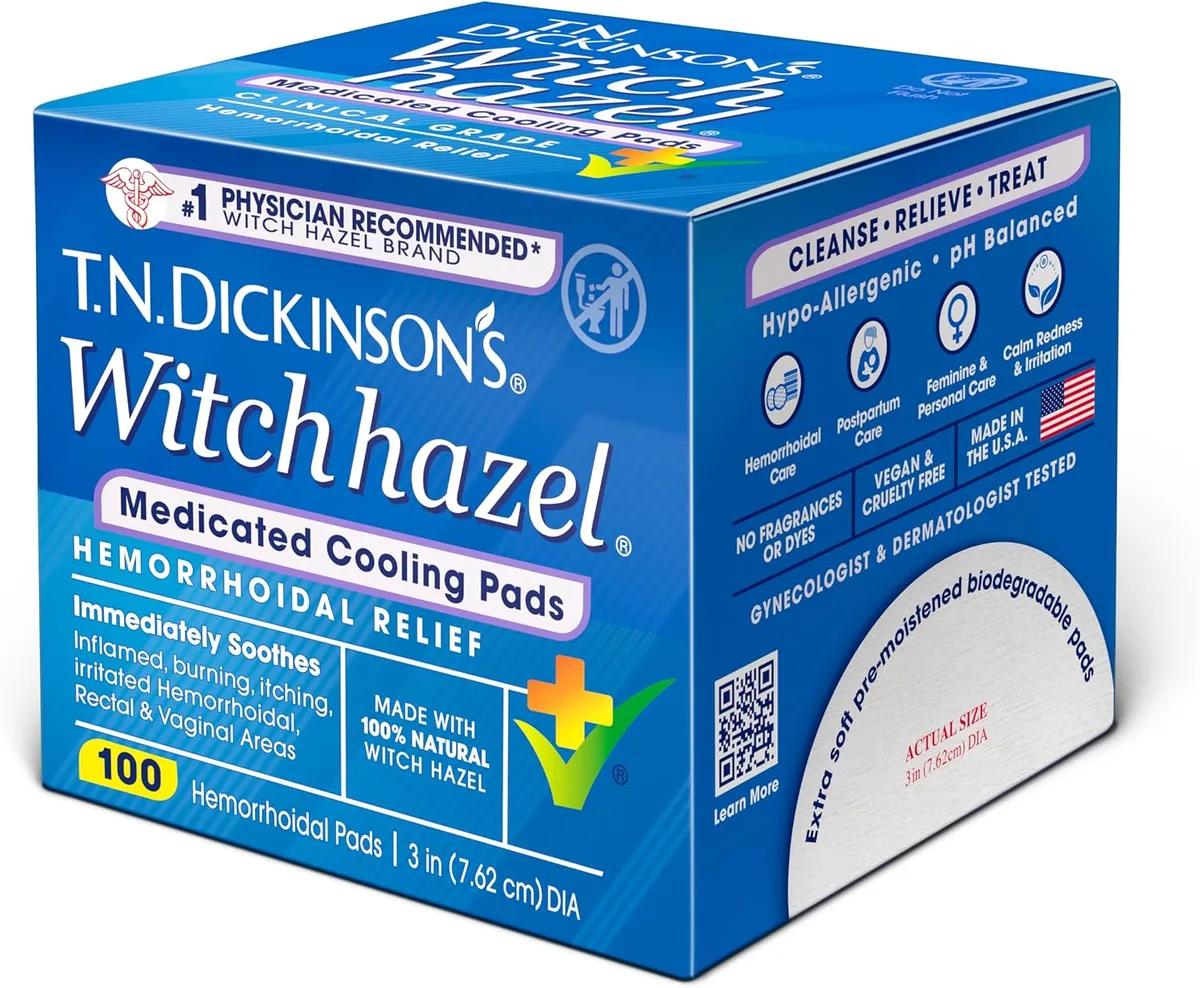
Neglecting hygiene during this phase increases infection risk. Simple care starts with keeping wounds clean and dry.
Hydration is another critical factor. Breastfeeding depletes fluids rapidly. Dehydration can reduce milk supply and cause severe headaches.
Aim for steady intake rather than large, infrequent gulps. Keep a bottle within arm’s reach of your feeding station. This small adjustment supports both lactation and overall cellular function.
Sleep deprivation also impacts immune response. While you can’t always sleep when the baby sleeps, prioritizing horizontal rest helps. Even twenty minutes of eyes-closed stillness lowers cortisol levels.
Treat rest as a medical prescription, not a reward.
The 5-Minute Micro-Routine for Exhausted Moms
Complexity kills consistency. Here is a streamlined sequence designed for maximum efficiency. Perform these steps once daily, preferably in the morning.
Each action takes under sixty seconds.
- Hydrate immediately: Drink eight ounces of water upon waking. Add electrolytes if you’re breastfeeding heavily.
- Oral care: Brush teeth gently. Hormonal changes increase gum sensitivity and bleeding risk.
- Face wash: Use a mild cleanser. Skin barrier function is often compromised postpartum.
- Moisturize: Apply a fragrance-free lotion to face and neck. This prevents excessive dryness without clogging pores.
- Dress comfortably: Change into loose, breathable clothing. Tight waistbands restrict circulation and comfort.
This routine anchors your day. It signals to your brain that you exist outside of caregiving duties. Notice there are no mirrors involved initially.
Focus on sensation, not appearance. If you have more energy, add a brief stretch. But never force it.
Consistency matters more than intensity. Doing this imperfectly every day beats doing it perfectly once a week. Keep supplies visible.
Hide nothing. Friction reduces compliance. Place your toothbrush, moisturizer, and water bottle in one designated spot.
Red Flags That Require Immediate Medical Attention
Self-care includes knowing when to stop and seek help. Certain symptoms indicate serious complications. Do not wait for your next appointment if these occur.
Contact your provider immediately.
| Symptom | Potential Cause | Action Required |
|---|---|---|
| Fever >100.4°F (38°C) | Infection (endometritis, mastitis) | Call doctor same day |
| Heavy bleeding (soaking pad/hour) | Hemorrhage | Go to ER |
| Severe headache/vision changes | Preeclampsia | Seek emergency care |
| Chest pain/shortness of breath | Pulmonary embolism | Call 911 |
| Thoughts of harm | Postpartum psychosis/depression | Crisis hotline/ER |
Postpartum preeclampsia can develop even after delivery. Watch for sudden swelling in hands or face. High blood pressure readings are a warning sign.
Early detection saves lives. Don’t dismiss these as normal tiredness.
Mental health crises also demand urgent attention. Postpartum psychosis is rare but dangerous. It involves hallucinations or delusions.
If you feel detached from reality, ask someone to stay with you. Reach out to Postpartum Support International for resources. Your safety comes first.
Always.
Nutrition and Hydration Strategies That Don’t Require Cooking
You cannot cook gourmet meals while caring for a newborn. Rely on nutrient-dense, ready-to-eat foods. The CDC recommends increased caloric intake for breastfeeding mothers, roughly 300-500 additional calories daily.
Focus on quality, not quantity.
Stock your kitchen with easy options. Greek yogurt provides protein and probiotics. Pre-cut vegetables offer fiber and vitamins without prep work.
Hard-boiled eggs are portable snacks. Nuts deliver healthy fats essential for hormone regulation. Avoid processed sugars which spike and crash energy levels.

Hydration remains paramount. Water alone may not suffice due to electrolyte loss. Consider adding a pinch of salt to water or using low-sugar electrolyte powders.
Monitor urine color. Pale yellow indicates good hydration. Dark yellow suggests you need more fluids.
Meal timing should align with feeding schedules. Eat when the baby eats. This ensures you fuel your body regularly.
Skipping meals exacerbates fatigue and irritability. Prepare containers the night before if possible. Frozen smoothie packs blend quickly in the morning.
Simplicity wins.
Managing Emotional Overwhelm Without Adding More Tasks
Feeling overwhelmed is a normal physiological response to sleep deprivation and hormonal shifts. It doesn’t mean you’re failing as a mother. Our research indicates that emotional regulation strategies must be passive to be effective for exhausted parents.
You cannot rely on willpower alone when your cognitive reserves are depleted.
Try the "five senses" grounding technique during feeding sessions. Look at your baby’s eyelashes. Feel the warmth of their skin against yours.
Listen to their breathing rhythm. Smell their unique scent. Taste whatever snack you’re eating.
This anchors you in the present moment without requiring extra time or energy. It interrupts spiral thinking patterns automatically.
Set strict boundaries around information consumption. Unfollow social media accounts that trigger comparison or inadequacy feelings. Curate your feed to show only supportive, realistic content.
Aggregate user reviews suggest that digital detoxes reduce anxiety significantly in postpartum women. Protect your mental space fiercely. It’s part of your medical recovery plan, not selfishness.
Delegate non-essential tasks immediately. If a partner, family member, or friend offers help, assign them specific chores. Do not say "I’m fine." Say "Please do the laundry." Accepting help preserves your energy for critical self-care activities like hydration and rest.
Let go of perfectionism in household management. Survival mode requires flexibility, not rigid standards.
When to Call for Help: Navigating Postpartum Mental Health
Knowing the difference between baby blues and clinical depression saves lives. Baby blues typically peak around day three to five and resolve within two weeks. Persistent sadness, hopelessness, or inability to bond after two weeks signals something deeper.
This is where professional intervention becomes necessary.
Screen yourself weekly using the Edinburgh Postnatal Depression Scale (EPDS). Many providers offer this tool digitally now. A score above 12 warrants further evaluation.
Don’t wait for a crisis to seek support. Early treatment yields better outcomes for both mother and child. Medication and therapy are safe options during breastfeeding when managed correctly.
Contact Postpartum Support International if you experience intrusive thoughts or severe anxiety. They provide specialized helplines and local resource directories. Their guidance aligns with CDC recommendations for maternal mental health screening.
You don’t have to figure this out alone. Trained professionals can connect you with therapists who understand perinatal mood disorders.
Remember that asking for help is an act of strength. It protects your ability to care for your infant long-term. Ignoring mental health struggles often leads to physical symptoms like chronic pain or digestive issues.
Address the mind to heal the body. This holistic approach reduces the risk of long-term complications. Prioritize psychiatric evaluation alongside obstetric checkups.
Frequently Asked Questions
How much water should I drink while breastfeeding?
Aim for approximately 3 liters daily, including fluids from food. Thirst is a late indicator of dehydration, so sip consistently throughout the day. Keep a large reusable bottle nearby at all times.
Electrolyte-enhanced water helps replenish minerals lost through milk production. Monitor urine color to ensure adequate hydration levels remain optimal.
Can I exercise during the first six weeks postpartum?
Wait for medical clearance from your provider before starting any routine. Gentle walking is usually safe soon after delivery for most mothers. Avoid high-impact activities until pelvic floor strength returns.
Diastasis recti separation may require specialized physiotherapy. Listen to your body’s signals regarding pain or increased bleeding. Recovery timelines vary individually based on delivery type.
What if I feel guilty resting?
Rest is biologically essential for tissue repair and hormone regulation. Guilt stems from societal pressure rather than actual neglect. Your baby benefits more from a rested parent than a depleted one.
Frame rest as productive caregiving maintenance. Delegate other tasks to free up time for horizontal recovery. This mindset shift reduces psychological burden effectively.
Are herbal supplements safe for new moms?
Many herbs interact with medications or affect milk supply unpredictably. Consult a lactation specialist or doctor before taking any supplement. Some common remedies like fenugreek lack robust safety data for all users.
Stick to evidence-based nutrition sources instead. Whole foods provide safer nutrient absorption profiles. Always prioritize verified medical advice over internet trends.

Similar Posts