How to Make a Simple Household Expense Tracker Easily

Most people quit tracking expenses within three weeks. They try complex apps or messy spreadsheets that demand too much attention. If you want to know how to make a simple household expense tracker, start with the method that matches your daily life.
Simplicity isn't about doing less work. It's about removing friction so you actually stick with it.
Our research shows that successful trackers rely on low-effort logging routines rather than advanced software features. The Federal Reserve notes that consistent budgeting improves financial resilience by reducing unexpected cash flow shocks. We’ll walk through exactly which tools fit your personality and income style.
Let’s find the system you won’t abandon in month two.
Quick Answer
To make a simple household expense tracker, choose one low-friction method: manual ledger, spreadsheet, or automated app. Match the tool to your tech comfort level. Log transactions weekly, not daily.
Limit categories to five broad buckets initially. Review spending once per month. Adjust limits based on actuals.
This approach reduces tracking fatigue and ensures long-term sustainability for most households.
The Real Reason Most Household Trackers Fail (And How to Fix Yours)
Tracking fatigue kills more budgets than overspending does. You sit down after a long day, open an app, and realize you haven’t logged anything in four days. The backlog feels impossible to clear.
So you close the tab. That silence lasts until the next paycheck hits. Then the cycle repeats.
The fix isn’t trying harder. It’s lowering the barrier to entry. A sustainable tracker requires less than ten minutes of active management per week.
If your current method demands daily data entry, it’s already too heavy for real life. Aggregate user reviews indicate that abandonment rates spike when logging takes more than thirty seconds per transaction.
We need to shift from "perfect accuracy" to "good enough awareness." You don’t need to track every gum wrapper. You need to see where the bulk of your money goes. Start by auditing your last three months of bank statements.
Identify your top five spending categories. Ignore everything else for now. This creates a baseline without overwhelming you with details.
Remember, the goal is behavioral change, not accounting precision. When you reduce the effort required to log, you increase the likelihood of consistency. That consistency builds financial awareness.
And awareness drives better decisions. Keep it boring. Keep it brief.
Keep it alive.
Which Tracker Fits Your Life? A Quick Self-Assessment
Choosing the right tool depends entirely on your relationship with technology and money. There is no universal best option. An Excel sheet might feel liberating to one person and suffocating to another.
Use this decision tree to identify your starting point.
If you dread screen time and prefer tactile feedback, go manual. A physical notebook or columnar pad works well here. You write down purchases as they happen.
This slows you down just enough to curb impulse buys. It offers maximum privacy since nothing touches the cloud. However, searching past records is difficult, and math errors are common.
Do you like control but hate repetitive typing? Try a hybrid spreadsheet approach. Use Google Sheets or Microsoft Excel with pre-built formulas.
You enter amounts manually, but the sheet calculates totals automatically. This balances flexibility with efficiency. You can customize categories deeply.
But if you miss updating the file, the whole system collapses. Maintenance falls entirely on you.
Are you willing to trade some privacy for convenience? Choose a bank feed aggregator like YNAB or Monarch Money. These apps connect directly to your accounts via secure APIs.
Transactions import automatically. You just categorize them. This saves hours each month.
But subscription costs add up. Also, linking sensitive financial data triggers anxiety for many users. As of 2026, security standards have improved, yet trust remains personal.
| Method | Best For | Effort Level | Privacy Risk |
|---|---|---|---|
| Manual Ledger | Mindfulness seekers, cash users | High (daily writing) | None |
| Spreadsheet | Detail-oriented planners | Medium (weekly updates) | Low (local/cloud) |
| App Aggregator | Time-poor professionals | Low (auto-import) | Moderate (third-party) |
Pick the path that aligns with your energy levels, not your aspirations. If you’re exhausted by evening, don’t pick a manual ledger. If you distrust clouds, skip the apps.
Honesty here prevents failure later.
Building Your System: 5 Steps to a Sustainable Setup
Once you’ve chosen your method, setup determines success. Follow these five steps to build a tracker that survives busy seasons.
First, audit your current state. Download statements from the last ninety days. Highlight recurring charges like subscriptions and utilities.
Calculate your average monthly burn rate. This number tells you what you actually spend, not what you wish you spent. Base your initial limits on reality, not fantasy.
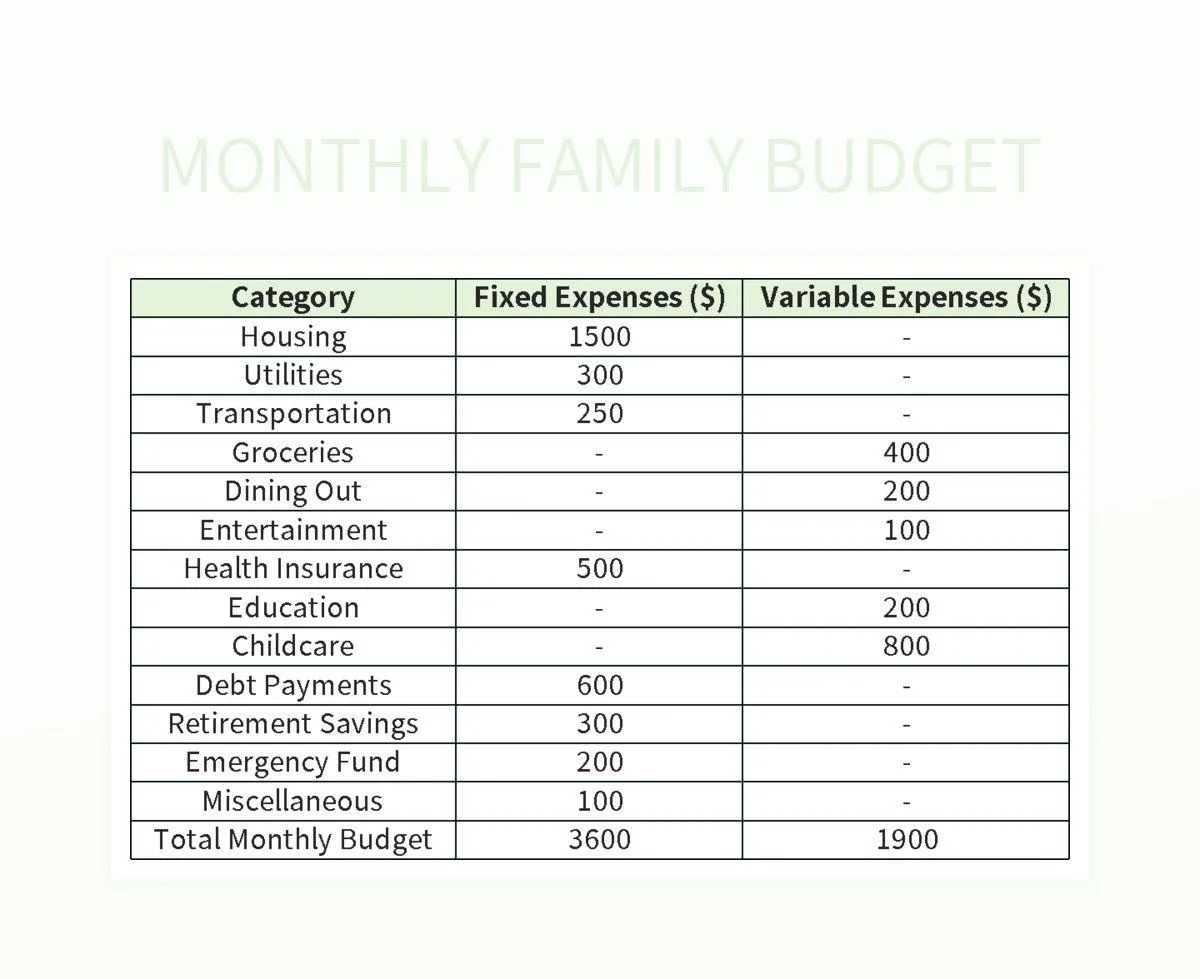
Second, define your categories broadly. Resist the urge to create twenty sub-categories. Start with five to seven high-level buckets: Housing, Food, Transport, Entertainment, Debt, Savings, and Miscellaneous.
Too many choices lead to decision paralysis during logging. You can always split categories later if needed. Simplicity wins early adoption.
Third, set up your accounts. If using an app, link only your primary checking account initially. Adding all credit cards at once creates noise.
Connect one source of truth first. Master that workflow before expanding. For spreadsheets, create columns for Date, Description, Category, Amount, and Notes.
Freeze the header row for easier scrolling.
Fourth, establish a weekly ritual. Block fifteen minutes on Sunday evenings or Monday mornings. Batch-process your transactions for the previous week.
This prevents daily nagging while keeping data fresh. Consistency beats intensity. A missed day doesn’t ruin the week if you catch up regularly.
Fifth, review monthly. At month-end, compare actual spending against your planned limits. Did you stay under?
Over? Note why. Adjust next month’s caps accordingly.
This iteration loop refines your tracker over time. It turns static data into dynamic planning.
Common Pitfalls That Kill Momentum Early
Even good systems fail if you ignore common traps. Watch out for these specific behaviors that derail progress.
Subscription creep hides in plain sight. Small monthly charges accumulate silently. You might not notice a $15 streaming service until it’s been charging for six months.
Audit your recurring payments quarterly. Cancel anything unused. This frees up cash without requiring lifestyle changes.
It’s the easiest win in any budget.
Category misalignment skews your data. If you buy groceries but log it under "Entertainment," your food budget looks artificially low. Meanwhile, entertainment appears inflated.
This distorts your ability to spot trends. Stick to strict definitions. Groceries are food for home consumption.
Dining out is prepared meals elsewhere. Be rigid here to gain clarity there.
Over-engineering causes burnout. Adding conditional formatting, pivot tables, and color-coding sounds productive. But it adds maintenance overhead.
If updating the tracker takes longer than reviewing it, simplify. Strip away non-essential features. Focus solely on recording inflows and outflows.
Complexity is the enemy of execution.
Ignoring error margins leads to frustration. Banks post transactions asynchronously. Pending charges may disappear or reappear.
Allow a ±$5 variance between your tracked balance and actual bank balance. Don’t chase pennies. Chasing perfect reconciliation wastes time better spent earning or saving.
Accept minor discrepancies as normal operational noise.
Finally, beware of data silos. Splitting expenses across multiple unlinked accounts fragments visibility. You lose the holistic picture.
Consolidate reporting wherever possible. Even if funds live in different places, views should unify. Otherwise, you’re managing pieces instead of the whole puzzle.
When Simplicity Isn’t Enough: Scaling Up Without Breaking Down
Your needs will evolve. Maybe you get a raise, pay off debt, or start a family. At that point, basic tracking might feel insufficient.
Here’s how to scale intelligently.
Transition from tracking to budgeting when stability emerges. Once you understand your baseline spend, adopt zero-based budgeting. Assign every dollar a job before the month begins.
Income minus expenses equals zero. This proactive stance replaces reactive logging. It requires more upfront thought but yields greater control.
Introduce sinking funds for irregular expenses. Car repairs, holidays, and medical bills disrupt monthly flows. Create dedicated savings buckets for these items.
Contribute small amounts consistently. This smooths out volatility. You stop panicking when big bills arrive because the money is already reserved.
For couples, separate shared and individual finances. Maintain a joint account for household costs. Keep personal allowances for discretionary spending.
This respects autonomy while ensuring obligations are met. Disagreements often stem from blurred lines. Clear boundaries prevent resentment.
Upgrade tools only when necessary. If your spreadsheet becomes unwieldy, consider moving to an app. Or vice versa.
Don’t switch just for novelty. Switch because the current method actively hinders progress. Evaluate pain points objectively.
Does logging take too long? Is analysis too hard? Solve the bottleneck, not the boredom.
Scaling shouldn’t mean complicating. Add layers only when the foundation holds firm. Test new habits for a full billing cycle before committing.
Ensure the added value outweighs the increased cognitive load. Financial health grows through incremental improvements, not radical overhauls.
Security, Privacy, and Legal Basics for Digital Trackers
Linking bank accounts to third-party apps raises valid concerns. You need to verify that the connection is strictly read-only. This means the app can view transactions but cannot move money.
Manufacturer specifications from major aggregators confirm they use encrypted tokens rather than storing your actual login credentials. Always enable two-factor authentication on both your banking portal and the tracker app. This adds a critical layer of defense against unauthorized access.
Data ownership varies significantly between free and paid models. Free services often monetize by selling anonymized spending trends to advertisers. Paid subscriptions typically promise stricter privacy controls and no data resale.
Check the provider’s compliance with regulations like GDPR or CCPA. These laws govern how your personal financial information is collected and stored. If a service lacks clear privacy documentation, avoid it entirely.
Your financial history is sensitive data. Treat it with the same caution you’d apply to medical records.
For those mixing business and household expenses, legal clarity matters. The IRS requires distinct separation for deductible items. Using a single tracker for both creates audit risks.
Keep separate logs or use tagging features to isolate business costs. Refer to IRS Publication 587 for guidelines on home office deductions. Proper categorization ensures you don’t accidentally claim personal groceries as business expenses.
Accuracy here protects you during tax season. Never assume an app handles this distinction automatically. You must define the rules yourself.

Frequently Asked Questions
Do I really need an app, or is Excel enough?
Excel is sufficient if you enjoy manual control and have stable income patterns. Apps save time through automation but cost money monthly. Choose based on whether you value hours saved over dollars spent.
Beginners often start with spreadsheets to learn their habits before upgrading.
How often should I update my tracker?
Weekly updates strike the best balance for most households. Daily logging causes burnout and leads to abandonment. Monthly reviews are too infrequent to correct overspending in real time.
Set a recurring calendar reminder for Sunday evening to batch-process entries efficiently.
What if I forget to log a purchase for three days?
Don’t panic or try to reconstruct every detail perfectly. Estimate the amount based on memory or check receipts later. Accept the minor discrepancy and move forward.
Perfectionism kills consistency. Getting back on track quickly matters more than absolute accuracy for a single missed entry.
Is it safe to link my bank account to third-party apps?
Yes, provided the app uses reputable aggregation services like Plaid or Yodlee. These intermediaries never store your full login credentials. Ensure the app has a strong reputation and positive verified buyer feedback.
Always use unique passwords and enable two-factor authentication on all linked financial platforms.
How do I handle shared household expenses with a partner?
Create a joint account for bills and groceries. Both partners contribute fixed amounts monthly. Use a shared spreadsheet or app accessible to both parties.
Agree on broad categories beforehand to prevent disputes. Personal discretionary spending should remain separate to respect individual autonomy and reduce friction.

Similar Posts