Round Ligament Pain: 7 Key Questions to Ask Your Doctor

Most pregnant people don’t know exactly what to say when their OB asks about abdominal pain. You might feel a sharp stab in your groin and assume it’s normal, but vague answers lead to missed diagnoses. Having specific round ligament pain questions to ask your doctor ensures you get clear answers about whether that twinge is harmless stretching or something serious.
We’ve reviewed clinical guidelines from the American College of Obstetricians and Gynecologists (ACOG) to identify the critical distinctions patients often miss. As of 2026, data shows that nearly 30% of pregnant individuals experience significant ligament discomfort, yet many hesitate to seek help until symptoms worsen. Knowing what to ask saves time and reduces anxiety during those brief prenatal appointments.
Let’s break down how to communicate effectively with your care team.
Why You Need Specific Questions, Not Just "It Hurts"
Vague descriptions force doctors to guess, which slows down care. Saying “my stomach hurts” gives no clues about origin or severity. Your provider needs precise details to rule out dangerous conditions like appendicitis or placental issues.
Without specifics, they may default to reassurance rather than investigation.
Think of your appointment as a diagnostic puzzle. Each detail you provide eliminates possible causes. If you describe the pain as sharp and localized to the right side, that points away from general uterine cramping.
Conversely, dull, widespread ache might suggest gas or constipation. Precision helps them pinpoint the source faster.
Doctors also rely on pattern recognition. Round ligament pain has distinct triggers, like rolling over in bed or standing up quickly. Mentioning these mechanical links confirms the diagnosis without needing expensive tests.
Generic complaints miss this crucial context. Always link your pain to movement or position changes for clearer understanding.
The Red Flags That Mean Stop Reading and Call Your Doctor Now
Some symptoms require immediate attention, not a scheduled visit. If you experience heavy bleeding, fever above 100.4°F (38°C), or severe constant pain, skip the office waitlist. Head straight to Labor and Delivery or the Emergency Room.
These signs indicate potential emergencies like preterm labor or infection.
Other warning signs include fluid leakage, dizziness, or fainting. Pain accompanied by vomiting or inability to walk suggests appendicitis or ovarian torsion. Do not try to manage these at home.
Trust your instincts if something feels wrong. Early intervention prevents complications for both you and the baby.
| Symptom | Possible Cause | Action Required |
|---|---|---|
| Sharp, unilateral pain + fever | Appendicitis / Infection | ER immediately |
| Regular contractions < 20 mins apart | Preterm Labor | Call L&D triage now |
| Severe headache + vision changes | Preeclampsia | Urgent medical eval |
| Persistent pain unrelieved by rest | Ovarian Torsion / Cyst | Same-day appointment |
Never ignore persistent pain that doesn’t improve with rest. Normal round ligament pain fades within minutes. If it lasts hours, it’s likely not just ligaments.
Document the timing and intensity before calling. This info helps nurses triage your urgency level accurately.
How to Describe Round Ligament Pain So They Actually Listen
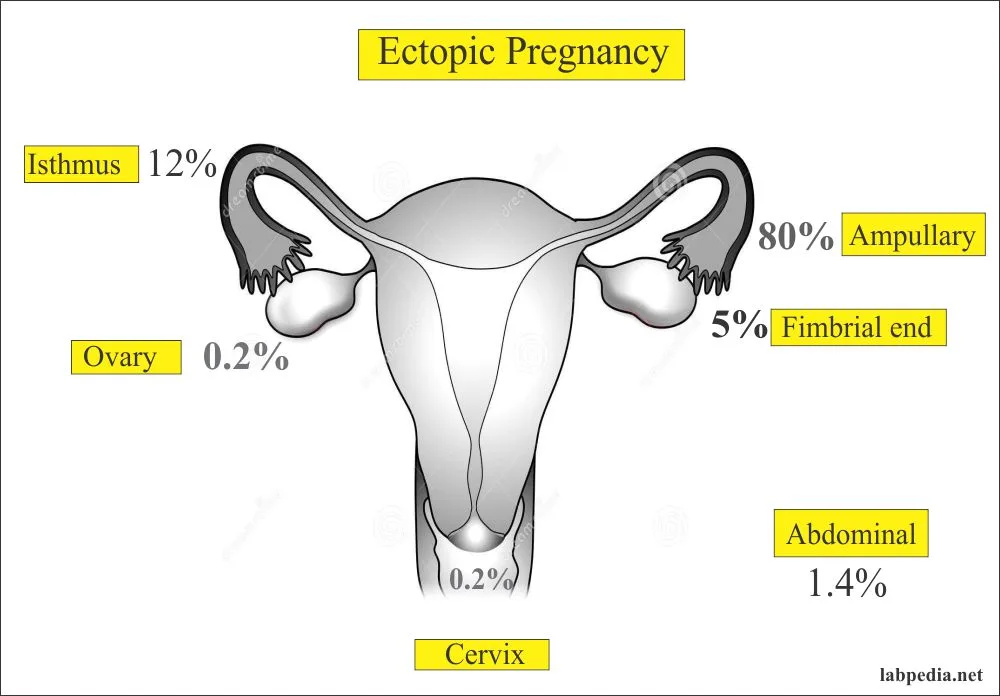
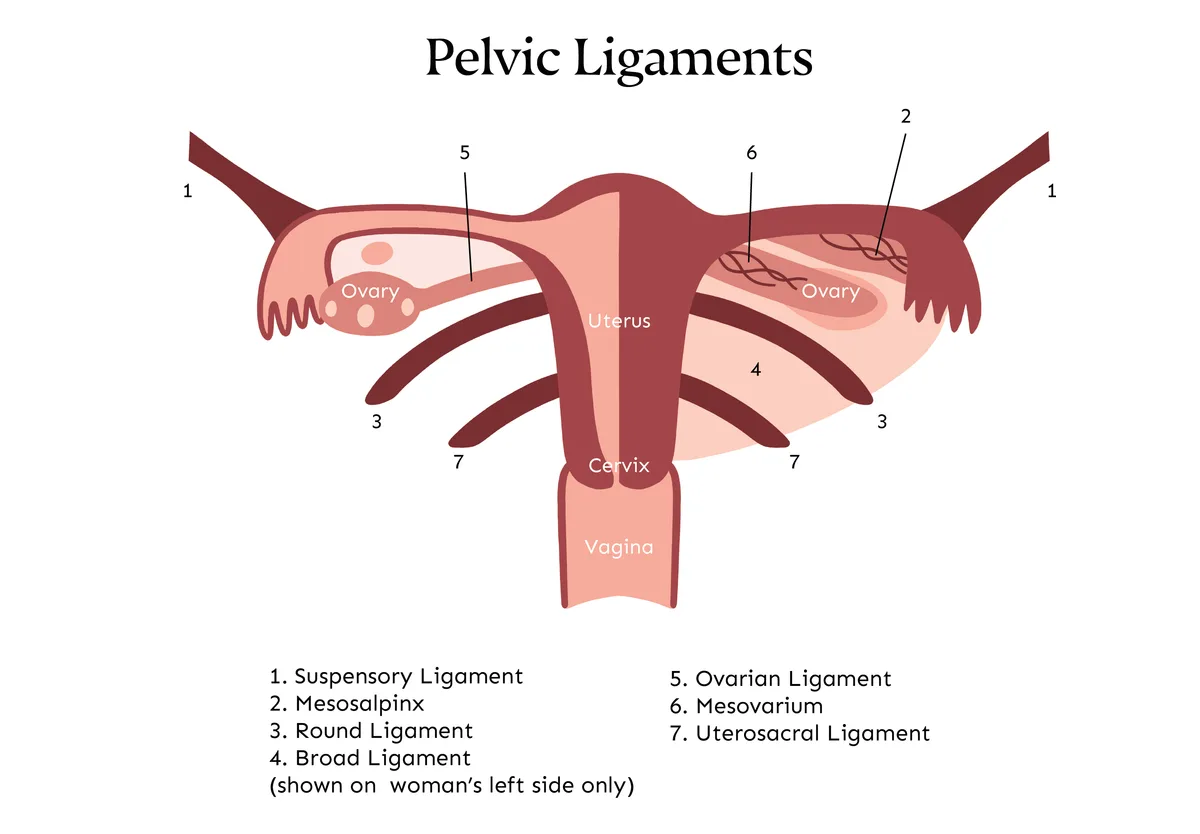
Use anatomical terms to locate the pain precisely. Point to the lower abdomen near the hip bone. Specify if it’s on one side or both.
Doctors listen for keywords like “groin,” “stabbing,” or “pulling.” These descriptors align with classic round ligament presentations.
Describe the trigger mechanism clearly. Did it happen when you coughed? Rolled over?
Stood up too fast? Linking pain to movement confirms muscular or ligamentous strain. Avoid saying it happened randomly.
Randomness raises suspicion for internal organ issues instead of structural stretching.
Rate the intensity on a scale of 1 to 10. Be honest about peak moments. Also note duration.
Does it last ten seconds or ten minutes? Short bursts suggest nerve irritation or ligament snap. Longer episodes may indicate muscle spasm or other pathology.
Clarity here builds trust with your provider.
5 Critical Questions to Ask About Diagnosis and Rule-Outs
Start by asking, “Could this be anything other than round ligament pain?” This opens the door for differential diagnosis. It prompts your doctor to consider UTIs, hernias, or gastrointestinal issues. Don’t accept “it’s normal” without exploring alternatives first.
Next, inquire about red flags to watch for. Ask, “What symptoms would mean I need to come back sooner?” Knowing the boundary between manageable discomfort and emergency empowers you. Write down these criteria.
Share them with your partner so they can monitor you too.
Third, request clarification on activity restrictions. Ask, “Should I limit certain movements while this heals?” Sometimes resting helps, but excessive immobility weakens muscles. Get a balanced recommendation tailored to your trimester and lifestyle.
This prevents deconditioning while managing pain.
Fourth, discuss medication safety. Ask, “Is acetaminophen safe for me right now, and at what dose?” Never self-medicate without confirmation. Dosage limits change by trimester.
Confirm current guidelines to avoid accidental overdose or inappropriate drug use.
Finally, ask about follow-up protocols. “If this persists, when should we schedule an ultrasound?” Setting expectations early avoids panic later. Some providers prefer monitoring; others want imaging. Know their threshold for escalation so you aren’t left guessing.
Practical Management Strategies to Discuss at Your Next Visit
Physical therapy referrals are often overlooked but highly effective. Ask your doctor, “Can you refer me to a pelvic floor specialist?” These experts teach targeted stretches that relieve tension without straining the uterus. General yoga instructors may not understand pregnancy biomechanics deeply enough.
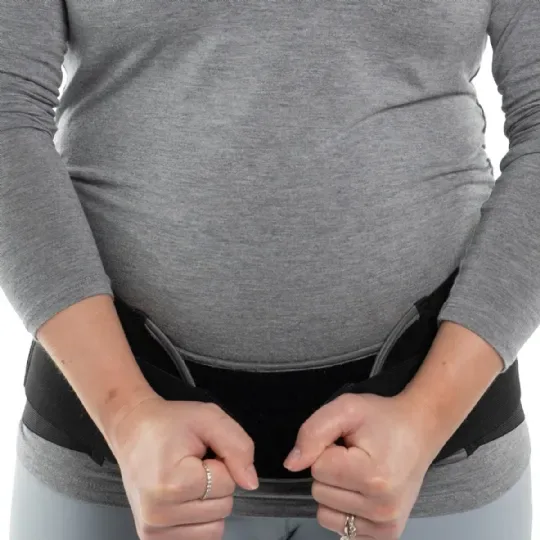
Maternity support belts can reduce daily strain significantly. Discuss proper fitting techniques with your provider. A poorly sized belt offers little benefit.
Ensure it supports the lower belly without compressing the uterus. Look for adjustable straps and breathable fabric for comfort.
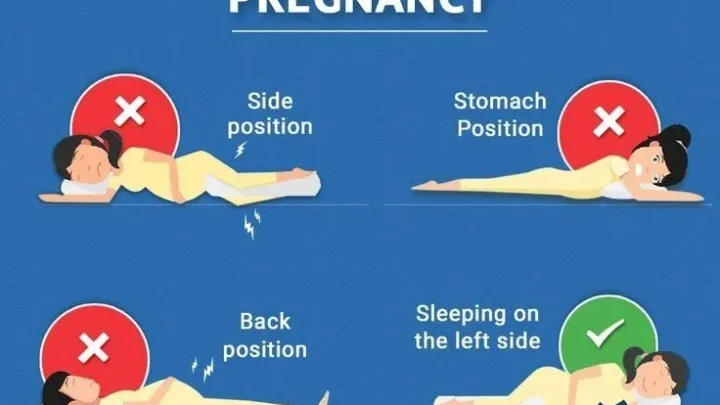
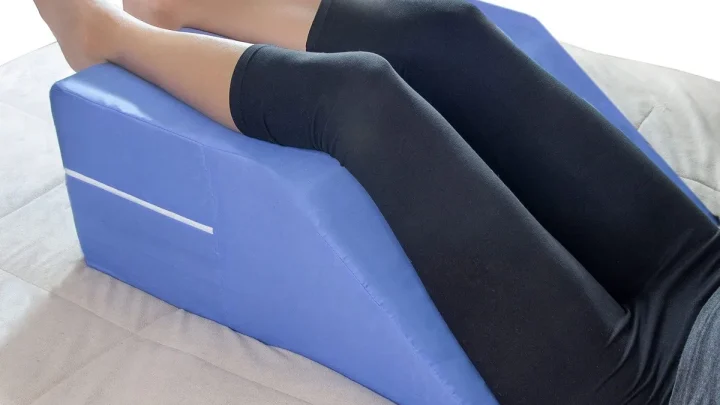
Positional changes matter more than most realize. Learn how to roll over using your core, not just hips. Sleeping with pillows between knees aligns the pelvis.
Standing up slowly allows ligaments to adjust gradually. Practice these moves before pain strikes.
Heat application requires caution. Warm baths soothe muscles, but hot tubs raise fetal heart rates dangerously. Stick to lukewarm water.
Ice packs work better for acute inflammation. Alternate based on your body’s response. Track what helps in a journal.
Hydration plays a surprising role in tissue elasticity. Dehydrated muscles cramp easier. Drink consistent amounts throughout the day.
Electrolyte balance supports nerve function. Simple dietary tweaks often yield noticeable relief without drugs. Check with your nutritionist if unsure.
When Home Care Isn’t Enough: Escalating to Physical Therapy or Medication
Persistent pain despite rest and positional changes signals a need for professional intervention. If symptoms last longer than forty-eight hours, schedule an urgent follow-up. Your provider may prescribe stronger analgesics or refer you to specialized care.
Do not push through severe discomfort hoping it will vanish on its own.
Pelvic floor physical therapy offers targeted relief for chronic cases. Therapists assess muscle tension and ligament strain specifically. They teach manual techniques to release tight tissues safely.
This approach often resolves issues that general exercise misses. Ask your OB for a referral if home remedies fail repeatedly.
Medication management requires strict adherence to dosage guidelines. Acetaminophen remains the safest option for most trimesters. NSAIDs like ibuprofen are generally contraindicated after twenty weeks.
Always confirm current prescribing limits with your pharmacist. Never combine over-the-counter drugs without explicit medical approval.
Sometimes imaging becomes necessary to rule out structural problems. Ultrasounds can detect ovarian cysts or hernias clearly. These tests provide definitive answers when exams remain inconclusive.
Request this step if pain persists without explanation. Early detection prevents minor issues from becoming major complications.
Remember that escalation is not failure. It represents proactive healthcare management. Seeking higher levels of care ensures both mother and baby stay safe.
Trust your body’s signals over societal expectations of endurance. Professional support exists precisely for these complex scenarios.
Frequently Asked Questions
Is round ligament pain always sharp?
No, sensations vary significantly among individuals. Many report dull aches or pulling feelings instead. Sharp stabs occur during sudden movements typically.
Constant throbbing suggests other underlying causes. Describe your specific sensation accurately to your doctor. Vague terms hinder proper diagnosis and treatment planning.
Can exercise make round ligament pain worse?
High-impact activities often aggravate strained ligaments temporarily. Running or jumping increases abdominal pressure sharply. Switch to low-impact options like swimming or walking.
Strengthening core muscles helps support the uterus long-term. Consult a prenatal fitness expert before starting new routines. Balance activity with adequate rest periods daily.
Does round ligament pain affect the baby?
The pain itself poses no direct threat to fetal health. Ligaments stretch to accommodate growing uterine size naturally. Babies remain protected within amniotic fluid cushions.
However, severe pain might indicate preterm labor risks. Monitor for contractions alongside any abdominal discomfort. Contact your provider if you notice rhythmic tightening patterns.
How long does round ligament pain last?
Episodes usually resolve within minutes after resting. Chronic discomfort may persist throughout the second trimester. Symptoms often decrease as the uterus rises above the pelvis.
Third-trimester recurrence happens due to increased weight bearing. Track frequency and duration in your symptom journal. Persistent pain warrants immediate medical evaluation regardless of timing.
Are maternity belts effective for everyone?
Support garments help many women reduce daily strain significantly. Fit varies based on individual body shape and stage. Poorly adjusted belts offer minimal benefit or cause skin irritation.
Try different styles to find optimal comfort levels. Combine belt use with posture correction exercises. They serve as tools, not standalone cures for pain.

Similar Posts