How to Tell Family You’re Pregnant: Heartfelt Ideas

Figuring out how to make a pregnancy announcement to family feels less like planning a party and more like defusing a bomb. You’re balancing joy against anxiety, privacy against pressure, and tradition against modern boundaries. Most guides miss this nuance.
They list cute photo ideas while ignoring the relational minefields that actually cause stress.
We’ve seen too many couples regret their reveal method because they skipped the strategic groundwork. The stakes are high, especially if you have a history of loss or complicated family dynamics. As of 2026, data from the American College of Obstetricians and Gynecologists highlights that miscarriage risk drops significantly after the first trimester, yet emotional readiness varies wildly.
Let’s build your strategy based on reality, not Instagram trends.
Quick Answer
To announce a pregnancy effectively, assess your family dynamics first. If relationships are strained, use private, one-on-one conversations. For supportive circles, group reveals work well.
Always align with your partner on timing. Avoid social media posts until immediate family knows personally. This prevents awkward leaks and respects close bonds.
Prioritize emotional safety over creative spectacle. Control the narrative by choosing who hears the news first. Keep scripts ready for difficult questions.
This approach minimizes stress and maximizes genuine support during your pregnancy journey.
Start With Your Reality Check: Why One Size Doesn’t Fit All
Generic advice fails here because your family isn't generic. A warm, cohesive unit needs a different strategy than a fragmented one with estranged members. We need to strip away the "perfect moment" myth.
There is no universal best time. It depends entirely on your medical stability and emotional bandwidth.
Consider your history. If you’ve experienced previous losses, waiting until the 12-week scan is often safer emotionally. This aligns with standard obstetric guidelines suggesting reduced risk after the first trimester.
But some families expect news sooner. Ignoring this expectation can lead to hurt feelings later. You must weigh medical caution against relational obligation.
Ask yourself these hard questions before picking a method:
- Are we medically stable enough to share news widely?
- Do we have the energy to manage multiple reactions at once?
- Is there a specific relative whose reaction could derail us?
- Do we want privacy now, or do we crave community support?
Your answers dictate everything else. If you’re anxious, keep it small. If you’re excited and secure, go bigger.
Don’t let societal pressure rush you. Your peace of mind is the priority. This initial audit saves you from regretting a public post five minutes after hitting send.
Map Your Family Dynamics Before You Pick a Method
Once you know your internal stance, look outward. Not all family members deserve equal access to your news simultaneously. We recommend creating a tiered audience map.
This isn't about being mean; it's about managing flow and protecting your energy.
Think of concentric circles. Circle 1 includes your partner and perhaps your own parents. These people get the news first, ideally in person or via voice call.
Circle 2 might include siblings or very close friends. They hear next, maybe within a day or two. Circle 3 is extended family, cousins, and acquaintances.
They might only learn through a controlled group chat or a social media post later.
| Tier | Audience | Notification Method | Timing Window | Reason |
|---|---|---|---|---|
| 1 | Partner, Parents | In-person/Voice Call | Immediate | Highest intimacy, highest impact |
| 2 | Siblings, Close Friends | Text/Video Call | 24-48 hours | High support, lower intensity |
| 3 | Extended Family | Group Chat/Social Post | 1 week+ | Broad reach, low personal burden |
This mapping prevents the "why didn't you tell me?" drama. By defining tiers upfront, you set expectations. If Aunt Linda is in Circle 3, she doesn't get a private phone call.
She gets the general update. Be honest with yourself about who belongs where. Some relatives may claim closeness but act toxically.
Demote them to Circle 3 or exclude them entirely.
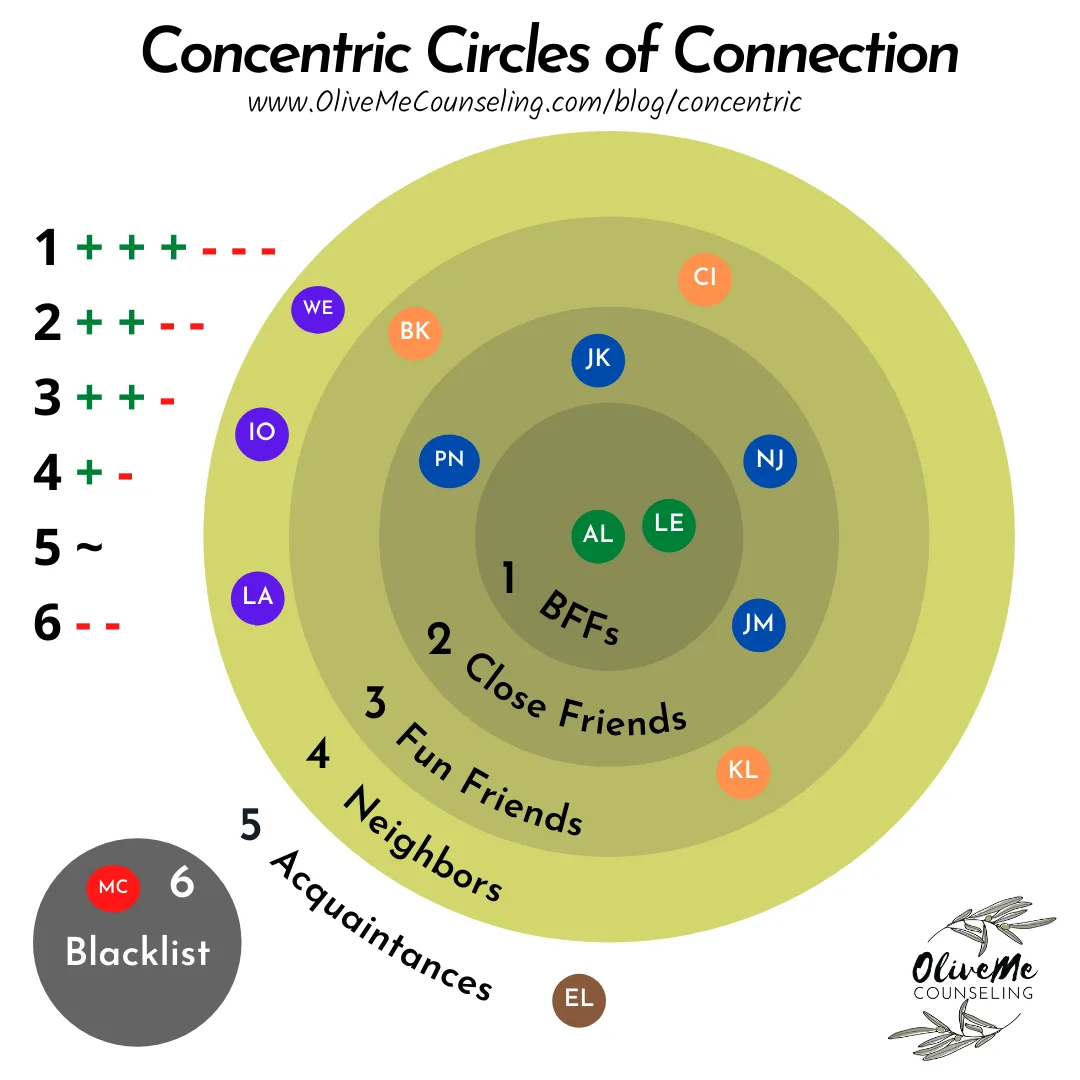
Visualizing these layers helps you detach emotionally. You’re not hiding secrets; you’re pacing information. This reduces cognitive load.
You don’t have to prepare fifty individual speeches. You prepare three distinct messages for three distinct groups. Clarity here creates calm later.
Choose Your Announcement Style Based on Risk and Relationship
With your map ready, pick the delivery mechanism. The style must match the relationship health. High-risk relationships (judgmental, intrusive) require low-contact methods.
Low-risk, high-support relationships allow for interactive reveals.
For distant or tricky relatives, avoid surprises. Surprises demand immediate emotional performance. If they disapprove, you’re trapped in the moment.
Instead, use asynchronous communication. A thoughtful text or email allows them to process privately. It gives you an exit ramp if their response is poor.
You control the follow-up conversation, or lack thereof.
For supportive inner circles, shared experiences build connection. An in-person dinner reveal works wonders here. It turns news into memory.
However, ensure the venue is neutral and comfortable. Avoid places where you can’t leave easily. If tensions rise, you need an escape route.
Remote families complicate things. Video calls are great, but lag kills momentum. Test your tech beforehand.
Aggregate user reviews suggest that pre-recorded video montages often land better than live calls for large groups. Everyone watches at their own pace. No one talks over each other.
You capture authentic reactions without the chaos of a live Zoom room.

Match the medium to the message’s weight. Light news? Text is fine.
Heavy life change? Voice or face-to-face matters. Don’t underestimate the power of tone.
Written words lose nuance. If you fear misinterpretation, speak it aloud. If you fear confrontation, write it down.
Know your enemy: ambiguity or intrusion. Choose accordingly.
Execute the Reveal: Timing, Order, and Scripts for Tough Conversations
Timing is tactical. Never announce when you’re exhausted, hungry, or stressed. Pick a weekend morning or evening when everyone is rested.
For Circle 1, do it alone with your partner first. Solidify your united front. Then, bring in parents.
Their reaction sets the tone for the rest of the family.
Scripts aren't just for actors. They protect you from saying something you’ll regret under pressure. Prepare brief, clear statements.
Stick to facts. "We’re expecting in June." Avoid over-explaining. Over-sharing invites unsolicited opinions.
If asked about conception methods or medical details, deflect politely. "We’re focusing on healthy growth right now."
Handle difficult relatives with boundary-first language. If Uncle Bob always criticizes, address it preemptively. "We love you, but we’re not discussing parenting styles today." Say it calmly.
Repeat it if necessary. Silence is a valid response to rudeness. Don’t engage in debate.
Your goal is notification, not negotiation.
Sequence matters. Tell those who will react positively first. Their excitement buffers the shock for others.
If a negative reactor sees widespread joy, they may soften. Or, they may feel isolated in their dissent. Either way, you’ve established the norm: this is happy news.
Deviating from that norm becomes socially costly for them.
Keep records. Save texts. Note dates.
If someone claims they weren’t told, you have proof. This sounds cold, but it protects your sanity. Gaslighting happens in families.
Documentation is your shield. Stay firm, stay kind, but stay guarded.
Handle the Aftermath: Managing Unsolicited Advice and Boundary Setting
The announcement is done. Now comes the noise. Relatives will offer advice, predictions, and judgments.
You didn’t ask for most of it. This phase requires active management. Passive hope won’t stop Aunt Mary from commenting on your diet.
Establish a "no-advice" zone immediately. When giving the news, add a clause: "We’re excited, but please hold off on baby names or gear suggestions for now." Set the stage early. People respect clarity.
Vague boundaries invite violations. Be specific about what topics are off-limits. Politics, religion, and parenting critiques are usually top offenders.
Use the "broken record" technique for persistent violators. Repeat your boundary phrase verbatim. "Thanks, but we’re sticking to our plan." Don’t justify.
Don’t explain. Justifications give them hooks to argue. Repetition signals seriousness.
Eventually, they tire out.
Protect your digital space. Mute or restrict social media comments if needed. You don’t owe anyone public engagement.
Delete harmful comments. Block users who harass. Your feed is your home.
Curate it ruthlessly. Aggregate reviews indicate that limiting visibility to close friends reduces anxiety significantly.

Remember, you’re pregnant, not possessed. You have rights. Prioritize your mental health over politeness.
If a relative can’t handle your boundaries, distance yourself temporarily. Pregnancy hormones amplify emotions. Guard your peace fiercely.
The baby needs a calm mother, not a pleaser.
Common Pitfalls That Turn Joyful News Into Stressful Drama
Even with a solid plan, small errors can derail your announcement. The biggest mistake is announcing before you’re emotionally ready. If you feel anxious or ambivalent, wait.
Forcing joy leads to burnout when relatives probe for details. Your energy dictates the reception. If you’re drained, they’ll sense it.
Another trap is inconsistent messaging across tiers. Telling Circle 1 one thing and Circle 2 another creates confusion. Relatives talk.
They compare notes. Discrepancies breed distrust. Stick to core facts: due date and health status.
Leave out speculative details like gender preferences or nursery themes unless asked directly.
Ignoring partner alignment is fatal. If one of you wants a quiet text and the other plans a party, friction starts immediately. Decide together.
Present a united front. Disagreements in public weaken your position. Also, avoid blaming external factors for delays.
Saying "we waited because of X" invites debate. Simply say, "We felt this was the right time." It closes the door on criticism.
Finally, underestimating the digital footprint. Once posted online, you lose control. Screenshots exist forever.
Consider who might see this in five years. Is that colleague still employed? Will future employers judge your privacy choices?
Keep social media reveals optional, not mandatory. Protect your long-term professional image by keeping early pregnancy news semi-private.
Decision Guide: Quick Reference for Your Specific Situation
Use this flowchart logic to finalize your approach. Match your scenario to the recommended action below. This removes guesswork and provides clear direction based on risk levels.
| Scenario | Primary Risk Factor | Recommended Action | Key Constraint |
|---|---|---|---|
| High Miscarriage History | Emotional Vulnerability | Wait until 12-week scan clearance | Private calls only; no social posts yet |
| Toxic Family Member | Conflict/Manipulation | Asynchronous text/email notification | No live interaction; block if needed |
| Long-Distance Family | Logistical Chaos | Pre-recorded video montage | Send individually to prevent group chat spam |
| Supportive Inner Circle | Overwhelming Excitement | In-person dinner reveal | Limit guest list to top 5 supporters |
| Workplace Concerns | Professional Boundaries | Notify HR/Boss first, privately | Keep personal details minimal at work |
If you fall into multiple categories, prioritize safety over celebration. A toxic relative outweighs a supportive friend. Handle the hardest person first, quietly.
Then proceed with the joyful groups. This ensures your baseline stress remains manageable.
Remember, there is no "wrong" way to announce if it protects your peace. Some couples never post publicly. Others share everything instantly.
Both are valid. Choose what sustains you, not what looks good on Instagram. Your mental health during pregnancy is non-negotiable.
Guard it fiercely.
Frequently Asked Questions
Should I tell my boss before my family?
No. Always inform immediate family first. Work colleagues belong in a later tier.
Telling your boss too early risks workplace gossip spreading faster than your personal news. Wait until you’ve secured support from parents and partners. Then, schedule a private meeting with management.
Keep the conversation brief and focused on leave policies, not personal details.
What if my parents disapprove of the father?
Address this separately. Do not combine the pregnancy news with relationship defenses. Announce the baby as a neutral fact.
If they criticize the partner, set a hard boundary immediately. "We love our child’s parent. Please respect that." If they refuse, limit contact.
You cannot control their opinions, only your exposure to them. Prioritize the unborn child’s stability over parental approval.
Is it okay to keep the announcement secret for months?
Yes. Many couples wait until the second trimester. This reduces miscarriage anxiety.
There is no rule requiring immediate disclosure. Secrecy is a valid protective strategy. Inform only those who absolutely need to know for logistical reasons.
Everyone else can wait. Your privacy is yours to guard. Trust your instincts on timing.
How do I handle unsolicited baby name suggestions?
Politely decline all names initially. Say, "We have a shortlist we’re working on." Do not engage in debates about favorites. Sharing options invites rejection of your choices.
Keep the process internal until you’re ready to share the final decision. This prevents hurt feelings later. Silence is golden here.
Redirect conversations to general well-being instead.

Similar Posts