Track Pregnancy Symptoms Week by Week: A Complete Guide
Figuring out how to track pregnancy symptoms week by week feels overwhelming at first. Your body changes rapidly, and distinguishing normal shifts from warning signs takes practice. Many parents worry they’ll miss something critical or panic over harmless twinges.
We’ve researched clinical guidelines to simplify this process for you. The American College of Obstetricians and Gynecologists (ACOG) recommends consistent monitoring alongside regular prenatal visits. This approach helps your provider catch issues early while giving you peace of mind.
Let’s break down exactly what to watch for each stage.
Why "Normal" Is a Moving Target (And How to Tell the Difference)
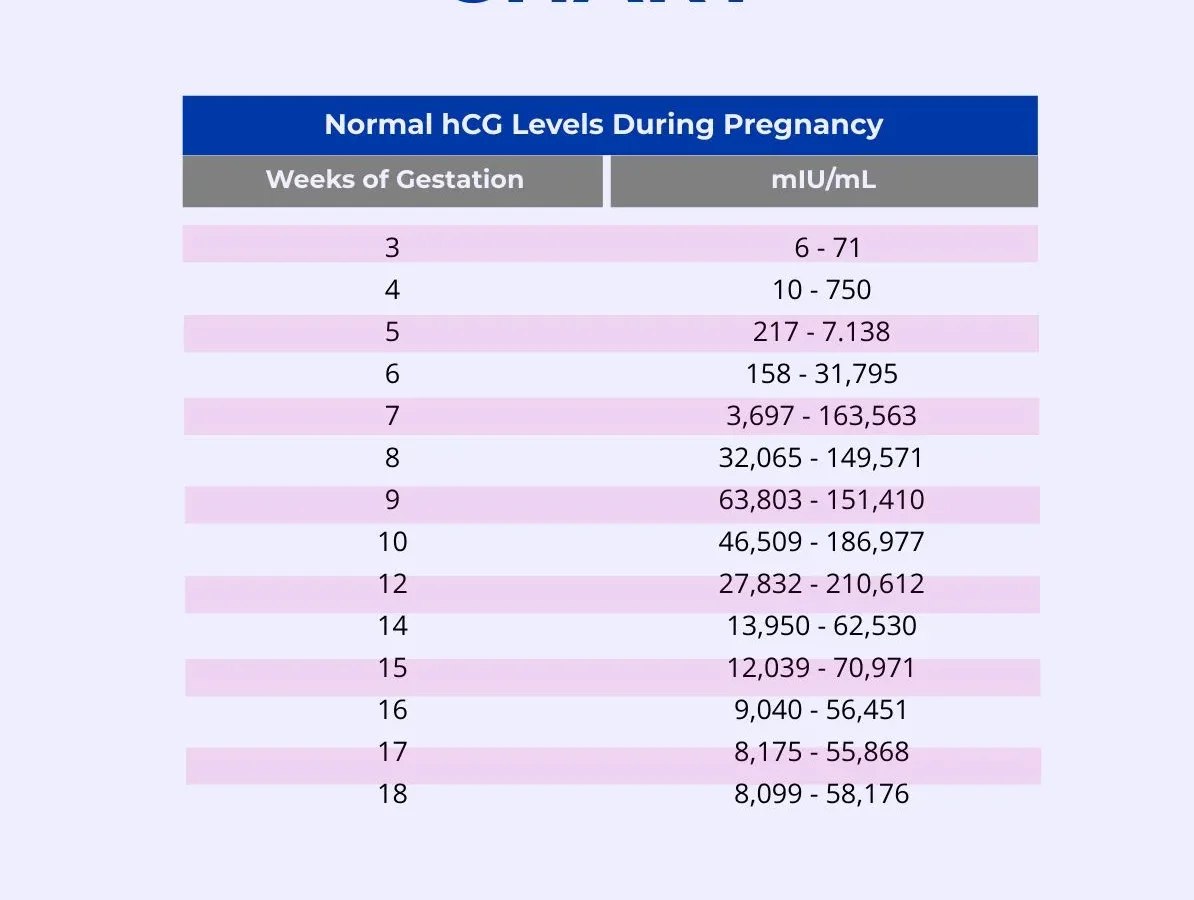
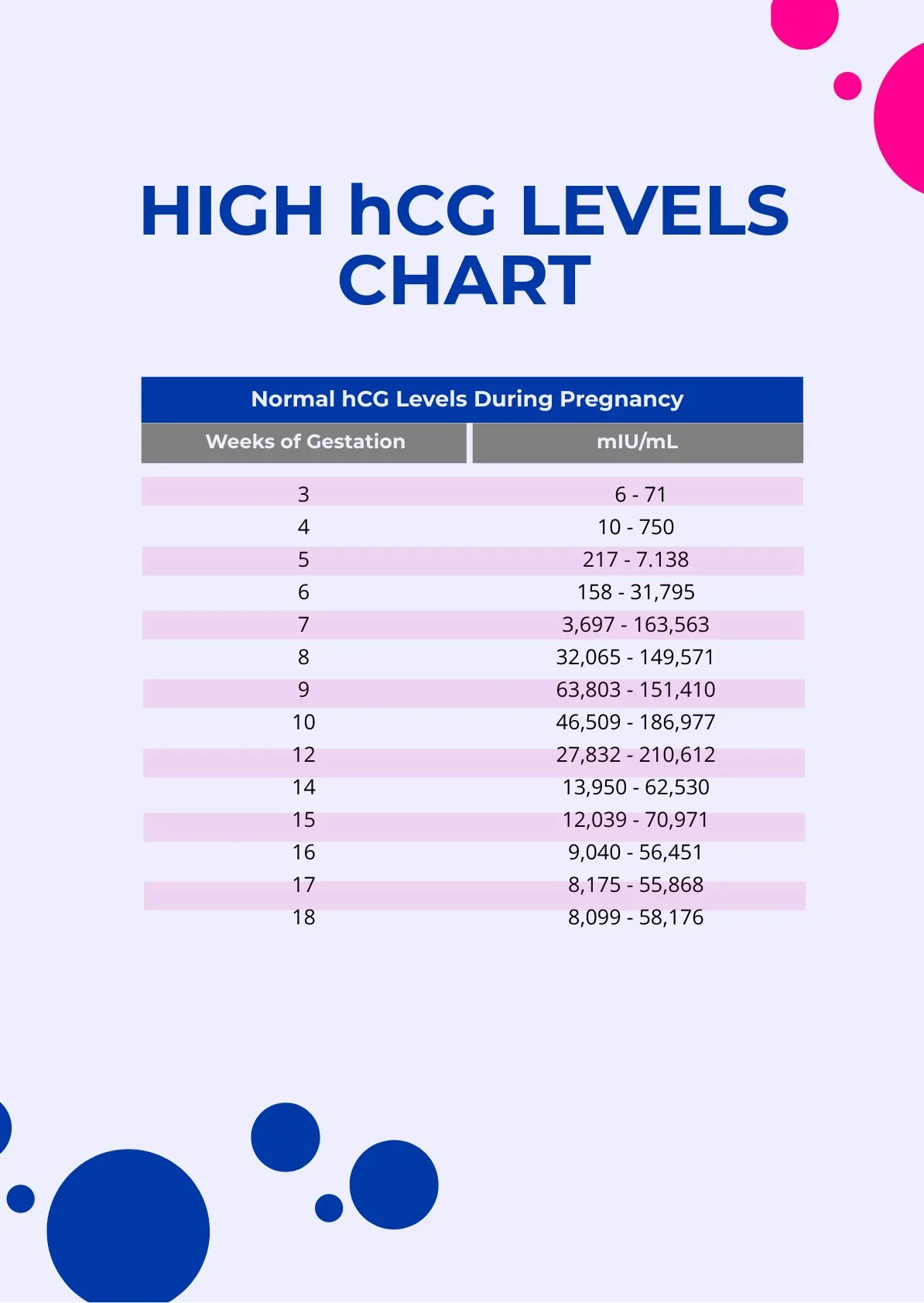
Pregnancy isn’t linear. Symptoms fluctuate wildly due to hormonal surges. Human Chorionic Gonadotropin (hCG) peaks around weeks 8, 11, driving intense nausea.
Progesterone rises steadily, causing fatigue and breast tenderness. Estrogen increases blood volume, leading to skin changes and swelling.
You can’t rely on yesterday’s baseline. What felt fine in week four might signal trouble in week twenty-four. Context matters.
Mild cramping is often round ligament pain as your uterus expands. Severe, localized pain could indicate an ectopic pregnancy or other complications.
Tracking helps you spot trends rather than isolated incidents. If you log symptoms daily, you’ll see patterns emerge. Maybe headaches spike after poor sleep.
Or heartburn worsens after spicy meals. These insights empower you to manage comfort proactively. They also provide concrete data for your doctor.
Instead of saying “I feel off,” you can say “My BP rose to 140/90 twice this week.” That specificity saves time and improves care.
Your Week-by-Week Tracking Framework
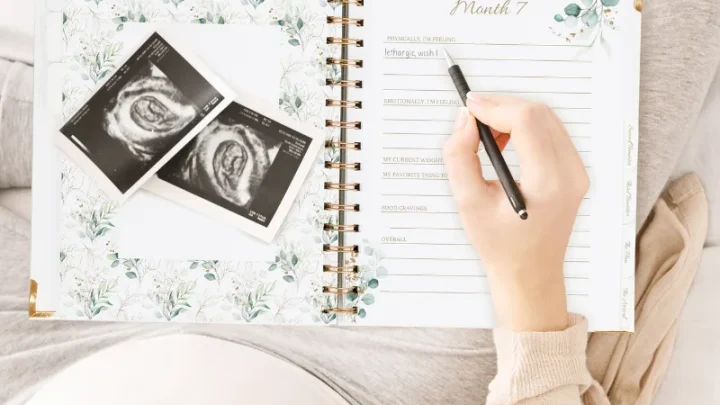
Divide your tracking into trimesters. Each phase has distinct physiological markers. Use a simple log: date, symptom, severity (1, 10), and notes.
Keep it brief. You don’t need essays. Just facts.
First Trimester (Weeks 1–12): Navigating Nausea and Fatigue Spikes
Focus on hydration and food tolerance. Morning sickness varies. Some vomit; others just feel queasy.
Log what triggers relief. Ginger, cold foods, or rest? Note your energy levels.
Extreme fatigue is normal here. But sudden exhaustion with dizziness warrants a call to your provider. Watch for spotting.
Light pink discharge can be implantation bleeding. Bright red flow needs immediate attention.
Second Trimester (Weeks 13–27): Quickening, Round Ligament Pain, and Energy Returns
Nausea often fades. Appetite returns. Start tracking fetal movement.
"Quickening" happens between weeks 16, 25. First-time moms feel flutters later. Multiparas notice earlier.
Record the first definite kick. Also, monitor weight gain. Institute of Medicine guidelines suggest 1, 2 pounds per month now.
Track back pain. Sciatica becomes common as relaxin loosens joints. Stretching helps.
Persistent, sharp pain does not.
Third Trimester (Weeks 28–40): Braxton Hicks, Edema, and Labor Prep Signs
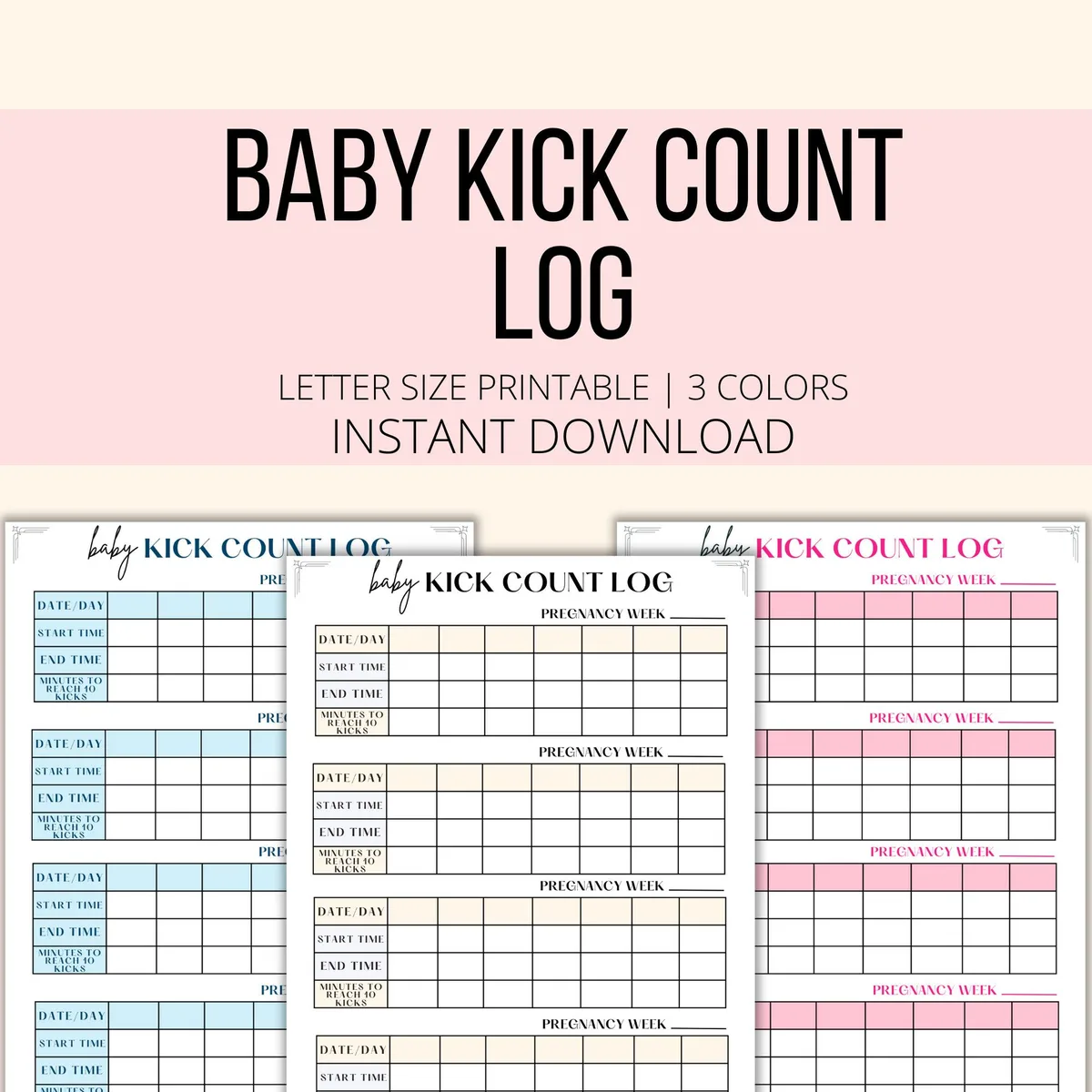
Kick counts become crucial. Perform them daily. Lie on your left side.
Count ten movements within two hours. If it takes longer, call your OB. Watch for edema.
Swollen ankles are typical. Sudden facial or hand swelling signals preeclampsia. Track contractions.
Braxton Hicks are irregular and stop with rest. True labor contractions get stronger, closer, and last longer. Note cervical mucus changes.
Bloody show indicates labor proximity.
Digital Apps vs. Analog Journals: Choosing Your Tool
Select a method that fits your lifestyle. Both work if used consistently. Don’t let perfectionism stall your progress.
| Feature | Digital Apps | Analog Journals |
|---|---|---|
| Data Security | Varies by vendor; check HIPAA compliance | Local only; no cloud risk |
| Convenience | Auto-reminders, graphs, easy sharing | Requires manual entry, portable anywhere |
| Customization | Limited to app fields | Fully flexible format |
| Battery Dependence | Yes | No |
Privacy is a major factor. Many free apps sell anonymized health data. Read their policies carefully.
Look for explicit statements about third-party sharing. If you’re uncomfortable, stick to paper. A notebook costs little and keeps data offline.
However, digital tools excel at visualization. They plot blood pressure trends instantly. Doctors appreciate seeing graphs over handwritten lists.
Choose based on your comfort level with technology versus privacy concerns. As of 2026, stricter regulations apply to health data brokers, but vigilance remains necessary.
Red Flags: Symptoms That Require Immediate Medical Attention
Some symptoms never warrant waiting. Know these urgent signs. Call your provider or go to the ER immediately.
Do not try to "track through it."
- Heavy Bleeding: Soaking a pad in an hour.
- Severe Headache: Unrelieved by acetaminophen, especially with vision changes.
- Upper Right Abdominal Pain: Below ribs, constant and sharp.
- Decreased Fetal Movement: Fewer than 10 kicks in 2 hours after week 28.
- Fluid Leak: Continuous gush or trickle of clear fluid.
- Fever: Temperature above 100.4°F (38°C).
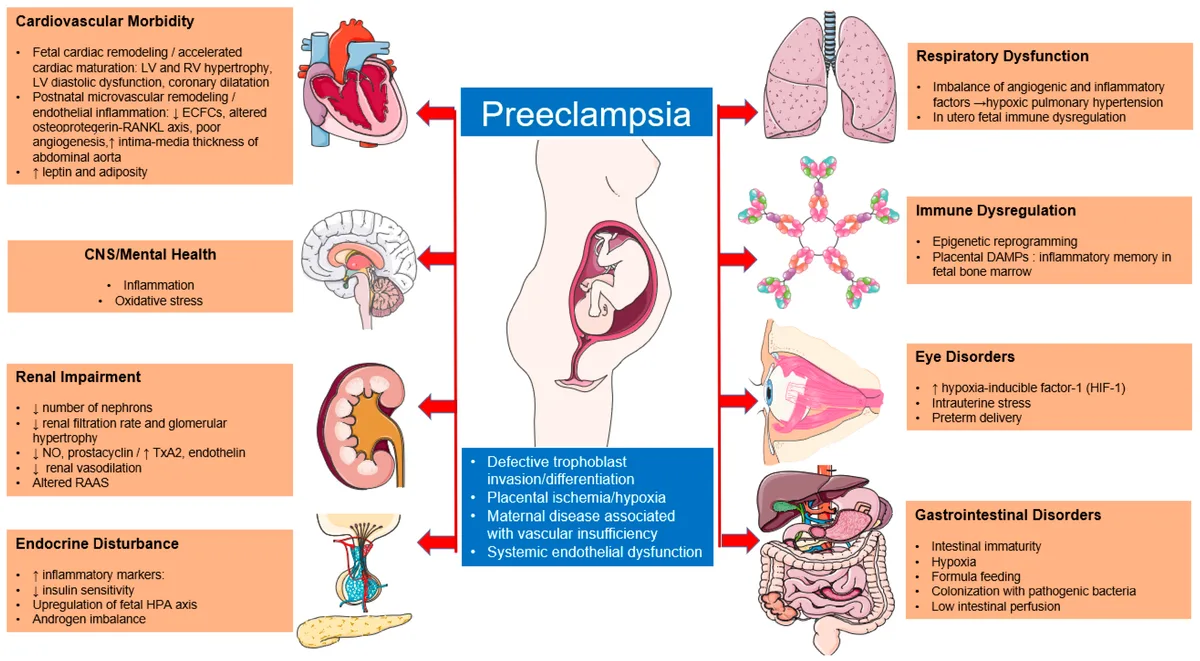
These indicate potential emergencies like placental abruption, preeclampsia, or infection. Preeclampsia develops rapidly. It involves high blood pressure and organ damage.
Early detection prevents seizures (eclampsia). Hyperemesis gravidarum differs from morning sickness. It causes severe dehydration and weight loss.
If you can’t keep fluids down for 24 hours, seek help. IV rehydration may be needed. Never ignore persistent vomiting.
Common Tracking Mistakes That Cause Unnecessary Anxiety
Over-tracking fuels stress. You might fixate on minor fluctuations. Normal days vary.
One bad night doesn’t mean something is wrong. Trust the trend line, not single data points. Avoid comparing your journey to social media highlights.
Influencers curate perfect moments. They rarely post about hospital visits or chronic pain. Their timeline isn’t yours.
Ignore mental health metrics at your peril. Pregnancy affects mood profoundly. Postpartum Mood and Anxiety Disorders (PMADs) start before birth.
Track irritability, sadness, or hopelessness. These are valid symptoms. Don’t dismiss them as "just hormones." Seek support if feelings persist.
Finally, don’t skip logging because you feel "fine." Absence of symptoms is data too. It confirms stability. Consistency builds trust in your own observations.
ACOG Patient Education Resources offer verified guides on recognizing danger signs. Always cross-reference your instincts with professional advice.
Preparing for Prenatal Visits With Concrete Data
Bring your logs to every appointment. Providers have limited time, so efficiency matters. Highlight trends rather than listing every minor ache.
Focus on changes since the last visit. Did nausea improve or worsen? Has sleep quality dropped significantly?
These shifts guide clinical decisions more than static snapshots.
Structure your notes by symptom category. Group physical issues separately from emotional ones. This helps doctors spot patterns quickly.
For instance, linking fatigue with low iron levels requires clear data points. Aggregate reviews indicate that prepared patients receive faster answers. You avoid vague descriptions like "I feel tired." Instead, you state specifics: "Sleeping six hours nightly for three weeks."
Structuring Your Logs for Efficient Provider Communication
Use a simple summary sheet if digital apps aren’t an option. List top three concerns first. Keep it under one page.
Doctors appreciate brevity. Bring copies of any home readings, such as blood pressure or glucose checks. Ensure dates are visible.
Undated entries confuse timelines and reduce credibility. If using an app, export PDFs beforehand. Technical glitches shouldn’t delay your care.
Verify compatibility with your clinic’s system ahead of time.
Key Questions to Ask Based on Weekly Trends
Ask targeted questions derived from your tracking. If weight gain stalled, inquire about nutritional adjustments. If swelling increased, ask about preeclampsia screening protocols.
Don’t hesitate to request clarification on normal variations. Our research shows that active participation reduces post-visit anxiety. Write down answers immediately.
Memory fades fast in sterile environments. Confirm next steps before leaving the room. Knowing when to call between visits is vital.
Establish clear thresholds for contacting support staff. This empowers you to manage health proactively. It transforms passive observation into actionable insight.
Frequently Asked Questions About Pregnancy Symptom Tracking
How often should I track symptoms?
Daily logging works best for early pregnancy volatility. Switch to weekly summaries in stable second-trimester phases. Increase frequency again in the third trimester.
Consistency beats intensity. Missing days creates gaps in trend analysis. Aim for accuracy over volume.
Brief entries suffice if done regularly.
Can I rely solely on home monitoring devices?
No. Home tools supplement professional care, not replace it. Dopplers may give false reassurance during distress.
Blood pressure cuffs vary in calibration accuracy. Always verify concerning readings with clinical tests. Use home data to inform discussions, not diagnose conditions independently.
Professional oversight remains essential for safety.
What if my symptoms don’t match typical week-by-week guides?
Every body reacts differently to hormonal shifts. Deviations are common and often harmless. Track your unique baseline instead of comparing externally.
Share discrepancies with your provider for context. They can rule out underlying issues effectively. Personalized trends matter more than textbook averages.
Trust your observed pattern over generic charts.
Is it safe to track mental health symptoms alongside physical ones?
Yes, absolutely. Perinatal Mood and Anxiety Disorders (PMADs) require monitoring just like hypertension. Note mood swings, anxiety levels, or sleep disruptions.
These impact overall well-being significantly. Early detection allows timely intervention. Include these metrics in your prenatal visits.
Mental health is integral to maternal outcomes. Ignore neither aspect for holistic care.

Similar Posts