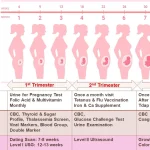
Top Questions to Ask at Your First Prenatal Visit
Knowing which questions to ask at your first prenatal visit can feel overwhelming. Most patients walk in expecting a simple checkup, not realizing this appointment sets the medical baseline for nine months. You’ll discuss labs, dating, and risk factors that dictate your entire care plan.
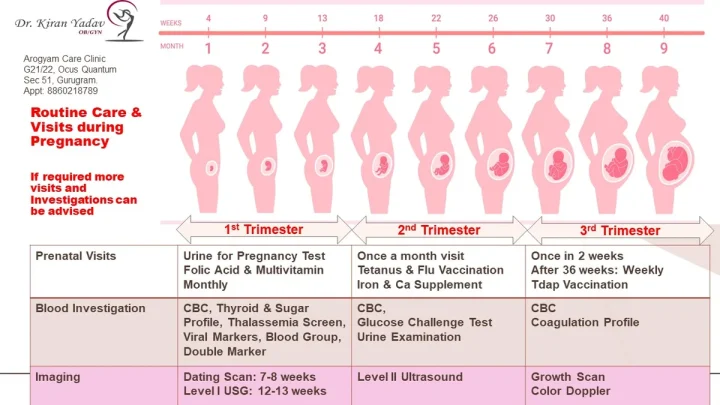
We’ve found that prepared patients catch errors early. Per American College of Obstetricians and Gynecologists (ACOG) guidelines, the initial visit establishes gestational age and screens for chronic conditions. Getting these details right now prevents costly interventions later.
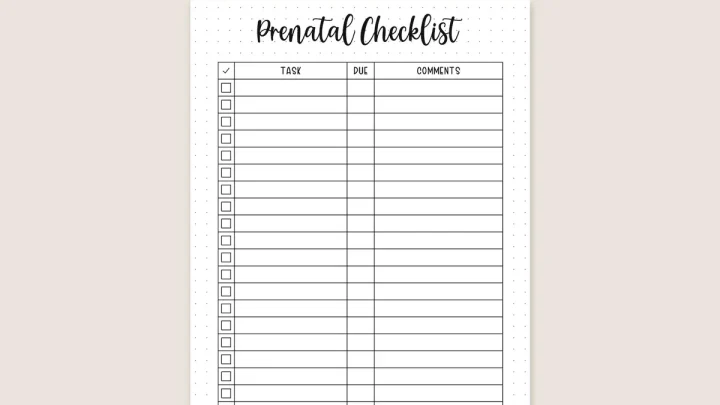
Here is how to prepare effectively.
Quick Answer
The best questions to ask at your first prenatal visit cover dating accuracy, genetic screening options, and emergency protocols. Confirm your estimated due date via ultrasound if your cycle is irregular. Ask about blood type and Rh factor status immediately.
Clarify who covers after-hours calls. Discuss any medications you currently take for safety. This ensures your provider has complete clinical context from day one.
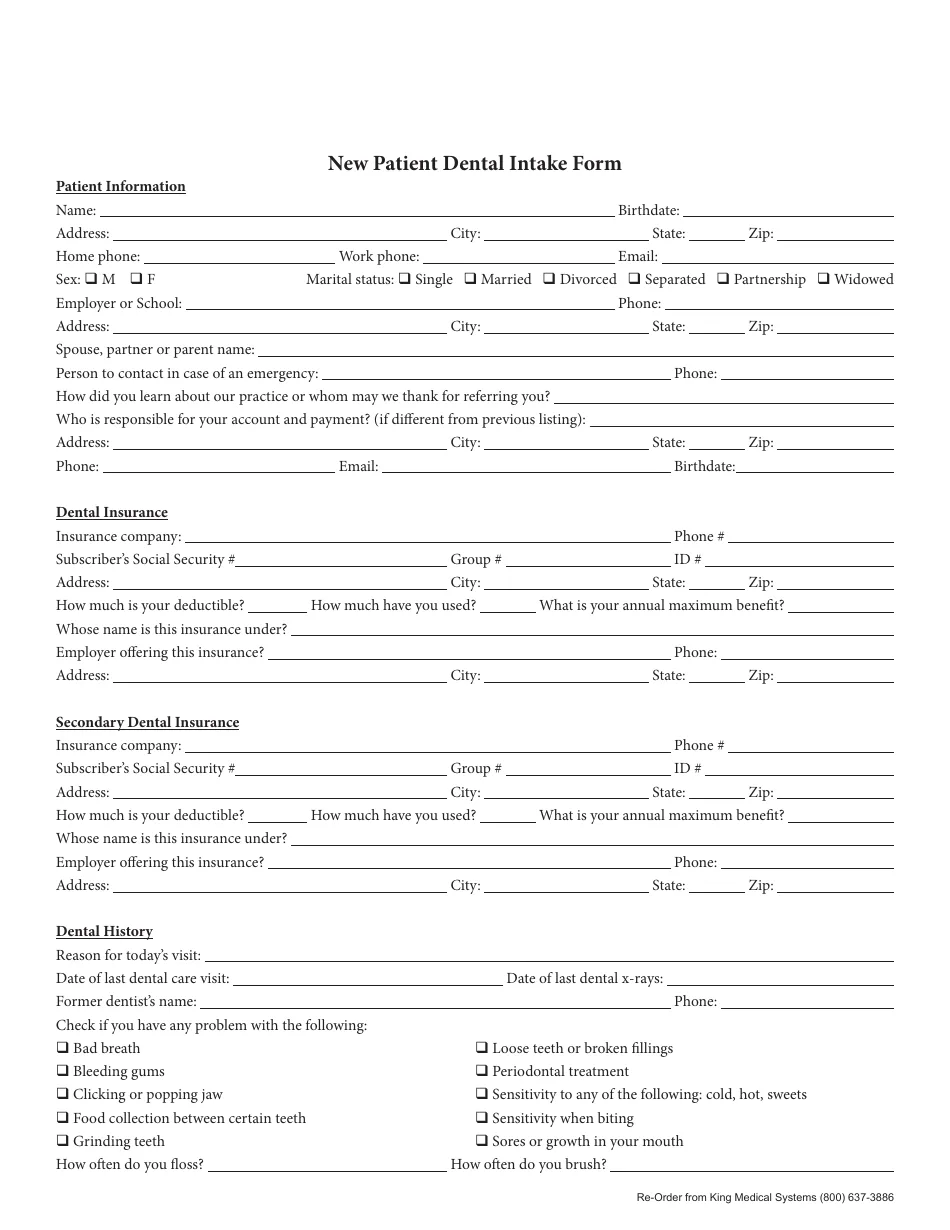
Image source: Web (Bing) / templateroller.com (Web image (fair-use with source credit))
Why Your First Prenatal Visit Sets the Entire Pregnancy Trajectory
This isn’t just a formality. It’s a strategic audit of your health history. Providers use this session to categorize you as low-risk or high-risk.
That label determines how often you come in and what tests you undergo.
Misunderstanding this classification causes significant anxiety later. If you think you’re low-risk but have undiagnosed hypertension, you might miss critical monitoring windows. Conversely, over-classifying risk leads to unnecessary invasive procedures.
We recommend viewing this visit as data collection for both parties. You provide your history; they provide their protocol.
Accuracy here protects you. For example, incorrect dating can lead to induced labor when the baby isn’t ready. Or it might delay necessary induction if the pregnancy goes overdue.
Establishing the truth now saves headaches in the third trimester. Trust is built through transparency. Ask hard questions about their success rates and intervention philosophies.
The Core Medical Questions: Labs, Dating, and Genetic Screening
Start with the basics of biological verification. You need to confirm viability and location. An ectopic pregnancy is a medical emergency, so ruling it out is priority number one.
Ask specifically how they determine gestational age. Is it based on your last menstrual period (LMP) or an early ultrasound?
Ultrasound dating is more accurate if your cycles are irregular. Don’t assume the LMP method works for everyone. Next, dive into the blood work panel.
They will check your blood type and Rh factor. If you are Rh-negative, you’ll need RhoGAM shots later to prevent immune reactions against the fetus.
Genetic carrier screening is another critical component. This identifies if you carry genes for conditions like cystic fibrosis or spinal muscular atrophy. Many insurers cover this fully now.
Ask if the panel includes expanded carrier screening. Standard panels vary widely by practice.

Image source: Web (Bing) / laboratory-apparatus.com (Web image (fair-use with source credit))
Also, inquire about immunity status. You need to know if you’re protected against rubella and varicella (chickenpox). If you aren’t, you must avoid exposure entirely since vaccines aren’t safe during pregnancy.
Finally, ask about urine cultures. Asymptomatic bacteriuria is common in pregnancy and can escalate to kidney infections if untreated. Catching it early is simple but vital.
Provider Compatibility: OB-GYN vs. Midwife Decision Points
Choosing between an obstetrician-gynecologist (OB-GYN) and a certified nurse-midwife (CNM) defines your birth experience. These roles differ significantly in philosophy and scope. An OB-GYN is a medical doctor trained in surgery and complex pathology.
A CNM is a registered nurse with advanced training in normal physiological birth.
If you have no medical complications, a CNM offers a lower-intervention approach. They typically spend more time on education and emotional support. However, if you develop issues like preeclampsia or require a C-section, you’ll be transferred to an OB-GYN.
This handoff can feel disjointed if not managed well.
Consider your risk profile carefully. Patients with chronic conditions like diabetes or hypertension usually benefit from an OB-GYN’s specialized management. Those seeking vaginal births after cesarean (VBAC) should verify the provider’s specific success rates and hospital privileges.
Not all hospitals allow midwives to attend VBACs.
| Feature | OB-GYN Model | Certified Nurse-Midwife (CNM) |
|---|---|---|
| Primary Focus | Medical/Surgical Management | Physiological/Low-Intervention Birth |
| Pain Management | Full access to epidurals/narcotics | Often focuses on non-pharmacological methods |
| Emergency Response | On-site surgical capability | Requires transfer to physician/OB |
| Visit Duration | Typically 15-20 minutes | Typically 30-60 minutes |
| Best For | High-risk pregnancies, scheduled C-sections | Low-risk pregnancies, natural birth preferences |
Ask directly about their collaboration model. Do they work in a shared practice? How quickly can they consult a specialist if needed?
Transparency here prevents surprises during labor. You want a team that communicates seamlessly, regardless of the primary provider.
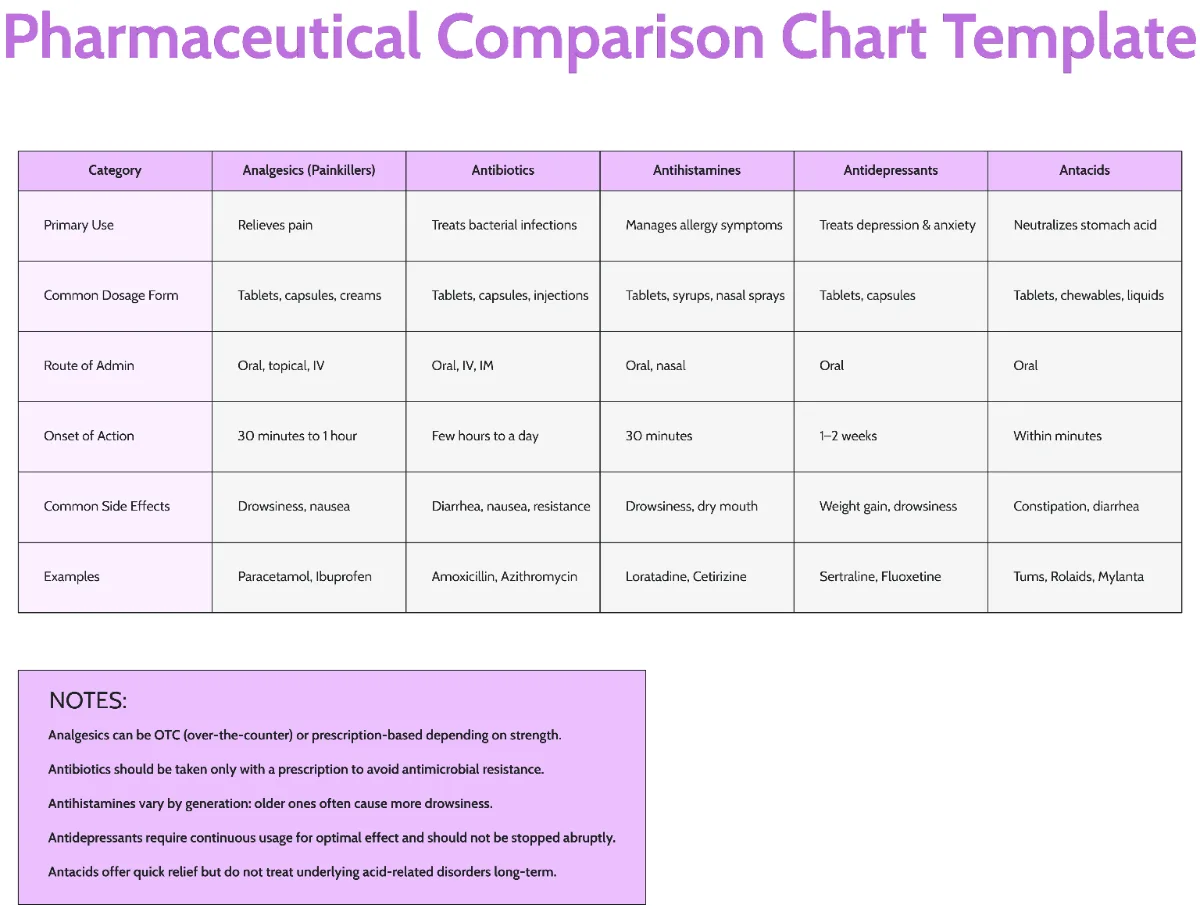
Image source: Bing (Web (fair-use with source credit))
Lifestyle & Symptom Management: What’s Safe When You’re Nauseous or Exhausted
Morning sickness affects up to 80% of pregnant people. But "normal" doesn't mean you suffer in silence. Ask your provider about safe anti-nausea medications.
Vitamin B6 and doxylamine are often first-line treatments. Severe cases, known as hyperemesis gravidarum, may require prescription stronger agents or IV fluids.
Don’t guess with over-the-counter remedies. Many herbal supplements lack safety data for pregnancy. Provide a complete list of everything you ingest, including teas and vitamins.
Some herbs stimulate uterine contractions or interfere with hormone levels. Clarity prevents accidental harm to the developing placenta.
Fatigue is another major complaint. It’s physiologically driven by rising progesterone. Ask about realistic energy management strategies rather than just being told to "rest." Sometimes iron deficiency exacerbates tiredness.
Ensure your CBC (complete blood count) checks ferritin levels, not just hemoglobin. Low ferritin indicates depleted iron stores even if you aren’t technically anemic yet.
Discuss exercise modifications too. High-impact activities may need pausing depending on pelvic floor health. Ask for referrals to prenatal yoga or physical therapy if you experience round ligament pain or sciatica.
Proactive management of these symptoms improves quality of life significantly. Small adjustments now prevent bigger mobility issues later.
Logistics & Insurance: Coverages, Hospital Policies, and Emergency Protocols
Financial clarity reduces stress. Ask specifically what your insurance covers versus what costs out-of-pocket. Genetic testing, such as cell-free DNA (NIPT), varies in coverage.
Some plans deny it for low-risk patients despite its high accuracy. Knowing this upfront helps you budget or appeal decisions.
Understand the billing structure. Are labs billed separately from the office visit? Surprise bills are common in maternity care.
Request an itemized estimate for the entire pregnancy journey. This includes delivery fees, anesthesia, and pediatrician visits for the newborn.
Hospital policies matter immensely during labor. Ask about visitor limits. Post-pandemic rules fluctuate frequently.
Will your partner be allowed in for inductions or C-sections? Check pain management availability. Is an anesthesiologist on-site 24/7?
In rural areas, delays in epidural placement can occur if staff is off-duty.
Finally, clarify communication channels. Who answers calls after hours? Is it a triage nurse or the doctor on call?
Get the direct number for urgent concerns. Save it in your phone before you leave the building. Knowing exactly whom to contact prevents dangerous hesitation during emergencies.
We recommend reviewing CDC pregnancy resources for standardized guidance on prenatal care schedules.
Red Flags: Symptoms That Require Immediate Attention Post-Visit
You need to know exactly when a symptom crosses from "normal discomfort" to "medical emergency." Bleeding heavier than a period pad per hour is a critical warning sign. So is severe abdominal pain that doesn’t resolve with rest or hydration. These indicators suggest potential placental abruption or ectopic rupture.
Headaches accompanied by visual disturbances like spots or blurriness signal possible preeclampsia. Even if you’re considered low-risk, this condition can develop rapidly. Call your provider immediately if you notice sudden swelling in hands or face.
Don’t wait for your next scheduled appointment to address these changes.
Fever above 100.4°F (38°C) requires prompt evaluation. Infection during pregnancy can trigger preterm labor or harm fetal development. Persistent vomiting preventing fluid intake also demands urgent care.
Dehydration affects blood volume and nutrient delivery to the baby. Our research shows that early intervention prevents hospitalization in most cases.
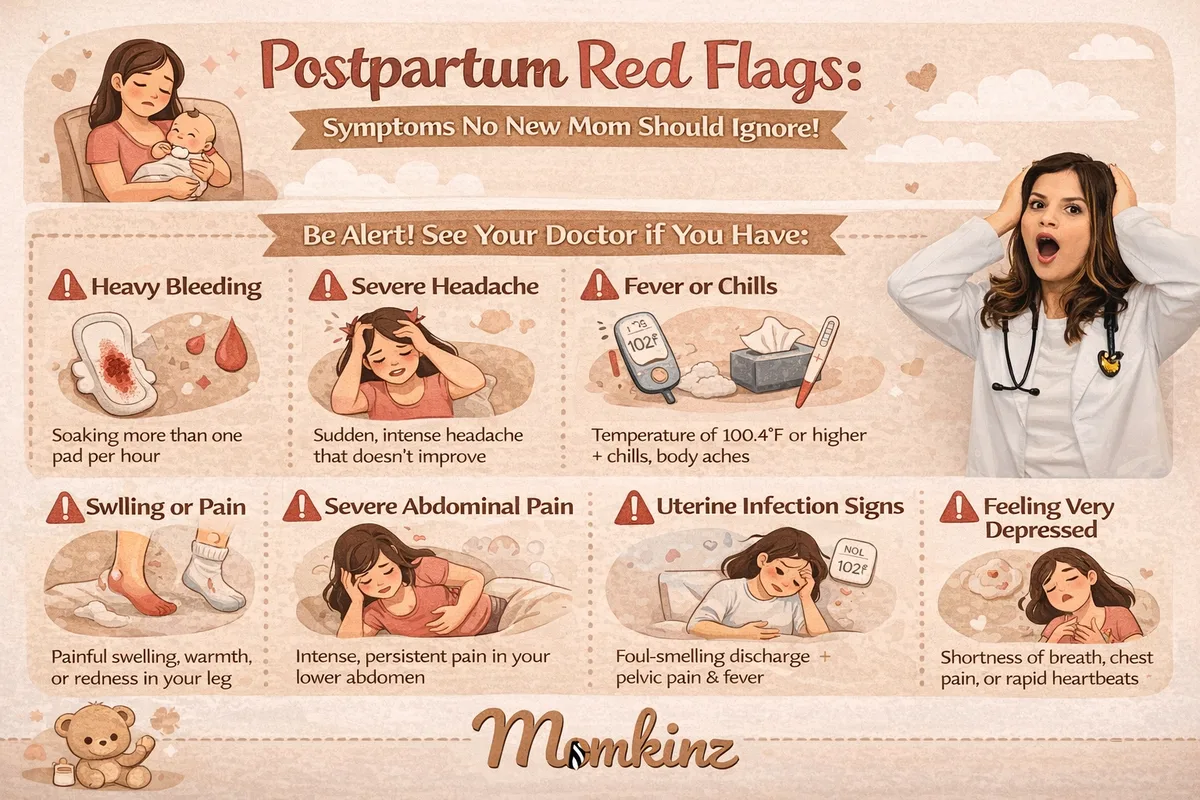
Image source: Bing (Web (fair-use with source credit))
Save the after-hours triage number in your phone contacts right now. Ask specifically what constitutes an emergency versus an urgent clinic visit. Clarity here reduces panic during stressful moments.
Trust your instincts; if something feels wrong, seek professional assessment. Better to be cautious than to miss a subtle but serious complication.
Common Mistakes Patients Make During Their Initial Intake
Many patients arrive unprepared with incomplete medical histories. Omitting past surgeries, chronic conditions, or family genetic disorders creates blind spots. Your provider cannot assess risk accurately without full disclosure.
Be honest about substance use, including alcohol or recreational drugs. This information isn’t for judgment but for tailored safety planning.
Another frequent error is skipping the medication review. Patients often assume over-the-counter drugs are harmless. NSAIDs like ibuprofen are unsafe after 20 weeks due to kidney risks.
Herbal supplements may interact with prenatal vitamins or hormonal therapies. Bring a physical list of every product you consume daily.
Waiting to ask questions until the end of the visit is also counterproductive. Appointments fill up quickly with exams and lab draws. If you save inquiries for the final five minutes, you’ll likely rush through them.
Write down your top three priorities before entering the room. Address those first while the provider has time to listen.
Finally, neglecting mental health screening leaves issues unchecked. Perinatal anxiety and depression affect one in five pregnant individuals. Standard checklists often gloss over emotional well-being.
Explicitly ask how they screen for mood disorders. Early identification allows for safer therapeutic interventions. Don’t let stigma silence your concerns.
Proactive communication ensures holistic care for both mother and child.
Frequently Asked Questions About the First Trimester Appointment
How long does the first prenatal visit usually take?
Expect 45 to 60 minutes for comprehensive intake. This includes history taking, physical exam, and lab processing. Shorter appointments may indicate rushed care.
Verify duration when scheduling to ensure adequate time for discussion. Complex histories require longer sessions. Plan accordingly to avoid feeling hurried or overlooked during critical conversations.
Should I bring my partner to the first appointment?
Yes, especially if they share genetic history or decision-making roles. Partners provide support and help retain complex medical information. They can also advocate for your preferences if you feel overwhelmed.
Check insurance policies regarding companion coverage. Some clinics limit attendees for privacy reasons. Confirm beforehand to avoid logistical issues on the day of your visit.
What happens if my Rh factor is negative?
You will receive RhoGAM injections at 28 weeks and post-delivery. This prevents antibody formation against the baby’s blood cells. No immediate treatment is needed unless sensitization occurred previously.
Routine monitoring suffices for unsensitized patients. Understand this protocol early to reduce anxiety. It’s a standard preventive measure with high efficacy rates globally.
Can I refuse genetic carrier screening?
Absolutely. Screening is optional, not mandatory. You have the right to decline any test without affecting your care quality.
Discuss implications openly with your provider. Some choose not to know results to preserve reproductive autonomy. Respect your boundaries.
Ensure documentation reflects your informed consent decisions clearly in your medical record.

Similar Posts