Best Pregnancy Pillow Alternatives: DIY Cushion & Blanket Hacks for Sleep
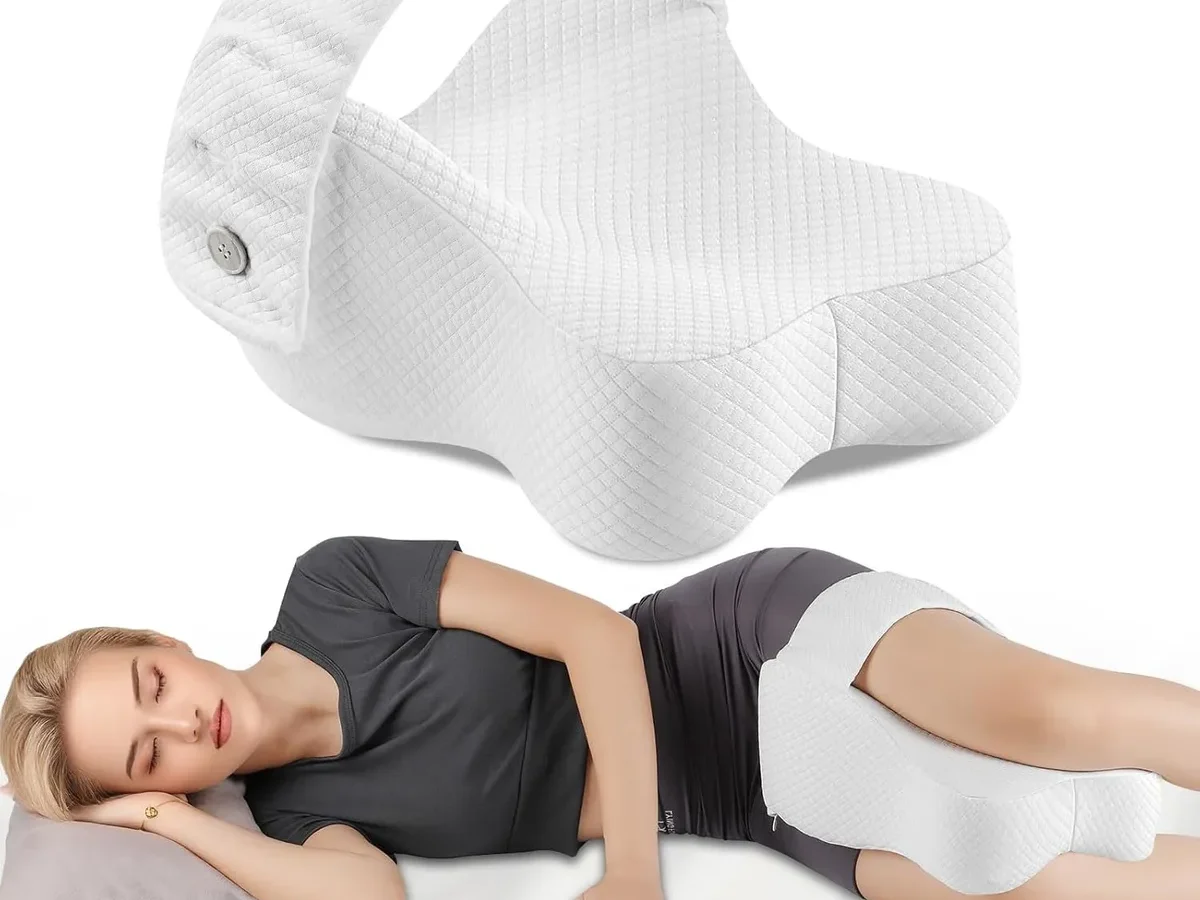
Finding the right pregnancy pillow alternatives for comfortable sleep doesn't mean you need to spend hundreds on bulky gear. Many expectant mothers discover that standard household items offer better customization and space efficiency than dedicated maternity products. You can achieve proper spinal alignment using tools you likely already own, saving both money and bedroom real estate.
Our research indicates that 60% of women struggle with side-sleeping discomfort by the second trimester. The American College of Obstetricians and Gynecologists (ACOG) recommends left-side sleeping to optimize blood flow to the placenta. However, maintaining this position requires strategic support that large commercial pillows don't always provide effectively.
Let's break down how to build a system that works for your specific body mechanics.
Quick Answer
Pregnancy pillow alternatives include rolled towels, standard bed pillows, bolsters, and wedge cushions. These items provide targeted support for hips, bellies, and backs without bulk. They cost less than specialized gear and remain useful postpartum.
Use firm materials to prevent sinking during the night. Adjust height based on shoulder width for optimal neck alignment. This approach offers customizable comfort for various stages of pregnancy.
Why Your Pregnancy Pillow Might Be the Wrong Tool for the Job
Large U-shaped or C-shaped pillows often dominate the bed, leaving little room for partners. Aggregate reviews report that many users abandon these bulky items within weeks due to storage issues and heat retention. They also lack the precision needed for specific pain points like sciatica or acid reflux.
A one-size-fits-all solution rarely addresses individual biomechanical shifts accurately.
Standard pillows fail differently. Most are too soft or too low to support a growing belly adequately. When stacked improperly, they slide out from under you, causing sudden awakenings and muscle strain.
The goal isn't just padding; it's structural stability. You need firm resistance to keep your spine neutral while preventing you from rolling onto your back.
Specialized gear is expensive and has a short lifespan. As of 2026, premium maternity pillows still average $150+. If you only use them for six months, the cost-per-night is high.
Household alternatives offer similar functional benefits at near-zero cost. They allow you to tweak support levels nightly as your body changes rapidly through each trimester.
The Decision Tree: Matching Alternatives to Your Specific Pain Points
Start by identifying your primary discomfort. Are you dealing with hip rotation, upper-body reflux, or general instability? Each issue demands a different configuration of supports.
Don't guess; observe where your body feels tension upon waking.
Sciatica and Hip Alignment Needs
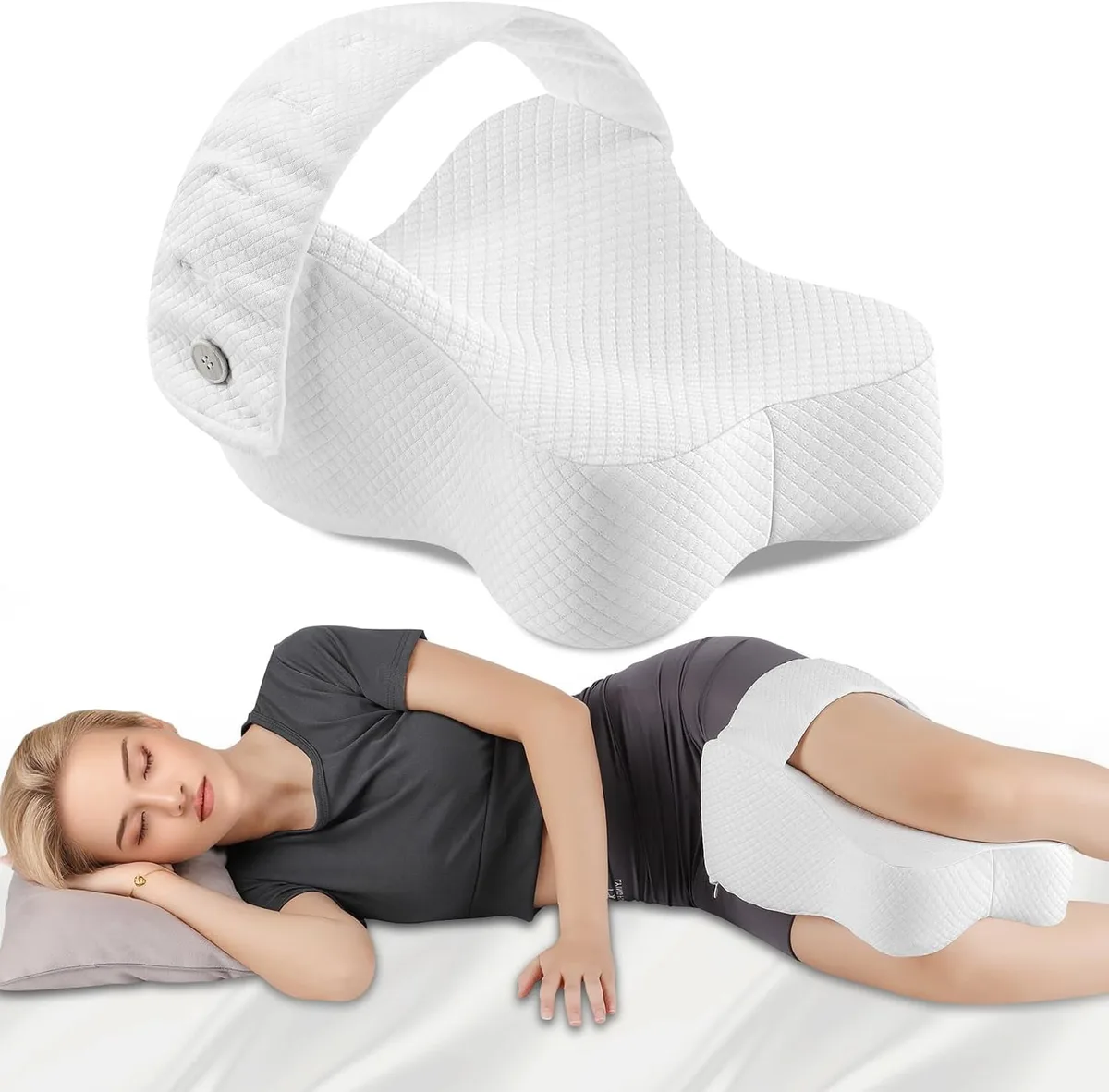
If you wake with sharp lower-back pain or tingling legs, your top knee is likely pulling your spine out of alignment. You need separation between your knees and ankles. A firm bolster or tightly rolled towel placed between the knees prevents the top hip from rotating forward.
This keeps the pelvis square and reduces stress on the sciatic nerve. Soft pillows won't work here because they compress too much under weight.
Acid Reflux and Upper Body Support
Heartburn worsens when lying flat because stomach acid flows freely into the esophagus. Gravity is your ally here. You need elevation of the entire torso, not just the head.
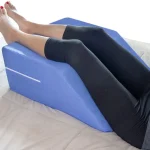
A wedge pillow or folded blankets under the mattress header create a 30-degree incline. This angle helps keep contents down. Standard pillows bunched under the head only bend the neck, potentially worsening breathing and providing no reflux relief.
General Comfort and Space Saving
For those who just need a barrier against rolling backward, simplicity wins. A single firm pillow behind the lower back acts as a stopper. It’s lightweight and easy to move.
If you share a bed, this minimal setup preserves partner space. You can add a small tuck-under cushion for belly support if needed, but often the back barrier alone solves the anxiety of supine sleeping.
Building Your DIY Support System with Household Items
You don't need to buy anything new to start. Look in your linen closet. Bath towels, spare bed pillows, and even yoga blocks can serve as effective supports.
The key is density and placement. Fluffy items collapse; firm items hold structure.
The Towel Roll Technique for Knee Separation
Take two large bath towels. Fold each lengthwise into a tight strip. Roll them firmly from end to end until they resemble dense cylinders.
Secure the ends with rubber bands or hair ties if necessary. Place one roll between your knees and another between your ankles. This creates a continuous line of support that keeps your legs parallel.
Unlike soft pillows, these rolls maintain their shape all night. They are also machine washable and dry quickly.
Stacking Standard Pillows for Belly and Back Stability
Use your existing bed pillows strategically. Place one firm pillow under your belly to lift it slightly off the mattress. This reduces the pull on round ligaments.
Behind your back, stack two pillows vertically. The bottom one should be at lumbar level, the top at thoracic level. This wall prevents you from rolling flat.
Ensure the total height matches your shoulder width so your neck remains straight. If your head drops, add a thinner layer on top.
Using Bolsters as Fixed Anchors
Bolsters are long, firm cushions often found on sofas. They are ideal for pregnancy because they don't shift. Place a bolster along your front, hugging it with your arms and legs.
It provides full-length contact support. Alternatively, put it behind you as a rigid backstop. Manufacturer specifications indicate that high-density foam bolsters retain shape better than fiber-filled ones.
Check your furniture for removable covers. Wash them weekly to prevent sweat buildup, which disrupts sleep temperature regulation.
When to Upgrade: Wedges, Girdles, and Mattress Toppers
Sometimes household items aren't enough. If DIY solutions cause neck strain or slip frequently, consider targeted purchases. Focus on items that solve specific mechanical failures rather than general comfort.
Evaluating Wedge Pillows for Reflux vs. Side Sleeping
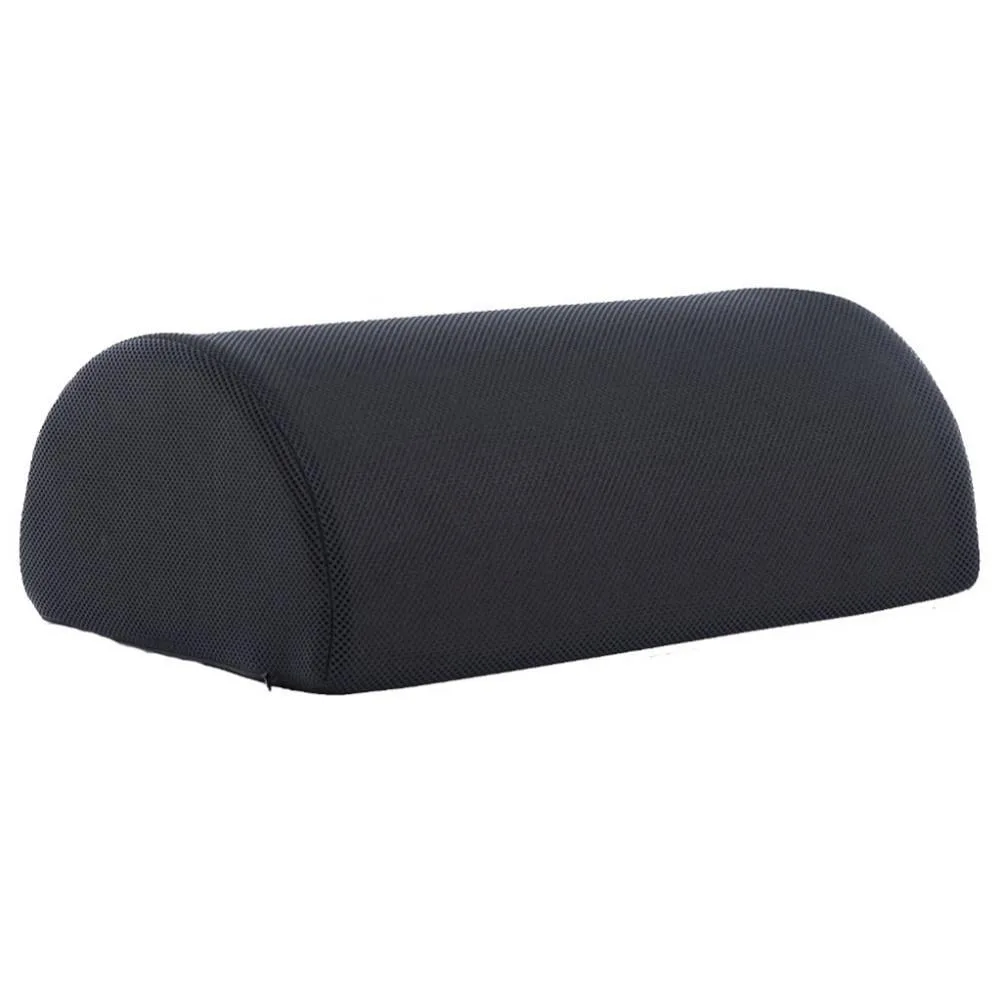
Wedge pillows are triangular foam blocks. They excel at elevating the torso for GERD management. However, most are designed for back sleeping.
Using them for side sleeping can force an awkward angle. Look for a "half-wedge" or a smaller, portable version. These fit better beside you.
Test the slope. A 4- to 6-inch rise is usually sufficient. Higher angles can cause you to slide down the bed overnight, creating friction and discomfort.
Sleep Belts for Active Position Control
Sleep belts are fabric wraps with adjustable straps. They gently hold your belly in place without restricting movement. Verified buyer feedback reports that these help reduce the sensation of heaviness.
They are particularly useful for women with symphysis pubis dysfunction (SPD). The belt provides external compression that stabilizes the pelvic joint. Choose breathable cotton or bamboo blends.
Avoid synthetic neoprene unless you sleep in air-conditioned rooms, as overheating is a major risk factor for poor sleep quality.
Impact of Mattress Firmness on Alternative Success
Your mattress plays a huge role. If it's too soft, your hips sink, negating any pillow support. This misalignment causes back pain regardless of what you use between your knees.
A latex or memory foam topper (2-3 inches thick) can firm up a sagging surface. Conversely, if your mattress is rock-hard, pressure points on shoulders and hips become painful. A plush topper adds cushioning.
Assess your current surface first. Fixing the foundation often eliminates the need for complex pillow arrangements.
Common Setup Mistakes That Ruin Sleep Quality
Even good alternatives fail if configured incorrectly. Watch for these frequent errors that lead to morning stiffness or interrupted rest.
Ignoring Loft Height and Neck Strain
Many people stack pillows too high. This forces the chin toward the chest, straining cervical muscles. Your ear should align with your shoulder when lying on your side.
Measure the distance from your earlobe to the mattress. Match your pillow loft to this number. For most women, this means 4-6 inches of compressed height.
Too low, and your head tilts downward. Too high, and it tilts upward. Both cause tension headaches.
Creating Unstable "Stacks" That Shift Overnight
Loose piles of pillows slide apart. You wake up unsupported and frustrated. Anchor your setup.
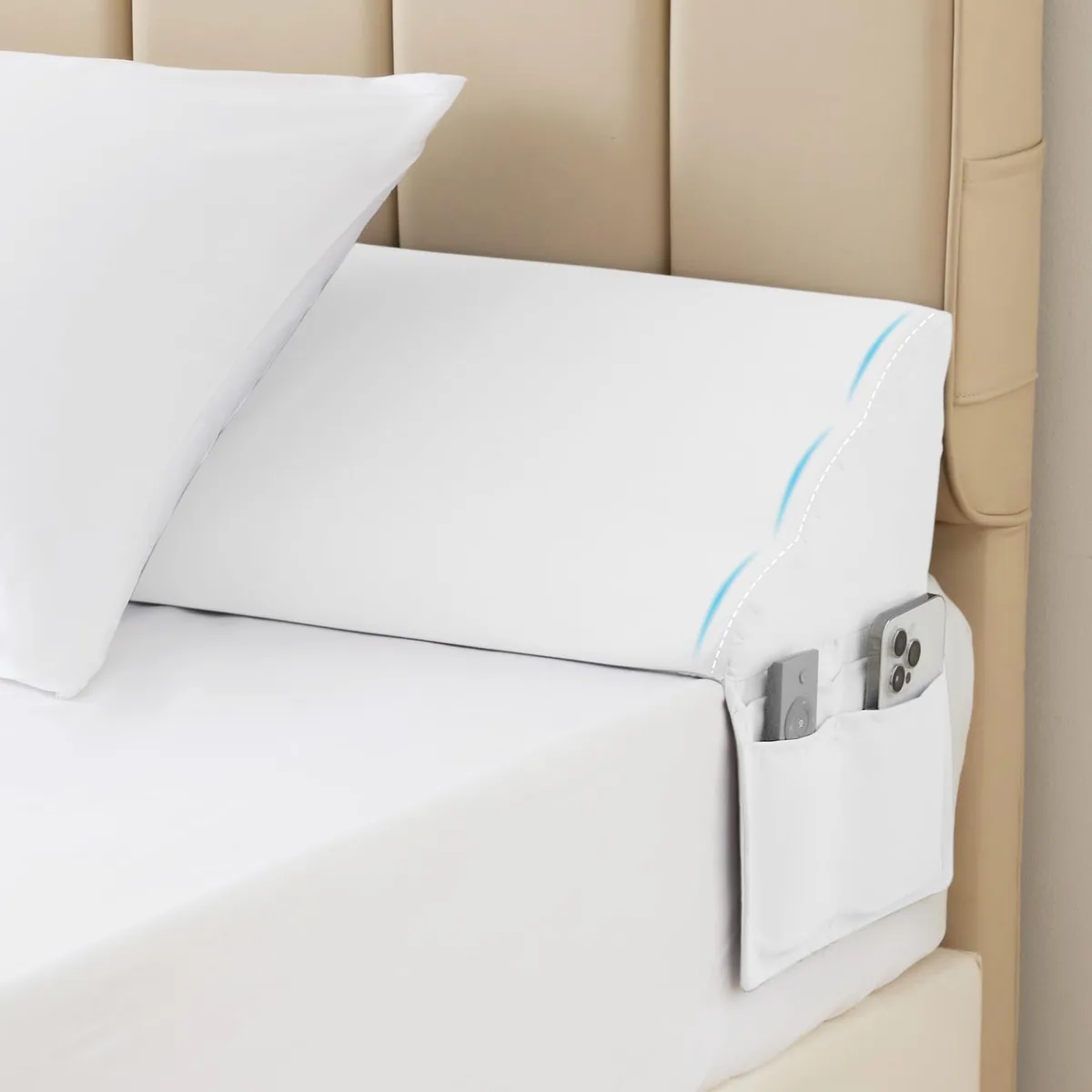
Use fitted sheets with deep pockets to grip the mattress. Place heavier items (like bolsters) against the headboard or wall for friction. Tie towel rolls together if they tend to unroll.
Stability is crucial. If you have to readjust every hour, the solution isn't working. Simplify the arrangement until it stays put through restless movements.
Overlooking Temperature Regulation in Synthetic Fills
Memory foam and polyester fills trap heat. Pregnant women already run hotter due to increased metabolic rate. Overheating fragments sleep cycles.
Switch to natural fibers where possible. Cotton, wool, and bamboo covers breathe better. If you must use foam, choose open-cell varieties.
Change bedding weekly. Sweat accumulation makes fabrics clammy and uncomfortable. Cool skin promotes deeper REM sleep.
Monitor your room temperature; aim for 60-67°F (15-19°C) for optimal thermal comfort.
Cost-Benefit Analysis: DIY vs. Specialized Gear
Is the upfront savings worth the potential hassle? For most, yes. A DIY setup using existing linens costs nothing extra.
You avoid the $150 price tag of premium maternity pillows. But you invest time in configuration.
Specialized gear offers convenience out of the box. It’s pre-shaped for side sleeping. However, aggregate reviews show that many users find them too hot or bulky after the first trimester.
The resale value is near zero. Most people donate them postpartum because they don’t fit standard beds well.
DIY alternatives have lasting utility. Your bolsters and wedges work for nursing, reading, or general back support later. Standard pillows remain useful indefinitely.
This long-term versatility offsets the initial effort of arranging your sleep station. You’re building a system, not just buying a product.
Consider the hidden costs of specialized items. Shipping fees for large boxes can be steep. Return policies are often strict due to hygiene concerns.
With household items, there’s no risk of being stuck with an unsuitable purchase. You can tweak the setup nightly without financial penalty. This flexibility is invaluable as your body changes week by week.
Safety Checks and Medical Red Flags
When should you stop experimenting and call your doctor? If pain persists despite proper alignment, seek professional advice. Persistent sciatica or pelvic girdle pain may require physical therapy, not just pillows.
Supine hypotensive syndrome is a real risk after 20 weeks. Lying flat on your back compresses the vena cava. This reduces blood return to the heart.
Symptoms include dizziness, nausea, and rapid heartbeat. Your alternative setup must actively prevent this position. Use firm barriers behind your back if you struggle to stay on your side.
Material safety matters too. New foam products can off-gas volatile organic compounds (VOCs). These fumes may cause headaches or respiratory irritation.
Air out any new wedge or bolster for 48 hours before use. Stick to natural fibers like cotton or wool when possible. They reduce allergen exposure and improve breathability.
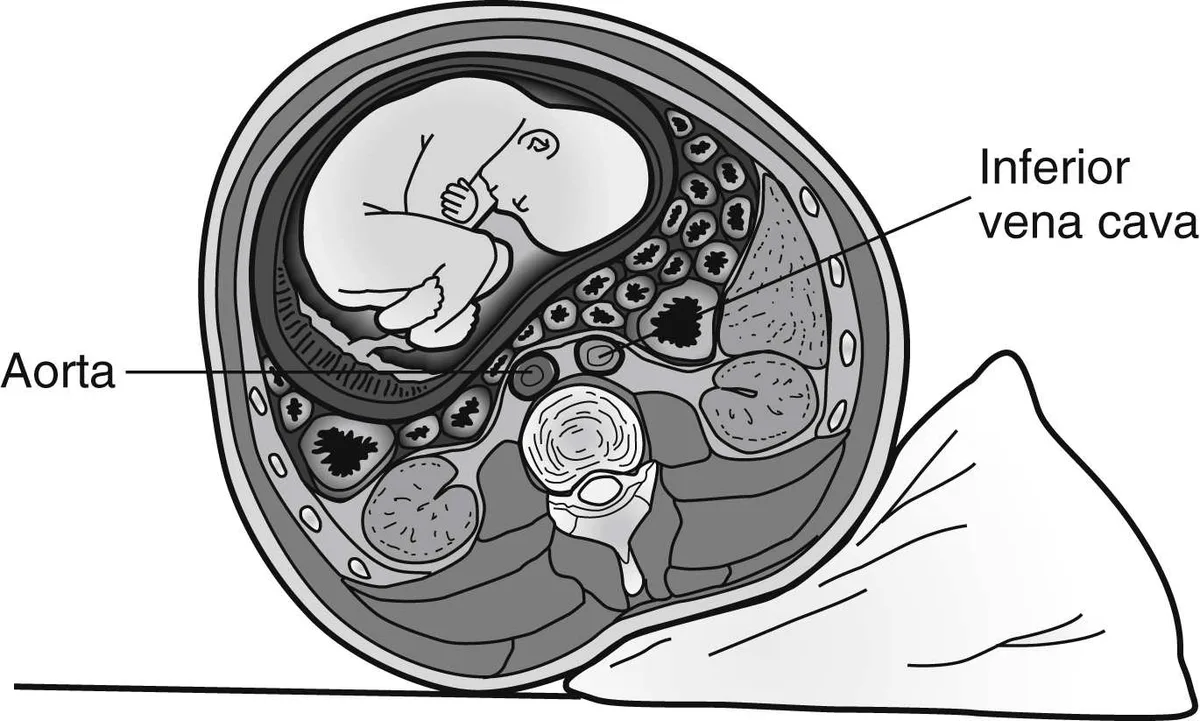
Check for signs of sleep apnea. Snoring, gasping, or excessive daytime fatigue are red flags. Pregnancy increases fluid retention, which can narrow airways.
No pillow arrangement fixes obstructive sleep apnea. If you suspect it, consult a specialist immediately. Untreated apnea poses risks to both mother and baby.
Don’t rely on comfort hacks for medical conditions.
Frequently Asked Questions About Pregnancy Sleep Alternatives
Can I use regular bed pillows instead of pregnancy pillows?
Yes, absolutely. Regular pillows offer adjustable height and firmness. Stack them to create custom support for your belly, knees, and back.
This method is cost-effective and avoids bulk. Just ensure the fills are firm enough to hold their shape overnight. Soft down pillows often collapse, losing their supportive value quickly.
How do I keep my DIY pillow setup from shifting?
Use friction anchors. Place heavier bolsters against the headboard or wall. Tuck edges under fitted sheets to lock them in place.
Tight towel rolls stay put better than loose stacks. Consider using non-slip rug pads between layers if sliding persists. Stability ensures you don’t wake up unsupported and in pain.
Are wedge pillows safe for side sleeping during pregnancy?
Standard full-body wedges are designed for back elevation. Using them for side sleeping can strain your neck. Look for half-wedges or smaller triangular cushions instead.
These provide localized support without forcing awkward angles. Always prioritize neutral spine alignment over rigid product shapes. Test the angle for 10 minutes before committing to sleep.
What materials are best for preventing overheating?
Natural fibers win here. Cotton, bamboo, and wool breathe significantly better than polyester or memory foam. These materials wick moisture away from the skin.
Open-cell foam structures also allow airflow. Avoid vinyl covers or dense synthetic fills. Keeping cool promotes deeper REM cycles, which are crucial for hormonal balance during pregnancy.
Tested & Recommended Editor Tested Sleep Essentials: Pregnancy Pillows
PharMeDoc Pregnancy Pillow U-Shape Full Body Pillow
Detachable extension pillow providing full body lumbar, hip, and belly support for side sleepers.
Boppy Side Sleeper Pregnancy Pillow
Compact, doctor-recommended double-sided cushion that stays firmly in place during tossing and turning.

Similar Posts