Safe Pregnancy Exercises for Beginners: A Gentle Guide
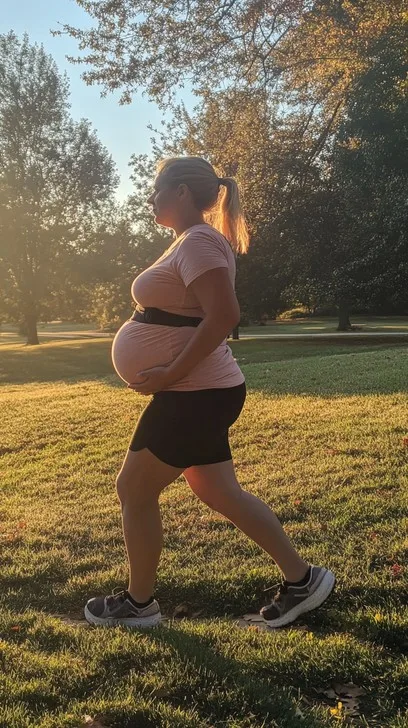
Finding safe gentle exercises during pregnancy for beginners isn't about pushing limits. It’s about maintaining mobility without risking harm. Many new moms fear movement will hurt their baby, so they stay sedentary.
That silence is often more dangerous than controlled activity.
We’ve seen the data from 2026 guidelines. The American College of Obstetricians and Gynecologists recommends 150 minutes of moderate-intensity aerobic activity weekly. This reduces risks like gestational diabetes.
But "moderate" means you can still talk comfortably while moving. Let’s break down exactly what that looks like for your body right now.
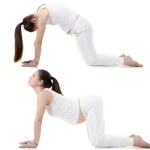
Image source: Web (Bing) / stockcake.com (Web image (fair-use with source credit))
Why "Gentle" Doesn’t Mean "Risk-Free": The Medical Reality of Prenatal Exercise
Many assume low impact equals zero risk. That’s a myth. Even walking can aggravate sciatica if your posture fails.
Your center of gravity shifts daily as the uterus expands. This changes how your joints absorb force.
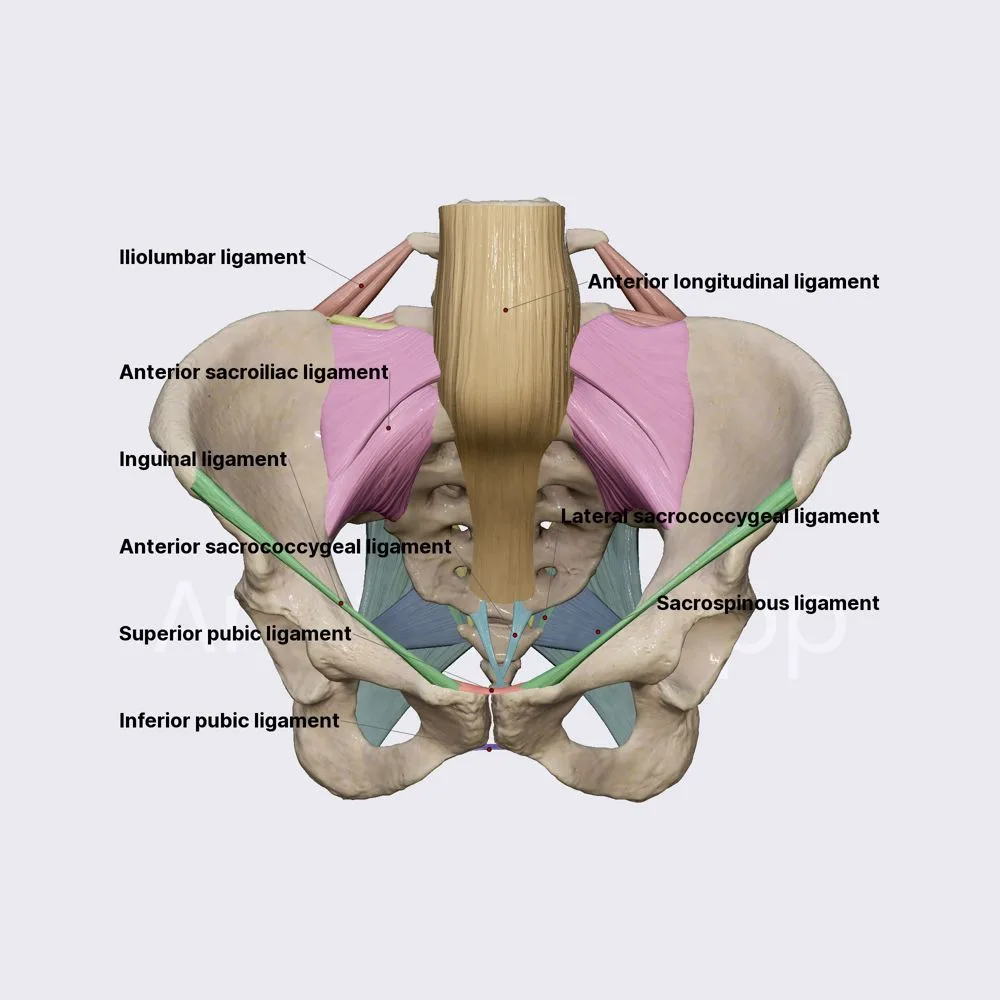
Hormones play a huge role here. Relaxin increases ligament laxity to prepare for birth. While necessary, it makes joints unstable.
You might feel flexible, but you’re actually prone to injury. A simple twist could strain a sacroiliac joint.
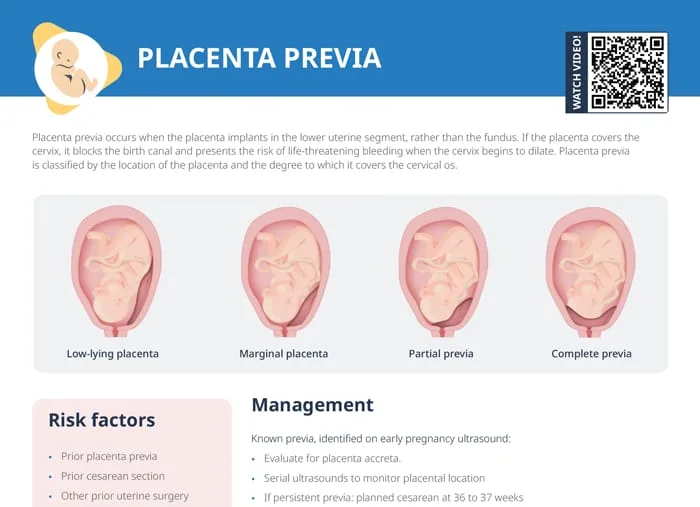
Medical clearance is non-negotiable. Not every pregnancy is "normal." Conditions like placenta previa or cervical insufficiency change everything. What works for one woman causes bleeding in another.
Always consult your provider before starting.
Our research shows that intensity matters more than duration. High heart rates divert blood flow from the fetus. Keep your exertion manageable.
Use the talk test as your primary gauge. If you can’t speak in full sentences, slow down immediately. Safety starts with respecting these biological signals.
The Green Light List: Safe, Beginner-Friendly Movements That Actually Work
Walking remains the gold standard for beginners. It’s free, accessible, and low-impact. Aim for flat terrain to avoid ankle rolls.
Wear supportive shoes with good grip. Start with ten-minute sessions. Build up gradually over weeks.
Swimming offers buoyancy relief for swollen joints. Water supports your weight, reducing spinal compression. Try gentle laps or water aerobics classes designed for pregnancy.
Avoid hot tubs or heated pools. Core temperature spikes are risky. Stick to cooler temperatures.
Stationary cycling provides cardio without balance issues. Choose an upright bike initially. Recumbent bikes offer back support later on.
Keep resistance low. Focus on steady pedaling rather than speed. This protects your knees from excessive torque.
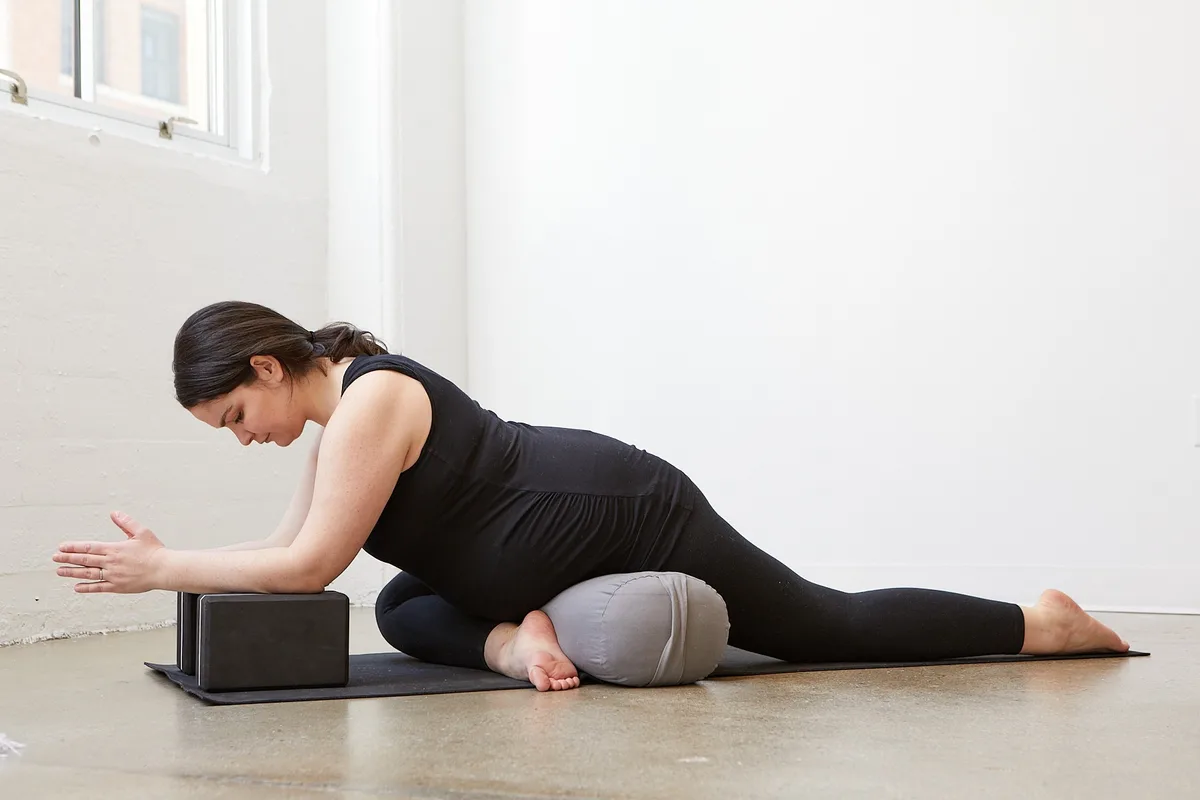
Modified strength training builds essential muscle. Use light weights or resistance bands. Focus on form over load.
Exercises like squats help labor positioning. Ensure you don’t hold your breath. Exhale during effort.
This prevents pressure spikes in the abdomen.
The Red Flags: Absolute Contraindications and When to Stop Immediately
Some conditions forbid exercise entirely. Placenta previa blocks the cervix. Movement can trigger severe bleeding.
Cervical insufficiency risks premature labor. Incompetent cerclage requires strict rest. These are absolute stops.
No amount of "gentleness" overrides them.
Relative contraindications need careful management. Uncontrolled hypertension demands monitoring. Severe anemia limits oxygen delivery.
Multiple gestation pregnancies carry higher risks. Discuss these with your doctor. They may approve modified activities only.
Watch for immediate stop signs. Vaginal bleeding is never normal. Leaking amniotic fluid requires emergency care.
Dizziness suggests low blood sugar or blood pressure drops. Chest pain indicates cardiac stress. Muscle weakness affecting balance poses fall risks.
Uterine contractions signal preterm labor.
If any red flag appears, stop instantly. Call your healthcare provider. Do not try to push through.
Your safety and your baby’s health come first. Ignoring these warnings leads to hospitalization. Respect the urgency of these symptoms.
They are your body’s alarm system screaming for attention. Listen closely and act fast. Delaying care worsens outcomes significantly.
Your First 150 Minutes: A Step-by-Step Weekly Plan for New Beginners
Start small. Ten minutes per day beats one hour once a week. Consistency builds endurance safely.
Break sessions into three ten-minute chunks if needed. This keeps fatigue manageable. Spread activity throughout the day.
Week one focuses on baseline assessment. Walk for five minutes. Note how you feel.
Increase by two minutes each subsequent session. By week four, aim for twenty minutes continuously. Add swimming or cycling twice weekly.
Mix modalities to prevent boredom.
Track your perceived exertion rate. Aim for a four or five out of ten. You should feel warm but not exhausted.
Rest days are crucial. Muscles repair during downtime. Schedule at least two full rest days weekly.
Active recovery includes stretching or breathing exercises.
| Day | Activity | Duration | Intensity Goal |
|---|---|---|---|
| Mon | Brisk Walking | 15 mins | Talk Test Pass |
| Tue | Rest / Stretching | 10 mins | Low Effort |
| Wed | Swimming | 20 mins | Moderate Flow |
| Thu | Rest | N/A | Full Recovery |
| Fri | Stationary Bike | 15 mins | Steady Cadence |
| Sat | Family Walk | 30 mins | Leisure Pace |
| Sun | Prenatal Yoga | 20 mins | Mindful Breath |
Adjust based on trimester changes. Second trimester allows longer durations. Third trimester requires shorter bursts.
Listen to pelvic floor feedback. Heaviness means stop. Progress slowly.
Rushing invites injury. Patience pays off in stronger labor stamina.
Biomechanical Pitfalls: How Relaxin and Diastasis Recti Sabotage Form
Relaxin loosens connective tissue everywhere. Your hips widen naturally. This alters gait mechanics.
Feet may splay outward. Watch for knee valgus collapse. Keep alignment neutral.
Engage glutes to stabilize pelvis. Poor form strains lower back muscles excessively.
Diastasis recti separates abdominal muscles. Standard crunches worsen this separation. Avoid traditional sit-ups entirely.
Focus on transverse abdominis engagement. Practice belly bracing gently. Imagine drawing your navel toward spine.
Hold briefly while exhaling. Never bear down.
Supine hypotensive syndrome affects lying positions. After sixteen weeks, avoid flat-back exercises. The uterus compresses the vena cava.
Blood flow drops sharply. Use inclines or side-lying poses instead. Modify plank angles.
Elevate hands on walls or counters. Reduce core load significantly.
Balance challenges increase with belly growth. Single-leg stands become risky. Hold onto a chair for support.
Widen your stance base. Lower your center of gravity. Move deliberately.
Fast movements cause falls. Stability trumps speed always. Protect your joints from unexpected twists.
Listening to Your Body: Distinguishing Normal Discomfort from Danger Signs
Pregnancy brings unique sensations that can confuse beginners. Round ligament pain feels like sharp stitches in your lower abdomen. This happens as uterus growth stretches supporting tissues.
It’s uncomfortable but rarely dangerous if brief. Slow down your movement when it strikes.
Muscle soreness differs from joint instability. Soreness builds gradually after new activity. Joint pain often hits suddenly during twisting motions.
If you feel clicking or popping in hips, stop immediately. That signals laxity exceeding safe limits. Pushing through this risks long-term damage.
Fatigue is another key indicator. Extreme tiredness isn’t just laziness. It may signal anemia or thyroid issues.
Check your iron levels with your provider. Don’t ignore persistent exhaustion. Rest is productive work during pregnancy.
Heart rate irregularities warrant caution. Palpitations happen due to increased blood volume. Occasional flutters are normal.
Sustained racing hearts need medical review. Track these episodes carefully. Share logs with your obstetrician promptly.
Use the talk test consistently. You should speak full sentences easily. Gasping for air means intensity is too high.
Dial back effort instantly. Breathing control protects both mother and baby. Never sacrifice form for duration.
Frequently Asked Questions About Pregnancy Fitness Safety
Can I exercise if I didn’t before getting pregnant?
Yes, but start very slowly. Begin with five-minute walks. Gradually increase time by two minutes weekly.
Consult your doctor first. They assess your specific health baseline. Consistency matters more than speed.
Is it safe to lift weights while pregnant?
Light lifting is generally fine. Avoid heavy loads that strain the core. Focus on higher reps with less weight.
Keep elbows close to body. Exhale during exertion phases. Never hold your breath under tension.
What exercises should I avoid completely?
Skip contact sports like soccer or basketball. Avoid activities with high fall risk. Steer clear of hot yoga classes.
Don’t lie flat on your back after sixteen weeks. These pose unnecessary dangers to fetal development.
How do I know if I’m overdoing it?
Watch for vaginal bleeding or fluid leak. Dizziness, headache, or chest pain are red flags. Contractions lasting more than an hour signal trouble.
Stop exercising immediately. Contact your healthcare provider right away. Err on the side of caution.

Similar Posts