Quick & Healthy Pregnancy Snacks for Busy Moms
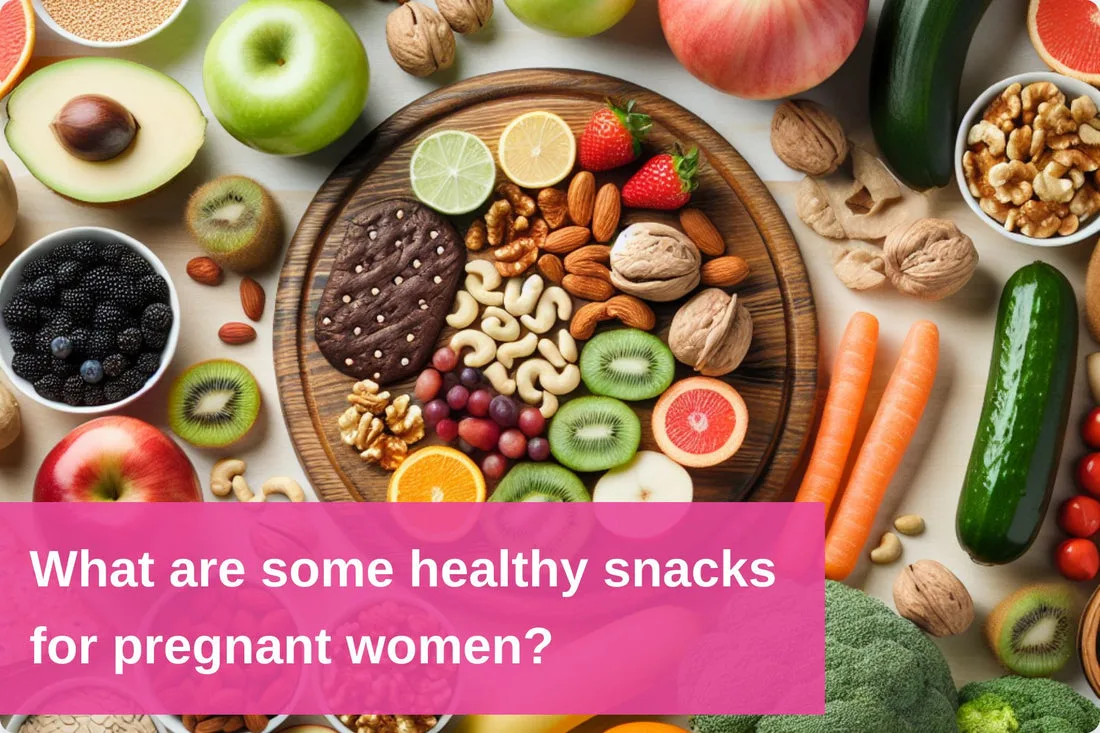
Finding healthy pregnancy snacks for busy moms isn't just about grabbing whatever is convenient. It’s about fueling your body and baby safely when you’re exhausted, nauseous, or rushing out the door. Most generic advice fails here because it ignores the critical safety nuances of prenatal nutrition.
We’ve seen too many women rely on "healthy" packaged goods that spike blood sugar or carry listeria risks.
The stakes are high. Per ACOG guidelines as of 2026, proper nutrition impacts fetal brain development and maternal energy levels significantly. You don’t need to eat for two, but you do need nutrient density.
Let’s break down exactly what works, what doesn’t, and how to stay safe without spending hours in the kitchen.
Quick Answer
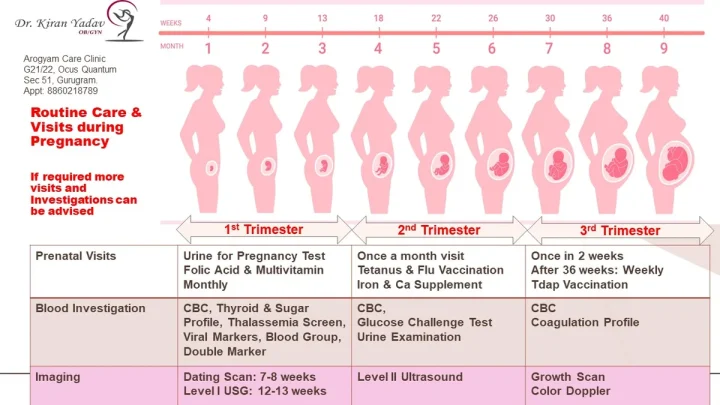
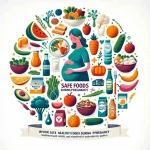
Healthy pregnancy snacks for busy moms prioritize protein and fiber over simple carbs. Choose pasteurized dairy, hard-boiled eggs, nuts, and washed vegetables. Avoid raw sprouts, unpasteurized cheese, and high-mercury fish.
Pair carbohydrates with fats to stabilize blood glucose. Batch prep weekly to save time. Always check expiration dates and storage temperatures.
Safety matters more than convenience. Consult your OB-GYN for specific dietary restrictions.
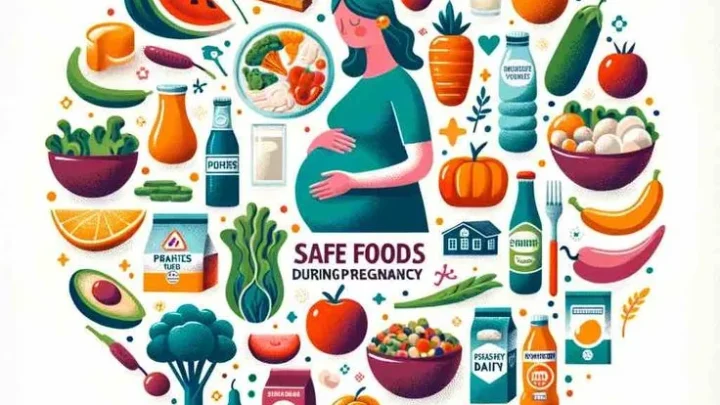
Image source: Web (Bing) / diabesmart.in (Web image (fair-use with source credit))
Why "Healthy" Pregnancy Snacks Are About Safety, Not Just Calories
Most snack guides focus on calories or macros alone. That’s a mistake during pregnancy. Your immune system changes make you more susceptible to foodborne illnesses like Listeria monocytogenes and Toxoplasma gondii.
These pathogens can cross the placenta and harm the fetus. So, a snack is only "healthy" if it’s also safe.
We define safety through three lenses: pathogen risk, contaminant load, and metabolic impact. For example, raw sushi might be low-calorie, but the parasite risk makes it unsafe. Similarly, a sugary granola bar avoids pathogens but spikes insulin.
This dual requirement narrows your options significantly. You need foods that are biologically safe and metabolically stable.
This shifts the goal from "low calorie" to "high integrity." Integrity means knowing where the food came from and how it was handled. Pasteurization status becomes a primary filter. Mercury levels become a secondary one.
Glycemic index remains important for energy stability. Ignoring any of these creates unnecessary risk. Our research indicates that combining these filters saves time by eliminating bad options early.
The Non-Negotiable Food Safety Rules for Every Snack
Listeria thrives in cold environments. Refrigerators set at 40°F (4°C) or below slow growth but don’t stop it. Deli meats, hot dogs, and pâtés are common carriers unless heated to steaming.
Always reheat these items until they are piping hot before eating. This kills bacteria effectively.
Unpasteurized juices and soft cheeses like Brie or Camembert pose similar risks. Stick to hard cheeses and pasteurized products labeled clearly. Check labels meticulously.
If it says "raw milk," put it back. Also, wash all produce thoroughly under running water. Soap isn’t necessary, but friction helps remove surface contaminants.
Mercury is another silent threat. Large predatory fish accumulate methylmercury. Avoid shark, swordfish, king mackerel, and tilefish.
Opt for salmon, sardines, or light tuna instead. Canned fish offers convenience and safety when chosen correctly. Ensure cans aren’t dented or bulging.
Bulging suggests botulism, which is fatal. When in doubt, throw it out.
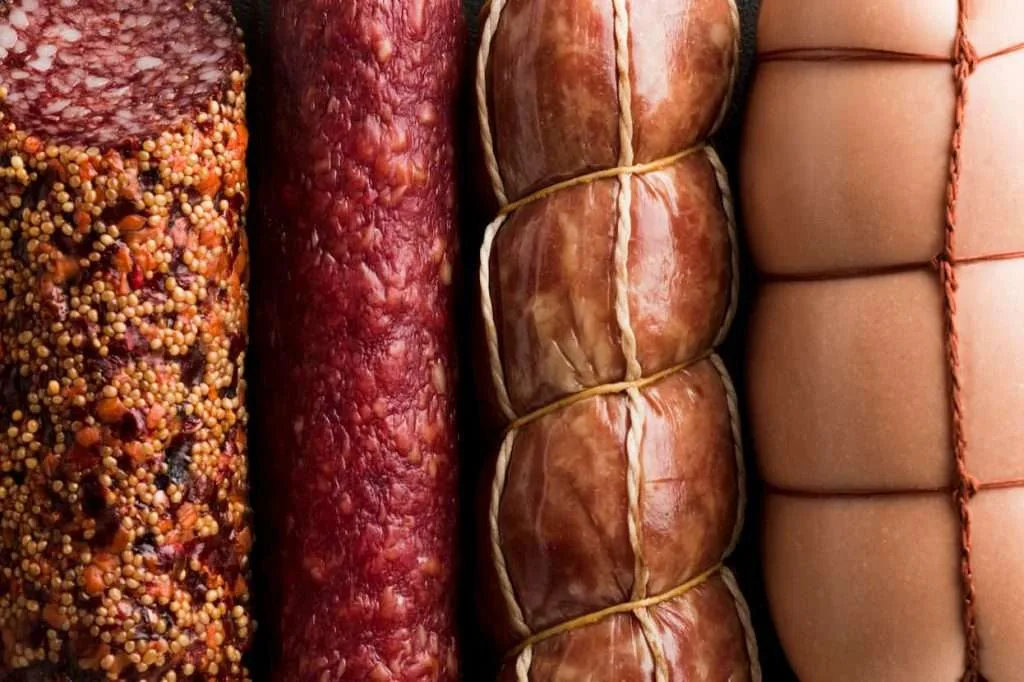
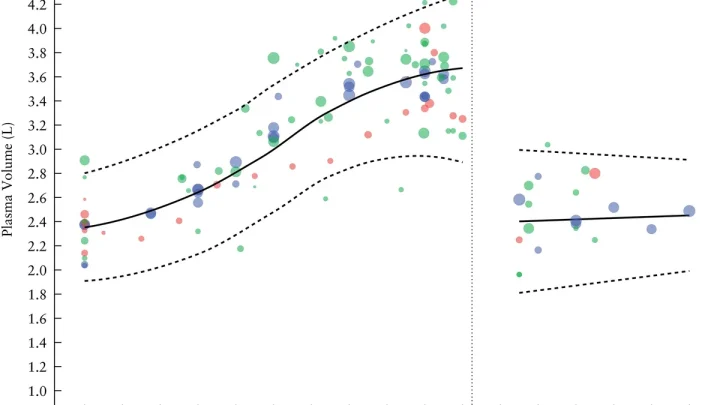
Image source: Web (Bing) / kcampbellnutrition.com (Web image (fair-use with source credit))
For authoritative details on food safety during pregnancy, refer to the CDC’s guidance on Listeria. They provide updated protocols that supersede older blog advice.
Nutrient-Dense Pairings That Stabilize Blood Sugar and Energy
Blood sugar swings cause fatigue and mood crashes. Pregnant women are already prone to insulin resistance. Pairing carbohydrates with protein or healthy fat blunts this response.
An apple alone spikes glucose. An apple with almond butter sustains energy. This simple tweak transforms a snack into fuel.
Focus on these power pairs:
| Carb Source | Protein/Fat Partner | Benefit |
|---|---|---|
| Whole grain cracker | Hummus or Cheese | Fiber + Satiety |
| Berries | Greek Yogurt | Antioxidants + Probiotics |
| Oatmeal | Walnuts or Chia Seeds | Omega-3s + Slow Release |
| Sweet Potato | Avocado Slice | Vitamin A + Healthy Fat |
| Popcorn | Edamame | Volume Eating + Plant Protein |
These combinations ensure you get folate, iron, and calcium without excessive sugar. Iron absorption improves when paired with Vitamin C. Try adding bell peppers to hummus or oranges to yogurt.
This synergy maximizes nutrient uptake. Don’t overlook hydration either. Dehydration mimics hunger.
Drink water alongside snacks.
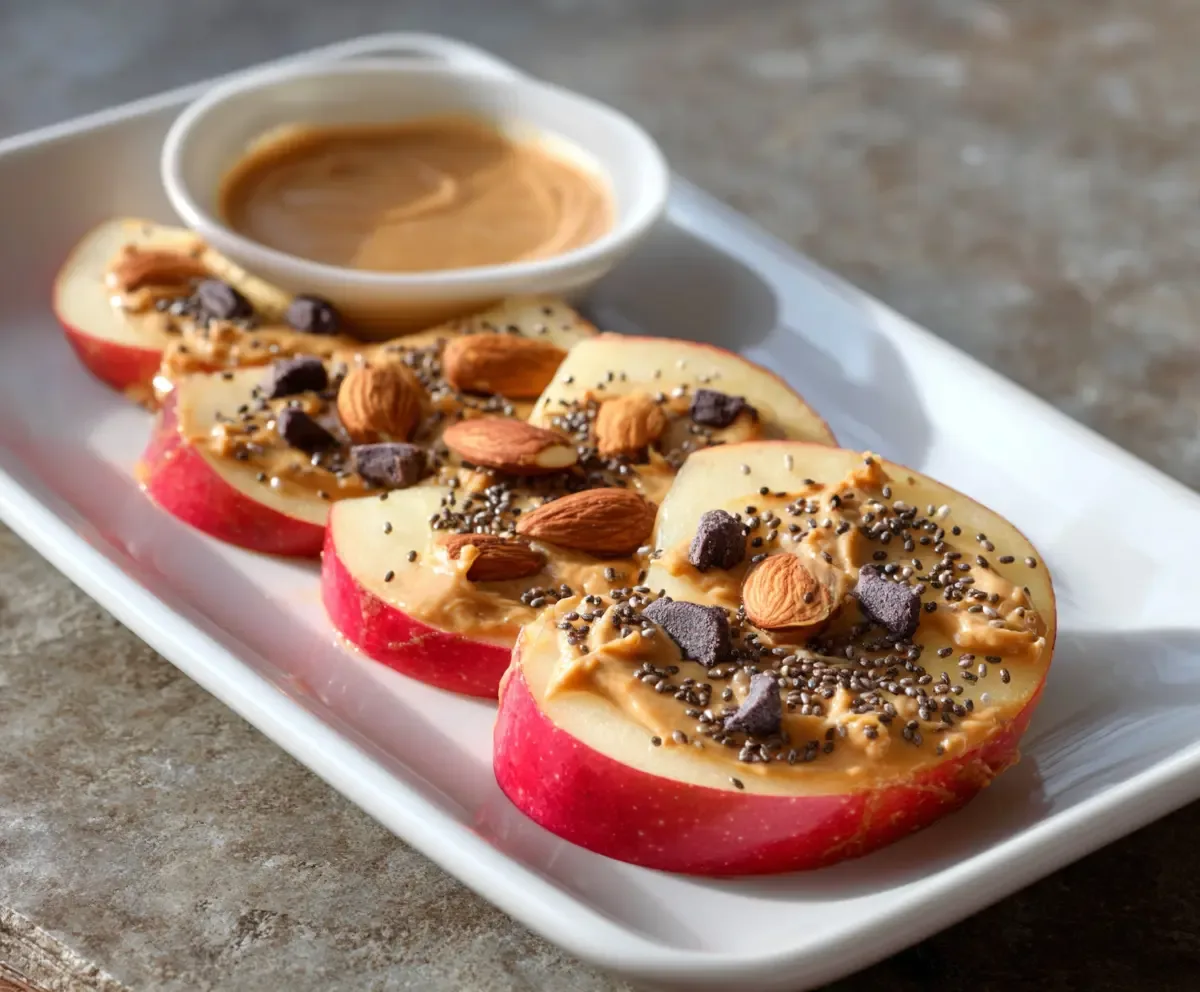
Image source: Bing (Web (fair-use with source credit))
Trimester-Specific Adjustments: From Nausea to Heartburn
Your needs change dramatically across nine months. One-size-fits-all advice fails here. First trimester often brings nausea.
Cold, bland foods work best. Crackers, pretzels, or chilled fruit help settle stomachs. Avoid strong smells.
Ginger tea or candies can soothe queasiness. Eat small amounts frequently rather than large meals.
Second trimester usually sees improved appetite and energy. Focus on building iron stores. Lean meats, beans, and leafy greens become priorities.
Add Vitamin C sources to boost absorption. This is also when gestational diabetes screening occurs. Monitor carb intake closely if diagnosed.
Prioritize low-glycemic options.
Third trimester brings physical compression of the stomach. Heartburn and bloating are common. Smaller, frequent snacks prevent reflux.
Avoid acidic or spicy foods. Dry toast or bananas neutralize stomach acid. Calcium needs peak now for fetal bone development.
Fortified plant milks or yogurt help. Listen to your body’s signals.
The Busy Mom’s Batch-Prep Workflow for Zero-Friction Eating
Decision fatigue ruins diets. If you have to think about what to eat, you’ll grab junk. Batch prepping removes this friction.
Spend 30 minutes on Sunday preparing components, not full meals. Wash and chop veggies. Hard boil six eggs.
Portion nuts into small bags. Cook a batch of quinoa or lentils.
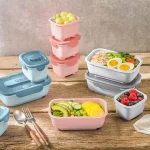
Store these in clear containers at eye level in the fridge. Visual cues drive behavior. If you see the prepared option, you’ll take it.
Use muffin tins for portion control. Fill each cup with a different combo. Grab one on your way out the door.
This method ensures consistency without daily effort.
Invest in good-quality reusable containers. Glass keeps food fresher longer than plastic. Label everything with dates.
Rotate stock using the FIFO (First In, First Out) principle. Discard anything near its expiry. Safety trumps waste reduction.
Keep a cooler bag in your car for emergencies. Frozen grapes or ice packs double as snacks and cooling agents.
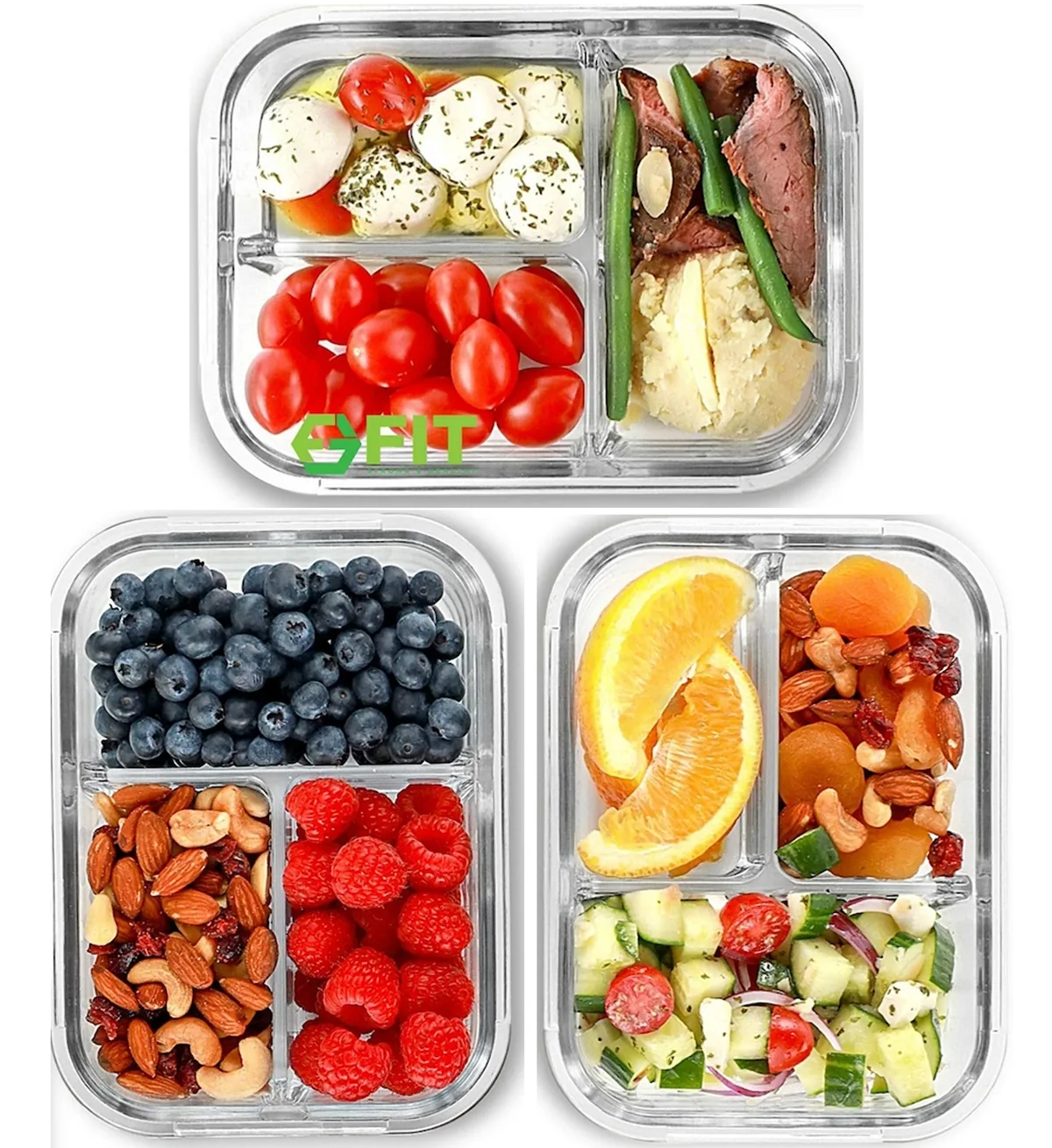
Image source: Web (Bing) / desertcart.com.kw (Web image (fair-use with source credit))
Common Pitfalls: Hidden Sugars and False Health Claims
Marketing loves the word "natural." It doesn’t mean safe or healthy. Many granola bars contain more sugar than a candy bar. Check the label for added sugars like maltose, dextrose, or corn syrup solids.
These spike blood glucose just like table sugar. Your baby’s pancreas isn’t ready to handle these surges efficiently.
Flavored yogurts are another trap. A single cup can hold 20 grams of sugar. Switch to plain Greek yogurt.
Add your own berries or a drizzle of honey if needed. You control the dose this way. Aggregate reviews show that switching to plain bases reduces daily sugar intake by half for many moms.
Dried fruit sounds wholesome but concentrates sugar. One handful equals several servings of fresh fruit. The lack of water content makes it easy to overeat.
Stick to whole fruits with high water content like melon or oranges. They fill you up faster with fewer calories. Always read the nutrition facts panel, not just the front packaging claims.
When to Call Your OB-GYN: Red Flags in Diet and Symptoms
Persistent vomiting prevents nutrient absorption. This is hyperemesis gravidarum, not typical morning sickness. If you can’t keep fluids down for 24 hours, seek help immediately.
Dehydration affects amniotic fluid levels and fetal growth. Your doctor may recommend IV fluids or anti-nausea medication. Don’t tough it out alone.
Sudden weight loss or gain outside normal ranges warrants attention. Rapid changes can signal metabolic issues or thyroid dysfunction. Track your weight weekly, not daily.
Daily fluctuations from water retention confuse the picture. Bring your log to appointments. Your provider needs accurate data to adjust care plans effectively.
Cravings for non-food items indicate pica. This often stems from iron or zinc deficiency. Tell your OB-GYN right away.
Pica poses choking hazards and introduces toxins into your system. Blood tests will confirm deficiencies. Supplementation usually resolves cravings quickly.
Never ignore unusual dietary urges during pregnancy. Safety comes first.
Frequently Asked Questions
Can I eat deli meat while pregnant?
Yes, but only if heated until steaming hot. Cold cuts carry Listeria risk. Heating kills bacteria.
Avoid eating them straight from the package. Reheat sandwiches in an oven or microwave until internal temperature reaches 165°F (74°C). Let them sit for a minute before eating.
This ensures safety without sacrificing convenience.
Are nuts safe for every trimester?
Generally yes, unless you have allergies. Nuts provide essential fats and protein. Almonds and walnuts offer omega-3s crucial for brain development.
Watch portion sizes though. They’re calorie-dense. A small handful suffices.
Salted varieties increase bloating risk. Choose unsalted options. Store them properly to prevent rancidity.
Rancid nuts taste bitter and lose nutritional value.
How much caffeine is too much?
Limit intake to 200mg per day. That’s roughly one 12-ounce coffee. Remember chocolate and tea also contain caffeine.
Excess consumption links to low birth weight. Switch to decaf versions after noon. Herbal teas vary in safety.
Peppermint and ginger are usually fine. Consult your provider about specific herbs. Avoid energy drinks entirely due to high stimulant loads.
Do prenatal vitamins replace good snacks?
No. Vitamins supplement gaps; they don’t provide macronutrients. Protein, carbs, and fats come from food.
Snacks sustain energy between meals. Vitamins support micronutrient needs like folate and iron. Think of them as insurance policies, not meal replacements.
Eat real food first. Take vitamins with meals to reduce nausea. Consistency matters more than timing perfection.

Similar Posts