Stay Hydrated During Pregnancy: Simple Tips for Mom & Baby
Figuring out how to stay hydrated during pregnancy feels harder than it should. You’re told to drink water, but your body is doing something entirely new. Blood volume expands rapidly.
Your kidneys work overtime. Nausea makes swallowing difficult.
Standard advice often misses these nuances. We’ve seen too many women swing between dehydration and dangerous overhydration. The goal isn’t just volume.
It’s balance. Getting the electrolyte mix right protects both you and your baby. As of 2026, clinical guidelines emphasize precision over guesswork.
Let’s break down what actually works for your changing physiology.
Why Standard Hydration Advice Falls Short in Pregnancy
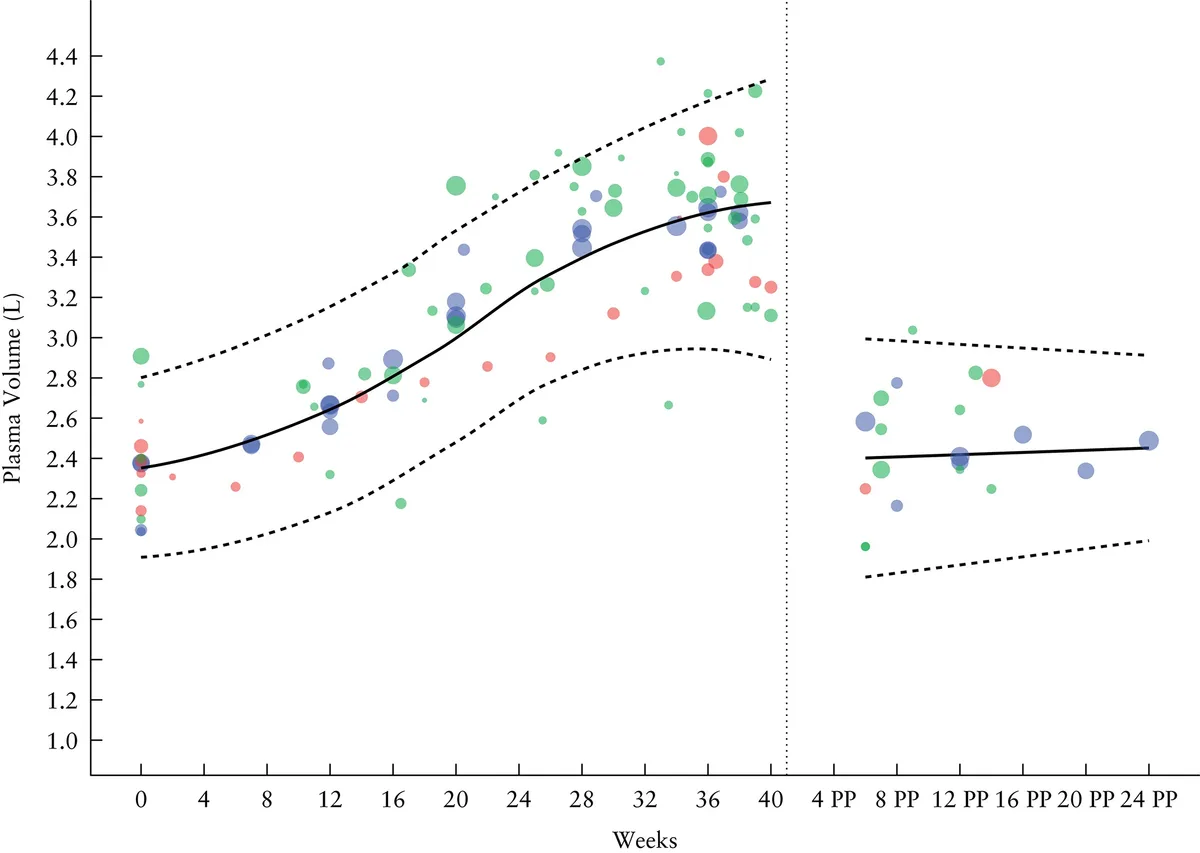
Generic health tips assume a static body. Pregnancy changes everything. Your total blood volume increases by 40 to 50 percent by mid-pregnancy.
This surge demands more fluid intake. But it also alters how your body processes sodium and potassium.
Plain water alone can dilute essential electrolytes. This leads to hyponatremia. That condition causes headaches, fatigue, and confusion.
It mimics other pregnancy symptoms, making diagnosis tricky. Doctors at ACOG warn against ignoring these shifts.
Your thirst mechanism becomes less reliable. Hormonal changes suppress the urge to drink. You might feel fine while technically dehydrated.
Relying solely on thirst leaves gaps. You need proactive strategies that account for metabolic speed.
Image source: Web (Bing) / obgyn.onlinelibrary.wiley.com (Web image (fair-use with source credit))
Quick Answer
To stay hydrated during pregnancy, aim for 10 cups of fluids daily. Prioritize electrolyte-balanced drinks over plain water if nauseous. Monitor urine color closely.
Seek medical help if vomiting persists beyond 24 hours. Small, frequent sips prevent overload. Combine water-rich foods with beverages.
Avoid excessive caffeine. Listen to your body’s unique signals rather than rigid rules.
The Real Numbers: How Much Fluid You Actually Need
The Institute of Medicine recommends about 2.3 liters (roughly 10 cups) of total fluids per day. This includes water, milk, juice, and soups. Active pregnant women or those in hot climates may need an extra 0.5 to 1 liter.
Don’t obsess over exact milliliters. Consistency matters more than volume spikes. Drinking three liters in one sitting stresses your kidneys.
Spreading intake throughout the day maintains steady plasma levels.
| Activity Level | Daily Fluid Target | Key Adjustment |
|---|---|---|
| Sedentary | 2.3 Liters | Focus on consistent sipping |
| Moderate Exercise | 2.8 Liters | Add electrolytes post-workout |
| Hot/Humid Climate | 3.0+ Liters | Increase salt intake slightly |
| Hyperemesis | Variable | Medical supervision required |
These figures serve as baselines. Your OB-GYN might adjust them based on your weight and health history. Always prioritize their specific guidance over general internet averages.
Water Isn’t Enough: Managing Electrolytes and Nausea
Morning sickness complicates hydration. Vomiting strips sodium and potassium from your system. Replacing lost fluids with plain water worsens the imbalance.
You need oral rehydration solutions (ORS). These contain precise ratios of glucose and salts.
Commercial sports drinks often have too much sugar. High sugar loads spike insulin and can trigger gestational diabetes risks. Look for low-sugar options designed for medical rehydration.
Coconut water offers natural potassium but lacks sufficient sodium. Pair it with a salty snack like pretzels.
Ginger tea helps settle nausea without adding caffeine. Peppermint soothes the stomach lining. Both count toward your daily fluid intake.
Sip slowly. Gulping triggers gag reflexes. Keep ice chips nearby for moments when drinking feels impossible.
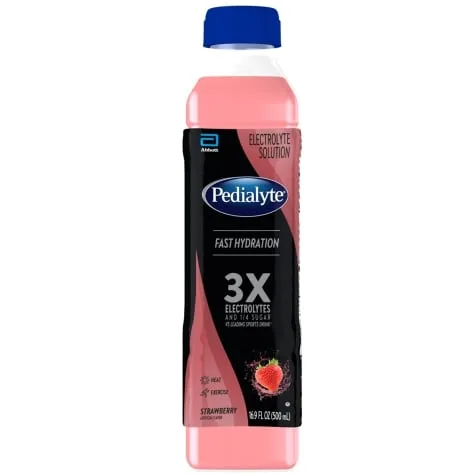
Image source: Web (Bing) / familydollar.com (Web image (fair-use with source credit))
Decoding Your Body’s Signals: Urine Color vs. Thirst
Thirst is a lagging indicator. By the time you feel parched, you’re already mildly dehydrated. Urine color provides real-time feedback.
Aim for pale yellow, similar to lemonade. Dark amber signals significant deficit. Clear urine means you’re overdoing it.
Test strips offer objective data. They measure specific gravity. Values above 1.020 suggest concentration issues.
Normal range sits between 1.005 and 1.025. Check first morning urine. It reflects overnight hydration status accurately.
Ignore odor alone. Vitamins alter smell drastically. Prenatal multivitamins turn urine bright neon yellow.
This looks alarming but indicates excess riboflavin excretion. It doesn’t mean dehydration. Trust color and frequency over scent.
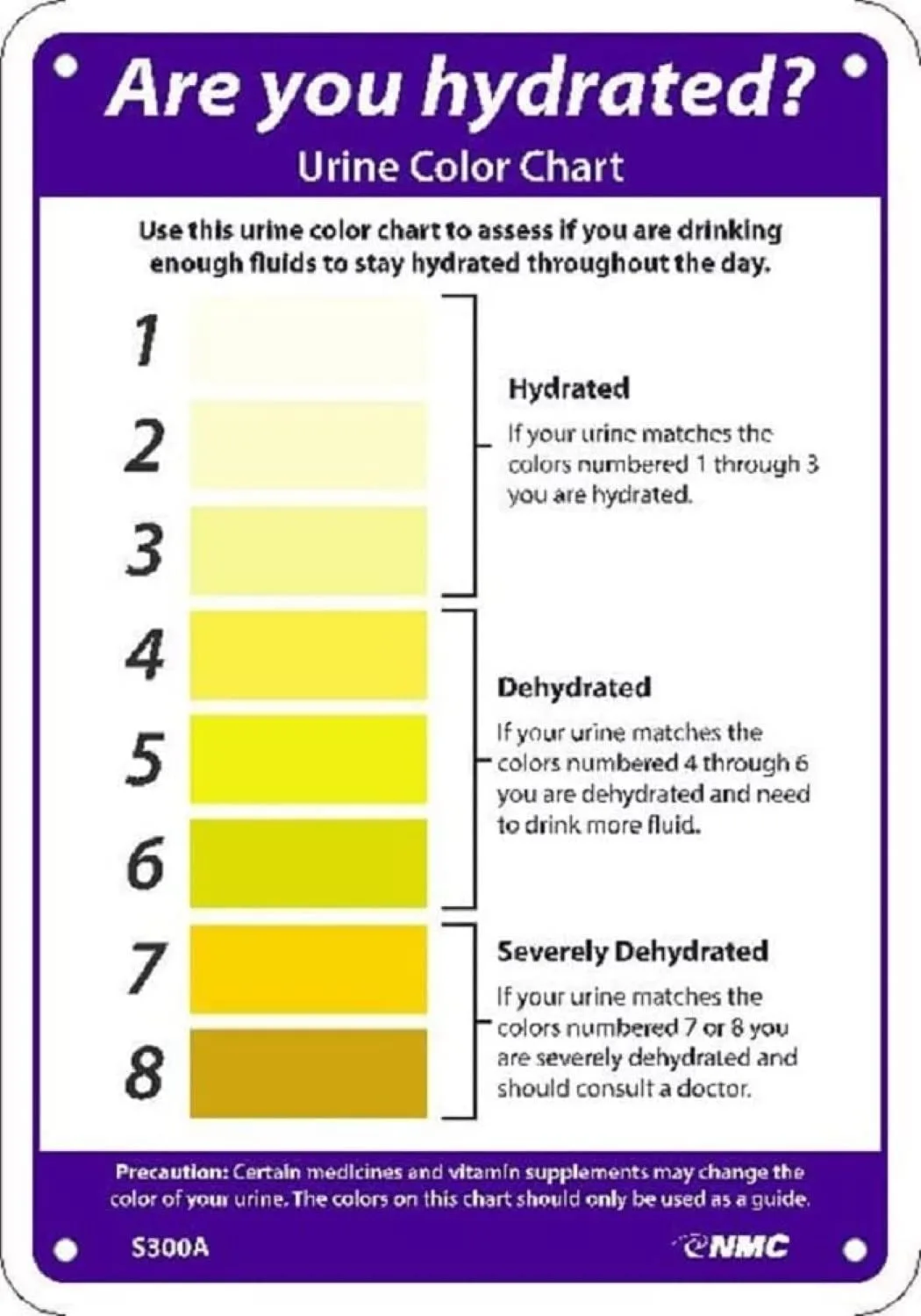
Image source: Web (Bing) / snapklik.com (Web image (fair-use with source credit))
When to Stop Self-Treating: Red Flags for Hyperemesis
Hyperemesis gravidarum requires immediate medical attention. Persistent vomiting prevents oral rehydration. Signs include losing more than five percent of pre-pregnancy weight.
You’ll notice ketones in urine. This indicates starvation mode.
Dehydration accelerates contractions. Low fluid volume reduces placental perfusion. If you experience dizziness upon standing, seek care.
Rapid heart rate exceeds 100 bpm at rest. Confusion or fainting spells demand emergency evaluation.
Do not wait for symptoms to resolve naturally. IV fluids restore balance faster than oral methods. Early intervention protects fetal development.
Call your provider if you cannot keep liquids down for twelve hours. Prompt treatment prevents hospitalization complications.
Common Mistakes That Sabotage Hydration Efforts
Many women mistake edema for overhydration. Swelling in ankles and hands is normal due to increased blood volume. Cutting fluids worsens the problem.
Dehydrated tissues hold onto water more tightly. You need consistent intake to flush excess sodium effectively.
Another error involves relying on caffeine as a hydrator. Coffee and tea have mild diuretic effects. While moderate consumption is safe, they don't replace water.
Limit yourself to 200 mg daily. Track this amount carefully across all sources.
Some try to chug large volumes quickly to catch up. This overwhelms your kidneys. They can only process about one liter per hour safely.
Excess fluid gets excreted immediately without proper absorption. Sip steadily instead of gulping sporadically.
Finally, ignoring food-based hydration limits your options. Fruits like watermelon and cucumbers are over 90 percent water. Broths provide necessary salts alongside fluids.
Don't view hydration strictly as a beverage challenge. Integrate moisture-rich foods into every meal plan.
FAQ: Quick Answers for Specific Pregnancy Scenarios
Can I drink too much water?
Yes. Overhydration dilutes sodium levels dangerously. This causes hyponatremia.
Symptoms include confusion and seizures. Stick to recommended daily targets. Listen to your body’s thirst cues.
Avoid forcing excessive amounts unnecessarily.
Does sparkling water count as hydration?
Absolutely. Carbonation doesn’t reduce hydrating properties. Some women find it easier to tolerate during nausea.
Ensure it lacks added sugars or artificial sweeteners. Plain seltzer works perfectly fine. Check labels for hidden sodium content if hypertensive.
How does heat affect my needs?
Hot weather increases sweat loss significantly. You lose electrolytes rapidly through perspiration. Increase fluid intake by at least 500 ml.
Add salty snacks to replenish sodium. Stay indoors during peak afternoon hours. Use cooling towels to manage temperature.
Is coconut water better than sports drinks?
Coconut water has higher potassium but lower sodium. Sports drinks often contain excessive sugar. For mild dehydration, coconut water suffices.
Pair it with a pinch of sea salt. Severe cases require medical-grade ORS formulations. Choose based on symptom severity and duration.

Similar Posts