First Trimester Checklist: Essential Steps for New Moms

Finding a reliable first trimester checklist for new moms can feel overwhelming. You’re likely dealing with nausea, fatigue, and anxiety about whether everything is developing correctly. Most online lists are too generic to be truly helpful during these critical early weeks.
We’ve compiled this guide based on current clinical guidelines from the American College of Obstetricians and Gynecologists (ACOG). It focuses on safety, timing, and red flags rather than just lifestyle tips. Per ACOG standards as of 2026, proper prenatal care starts immediately upon confirmation.
Here is what you actually need to do next.
Quick Answer
A solid first trimester checklist includes confirming pregnancy via blood test, scheduling your initial OB-GYN visit by week 8, and starting prenatal vitamins with folic acid. You must also avoid alcohol, smoking, and high-mercury fish. Track symptoms like bleeding or severe pain closely.
If you experience heavy spotting or sharp abdominal pain, seek emergency care immediately. Early screening for genetic conditions happens between weeks 10 and 13. Stay hydrated and manage nausea with small, frequent meals.
This proactive approach ensures both maternal and fetal safety during the most vulnerable developmental stage.
Why Your First Trimester Checklist Isn’t Just a To-Do List
Many women treat early pregnancy like a simple administrative task. They book an appointment and wait. That’s a mistake.
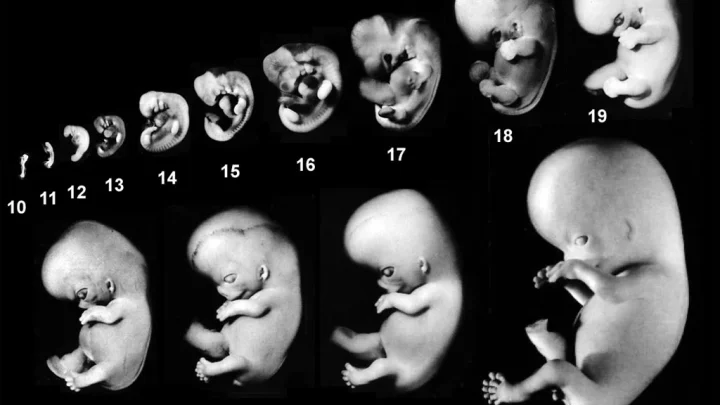
The first twelve weeks involve rapid organ formation and significant hormonal shifts that affect your entire body system.
This isn’t about checking boxes. It’s about risk management. You’re establishing a baseline for your health.
Missing key screenings here can delay critical interventions later. For instance, undiagnosed thyroid issues in early pregnancy can impact fetal brain development.
Think of this period as laying the foundation. If the base is shaky, the rest of the pregnancy becomes harder to manage. We focus on evidence-based actions that protect you and your baby.
Ignoring subtle symptoms now often leads to bigger problems in the second trimester. Precision matters more than speed.
Image source: Web (Bing) / rawpixel.com (Web image (fair-use with source credit))
The Critical Weeks 4–8: Confirming Viability and Starting Safely
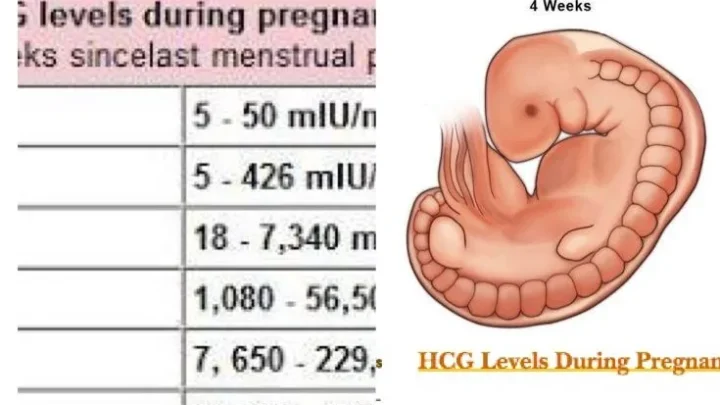
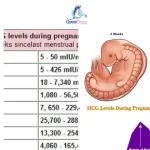
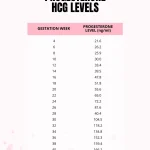
Weeks four through eight are when embryonic development accelerates fastest. Your provider will likely order a quantitative beta-hCG blood test. This measures hormone levels to confirm the pregnancy is progressing normally.
You’ll also need a dating ultrasound. This scan determines gestational age accurately. It checks for a heartbeat and rules out ectopic pregnancy.
An ectopic implantation is life-threatening if not caught early.
Start taking prenatal vitamins immediately if you haven’t already. Folic acid is crucial here. It prevents neural tube defects like spina bifida.
The recommended dose is 400 to 800 micrograms daily. Higher doses may be needed if you have a family history.
Review all medications with your doctor. Some common drugs are teratogenic, meaning they cause birth defects. NSAIDs like ibuprofen should generally be avoided.
Acetaminophen is usually safer for pain relief. Always consult your provider before stopping prescribed meds.
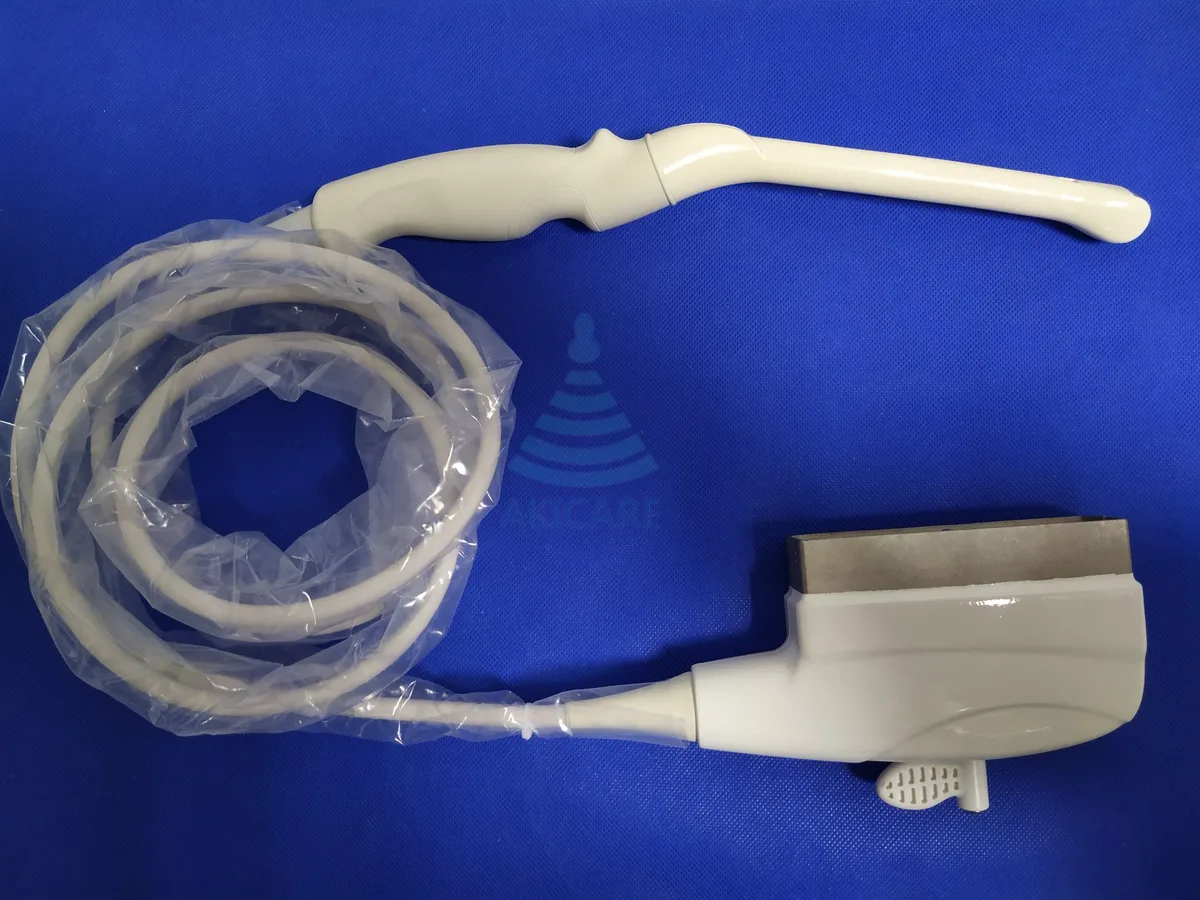
Image source: Web (Bing) / akicare.en.made-in-china.com (Web image (fair-use with source credit))
Weeks 9–12: Navigating Genetic Screening and Lifestyle Shifts
By week nine, the embryo is called a fetus. Major organs are formed. Now is the time to discuss genetic screening options.
These tests assess the risk of chromosomal abnormalities like Down syndrome.
Cell-free DNA (cfDNA) testing, often called NIPT, is available after ten weeks. It analyzes fetal DNA in your blood. It’s highly accurate for common trisomies but is a screening tool, not diagnostic.
Diagnostic tests like Chorionic Villus Sampling (CVS) offer definitive answers but carry slight miscarriage risks.
Adjust your diet rigorously. Avoid unpasteurized cheeses, deli meats, and raw eggs. These foods pose listeria and salmonella risks.
Listeria infection can cause miscarriage or stillbirth even if you feel fine. Stick to fully cooked proteins and washed produce.
Limit caffeine intake to under 200 milligrams per day. That’s roughly one 12-ounce cup of coffee. Excess caffeine restricts blood flow to the placenta.
Hydration remains key to combating fatigue and preventing urinary tract infections.
Red Flags That Demand Immediate Medical Attention
Not all discomfort is normal. Knowing when to call your provider saves lives. Heavy vaginal bleeding is a primary warning sign.
Spotting can be harmless, but soaking a pad in an hour requires urgent evaluation.
Severe abdominal pain, especially on one side, suggests ectopic pregnancy or ovarian torsion. Do not wait for your next scheduled appointment. Go to the emergency room if pain is sharp and persistent.
Fever above 100.4°F indicates infection. Untreated infections can trigger preterm labor later.
Watch for signs of hyperemesis gravidarum. Normal morning sickness doesn’t prevent fluid retention. If you cannot keep water down for 24 hours, you risk dehydration and electrolyte imbalance.
Hospitalization for IV fluids may be necessary.
Mental health struggles are also red flags. Severe anxiety or depression needs professional support. Hormonal changes amplify mood disorders.
Reach out to your OB-GYN or a therapist immediately. Your emotional well-being impacts fetal development.
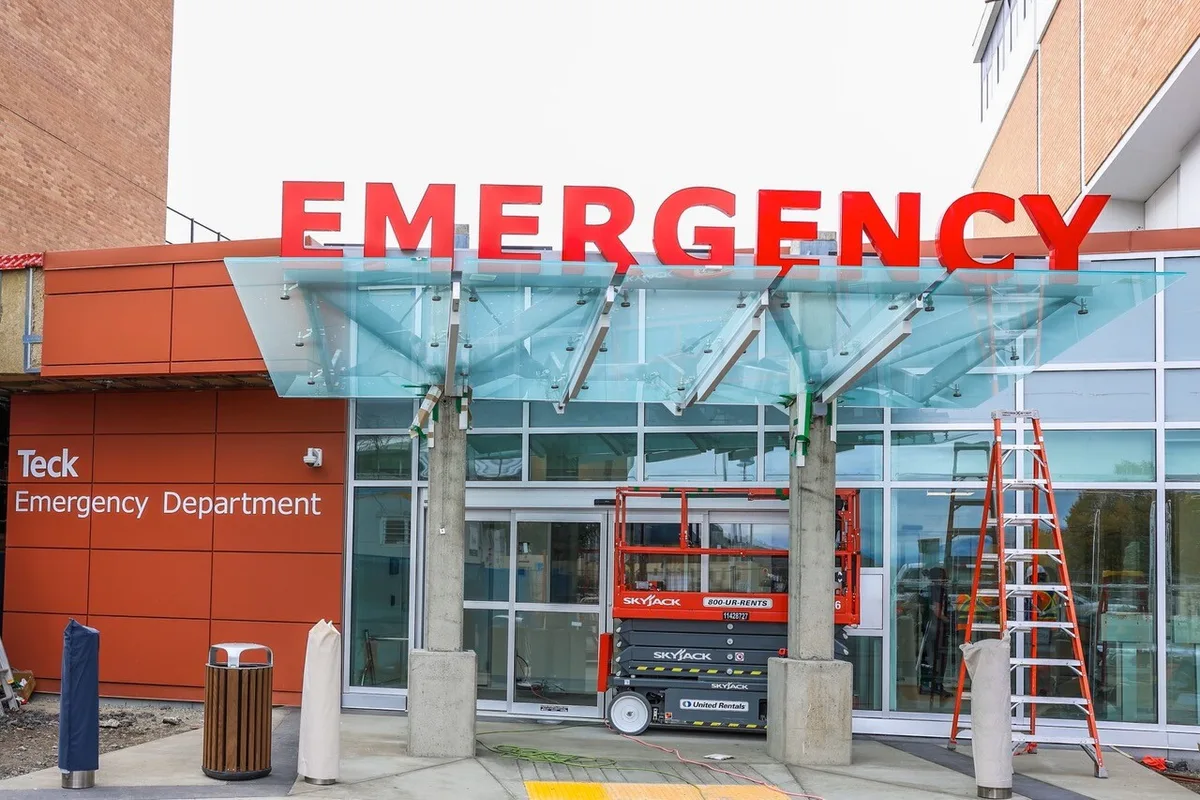
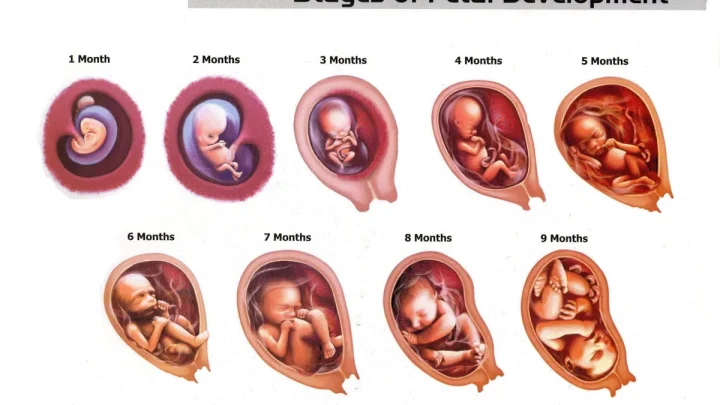
Image source: Web (Bing) / castanetkamloops.net (Web image (fair-use with source credit))
Common Pitfalls: Misinterpreting Symptoms and Missing Deadlines
One major error is assuming cramping means miscarriage. Mild uterine stretching causes round ligament pain. It feels like a sharp pull in the groin.
This is normal. Panic only adds stress hormones to your system. Trust your provider’s assessment over internet forums.
Another pitfall is delaying insurance verification. Prenatal care costs vary widely. Confirm coverage for ultrasounds and genetic testing early.
Surprise bills cause unnecessary stress. Contact your insurer to understand copays and deductibles before your first big appointment.
Women often skip dental checkups due to cost or fear. Poor oral health links to preterm birth. Gum disease increases inflammatory markers in the body.
Schedule a cleaning now. Inform your dentist you are pregnant so they adjust treatment plans accordingly.
Finally, don’t ignore environmental toxins. Lead paint, pesticides, and certain plastics disrupt hormones. Wear gloves while gardening.
Avoid hot tubs which raise core body temperature dangerously. High heat interferes with neural development in the first trimester.
Managing Nausea, Fatigue, and Emotional Volatility Without Burnout
Morning sickness affects nearly 80% of pregnant women. It often peaks around weeks nine to ten. You don’t have to suffer in silence.
Small, frequent meals stabilize blood sugar levels better than three large ones. Try keeping crackers by your bed before you even stand up.
Hydration is tricky when nausea hits hard. Sip ice chips or electrolyte drinks slowly throughout the day. Ginger supplements and acupressure wristbands offer relief for some.
If vomiting persists, ask your provider about Vitamin B6 or prescription anti-emetics like ondansetron. These are safe and effective when monitored properly.
Fatigue feels different here. It’s not just tiredness; it’s exhaustion. Your body works overtime building the placenta.
Listen to it. Sleep when you can. Lower your expectations for household chores.
Delegate tasks without guilt. Rest protects both your health and fetal development.
Emotional swings happen fast due to hormonal surges. Estrogen and progesterone fluctuate wildly. You might cry over minor inconveniences.
This is normal chemistry at work. Talk to your partner about these shifts. Consider joining a support group if isolation sets in.
Mental resilience matters as much as physical care during this phase.
Verified Summary: Your Actionable Path Forward
You’ve seen the milestones. Now let’s simplify the execution. Start with confirmation.
Get that beta-hCG test and schedule your dating scan immediately. Do not wait until week twelve. Early detection prevents complications.
Verify your insurance coverage for genetic screening options like NIPT. Know your costs upfront to avoid surprise bills later.
Next, optimize your environment. Remove teratogens from your daily routine. Switch to prenatal vitamins with adequate folic acid.
Limit caffeine strictly. Wash all produce thoroughly to prevent listeria exposure. Cook meats to internal temperatures recommended by food safety guidelines.
Avoid high-mercury fish entirely. Choose salmon or sardines instead for healthy omega-3 fats.
Finally, master symptom management. Track your nausea triggers. Prioritize sleep hygiene despite fatigue.
Build a support network now, not later. Prepare for emergencies by knowing local hospital protocols. Keep your provider’s after-hours number accessible.
Regular check-ins ensure everything stays on track. Follow this path consistently. It reduces anxiety and maximizes safety for you and your growing baby.
Trust the process. Stay informed. Act promptly on any red flags.
Your proactive approach defines a healthier pregnancy outcome.
Frequently Asked Questions
When should I call my doctor about bleeding?
Call immediately for heavy bleeding soaking a pad in an hour. Light spotting may be normal implantation or cervical irritation. However, bright red blood with clots or pain requires urgent evaluation.
Never assume it’s harmless without professional assessment. Err on the side of caution. Early intervention protects viability.
Document the color and amount before calling. This helps your provider triage quickly. Don’t drive yourself if dizzy or in severe pain.
Call emergency services if needed. Safety comes first always.
Is exercise safe during the first trimester?
Yes, moderate exercise is beneficial unless contraindicated. Walking, swimming, and prenatal yoga are excellent choices. Avoid contact sports or activities with fall risks.
High heat environments like hot yoga are dangerous. Stop if you feel dizzy or short of breath. Consult your OB-GYN for personalized limits.
Exercise boosts mood and energy levels significantly. It also prepares muscles for labor later. Listen to your body’s signals closely.
Consistency matters more than intensity right now. Stay hydrated during workouts always.
Can I take ibuprofen for headaches?
No, avoid NSAIDs like ibuprofen or naproxen. They can affect fetal kidney development and amniotic fluid levels. Acetaminophen is generally considered safer for occasional use.
Check dosage limits carefully with your pharmacist. Chronic headaches warrant medical investigation for preeclampsia signs. Don’t mask symptoms with medication alone.
Identify triggers like dehydration or poor sleep. Manage stress through relaxation techniques effectively. Always clear new medications with your provider first.
Self-medicating poses unnecessary risks during pregnancy. Prioritize non-drug remedies whenever possible.
What foods must I absolutely avoid?
Steer clear of unpasteurized dairy and soft cheeses. Deli meats and hot dogs need reheating to steaming. Raw or undercooked eggs, meat, and seafood pose infection risks.
High-mercury fish like shark and swordfish damage nervous systems. Alcohol has no known safe limit during pregnancy. Limit caffeine to 200mg daily maximum.
Wash fruits and veggies thoroughly to remove pesticides. Read labels for hidden additives regularly. Stick to cooked, pasteurized, and low-mercury options.
Food safety prevents serious complications later. Educate your household on these rules clearly.

Similar Posts