Early Pregnancy Symptoms: 10 Common Signs in First Trimester
Most people expect the first trimester to feel like a gentle adjustment, but for many, it’s a sudden shift in physiology. The pregnancy symptoms that are common in the first trimester often hit hard and fast, catching you off guard. You might feel exhausted by noon or nauseous at the sight of coffee.
These changes aren't just "in your head." They are driven by rapid hormonal surges that reshape how your body functions.
Understanding these signs helps you distinguish normal adaptation from potential complications. According to the American College of Obstetricians and Gynecologists (ACOG), nausea affects up to 80% of pregnant individuals in early stages. This data point highlights why knowing what is typical matters so much.
Let's break down exactly what your body is going through right now.
Why First-Trimester Symptoms Are More Than Just “Morning Sickness”
The Hormonal Engine Driving Your Body’s Changes
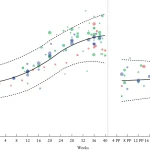
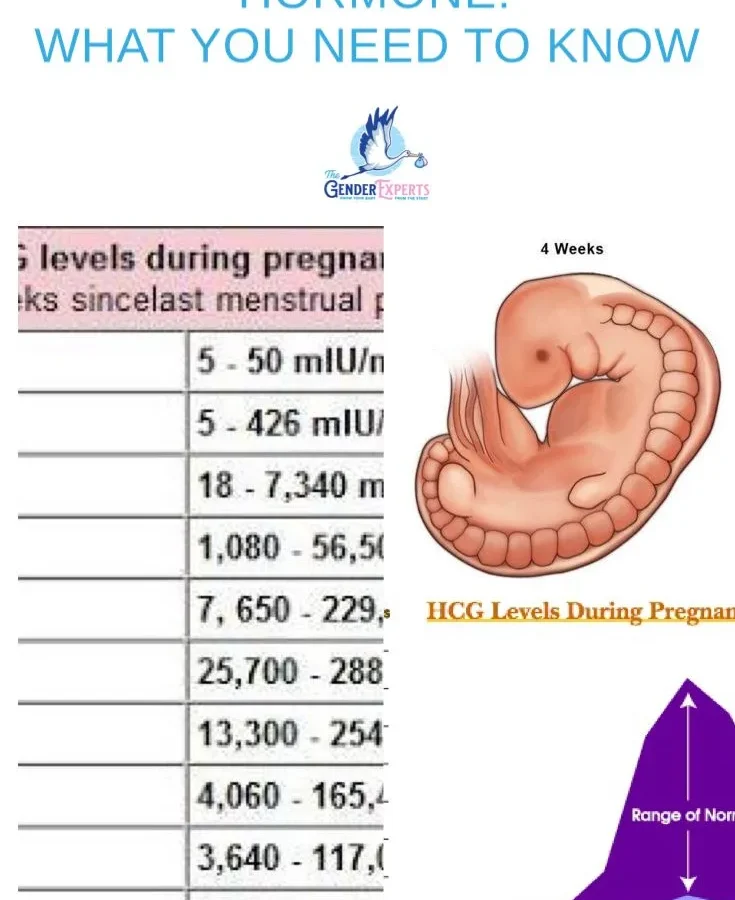
Your body isn't just reacting to a baby growing. It’s undergoing a systemic overhaul powered by hormones. Human chorionic gonadotropin (hCG) rises sharply after implantation, peaking around weeks 9 to 12.
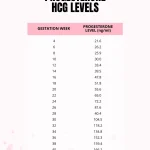
This hormone surge triggers most early symptoms, including nausea and breast tenderness. Progesterone also climbs rapidly, relaxing smooth muscles throughout your body. This relaxation causes digestion to slow, leading to bloating and constipation.
Estrogen levels increase too, boosting blood flow to your skin and mucous membranes. That’s why some women experience nasal congestion or heightened sense of smell. These hormonal shifts explain why symptoms vary wildly from person to person.
Some feel intense nausea, while others barely notice a thing. Both experiences are medically valid. As of 2026, clinical guidelines emphasize that symptom severity doesn't predict pregnancy outcome.
Don't panic if you don't feel sick every day. Your body is adapting efficiently, even if it feels chaotic.
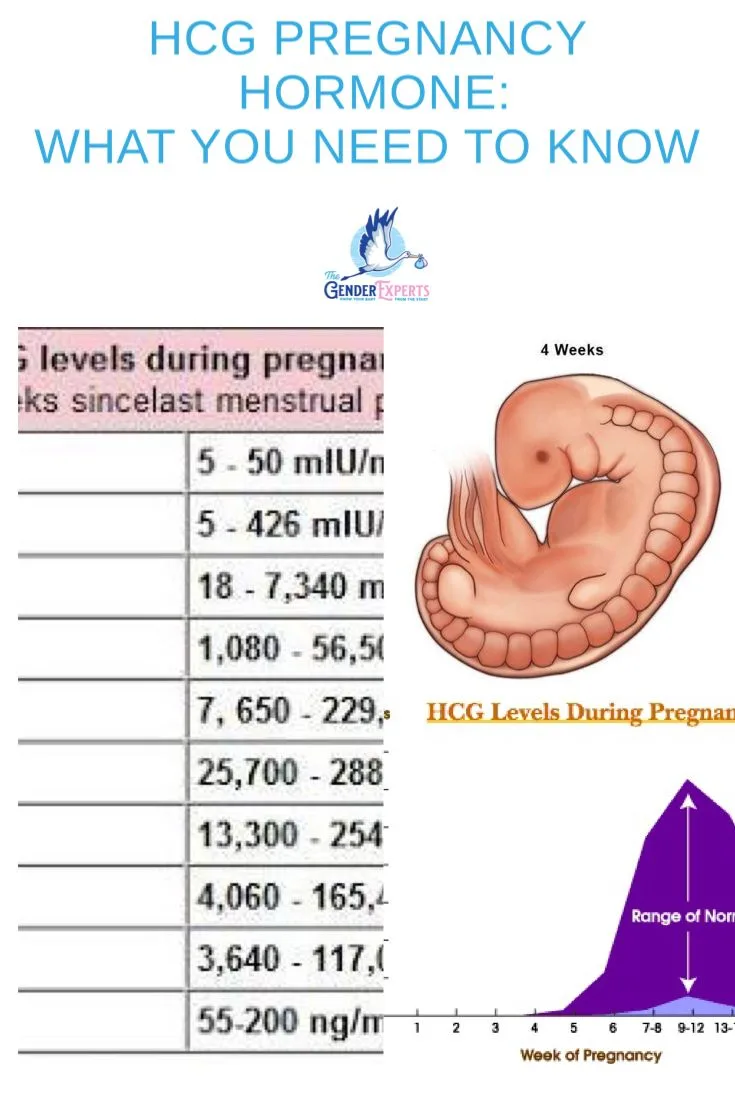
Image source: Web (Bing) / wellkeptbra.com (Web image (fair-use with source credit))
The Big Four: Nausea, Fatigue, Breast Changes, and Frequent Urination
What to Expect Week-by-Week (Not Just Day 1)
Four symptoms dominate the first twelve weeks. Knowing their timing helps you prepare mentally and physically. Here is what research shows about their progression.
| Symptom | Typical Onset | Peak Timing | Resolution Trend |
|---|---|---|---|
| Nausea/Vomiting | Week 5-6 | Week 9-10 | Improves by Week 14 |
| Fatigue | Week 4-6 | Week 8-10 | Often persists longer |
| Breast Tenderness | Week 4-6 | Week 8-10 | Stabilizes after Q1 |
| Urinary Frequency | Week 6-8 | Continuous | Increases in late Q3 |
Nausea isn't limited to mornings. Many women feel queasy all day, especially when hungry. Eating small, bland snacks frequently can help stabilize blood sugar.
Fatigue stems from elevated progesterone and increased metabolic demand. Your body is building the placenta, which consumes massive energy. Sleep more if you need to.
Your partner may not understand this exhaustion, but it’s physiological, not laziness.
Breast changes include swelling, tingling, and visible veins. Your bra size might increase quickly. Switch to supportive, non-underwire styles to reduce discomfort.
Frequent urination happens because the uterus presses on the bladder. It’s annoying but normal. Don’t restrict fluids to avoid bathroom trips.
Dehydration worsens nausea and fatigue. Instead, hydrate consistently throughout the day.
Spotting vs. Period: Decoding Bleeding in Early Pregnancy
Implantation Bleeding, Subchorionic Hematoma, and Warning Signs
Bleeding scares almost everyone. But not all bleeding means miscarriage. Distinguishing types of flow is critical for peace of mind.
Implantation bleeding occurs when the embryo attaches to the uterine lining. It usually happens 10 to 14 days after conception. This flow is light pink or brown.
It lasts only one to three days. It never fills a pad.
Subchorionic hematoma involves blood collecting between the uterus and gestational sac. It causes heavier spotting or bright red bleeding. Ultrasound confirms this diagnosis.
Most resolve without harming the pregnancy. However, any heavy bleeding needs immediate evaluation. Soak-through rates matter.
If you saturate a maxi pad in an hour, go to the ER. Clots larger than a quarter are also warning signs.
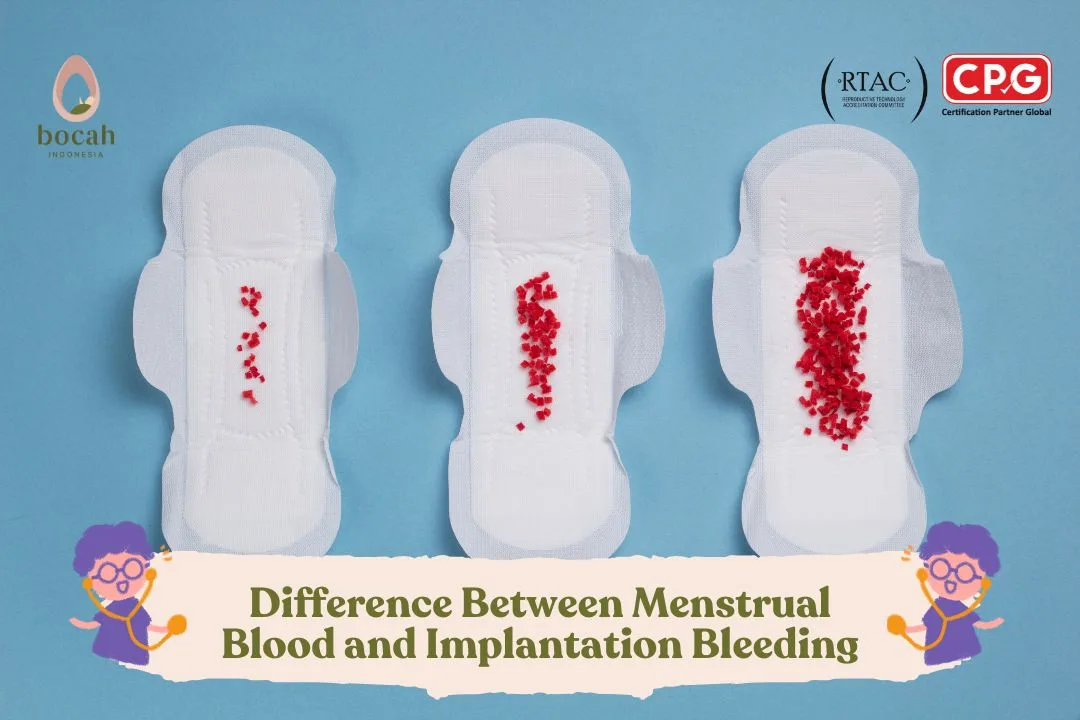
Image source: Web (Bing) / bocahindonesia.com (Web image (fair-use with source credit))
Cramping alongside bleeding can signal ectopic pregnancy or miscarriage. Ectopic pregnancies occur outside the uterus, usually in the fallopian tube. This is life-threatening.
Sharp, one-sided pain combined with shoulder tip pain requires emergency care. Do not wait for an appointment. Call 911 or go straight to the hospital.
Always report any bleeding to your provider, even if it seems minor. They need to check hCG trends and perform an ultrasound.
When Normal Discomfort Becomes a Medical Emergency
Red Flags for Ectopic Pregnancy, Hyperemesis Gravidarum, and Miscarriage
Some symptoms cross the line from uncomfortable to dangerous. Recognizing these red flags saves lives. Hyperemesis gravidarum is severe nausea and vomiting causing dehydration.
Unlike morning sickness, it prevents keeping food or water down. Weight loss exceeds 5% of pre-pregnancy weight. Ketones appear in urine.
This condition often requires hospitalization for IV fluids.
Ectopic pregnancy remains a top concern in early weeks. Risk factors include prior pelvic infections or surgery. Symptoms mimic normal pregnancy initially.
Then, sharp abdominal pain develops. Internal bleeding leads to dizziness or fainting. Rapid heart rate signals shock.
Early detection via serial hCG testing prevents rupture. Rupture causes catastrophic hemorrhage.
Miscarriage risks peak in the first trimester. Chromosomal abnormalities cause most losses. You cannot prevent genetic issues.
However, recognizing inevitable loss reduces trauma. Passing tissue accompanied by intense cramping suggests incomplete abortion. Fever above 100.4°F indicates infection.
Septic abortion is a medical emergency requiring antibiotics and evacuation. Never ignore fever during pregnancy. It stresses both mother and fetus.
Seek care immediately if you have chills or foul-smelling discharge.
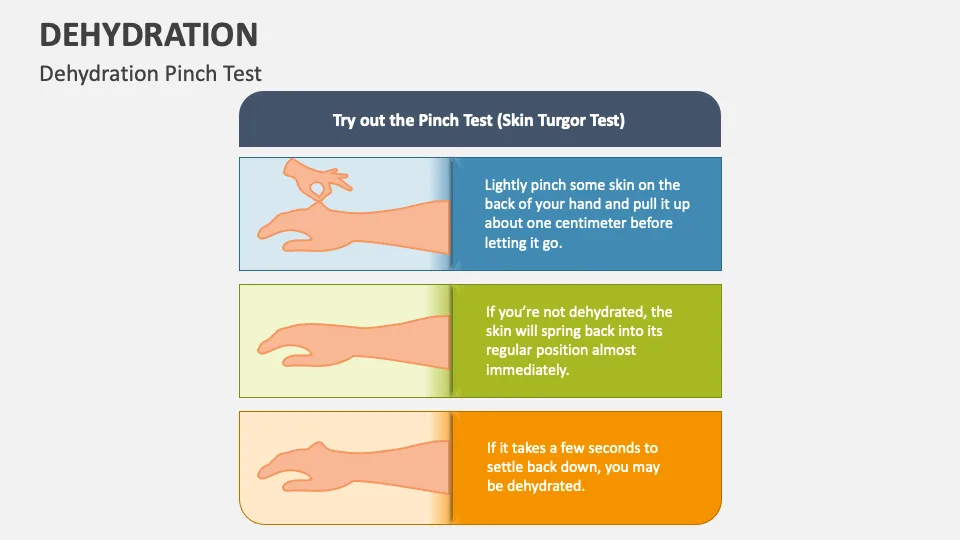
Image source: Web (Bing) / storage.googleapis.com (Web image (fair-use with source credit))
Safe Symptom Management: What Actually Works (And What Doesn’t)
Hydration Strategies, Dietary Tweaks, and Medication Safety Checks
Managing symptoms safely protects your health. Avoid unproven remedies that delay care. Focus on evidence-based strategies.
For nausea, ginger supplements show promise in clinical trials. Acupressure wristbands provide relief for some users. Vitamin B6 (pyridoxine) is recommended by ACOG as a first-line treatment.
Dosage typically ranges from 10mg to 25mg every eight hours. Consult your doctor before starting any supplement.
Hydration fights fatigue and nausea simultaneously. Sip electrolyte solutions instead of plain water. Cold fluids often settle stomachs better than warm ones.
Eat cold foods like yogurt or fruit if smells trigger vomiting. Small meals every two to three hours keep blood sugar stable. Skipping meals worsens nausea significantly.
Rest is non-negotiable. Listen to your body’s demand for sleep. Nap when possible.
Pushing through exhaustion harms immune function.
Medication safety varies widely. Ibuprofen and aspirin are generally unsafe in pregnancy. Acetaminophen is considered safer for headaches or pain.
Always verify dosage limits. Prescription anti-emetics exist for severe cases. Doctors weigh benefits against fetal risks carefully.
Do not share medications with friends. Individual health histories differ drastically. Herbal teas lack rigorous safety data.
Stick to known pharmaceutical options under supervision.

Image source: Web (Bing) / navparent.com (Web image (fair-use with source credit))
Common Missteps That Delay Care or Cause Unnecessary Panic
Ignoring Severity, Self-Diagnosing Online, and Waiting Too Long
Many patients hesitate to call their provider for "minor" symptoms. This delay can worsen manageable conditions. For instance, untreated dehydration from mild nausea escalates quickly.
You might feel fine one moment and dizzy the next. Trust your instincts when something feels off. Do not rely solely on internet forums for medical triage.
Online anecdotes often lack context or accuracy. They can fuel anxiety without offering solutions.
Another frequent error is comparing your experience to others'. Every pregnancy is physiologically unique. Some women vomit daily; others feel nothing until week twelve.
Neither scenario predicts health outcomes. Stop measuring yourself against social media posts. Focus on your own baseline changes instead.
If symptoms interfere with daily life, seek help. Early intervention prevents hospitalization later. Proactive communication builds trust with your care team.
Don't wait for a scheduled appointment if you're struggling now. Most offices have nurse lines for urgent questions. Use them.
Verified Summary: Your Action Plan for the Next 12 Weeks
Key Takeaways for Peace of Mind and Health
Navigating the first trimester requires balance between vigilance and calm. You’ve learned that hormonal shifts drive most physical changes. Nausea, fatigue, and breast tenderness are standard responses to hCG and progesterone spikes.
Bleeding demands careful observation but isn’t always catastrophic. Implantation spotting differs significantly from heavy menstrual flow. Know the difference in color, duration, and volume.
Prioritize hydration and rest above all else. Small, frequent meals stabilize blood sugar and reduce queasiness. Avoid triggers like strong odors or spicy foods if they bother you.
Medication choices require professional guidance. Stick to acetaminophen for pain unless advised otherwise. Never take ibuprofen or aspirin without explicit approval.
These drugs carry risks during early development.
Recognize red flags immediately. Severe one-sided pain, fainting, or fever needs emergency care. Hyperemesis gravidarum requires medical support, not just willpower.
Weight loss exceeding five percent signals danger. Contact your provider promptly if vomiting persists. Document your symptoms using an app or journal.
This record helps doctors assess trends accurately. Bring this log to every prenatal visit. Clear data leads to better decisions.
Stay informed but don’t obsess over every twinge. Your body knows what it’s doing, even if it feels strange.
Frequently Asked Questions About First-Trimester Symptoms
Can I have no symptoms and still be pregnant?
Yes. Symptom absence doesn't mean failure. Some individuals metabolize hormones differently.
Their bodies adapt quietly without dramatic signs. Ultrasound confirmation remains the gold standard for viability. Don't panic if you feel normal.
Many healthy pregnancies proceed with minimal discomfort. Track dates and attend scheduled appointments. Your provider monitors growth markers internally.
External feelings vary widely among patients. Trust clinical data over subjective sensation alone.
Does morning sickness only happen in the morning?
No. The term is misleading. Nausea can strike at any hour.
Evening flare-ups are common due to fatigue accumulation. Hormonal peaks fluctuate throughout the day. Smells, hunger, or stress trigger episodes randomly.
Keep snacks nearby to manage sudden waves. Ginger tea or cold water may soothe acute moments. Timing varies per person.
Some suffer all day; others get brief windows. Flexibility in routine helps cope with unpredictability effectively.
When should I worry about cramping in early pregnancy?
Mild pulling sensations are normal as ligaments stretch. Sharp, persistent, or one-sided pain warrants attention. Cramping accompanied by bleeding raises concern.
Ectopic pregnancy presents localized severe discomfort. Miscarriage often involves rhythmic contraction-like pains. Monitor intensity and frequency closely.
Over-the-counter heat packs relieve minor muscle strain. Avoid hot baths if bleeding occurs. Call your doctor if pain disrupts sleep or activity.
Persistent discomfort needs evaluation via ultrasound. Rule out structural issues promptly.
Are food cravings a sign of nutritional deficiency?
Rarely. Cravings stem from hormonal influences on taste receptors. Progesterone alters smell and flavor perception dramatically.
Chocolate or salty urges reflect neural pathways, not vitamin gaps. Prenatal vitamins cover essential micronutrients adequately. Indulge moderately if safe foods satisfy desires.
Avoid raw meats or unpasteurized cheeses regardless of craving. Balance treats with nutrient-dense meals. Gut health impacts appetite regulation too.
Listen to your body’s preferences without guilt. Moderation ensures enjoyment without compromising fetal safety standards.

Similar Posts