Pregnancy Week by Week: A Simple Guide for Beginners
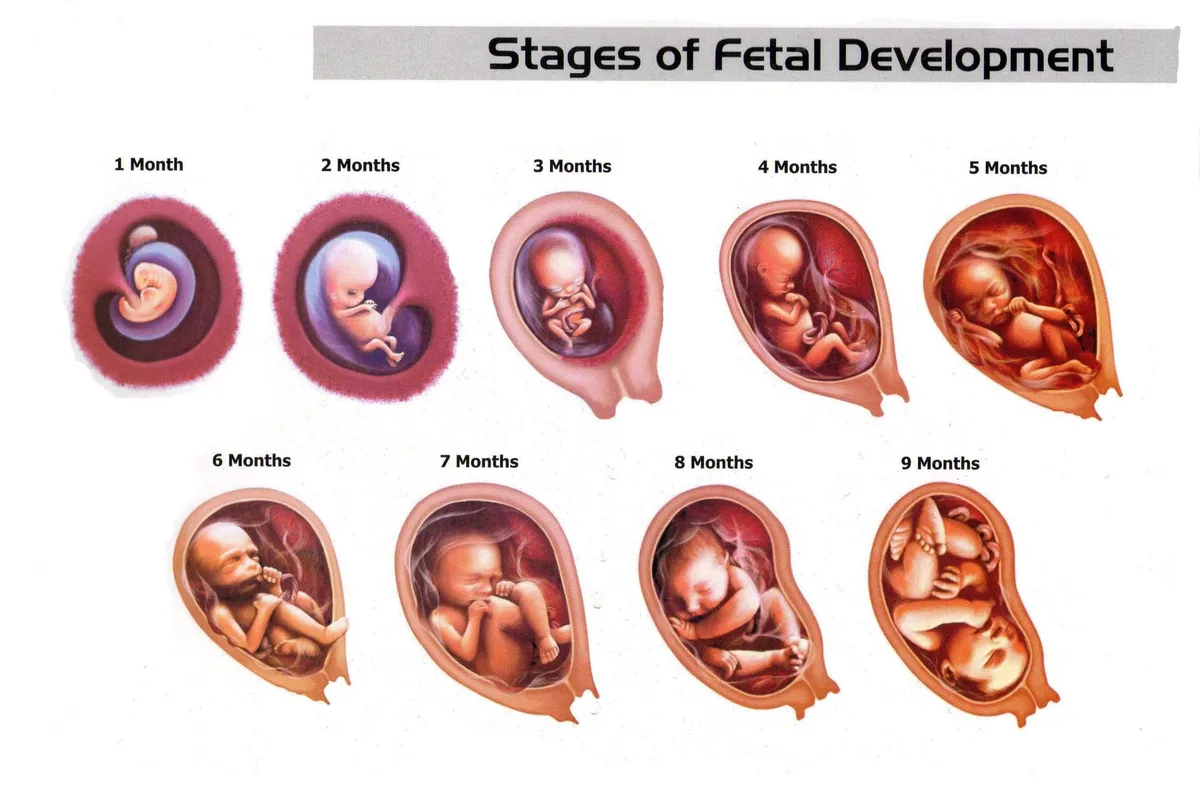
Most online resources treat a pregnancy week by week guide for beginners as a simple diary of baby size comparisons. That approach misses the mark entirely. You don’t need to know your fetus is the size of a blueberry in week five.
You need to know which symptoms signal normal development and which require immediate medical attention.
We’ve seen too many first-time parents panic over benign cramping or ignore severe headaches until it’s late. The American College of Obstetricians and Gynecologists (ACOG) sets clear clinical benchmarks for each trimester. As of 2026, those guidelines remain the gold standard for safety.
Let’s cut through the noise and focus on what actually protects you and your baby.
Image source: Web (Bing) / pinterest.com (Web image (fair-use with source credit))
Why Generic Week-by-Week Lists Fail First-Time Parents
Standard apps often prioritize engagement over accuracy. They push notifications about fruit-sized analogies while glossing over critical health markers. This creates a false sense of security.
You might think everything is fine because the app says so, even when your body sends distress signals.
Real obstetric care relies on specific physiological data points. It’s not just about how big the baby is getting. It’s about cervical length, blood pressure trends, and glucose levels.
Generic guides rarely explain why these metrics matter. They just list them.
Without context, you can’t interpret your own symptoms correctly. For example, mild spotting in early pregnancy can be implantation bleeding. But heavy bleeding with clots suggests miscarriage or ectopic pregnancy.
A basic list won’t help you distinguish between the two. You need expert framing.
This gap leaves beginners vulnerable to misinformation. Forums are filled with anecdotes that contradict medical consensus. One person’s “normal” nausea could be another’s hyperemesis gravidarum.
We bridge this divide by focusing on evidence-based thresholds rather than viral stories.
Quick Answer
A reliable pregnancy week by week guide for beginners prioritizes medical red flags over fetal size comparisons. It aligns symptoms with ACOG clinical standards for each trimester. Focus on tracking blood pressure, movement counts after week 28, and warning signs like severe pain.
Always verify unusual symptoms with your provider immediately. Do not rely solely on app notifications for health decisions. Safety comes from understanding risk thresholds, not just milestone dates.
The Critical Safety Thresholds You Must Know Before Week 12
The first twelve weeks carry the highest risk for pregnancy loss. Most losses happen before a woman even knows she’s pregnant. However, once confirmed, vigilance is key.
You must recognize the difference between discomfort and danger.
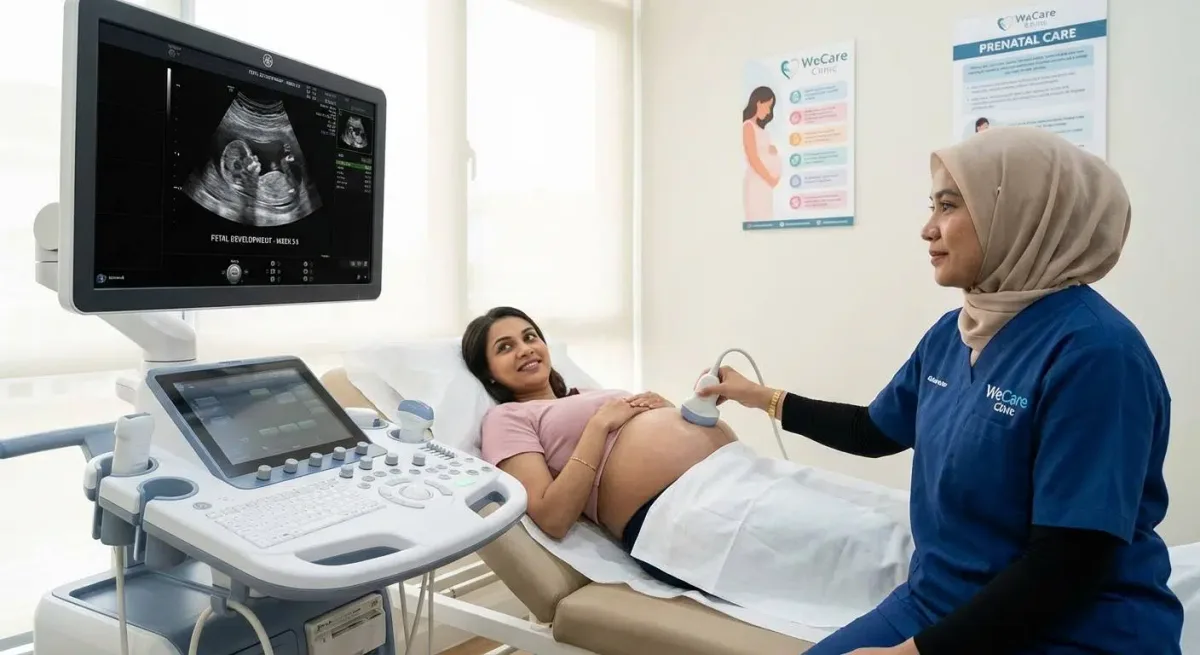
Severe abdominal pain is a major red flag. Mild cramping is common as the uterus expands. But sharp, one-sided pain could indicate an ectopic pregnancy.
This occurs when the embryo implants outside the uterus. It is life-threatening if untreated. Seek emergency care if pain prevents you from standing straight.
Bleeding also requires careful assessment. Spotting (light pink or brown discharge) is often harmless. Yet bright red flow soaking a pad in an hour is not.
This may signal a subchorionic hematoma or miscarriage. Do not wait for your next appointment. Call your OB-GYN immediately.
Fever above 100.4°F (38°C) poses risks to fetal neural development. High maternal temperature in the first trimester correlates with neural tube defects. Treat fevers aggressively with acetaminophen, but consult your doctor first.
Avoid ibuprofen unless specifically prescribed, as it can affect placental function.
Hyperemesis gravidarum differs from typical morning sickness. If you cannot keep fluids down for 24 hours, you risk dehydration and electrolyte imbalance. Weight loss exceeding five percent of pre-pregnancy mass is a clinical indicator.
This requires IV hydration and anti-emetic medication. Don’t tough it out at home.
Finally, watch for dizziness or fainting. While low blood pressure is normal, sudden drops can cause falls. Rise slowly from sitting positions.
Stay hydrated. If you feel lightheaded frequently, check your iron levels. Anemia exacerbates fatigue and dizziness during early gestation.
Trimester-Specific Milestones That Actually Matter for Health Outcomes
Each trimester has distinct physiological goals. Understanding these helps you track progress meaningfully. Forget the vegetable comparisons.
Focus on functional development.
First Trimester: Viability, Dating Accuracy, and Early Warning Signs
Your primary goal here is confirming viability and establishing an accurate due date. Ultrasound measurement of Crown-Rump Length (CRL) between weeks 8 and 14 provides the most precise dating. This window reduces uncertainty later in pregnancy.
You’ll likely undergo initial blood work. This checks blood type, Rh factor, immunity status, and hemoglobin. Knowing your Rh status is critical.
If you are Rh-negative, you’ll need RhoGAM injections later to prevent isoimmunization. Catching infections like UTIs early prevents kidney complications.
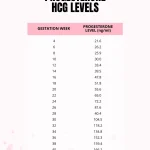
Symptoms peak around weeks 9 to 10. hCG levels double rapidly then plateau. Fatigue and breast tenderness are intense but temporary. Rest when needed.
Your body is building the placenta, a massive metabolic undertaking. Ignore social pressures to maintain pre-pregnancy productivity.
Second Trimester: Anatomy Confirmation, Movement Onset, and Glucose Screening
Often called the "honeymoon phase," this period brings relief from nausea. But new monitoring begins. The anatomy scan (Level II ultrasound) occurs between weeks 18 and 22.
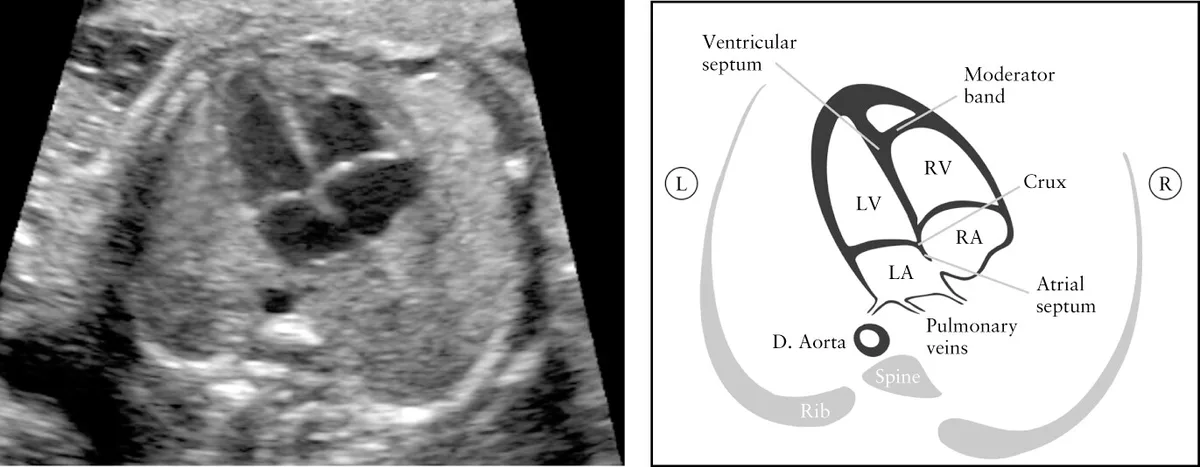
This detailed exam checks organ formation, limb structure, and amniotic fluid volume.
Quickening, or feeling fetal movement, typically starts between weeks 16 and 25. First-time moms often feel it closer to week 20. These flutters confirm neurological and muscular development.
Track patterns if movements seem absent after week 24.
Glucose screening happens between weeks 24 and 28. Gestational diabetes affects up to 10% of pregnancies. Early detection allows dietary management or insulin therapy.
Uncontrolled sugar levels lead to macrosomia (large baby) and birth trauma. Take the test seriously even if you have no family history.
Third Trimester: Lung Maturity, Position Checks, and Labor Readiness Indicators
Focus shifts to preparation for delivery. Fetal lungs produce surfactant, enabling breathing after birth. By week 37, the baby is considered early term.
Movements become stronger but less frequent due to space constraints. Kick counts are vital now. Report any decrease in activity immediately.
Position matters significantly. Most babies turn head-down (vertex) by week 36. Breech presentations may require external cephalic version or C-section planning.
Your provider will monitor fundal height to assess growth consistency. Deviations suggest IUGR (growth restriction) or polyhydramnios (excess fluid).
Watch for preeclampsia signs. Sudden swelling in hands/face, severe headaches, and vision changes are emergencies. Blood pressure checks occur every visit now.
Elevated readings (>140/90 mmHg) trigger further testing. Don’t dismiss "just stress" if physical symptoms persist.
When to Ignore the App and Call Your Provider Immediately
Apps lack nuance. They cannot assess severity or context. Trust your instincts over algorithmic reassurance.
Certain symptoms warrant immediate professional evaluation regardless of what a tracker suggests.
Decreased fetal movement after week 28 is non-negotiable. Babies sleep, but they shouldn’t disappear. Perform a kick count: ten movements within two hours.
If you fail this, go to labor and delivery triage. Do not wait for morning. Stillbirth prevention relies on timely response to reduced motion.
Leaking fluid can mimic urine leakage. Amniotic fluid is usually clear, odorless, and continuous. Urine has an ammonia scent and stops when you relax muscles.
If unsure, use a pH test strip available at pharmacies. Amniotic fluid raises vaginal pH. Contact your provider if leakage persists.
PPROM (preterm premature rupture of membranes) increases infection risk significantly.
Regular contractions before week 37 signal preterm labor. True labor contractions intensify, last 30, 70 seconds, and occur at consistent intervals. Braxton Hicks are irregular and stop with hydration or position changes.
If you experience four contractions in an hour before term, call your doctor. Early intervention can delay birth and administer steroids for lung maturity.
Vaginal bleeding accompanied by shoulder tip pain suggests ectopic pregnancy rupture. This is a surgical emergency. Even if you’ve had a confirmed intrauterine pregnancy earlier, rare heterotopic pregnancies exist.
Severe pain with any bleeding demands ER evaluation. Never drive yourself if dizzy or in extreme pain. Call 911.
Persistent vomiting preventing intake of solids and liquids leads to ketosis. Check urine for ketones using dipsticks. Moderate to large ketones indicate starvation mode.
This harms fetal brain development. Require IV fluids and prescription anti-nausea meds. Home remedies fail here.
Professional support saves health outcomes.
Navigating High-Risk Factors Without Unnecessary Panic
High-risk labels often trigger disproportionate anxiety. A diagnosis doesn’t mean disaster; it means enhanced monitoring. Conditions like chronic hypertension, pre-existing diabetes, or advanced maternal age require tailored care plans.
You aren’t doing anything wrong by having these factors.
Our research shows that structured surveillance reduces adverse outcomes significantly. For instance, women with gestational hypertension need frequent blood pressure checks. This isn’t to scare you.
It’s to catch preeclampsia early. Low-dose aspirin prophylaxis is now standard for many high-risk patients after week 12. Ask your provider if this applies to your history.
Multiple gestations (twins or triplets) accelerate physical demands. Your uterus expands faster, increasing preterm labor risks. Nutrition needs also spike.
Caloric intake must support multiple fetuses without excessive weight gain. Work closely with a dietitian specializing in obstetrics. Generic advice fails here.
Previous cesarean sections introduce uterine scar considerations. Trial of labor after cesarean (TOLAC) is possible but requires specific hospital protocols. Not all facilities offer VBAC (vaginal birth after cesarean).
Verify your provider’s stance and facility capabilities early. Don’t assume continuity of care implies flexibility in delivery options.
Mental health deserves equal attention. Perinatal mood disorders affect one in five mothers. Risk factors include prior depression or lack of social support.
Screening tools like the EPDS are valid clinical instruments. If you feel persistent sadness or detachment, speak up. Treatment is safe and effective during pregnancy.
Ignoring mental strain harms both mother and child.
Stay proactive but grounded. Follow your specialized care schedule strictly. Avoid comparing your journey to low-risk pregnancies.
Your path is different, not defective. Trust the data your providers collect. It’s there to protect you, not judge you.
Knowledge empowers calm decision-making even under medical scrutiny.
Verified Prenatal Care Schedule and Essential Screenings Timeline
Consistency beats intensity in prenatal care. Missing appointments creates gaps in your health record. Providers rely on longitudinal data to spot trends.
One isolated blood pressure reading matters less than three rising readings over two weeks.

The standard schedule involves monthly visits until week 28. Then bi-weekly until week 36. Finally, weekly until delivery.
This cadence aligns with fetal growth velocity changes. Early visits focus on dating and baseline labs. Later visits monitor labor readiness and complication signs.
Key screenings have strict windows. NIPT (cell-free DNA testing) is optimal after week 10. It screens for chromosomal abnormalities with high accuracy.
The anatomy scan must happen between weeks 18 and 22. Delaying past week 24 limits diagnostic utility and management options.
Glucose screening occurs at weeks 24, 28. Group B Streptococcus swabs are taken at weeks 36, 37. These timings are non-negotiable for safety.
GB positivity requires antibiotic prophylaxis during labor to prevent neonatal sepsis. Skipping this step increases infant infection risk substantially.
Rh-negative patients receive RhoGAM at week 28 and postpartum. This prevents alloimmunization in future pregnancies. Ultrasound frequency varies by risk profile.
Low-risk patients may have only two scans. High-risk cases might see weekly imaging. Understand your specific protocol.
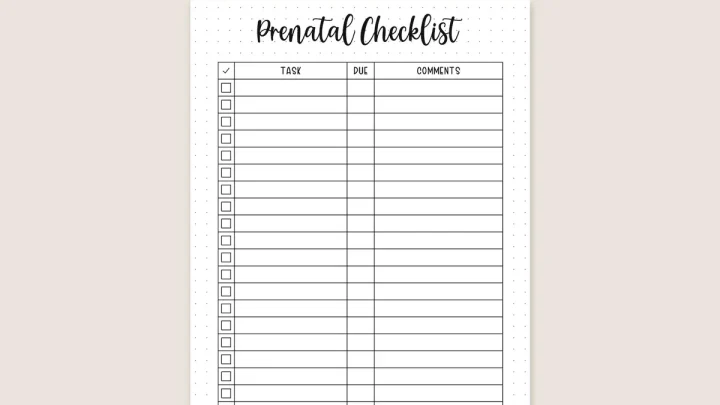
Keep a personal log of all results. Bring copies to every appointment. Discrepancies in records cause delays.
Verify your due date calculation method. Last menstrual period dating can be off by days if cycles are irregular. Ultrasound dating corrects this.
Ensure your final estimated due date reflects the most accurate metric available.

Similar Posts