7 Weeks Pregnant: Symptoms & Baby Development Guide
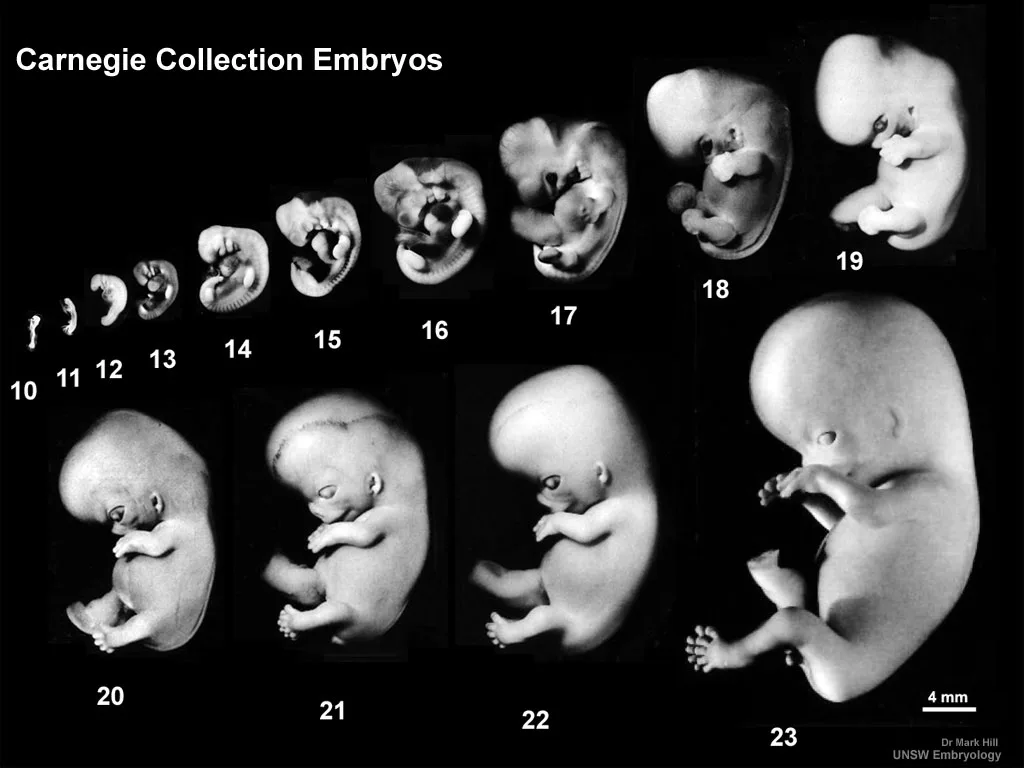
Image source: Web (Bing) / embryology.med.unsw.edu.au (Web image (fair-use with source credit))
You’re probably wondering if everything is okay. That’s normal. At seven weeks, your body is changing fast, even if you don’t see it yet.
Understanding 7 weeks pregnant symptoms and baby development helps ease that anxiety.
Your embryo is about the size of a blueberry. The heart tube is beating. You might feel exhausted or nauseous.
These signs are common. Let’s look at what’s happening inside and out, so you know what to expect.
Why Your 7-Week Symptoms Might Feel Different Today
Symptoms fluctuate wildly this week. One day you feel fine. The next, you can’t stand the smell of coffee.
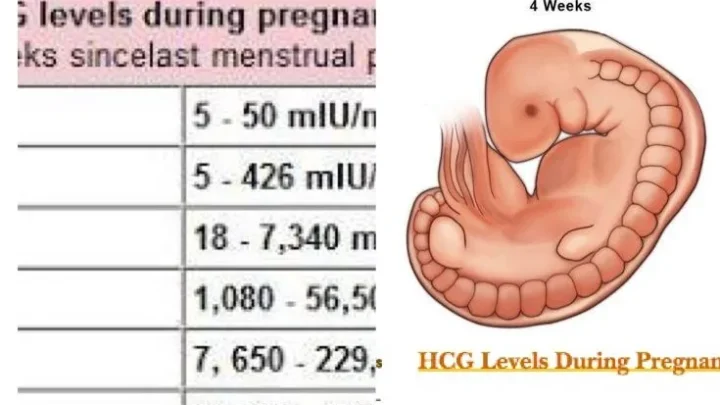
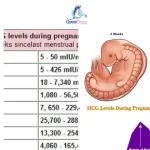
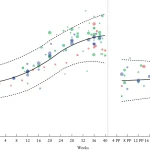
This isn’t random. It’s driven by Human Chorionic Gonadotropin (hCG) levels rising rapidly. By week 7, hCG peaks between 7,650 and 229,000 mIU/mL.
That wide range means everyone feels different.
Progesterone also surges. It relaxes smooth muscles to protect the uterus. But it slows digestion too.
That causes bloating and constipation. If you had strong morning sickness at six weeks, it might dip slightly now. Or it might get worse.
Both are normal. Don’t panic if symptoms vanish for a day. They often return stronger tomorrow.
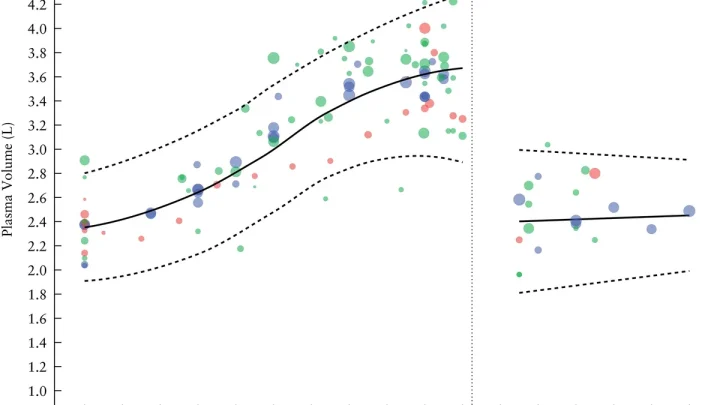
Fatigue hits hard here. Your body builds the placenta and increases blood volume. This burns energy.
You’ll need more sleep than usual. Eight to ten hours is common. Listen to your body.
Rest isn’t lazy. It’s necessary fuel for early growth.
What’s Happening Inside: Baby Development at Week 7
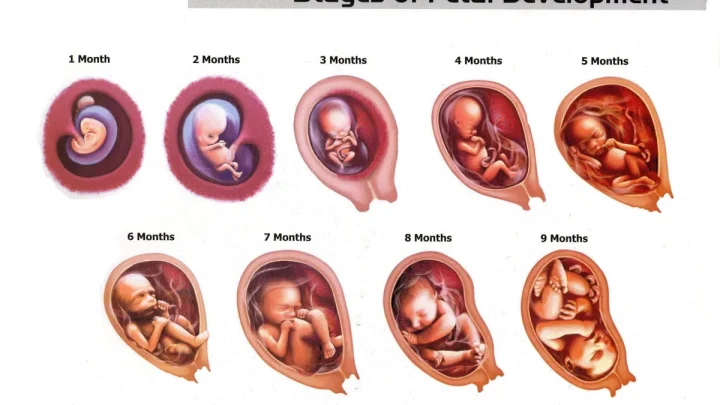
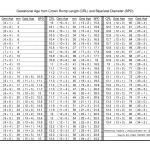
The embryo measures about 10mm crown-rump length. It weighs roughly one gram. Structurally, major organs form quickly.
The neural tube closes completely by now. This protects the developing brain and spinal cord. Failure here leads to serious defects like spina bifida.
Folic acid supports this closure.
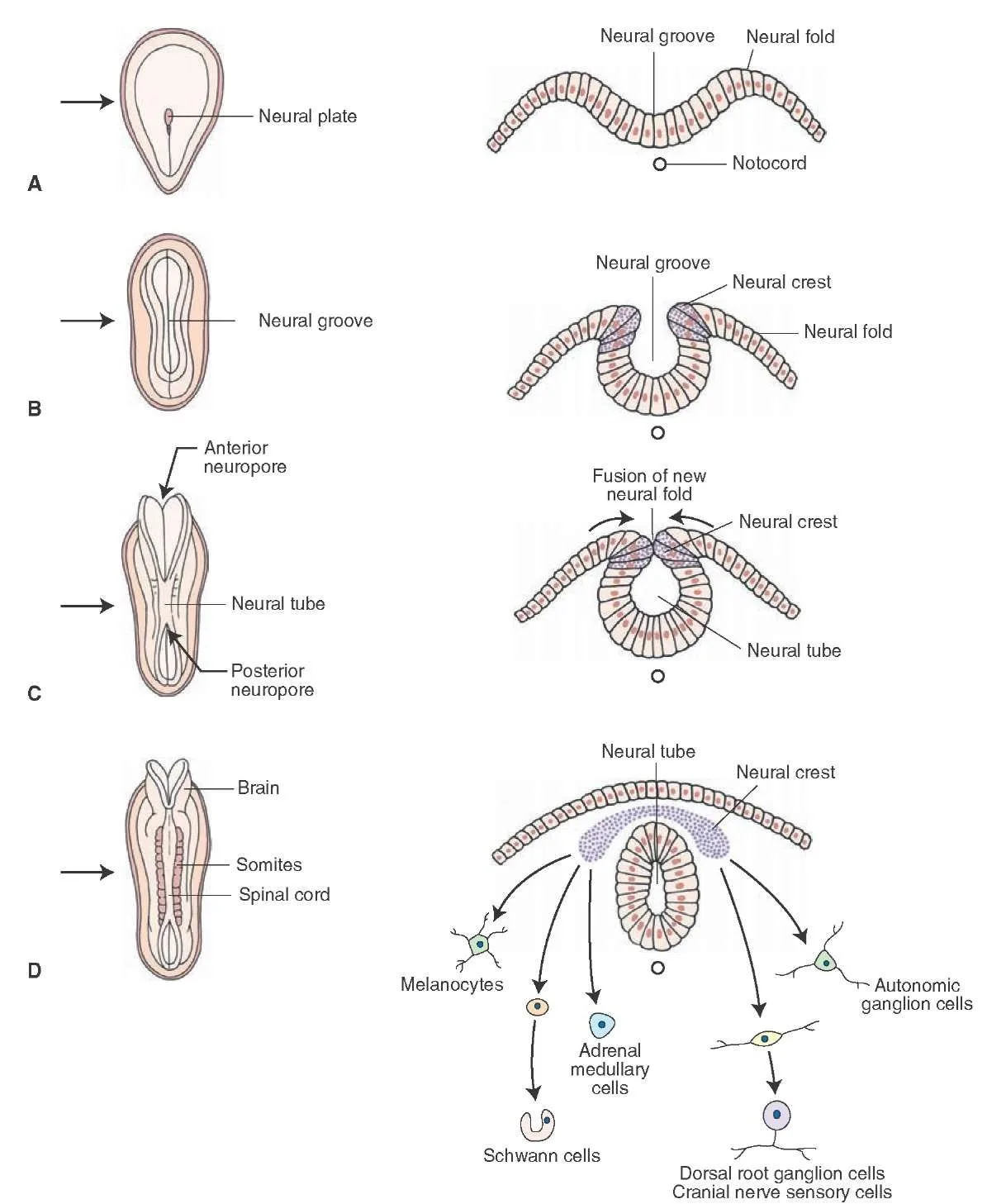
Image source: Web (Bing) / bd.vin-burnham.com (Web image (fair-use with source credit))
Limbs grow faster. Arm and leg buds elongate. Fingers and toes still webbed but separating soon.
Eyes appear as dark spots. Ears begin forming as small folds. The primitive heart divides into chambers.
It beats 100, 120 times per minute. This rhythm drives circulation.
Internal systems activate. Kidneys start producing urine into the amniotic sac. Lungs branch into bronchi.
The liver begins making red blood cells. Digestive tubes twist into position. Though tiny, these functions set the stage for fetal life.
You aren’t just growing tissue. You’re building a working system.
Decoding Physical Changes: Common Symptoms and Their Causes
Most women experience nausea. It’s not always "morning." Hormones trigger the vomit center in the brain. Smells become intense.
Food aversions spike. Iron supplements may worsen stomach upset. Take them with food or switch brands if needed.
Breast tenderness persists. Milk ducts expand. Areolas darken due to increased melanin.
Nipples become more sensitive. Wear supportive bras without underwires. Comfort matters more than style right now.
Frequent urination starts early. The growing uterus presses on the bladder. hCG also increases kidney filtration. You’ll pee more, especially at night.
Stay hydrated. Dehydration makes fatigue worse. Drink water steadily throughout the day.
Mood swings occur rapidly. Estrogen and progesterone affect neurotransmitters. You might cry over spilled milk.
Then laugh minutes later. This hormonal volatility is temporary. Tell your partner.
Explain it’s chemistry, not character. Support reduces stress.
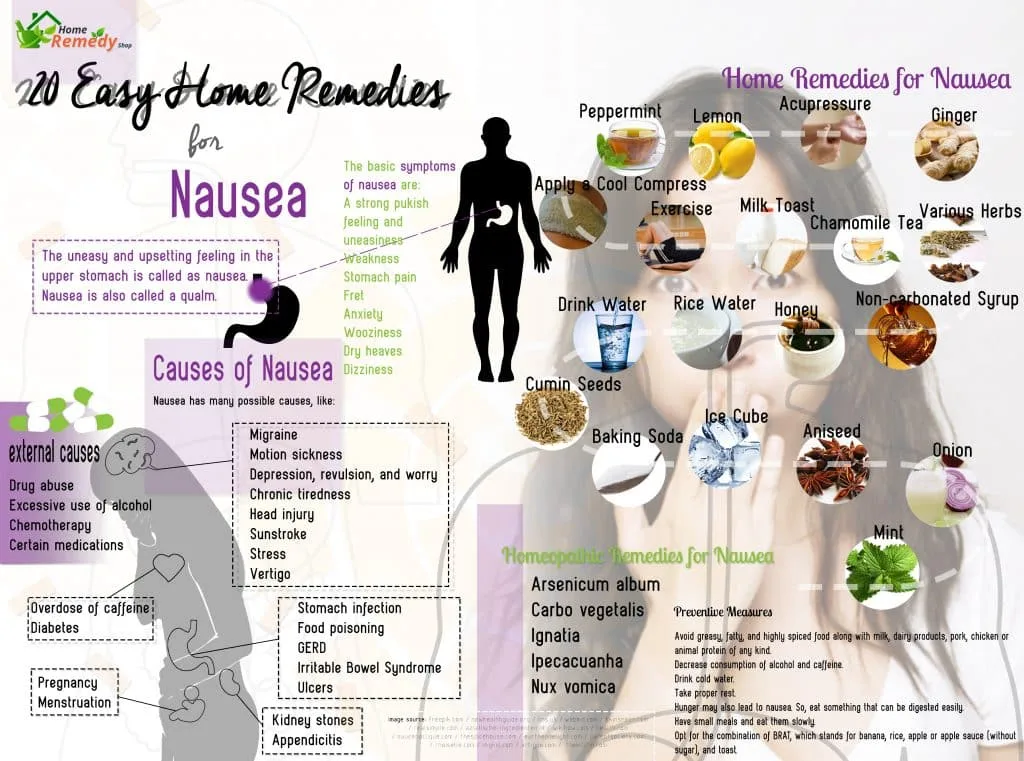
Image source: Web (Bing) / bridge.ascapeaudio.com (Web image (fair-use with source credit))
Watch for severe vomiting. If you can’t keep fluids down, seek help. Hyperemesis gravidarum requires medical intervention.
Unlike standard nausea, it leads to weight loss and electrolyte imbalance. Early treatment prevents hospitalization.
When Normal Becomes Urgent: Red Flags You Shouldn’t Ignore
Spotting happens. Light pink or brown discharge is often harmless. It may come from cervical irritation after sex or exams.
However, bright red bleeding needs attention. So does heavy flow soaking pads.
Severe abdominal pain is another warning sign. Mild cramping from uterine stretching is normal. Sharp, one-sided pain could signal ectopic pregnancy.
This occurs when the embryo implants outside the uterus. It’s life-threatening. Go to the ER immediately if pain is sudden and intense.
Dizziness or fainting suggests low blood pressure or internal bleeding. Fever above 100.4°F (38°C) indicates infection. Both require prompt care.
Infection risks harm both mother and fetus. Antibiotics safe in pregnancy exist. Delay treats nothing.
Action saves lives.
Missed miscarriage poses silent risk. Embryos sometimes stop developing without expulsion. No bleeding.
No pain. Just fading symptoms. An ultrasound confirms viability.
If your OB suspects issues, they’ll schedule scans. Trust their judgment over home tests. Home kits measure hCG, not heartbeat.
Only imaging sees reality.
| Symptom | Likely Cause | Action Required |
|---|---|---|
| Light spotting | Cervical sensitivity | Monitor; call doctor if persistent |
| Severe one-sided pain | Possible ectopic | Emergency room visit |
| Uncontrollable vomiting | Hyperemesis | Medical hydration/electrolytes |
| Complete symptom loss | Potential missed miscarriage | Schedule ultrasound ASAP |
| Mild cramping | Uterine expansion | Rest; hydrate; observe |
Source guidelines align with ACOG patient resources. Always verify concerns with your provider. Online info informs. Doctors diagnose.
Navigating the First Prenatal Visit: What to Expect and Ask
Your first appointment likely includes a transvaginal ultrasound. Abdominal scans lack resolution this early. Transvaginal probes sit closer to the uterus.
They capture clearer images of the gestational sac and yolk sac. Hearing the heartbeat becomes possible around 7, 8 weeks. Sometimes earlier.
Blood work checks blood type, Rh factor, immunity, and infections. Urine samples screen for protein or bacteria. These baselines guide future care.
Bring a list of medications. Some drugs cause birth defects. Isotretinoin and warfarin are strict no-gos.
Review prescriptions openly.
Ask about dating accuracy. Last menstrual period (LMP) dates vary. Ultrasound measurements correct estimates.
A CRL of 10mm aligns closely with 7 weeks 0 days. Discrepancies happen. Ovulation timing shifts.
Trust the scan over memory. It provides objective data.
Discuss lifestyle adjustments. Alcohol, tobacco, and recreational drugs must stop. High-mercury fish pose neurological risks.
Deli meats carry Listeria danger. Heat them until steaming. Raw eggs or unpasteurized cheese?
Avoid. Small changes yield big safety margins.
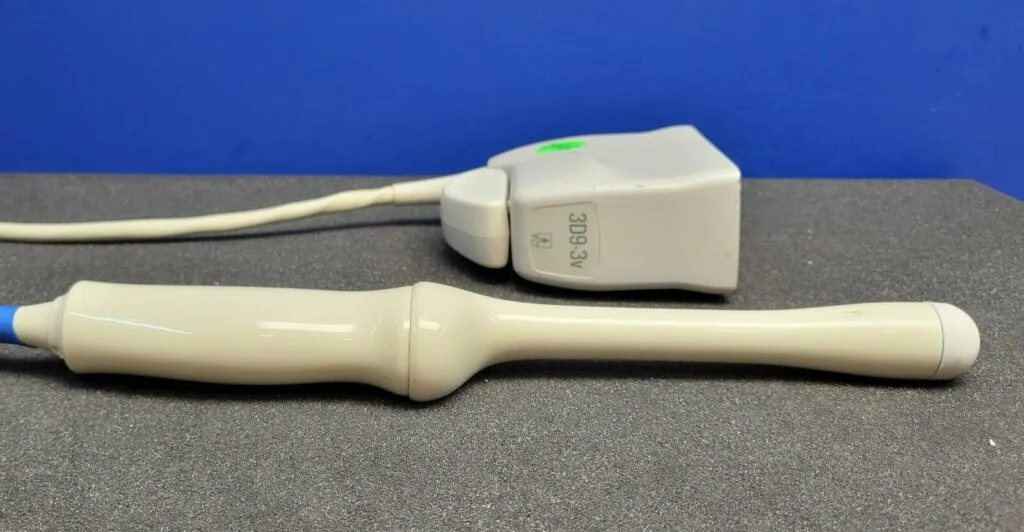
Image source: Bing (Web (fair-use with source credit))
Prepare questions beforehand. Write them down. Anxiety clouds memory during visits.
Ask about genetic screening options. NIPT tests detect chromosomal abnormalities via maternal blood. Availability varies by region and insurance.
Know your choices before deciding. Clarity reduces regret.
Practical Self-Care Strategies for Surviving Week 7
Managing nausea doesn’t require drastic measures. Small, frequent meals help stabilize blood sugar. Try eating every two to three hours.
Dry crackers before getting out of bed can settle your stomach. Ginger tea or acupressure bands offer relief for some women. Avoid strong odors that trigger vomiting.
Fresh air helps reset your senses.
Hydration remains critical. Sip water slowly throughout the day. Electrolyte drinks replenish salts lost through vomiting.
Cold fluids often stay down better than warm ones. If you struggle with taste changes, try lemon-infused water. Dysgeusia (metallic mouth) fades as hormones balance.
Chewing gum or sucking on hard candy masks bad tastes temporarily.
Rest is non-negotiable. Your body works overtime building the placenta. Nap when possible.
Even twenty minutes restores energy. Delegate chores if you can. Accept help from partners or family.
Sleep hygiene matters too. Keep bedrooms cool and dark. Progesterone raises body temperature slightly.
A cooler room aids deeper sleep cycles.
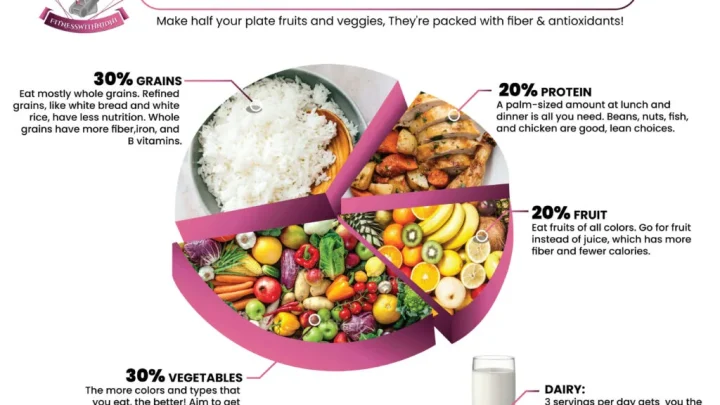
Nutrition focuses on quality over quantity. You don’t need extra calories yet. Prioritize folic acid-rich foods like leafy greens and fortified cereals.
Iron supports increased blood volume. Pair iron sources with vitamin C for absorption. Skip raw sprouts and unpasteurized juices.
Food safety prevents listeria and toxoplasmosis risks. Gentle exercise like walking boosts mood without strain. Listen to your limits.
Stop if dizziness occurs. Mental health counts as self-care. Anxiety spikes during early pregnancy.
Mindfulness apps or journaling reduce stress loads. Connect with other expecting parents. Shared experiences validate feelings.
Isolation worsens symptom perception. Community support acts as a buffer against overwhelm.
Frequently Asked Questions About 7 Weeks Pregnant
Can I feel my baby move at 7 weeks?
No, movement isn’t felt this early. The embryo is only about 10mm long. Muscles are just beginning to form.
Quickening typically starts between 16 and 25 weeks. Any fluttering now is likely gas or muscle twitches. Don’t mistake digestion for fetal activity.
Patience pays off later in the second trimester.
Why did my pregnancy symptoms suddenly disappear?
Fluctuating hCG levels cause this shift. Symptoms wax and wane frequently. It’s rarely a sign of trouble alone.
However, complete loss alongside bleeding warrants a check-up. Track changes rather than panicking. Most women see symptoms return within days.
Ultrasound confirms viability if anxiety persists. Trust data over doubt.
Is spotting at 7 weeks normal?
Light spotting affects up to 25% of pregnancies. Implantation remnants or cervical sensitivity often explain it. Brown discharge usually means old blood leaving the uterus.
Bright red flow needs medical evaluation. Severe cramping paired with bleeding is urgent. Contact your provider immediately.
Early assessment rules out ectopic issues. Peace of mind comes from professional clarity.
How accurate is an ultrasound at 7 weeks?
Transvaginal scans provide high precision dating. Crown-rump length measurements have minimal error margins. Estimates fall within plus or minus five days.
This accuracy adjusts due dates effectively. Abdominal ultrasounds lack resolution at this stage. Ask specifically for transvaginal imaging if available.
Correct dating guides future screenings. Precision reduces uncertainty in later care.
Should I stop taking my current medications?
Consult your doctor before stopping anything abruptly. Some conditions require treatment continuity. Others pose teratogenic risks.
Isotretinoin, warfarin, and certain antidepressants need review. Never adjust doses based on internet advice. Provide a full medication list at your visit.
Professionals weigh benefits against fetal safety. Personalized guidance protects both mother and child.

Similar Posts