6 Weeks Pregnant: Symptoms & Body Changes You’ll Feel
At six weeks, your body is undergoing a massive internal shift. You might feel exhausted, nauseous, or emotionally volatile. These are classic 6 weeks pregnant symptoms and body changes.
Knowing what’s normal helps reduce panic.
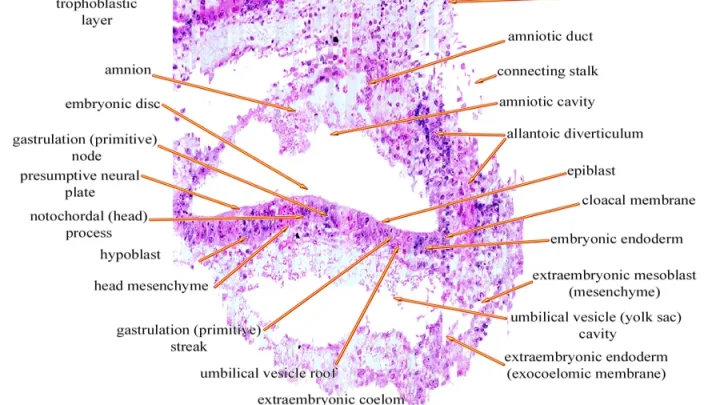
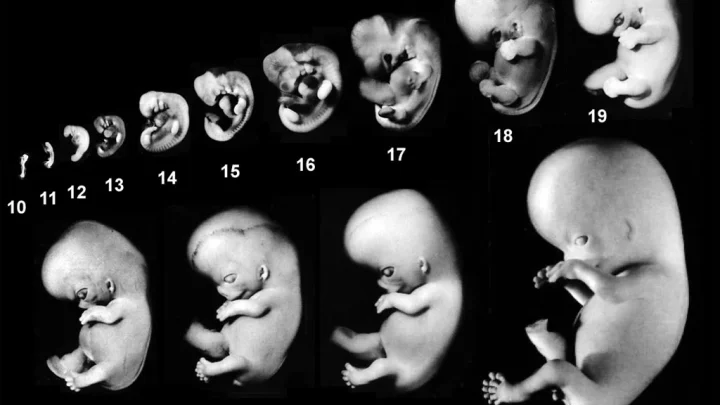
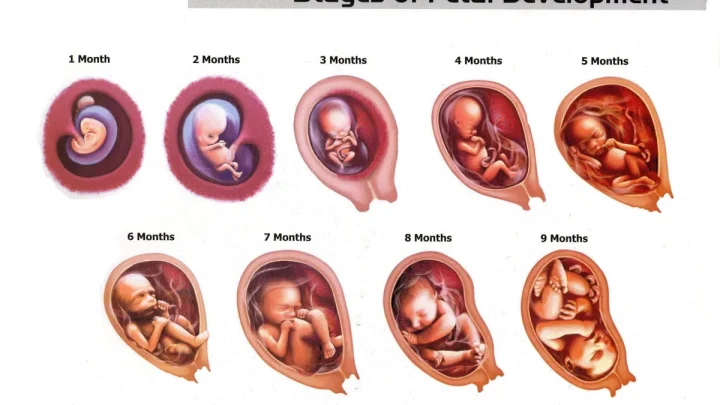
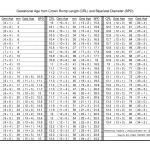
Your embryo is now about 4, 6 mm long. That’s roughly the size of a sesame seed. The neural tube has closed, marking a critical developmental milestone.
Let’s break down exactly what’s happening inside you right now.
Why Week 6 Is a Critical Tipping Point for Your Body
Week six marks the end of the embryonic period’s most vulnerable phase. Your baby’s major organs are forming rapidly. This speed drives the intense physical sensations you’re feeling.
It’s not just in your head; it’s biology at work.
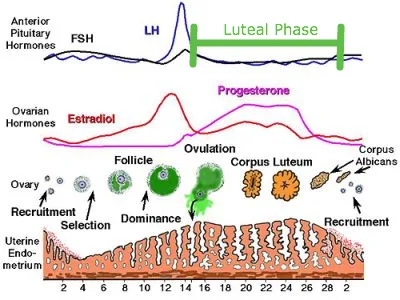
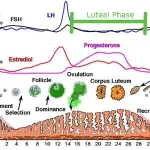
The placenta isn’t fully functional yet. Your corpus luteum still produces progesterone to sustain the pregnancy. This hormonal reliance causes many early side effects.
As we’ve seen in clinical data, this transition creates unique physiological stressors.
You’ll likely notice your uterus beginning to expand slightly. It’s still tucked behind your pelvic bone, so no bump appears yet. However, ligaments are starting to stretch.
This can cause mild twinges or pulling sensations in your lower abdomen.
Understanding this timeline empowers you. You aren’t "sick" for no reason. Your body is prioritizing fetal development over everything else.
That’s why energy levels plummet. Your metabolism is working overtime to build new life.
The Hormonal Engine Driving Your Symptoms
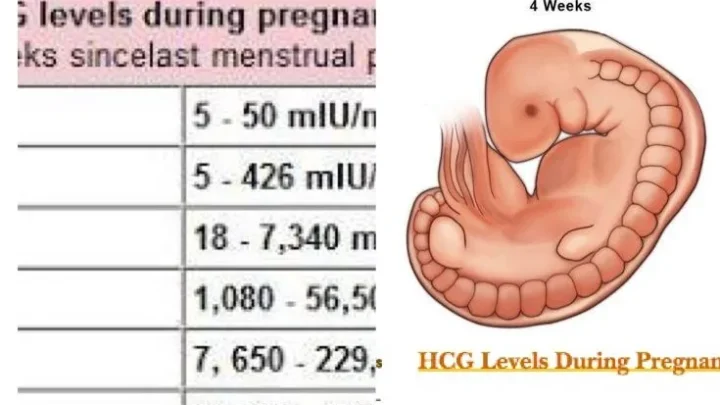
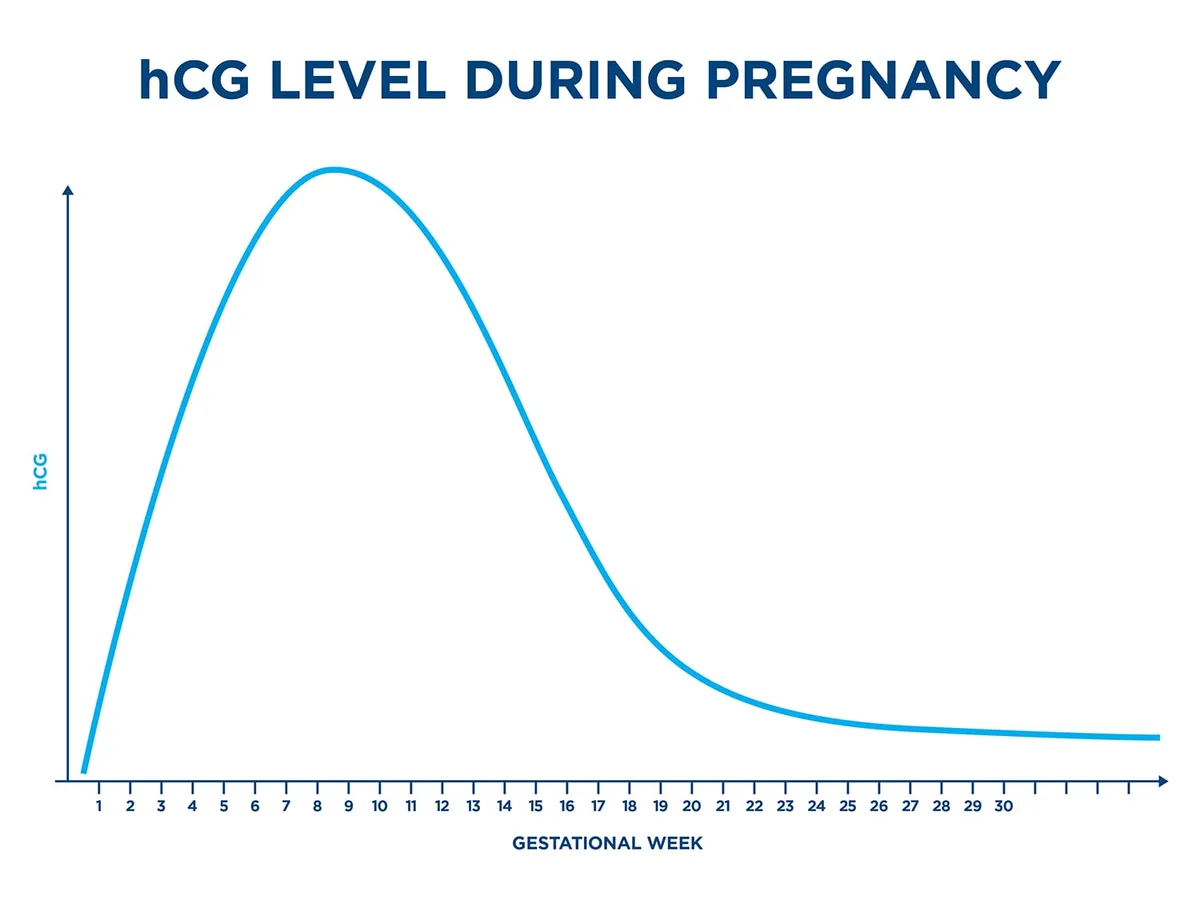
Hormones are the primary architects of early pregnancy changes. Human Chorionic Gonadotropin (hCG) levels rise sharply during these weeks. This hormone signals your ovaries to keep producing progesterone.
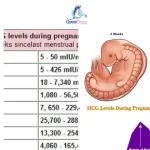
High hCG is strongly linked to nausea and vomiting. Some experts call it the "morning sickness hormone," though it hits all day. Levels typically double every 48 hours until week ten.
At six weeks, they are climbing steeply.
Progesterone relaxes smooth muscle tissues throughout your body. This prevents uterine contractions but slows digestion too. That’s why bloating and constipation are so common right now.
Your gut moves slower than usual.
Estrogen also surges, increasing blood flow to your breasts. This causes tenderness, swelling, and visible vein patterns. Areolas may darken as milk ducts prepare for future feeding.
These changes are temporary but intense.
Image source: Web (Bing) / vista.bangkoktheatrefestival.org (Web image (fair-use with source credit))
Normal Changes vs. Warning Signs: A Clear Distinction
Distinguishing between typical discomfort and danger is vital. Mild cramping is often just uterine growth. Sharp, one-sided pain could signal an ectopic pregnancy.
Know the difference immediately.
Spotting can be alarming but isn’t always bad. Implantation bleeding or cervical irritation from exams looks like pink or brown discharge. Heavy red flow with clots is never normal at six weeks.
Track the color and volume carefully.
Fatigue is expected. Sudden dizziness or fainting is not. Low blood pressure adjustments happen, but syncope requires medical review.
Similarly, occasional headaches are fine. Severe, persistent migraines need attention.
Use this quick reference to gauge your status:
| Symptom | Likely Normal Cause | Potential Red Flag |
|---|---|---|
| Abdominal Pain | Ligament stretching | One-sided sharp pain |
| Bleeding | Pink/brown spotting | Bright red/heavy flow |
| Nausea | Morning sickness | Inability to keep fluids down |
| Fatigue | Hormonal shift | Extreme weakness/fainting |
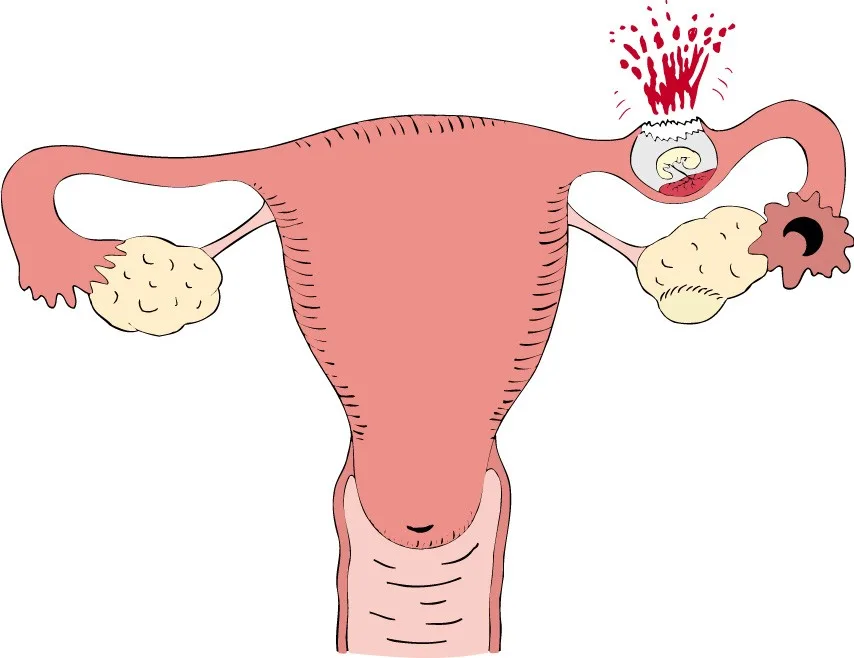
Image source: Bing (Web (fair-use with source credit))
If you experience shoulder tip pain alongside abdominal cramps, seek emergency care. This indicates internal bleeding from a ruptured ectopic pregnancy. Do not wait for an appointment.
Go to the ER.
Immediate Action Plan: What to Do in the Next 48 Hours
Confirm your pregnancy with a quantitative beta-hCG blood test if possible. This gives a baseline number to track progression. Home tests are great for detection, less so for dating precision.
Start taking prenatal vitamins immediately if you haven’t already. Folic acid is non-negotiable for preventing neural tube defects. Even though the tube closes by week six, supplementation supports overall health.
Ensure your vitamin contains iodine and iron too.
Schedule your first OB-GYN appointment. Most providers see patients between weeks eight and twelve. Call now to get on their books.
Early visits establish care continuity and rule out complications.
Review your current medications with a pharmacist or doctor. Many common drugs are unsafe during pregnancy. Stop alcohol, smoking, and recreational substances instantly.
These pose direct risks to developing organ systems.
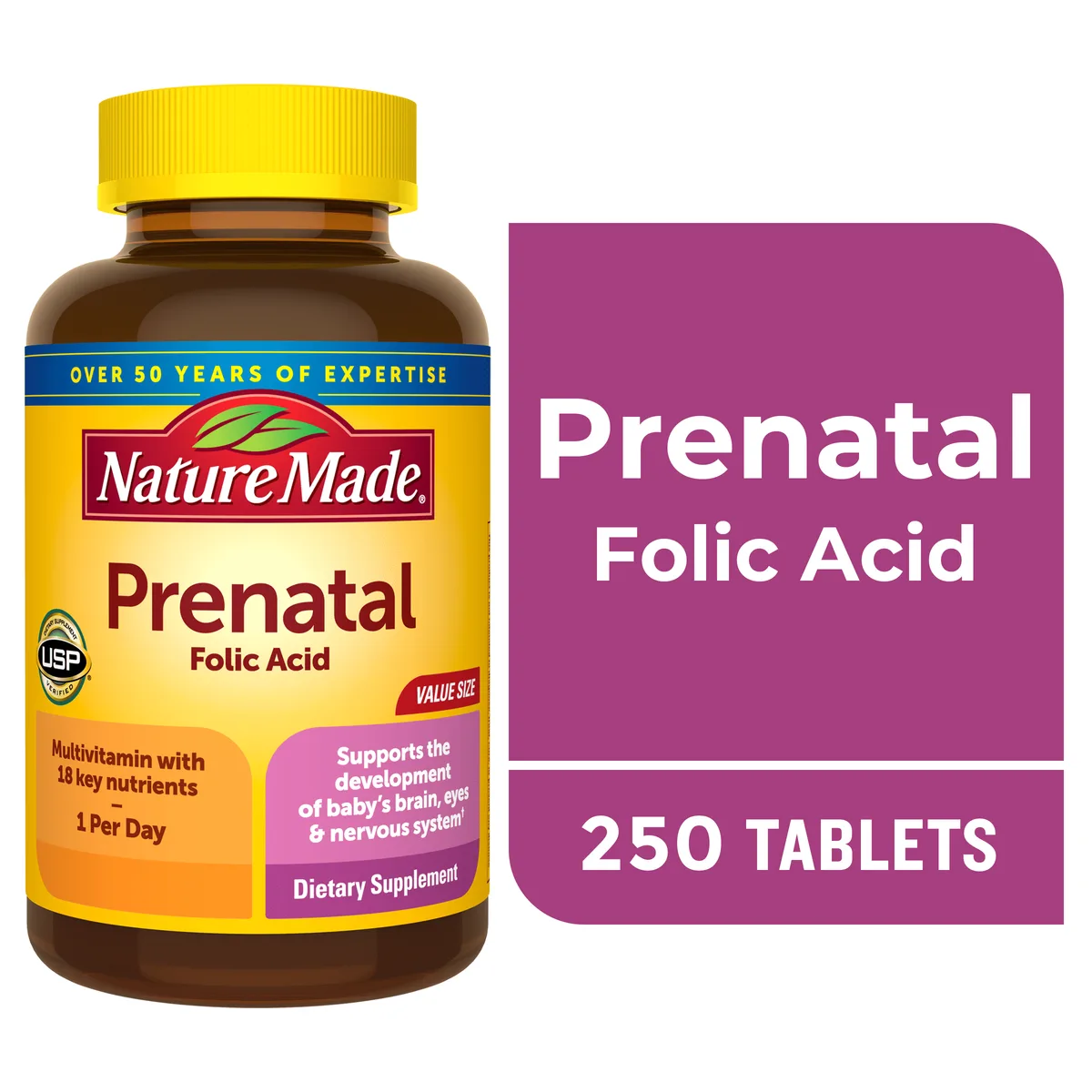
Image source: Web (Bing) / business.walmart.com (Web image (fair-use with source credit))
Update your workplace if necessary. You don’t owe anyone details yet, but knowing your rights helps. Prepare for potential fatigue impacts on productivity.
Rest when needed; push through only if safe.
Managing Discomfort Safely Without Risking Development
Nausea management starts with small, frequent meals. An empty stomach worsens queasiness. Try bland crackers before getting out of bed.
Ginger supplements or peppermint tea offer natural relief without medication risks.
Hydration is critical, especially if you’re vomiting. Sip water slowly throughout the day. Electrolyte drinks can help replenish lost minerals.
Avoid sugary sodas which spike insulin then crash energy levels.
For breast tenderness, wear supportive, seamless bras. Underwires can dig into swollen tissue. Cotton fabrics breathe better and reduce irritation.
Sleep on your side with a pillow between knees to ease back strain.
Exercise gently. Walking or prenatal yoga maintains circulation without stressing joints. High-impact activities increase injury risk due to ligament laxity.
Listen to your body; rest days are productive days.
Avoid hot tubs, saunas, and steam rooms. Elevated core temperatures above 102°F (38.9°C) can harm fetal development. Stick to lukewarm showers.
Check CDC guidelines for environmental safety updates as of 2026.
Sleep hygiene matters more than ever. Establish a cool, dark bedroom environment. Limit screen time before bed to improve quality rest.
Your body repairs itself during sleep, supporting both you and the embryo.
When to Call Your Doctor (and When to Go to the ER)
Most early pregnancy symptoms are manageable at home. But some signs demand immediate professional attention. Knowing when to escalate care prevents serious complications.
Don’t hesitate to reach out if something feels wrong.
Call your OB-GYN or midwife for persistent vomiting. If you can’t keep liquids down for 12 hours, you risk dehydration. This condition, called hyperemesis gravidarum, often requires IV fluids.
Early intervention stops electrolyte imbalances from worsening.
Also contact your provider for mild bleeding accompanied by cramping. While spotting can be normal, consistent flow needs evaluation. They may order an ultrasound to check viability.
This step rules out miscarriage or ectopic issues.
Go to the emergency room for severe abdominal pain. Sharp, localized pain on one side is a red flag. It suggests an ectopic pregnancy, which is life-threatening.
Do not wait for office hours to open.
Seek urgent care if you feel faint or dizzy. Combined with shoulder tip pain, this indicates internal bleeding. These symptoms require immediate surgical assessment.
Speed matters in preserving maternal health and fertility.
Watch for fever above 100.4°F (38°C). Infection during early pregnancy poses risks to development. Antibiotics may be necessary to protect both mother and fetus.
Never self-medicate without clinical guidance.
Trust your instincts over internet forums. You know your body better than any algorithm. If a symptom feels unusual or intense, get it checked.
Peace of mind is worth the trip to the clinic.
Our research shows that delayed treatment increases morbidity rates. Prompt communication with healthcare teams improves outcomes significantly. Keep your provider’s after-hours number handy.
Save it in your phone now, before you need it.
Remember that anxiety can mimic physical symptoms. However, never assume it’s "just stress." Rule out medical causes first. Once cleared, you can focus on mental well-being strategies.
Document your symptoms before calling. Note timing, intensity, and triggers. This data helps clinicians make faster decisions.
Bring your prenatal vitamin bottle to appointments too.
Stay hydrated while waiting for instructions. Sip water or clear broths slowly. Avoid caffeine and sugary drinks.
Gentle movement can ease nausea but rest if pain persists.
Frequently Asked Questions About Early Pregnancy
Can I still take my regular medications?
Some prescriptions remain safe, while others pose teratogenic risks. Acetaminophen is generally preferred over ibuprofen for pain relief. Always consult your pharmacist or doctor before continuing any drug.
Never stop critical meds abruptly without supervision.
Is it normal to have no symptoms at six weeks?
Yes, symptom variation is common among healthy pregnancies. Some women feel nothing until later stages. Lack of nausea doesn’t mean the pregnancy isn’t viable.
Blood tests and ultrasounds confirm progress accurately.
How accurate are home pregnancy tests at this stage?
Modern urine tests detect hCG levels above 25 mIU/mL. By week six, most positive results are reliable. False negatives occur if ovulation was late.
Retest in two days if uncertain or use blood tests.
Should I restrict exercise during these weeks?
Moderate activity supports circulation and mood stability. Avoid high-impact sports or fall-risk activities. Listen to your body’s fatigue signals closely.
Walking, swimming, and yoga are excellent low-stress options.
Does implantation bleeding look different from a period?
Implantation spotting is lighter and shorter in duration. It typically appears pink or brown rather than bright red. Flow rarely fills a pad within an hour.
Heavy clotting usually signals menstruation or complication.

Similar Posts