Why Is My Baby So Fussy Before Bed? 7 Calming Tips

Figuring out what to do when baby becomes fussy before bedtime is exhausting. You’re tired, the baby is screaming, and nothing seems to work. It feels like a guessing game with high stakes for everyone’s sleep.
But it doesn’t have to be chaos.
Most fussiness stems from physiological needs or environmental mismatches, not bad parenting. As of 2026, pediatric guidelines emphasize identifying triggers over forcing solutions. We’ve seen that consistent triage beats random soothing attempts every time.
Here’s how to stop the spiral and get back to calm.
Quick Answer
Start by checking basic needs: hunger, diaper status, and physical comfort. If those are fine, assess for overtiredness using specific cues like eye rubbing or arching. Dim lights and reduce noise immediately to lower stimulation levels.
Follow a short, predictable wind-down routine lasting 20 to 45 minutes. Place the baby in the crib drowsy but awake if possible. Avoid introducing new sleep training methods during acute distress.
Stick to established soothing hierarchies until calm returns.
Stop Guessing: The 3-Step Triage for Pre-Bedtime Fussiness
When your baby starts whining or crying right before bed, panic sets in fast. You might try feeding, then rocking, then singing, all while watching the clock tick past their ideal bedtime. This scattergun approach rarely works because it ignores the root cause.
Instead, treat this moment like a medical triage. You need to rule out urgent issues first, then address secondary factors.
The goal isn’t to silence the baby instantly. It’s to identify why they are upset so you can apply the correct fix. A hungry baby won’t settle with white noise.
An overheated baby won’t relax with more milk. By following a strict three-step process, you remove the guesswork. This saves energy and prevents reinforcing negative sleep associations.
Here is the hierarchy we recommend. Always start at Step 1. Only move down if Step 1 yields no improvement after five minutes.
| Step | Action | Check For | Time Limit |
|---|---|---|---|
| 1 | Physical Needs | Hunger, wet/dirty diaper, hair tourniquet, temperature | 5 minutes |
| 2 | Environmental Reset | Light levels, noise, room temp, clothing tags | 5 minutes |
| 3 | Soothing Hierarchy | Swaddle, shush-pat, pacifier, gentle motion | Until calm |
If the baby remains inconsolable after these steps, pause. Re-evaluate whether they are sick or teething. Sometimes, fussiness is a signal of illness rather than sleep resistance.
Trust your instincts. If something feels wrong, skip the rest of the routine and consult your pediatrician. This structured approach turns chaotic moments into manageable tasks.
You regain control, and the baby gets the specific help they need.
Image source: Web (Bing) / westcoastoptical.com (Web image (fair-use with source credit))
Rule Out the Basics: Hunger, Discomfort, and Diaper Checks
Before you worry about sleep regressions or separation anxiety, check the obvious. Newborns and young infants communicate discomfort through fussiness because they lack other tools. Your first job is to ensure their basic physiological needs are met.
This sounds simple, but exhausted parents often overlook small details.
Start with hunger. Even if you fed them recently, cluster feeding can occur before bedtime. Watch for rooting reflexes or hand-sucking motions.
If they latch eagerly, feed them. Don’t worry about creating a "feed-to-sleep" association right now. Meeting the hunger need takes priority.
Once full, burp them thoroughly. Trapped gas causes significant pain when lying flat.
Next, inspect the diaper. A saturated diaper feels cold and uncomfortable against sensitive skin. Change it even if it doesn’t seem dirty.
Friction from wet fabric can irritate skin folds. While changing, check for hair tourniquets. These are strands of hair or thread wrapped tightly around toes, fingers, or genitals.
They cut off circulation and cause intense pain. Look closely at each digit. Remove any constricting items immediately.
Finally, assess thermal comfort. Overheating is a common culprit for evening fussiness. Touch the baby’s chest or neck.
Sweaty or hot skin means they are too warm. Cool them down by removing a layer. Conversely, cool extremities don’t always mean the core is cold.
Use the CDC’s safe sleep guidelines as a reference for appropriate dressing. Aim for one extra layer compared to what an adult wears comfortably. Eliminating these physical stressors resolves many cases of pre-bedtime crying without further intervention.
Decode the Cues: Is Your Baby Overtired or Undertired?
Once basics are covered, look at behavior patterns. Most parents assume a fussy baby is tired. Often, they are right.
However, undertired babies also resist sleep. They fight bedtime because they still have energy reserves. Treating an undertired baby as overtired leads to prolonged battles.
You must distinguish between the two states.
Overtiredness triggers a cortisol spike. Cortisol is a stress hormone that makes falling asleep difficult. The baby appears wired, frantic, or hysterical.
They may arch their back, stiffen their limbs, or scream inconsolably. Eye contact is fleeting or absent. This state requires immediate de-escalation.
Do not engage in play. Reduce input drastically.
Undertiredness looks different. The baby is alert, curious, and socially engaged. They might smile, kick legs rhythmically, or babble loudly.
Resistance comes from boredom or desire for interaction, not distress. Pushing sleep here creates frustration. The solution is to wait longer or adjust wake windows.
Identifying Overtired Signals (The Cortisol Spike)
Watch for these early warning signs. Catching them before the meltdown is key.
- Eye Rubbing: Gentle rubbing transitions to aggressive clawing.
- Yawning: Frequent yawns indicate adenosine buildup.
- Staring Off: Loss of focus on faces or toys.
- Clinginess: Seeking constant physical contact and refusing release.
- Whimpering: Low-level crying that escalates quickly if ignored.
If you see these, initiate the wind-down routine immediately. Delaying even ten minutes can push them into full hysteria.
Recognizing Undertired Signs (Low Sleep Pressure)
These cues suggest the baby needs more active time.
- Bright Eyes: Wide-eyed alertness and tracking movement.
- Social Smiling: Engaging with caregivers intentionally.
- Vocalizations: Loud babbling or squealing with joy.
- Physical Play: Kicking, reaching, and rolling actively.
- Resistance to Rest: Fighting swaddles or cribs with strength, not fear.
For undertired babies, extend the wake window slightly. Offer quiet play instead of forced sleep. Trying to soothe an energetic baby to sleep often fails.
Match your response to their actual state. Misdiagnosis wastes time and increases parental stress. Accurate reading of these signals forms the foundation of successful bedtime management.
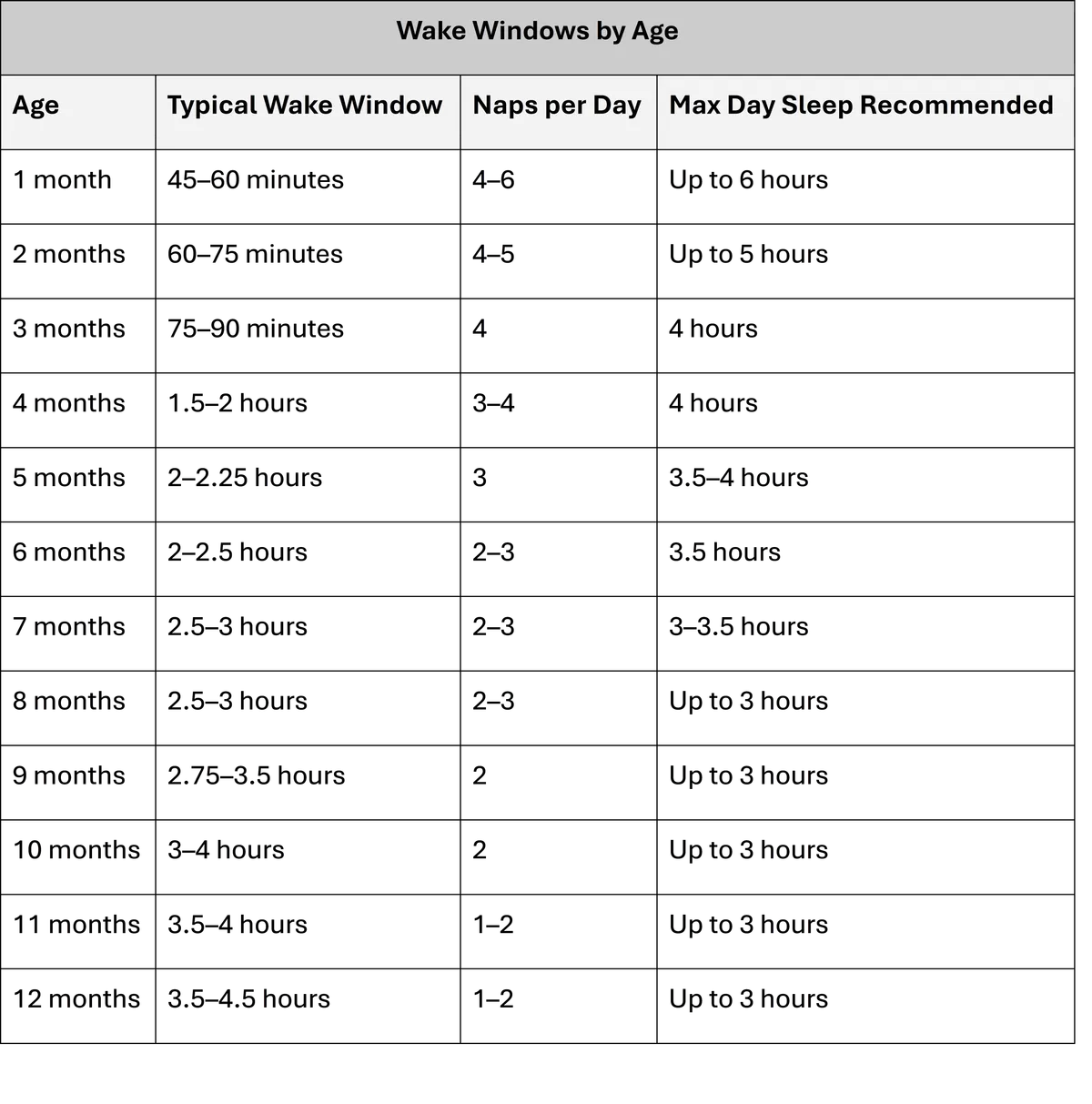
Image source: Web (Bing) / heypoppins.com (Web image (fair-use with source credit))
Execute the Wind-Down Workflow: A Predictable Sequence That Works
After determining the cause, execute a consistent routine. Babies thrive on predictability. A set sequence signals that sleep is coming.
This reduces anxiety and helps regulate circadian rhythms. The routine should last 20 to 45 minutes. Keep it boring.
Save excitement for earlier in the day.
Start with hygiene. A warm bath raises body temperature. When you exit the water, the rapid cooling mimics the natural drop in core temperature that occurs before sleep.
Dry them gently. Apply moisturizer if needed. Dress them in comfortable sleepwear.
Ensure the fabric is soft and tag-free. Scratchy clothes distract and irritate.
Move to connection. Read a book, sing a lullaby, or simply cuddle. Keep voices low and monotone.
Avoid stimulating stories or loud songs. The goal is bonding, not entertainment. This step fills their emotional cup.
Separation anxiety peaks at bedtime for many infants. Ten minutes of focused attention reassures them that you are present and safe.
Finish with placement. Bring them to the bedroom. Dim the lights significantly.
Turn on white noise. Place them in the crib drowsy but awake if possible. If they are already asleep, place them gently.
Pat their chest or back rhythmically. Shush softly near their ear. Repeat until they settle.
Consistency matters more than perfection. Doing the same steps in the same order every night builds neural pathways associated with sleep. Over time, the routine itself becomes a sleep cue.
Your presence becomes less necessary for initiation.

Image source: Web (Bing) / fity.club (Web image (fair-use with source credit))
Adjust the Environment: Light, Sound, and Temperature Levers
Your bedroom setup plays a massive role in sleep quality. External factors can override internal readiness. Optimize the environment to support melatonin production and physical comfort.
Small tweaks yield big results.
Light control is critical. Blue light suppresses melatonin, the hormone responsible for sleep onset. Install blackout curtains.
These block streetlights and early morning sun. During the wind-down, use dim, warm-toned lighting. Amber or red bulbs interfere least with circadian rhythms.
Avoid overhead fluorescent lights. They feel clinical and harsh. Soft lamps create a cozy atmosphere.
Darkness signals the brain that it is time to rest. Even small amounts of light can disrupt deep sleep cycles.
Sound management reduces startling noises. Sudden sounds trigger the Moro reflex, waking sleeping babies. White noise machines provide a steady auditory blanket.
Pink or brown noise may be softer and less piercing. Set the volume below 50 decibels. This matches the sound level of a shower.
Place the machine away from the crib. Never put electronics inside the sleep space. Continuous sound masks household noises like dogs barking or doors slamming.
Silence can sometimes amplify minor disturbances.
Temperature regulation ensures physical comfort. The ideal nursery temperature sits between 68°F and 72°F (20°C to 22°C). Use a thermometer to verify.
Hot rooms increase SIDS risk. Cold rooms cause waking due to discomfort. Dress the baby appropriately for this range.
Wearable blankets replace loose bedding safely. Check the American Academy of Pediatrics recommendations for safe sleep surfaces. Firm mattresses with fitted sheets only.
Remove pillows, bumpers, and stuffed animals. A optimized environment removes barriers to sleep. Let the biology take over once the conditions are right.

Image source: Web (Bing) / elitechus.com (Web image (fair-use with source credit))
Common Pitfalls That Sabotage Settling Efforts
Many parents unknowingly reinforce fussiness through well-intentioned mistakes. The most common error is inconsistent timing. If bedtime shifts by thirty minutes nightly, the circadian rhythm never stabilizes.
This confusion leads to resistance. Stick to a fixed schedule within a fifteen-minute window. Predictability calms the nervous system faster than any soothing technique.
Another trap is over-stimulation right before bed. High-energy play or bright screens excite the brain. You cannot switch from "on" to "off" instantly.
Babies need a gradual ramp-down. Avoid tickle fights or loud games in the hour preceding sleep. These activities spike adrenaline.
Adrenaline directly opposes melatonin production.
Parents also often misinterpret protest as refusal. Some crying is normal during transition. It signals frustration, not necessarily pain or danger.
Rushing in at the first whimper prevents self-soothing practice. Wait two to three minutes to see if they settle independently. This brief pause builds resilience.
Constant intervention creates dependency on external help.
Finally, neglecting daytime naps hurts night sleep. Overtiredness accumulates like debt. Skipping naps guarantees a difficult bedtime.
Ensure age-appropriate wake windows are respected. A baby who sleeps poorly during the day will struggle at night. Fix the daytime schedule first.
Nighttime success depends on adequate rest earlier in the day.
When to Call the Pediatrician: Red Flags Beyond Normal Fussiness
Normal fussiness has limits. Certain signs indicate medical issues requiring professional evaluation. Persistent inconsolable crying lasting more than three hours may signal colic or infection.
Monitor for fever above 100.4°F (38°C). Fever combined with lethargy demands immediate attention. Do not wait for morning.
Watch for physical symptoms accompanying the distress. Arching the back violently while feeding suggests silent reflux. Pulling ears or tugging at the head points to ear infections.
Both conditions cause significant pain when lying flat. These are not behavioral issues. They require medical treatment.
Antibiotics or antifungal medications might be necessary.
Check for respiratory difficulties. Grunting, flaring nostrils, or retractions (skin pulling between ribs) indicate breathing trouble. This is an emergency.
Seek care immediately. Also, inspect for hidden injuries. Hair tourniquets or fractures from rough handling can go unnoticed.
Unexplained tenderness upon touch warrants an exam.
Trust your gut feeling. If something feels wrong, it probably is. Parents know their babies best.
Don’t dismiss concerns because online forums say it’s “normal.” A quick check-up provides peace of mind. Early detection prevents complications. Safety always outweighs convenience.
Keep a log of episodes to share with your doctor. Patterns reveal underlying causes that random observation misses.
FAQ: Quick Answers for Exhausted Parents
How long should I try to soothe before giving up?
Limit active soothing attempts to twenty minutes. If the baby remains hysterical, stop. Take a break.
Place them safely in the crib. Step out of the room for five minutes. Regain your composure.
Return calmly. Frustration transfers to the infant. A reset helps both parties.
Never shake or yell. Safety comes first.
Can teething cause sudden bedtime fussiness?
Yes. Teething pain often worsens at night due to reduced distractions. Look for swollen gums or excessive drooling.
Offer a chilled (not frozen) teether before bed. Consult your pediatrician about appropriate pain relief dosage. Acetaminophen or ibuprofen may help.
Follow weight-based guidelines strictly. Topical numbing gels are generally discouraged for infants under two years old.
Does white noise help overtired babies?
Absolutely. White noise masks sudden sounds that trigger the Moro reflex. It creates a womb-like auditory environment.
Use continuous sound, not intermittent loops. Keep volume below fifty decibels. Position the machine away from the crib.
Pink noise may be even more effective for some infants. Test different colors to see what works best for your child.
Should I feed my baby to sleep every time?
Not necessarily. Occasional feeding to sleep is fine. However, making it a strict requirement creates a sleep association.
Try separating feeding from sleeping by ten minutes. Read a book or sing after eating. This breaks the link.
Gradual separation reduces night wakings. But prioritize hunger needs during growth spurts. Flexibility matters more than rigid rules.

Similar Posts