Why Newborn Sleep Changes Daily: The Truth Behind Chaos

You’re staring at your baby, wondering why last night’s pattern is gone by morning. This isn’t a glitch in their system; it’s biology working exactly as intended. Understanding why newborn sleep schedule changes every day helps you stop fighting the chaos and start supporting development.
The American Academy of Pediatrics notes that infants under three months lack a mature circadian rhythm. Their bodies don’t yet produce melatonin on a predictable cycle. As we look closer at these shifts, you’ll see they are signs of health, not failure.
Quick Answer
Newborn sleep schedules change daily because their brains aren't ready for routine. The suprachiasmatic nucleus, which controls body clocks, is still developing. Hunger drives wakefulness more than time does.
Babies need frequent feeds to grow. Expect irregularity until about twelve weeks old. This variability is normal and healthy.
It ensures adequate nutrition and brain maturation. Don't force a schedule before biological readiness. Responsive care works best now.
Why Your Newborn’s Sleep Schedule Isn’t Broken—It’s Just Immature
Most parents assume consistency equals good parenting. With newborns, this logic fails completely. Their internal clock hasn’t synced with the outside world yet.
You cannot impose order on a system that doesn’t exist.
Think of it like a computer booting up. The hardware is there, but the software is still installing. Trying to run complex programs too early causes crashes.
Your baby’s brain is busy wiring itself for life. Sleep fragmentation is a side effect of this intense activity.
We often mistake this immaturity for defiance or illness. It is neither. It is simply developmental reality.
Accepting this truth lowers your stress levels immediately. You stop looking for fixes that shouldn’t be applied. Instead, you focus on meeting immediate needs.
This shift in perspective is crucial for safety. Desperate parents sometimes try unsafe methods to force sleep. Knowing the "why" protects your child from well-meaning errors.
It validates your exhaustion while offering hope. The chaos has an endpoint. That endpoint is biological maturity, not behavioral training.
The Biology Behind the Chaos: Circadian Rhythms and Active Sleep
The root cause lies in two specific biological factors. First is the Suprachiasmatic Nucleus (SCN). Second is the dominance of Active Sleep.
Both prevent consistent scheduling in the first few months.
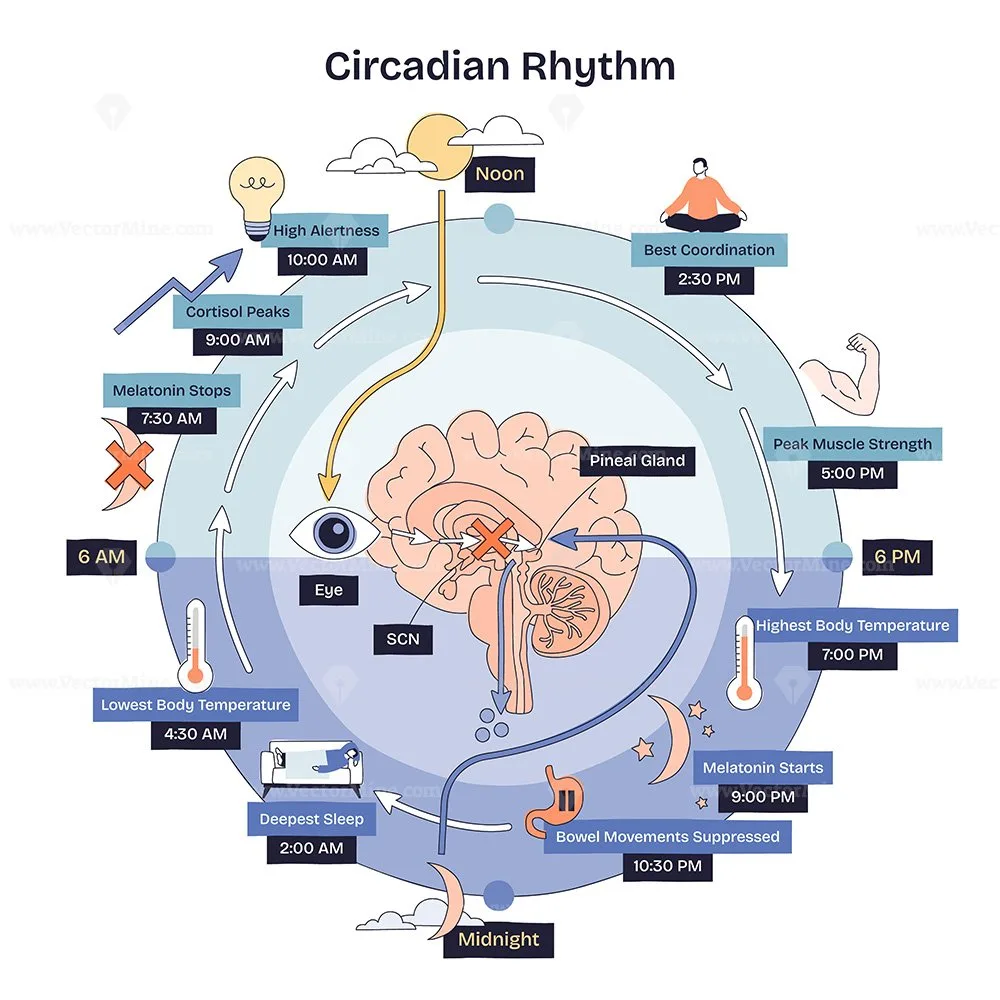
The SCN acts as the master clock in the brain. In adults, it responds to light and dark cues. In newborns, this region is functionally immature.
It cannot distinguish between day and night reliably. This leads to day-night confusion. Your baby might be wide awake at 3 AM and asleep at noon.
Then there is sleep architecture. Adults spend most of their time in Quiet Sleep. Newborns spend about 50% of their time in Active Sleep.
This stage resembles REM sleep in older children. It is characterized by rapid eye movements and twitching.
Active Sleep is lighter and more fragile. Small noises or temperature changes can wake the infant. This high percentage explains frequent awakenings.
It also serves a critical purpose. Active Sleep promotes neural connectivity and brain growth. Disrupting it for the sake of silence can hinder development.
By week six to eight, melatonin production begins. This hormone signals darkness to the body. Until then, external light exposure matters less internally.
The SCN slowly learns to sync with daylight. This process takes weeks, not days. Patience is scientifically required here.
What “Normal” Looks Like Week by Week (0–12 Weeks)
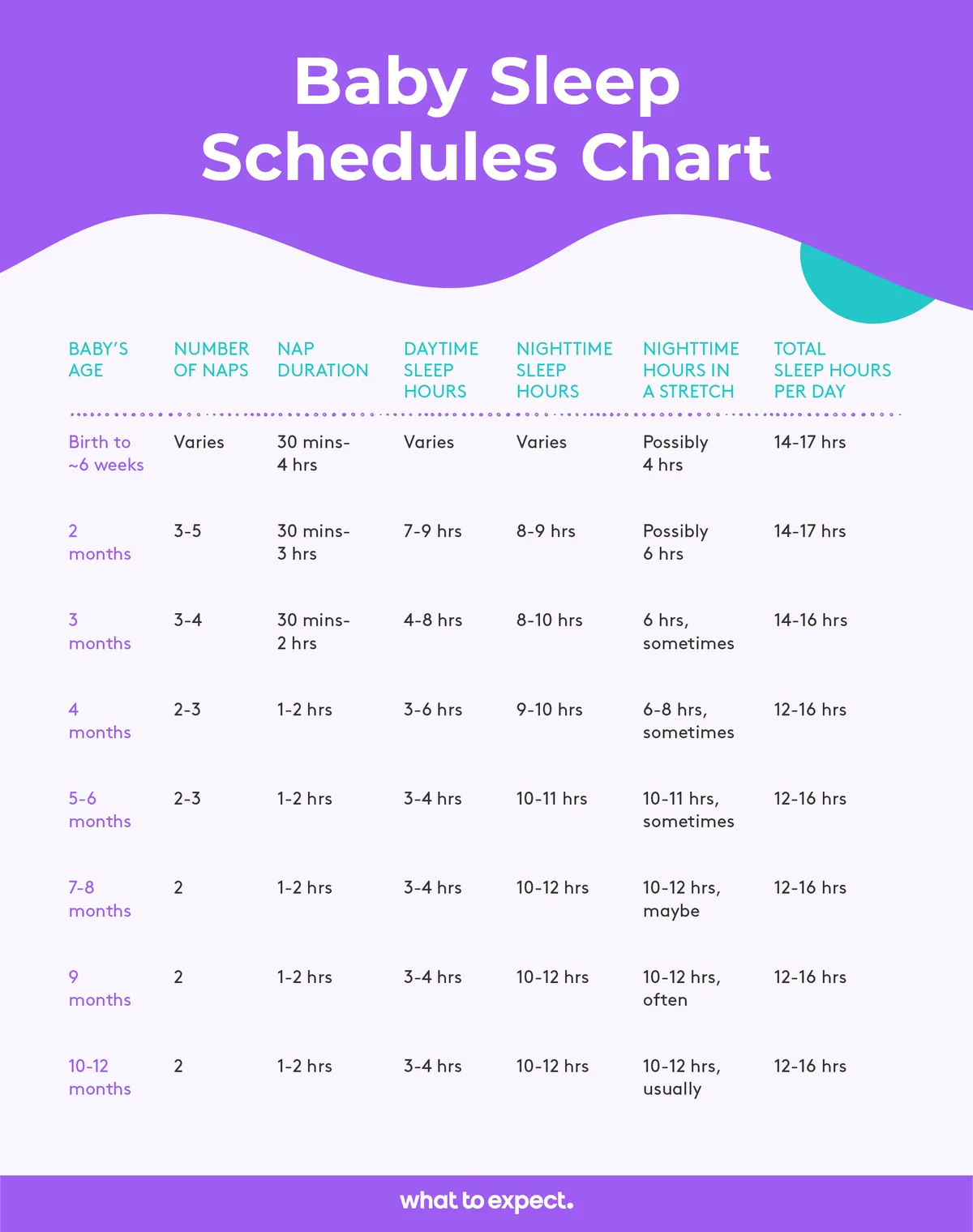
Expectations must align with biological timelines. Here is how sleep patterns typically evolve during the first quarter of life. Note that individual variation is significant.
These ranges represent averages, not rules.
| Age Range | Total Daily Sleep | Wake Windows | Key Characteristic |
|---|---|---|---|
| 0–2 Weeks | 14–17 hours | 45–60 mins | Extreme fragmentation; feeds drive waking |
| 2–6 Weeks | 14–16 hours | 60–75 mins | Peak fussiness; cluster feeding common |
| 6–8 Weeks | 14–15 hours | 75–90 mins | Melatonin onset begins; slight consolidation |
| 8–12 Weeks | 14–15 hours | 90–105 mins | Day-night distinction starts emerging |
In the first two weeks, survival mode dominates. Babies sleep whenever they eat. They rarely stay awake long enough to form a memory of the day.
Wake windows are short because energy reserves deplete quickly. Hunger is the primary alarm clock.
Between two and six weeks, many babies experience increased alertness. Paradoxically, this often brings more crying. Their nervous system is processing new sensory input.
Cluster feeding becomes prominent in the evenings. This behavior boosts milk supply and calms the infant. It looks like chaos, but it is efficient nourishment.
As you approach eight weeks, subtle changes occur. The SCN begins responding to light. Morning sunlight can help anchor the circadian rhythm.
However, nights may still be unpredictable. Do not expect continuous sleep stretches yet. True consolidation usually waits until four months.
Safe Practices: Managing Feeds, Light, and Temperature Without Stress
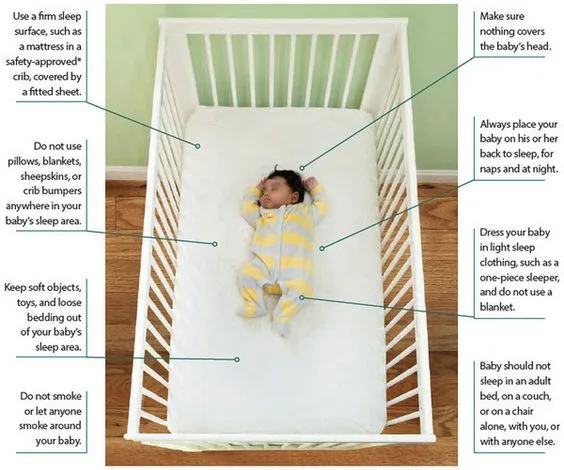
Safety trumps convenience every single time. The goal is responsive care within a safe environment. Follow AAP guidelines strictly.
Never compromise on sleep position or surface.
Place your baby on their back for every sleep. Use a firm, flat mattress in a crib or bassinet. Keep the room free of loose bedding, pillows, and toys.
Overheating increases SIDS risk, so dress them lightly. A wearable blanket is safer than loose quilts.
Light management plays a huge role in future regulation. Expose your baby to natural daylight during wakeful periods. Keep nighttime feeds dim and boring.
Avoid bright screens or overhead lights after midnight. This teaches the SCN the difference between day and night.
Feeding should remain on demand. Do not restrict calories to extend sleep. Newborns need frequent nutrition for rapid brain growth.
Watch for hunger cues like rooting or hand sucking. Respond promptly to distress. Delaying feeds creates overtiredness, which releases cortisol.
Cortisol makes settling harder, creating a vicious cycle.
Temperature control is vital. Newborns cannot regulate their body heat well. Keep the room between 68°F and 72°F (20°C, 22°C).
Check their chest or neck for warmth, not hands or feet. Sweaty skin means they are too hot. Cool extremities are normal and not a sign of cold.
When to Call the Pediatrician: Red Flags vs. Typical Variability
Irregular sleep is normal. Dangerous symptoms are not. Learn to distinguish between developmental quirks and medical issues.
Contact your provider if you notice specific red flags.
Extreme lethargy is a concern. If your baby struggles to wake for feeds, seek help. Missing more than two feeds in 24 hours warrants a call.
Poor weight gain despite frequent feeding attempts also needs evaluation. These signs suggest metabolic or neurological issues.
Look for respiratory distress. Grunting, flaring nostrils, or retractions require immediate attention. Blue tint around the lips indicates low oxygen.
Apnea pauses longer than 20 seconds are abnormal. Brief jerking during Active Sleep is fine. Sustained rhythmic shaking is not.
Persistent inconsolable crying differs from typical fussiness. Colic has limits; pain does not. If soothing techniques fail repeatedly, rule out reflux or infection.
Fever in an infant under three months is a medical emergency. Rectal temperatures over 100.4°F (38°C) need urgent care.
Trust your instincts. You know your child better than any chart. If something feels wrong, ask questions.
Better to have a false alarm than miss a real problem. Document feed times and diaper counts. This data helps doctors assess hydration and intake accurately.
Bring this log to appointments. It provides objective context for subjective worries.
Common Mistakes That Make Exhaustion Worse
Trying to enforce a rigid clock is the most frequent error parents make. You might set alarms for every two hours, ignoring hunger cues. This creates stress hormones in both you and your baby.
Cortisol spikes make settling nearly impossible. It turns feeding into a battle rather than nourishment.
Swaddling too tightly or for too long can backfire. While it mimics the womb, excessive restriction hinders hip development. Always ensure legs can bend up and out freely.
Stop swaddling once the Moro reflex fades or rolling begins. Ignoring these signs risks suffocation hazards. Safety guidelines from the CDC emphasize proper positioning over prolonged containment.
Another trap is comparing your newborn to older infants. Social media shows babies sleeping through the night at six weeks. This is biologically inaccurate for most.
Such comparisons fuel anxiety and poor decision-making. Remember that breastfed babies often wake more frequently than formula-fed ones due to faster digestion. Neither pattern indicates failure.
Both are normal variations of human development. Trust the biology, not the highlight reel.
Frequently Asked Questions
Is it safe to let my newborn sleep for five hours straight?
No, this is generally unsafe for infants under four weeks old. They need frequent feeds to maintain blood sugar levels. Long stretches increase the risk of hypoglycemia and dehydration.
Wake them gently if they exceed three to four hours without eating. Consult your pediatrician for specific weight-based recommendations before allowing longer sleeps.
Why does my baby cry more when I try to stick to a schedule?
Newborns lack the cognitive ability to understand time structures. Forcing a routine conflicts with their immediate physiological needs. Hunger, discomfort, or overstimulation triggers distress signals.
Ignoring these cues raises cortisol levels, making crying harder to soothe. Responsive parenting aligns with their immature nervous system. It reduces overall fussiness by addressing root causes promptly.
When will my baby’s sleep become predictable?
Predictability typically emerges between three and four months of age. The circadian rhythm matures, and melatonin production stabilizes. Active Sleep percentages decrease significantly during this window.
Most infants begin consolidating nighttime sleep around this mark. However, individual variation remains high. Some babies develop regular patterns earlier, while others take longer.
Patience is key during this transitional phase.
Should I wake my newborn to feed if they are sleeping deeply?
Yes, especially in the first few weeks. Deep sleep can mask hunger cues in very young infants. Missing feeds leads to inadequate calorie intake and poor weight gain.
Gently rouse them by changing diapers or rubbing their feet. Aim for eight to twelve feeds per twenty-four hours. Once they regain birth weight consistently, you may allow longer stretches.

Similar Posts