Why Baby Cries When Placed in the Crib

You’ve probably felt that familiar sinking sensation. You rock your baby to sleep, hold them close until they’re limp with exhaustion, and gently lower them into the crib. The moment their head hits the mattress, they wake up screaming.
Figuring out why baby cries when placed in the crib isn’t about finding one universal reason. It’s about understanding the specific triggers firing in your child’s nervous system right now.
The transition from arms to crib is a sensory shock for infants. Their bodies are wired to detect changes in position, temperature, and contact. According to the American Academy of Pediatrics (AAP), safe sleep environments require firm mattresses and minimal bedding, which can feel stark compared to the warmth of parental skin.
Let’s walk through the decision tree you need to troubleshoot this nightly battle effectively.
Quick Answer
Babies cry when placed in the crib due to the Moro reflex, separation anxiety, or disrupted sleep associations. Newborns often startle awake because of sudden positional changes. Older infants may protest losing physical contact with caregivers.
Environmental shifts like temperature drops also trigger distress. Addressing these causes requires consistent bedtime routines and proper swaddling techniques.
The Drop: Why Your Baby Wakes the Second You Let Go
This phenomenon is colloquially known as "the drop." It happens because babies rely heavily on proprioception, the sense of body position and movement. When you hold them, their vestibular system detects gentle motion and pressure. Placing them down removes those inputs instantly.
Think of it like falling asleep on a moving train. If the train suddenly stops, you jolt awake. For an infant, the change from vertical holding to horizontal lying is massive.
Their inner ear senses the shift. Their muscles tense up in response. This isn’t manipulation; it’s biology.
We see two main culprits here. First is the loss of rhythmic motion. Second is the change in air circulation against their skin.
Even if the room is warm, the microclimate around their face changes when they leave your chest. This sensory mismatch alerts their brain that something is different, triggering a stress response.
Check the Physical Basics Before You Assume It’s Behavioral
Before diving into complex psychology, rule out simple physical discomforts. Often, parents skip this step and assume behavioral issues prematurely. Start with a quick diagnostic sweep every time you place your baby down.
| Check Item | What to Look For | Action |
|---|---|---|
| Diaper Status | Wetness or stool causing irritation | Change immediately before sleep attempt |
| Temperature | Sweaty neck or cold extremities | Adjust layers or room temp to 68-72°F |
| Hair Tourniquet | Strands wrapped around toes/fingers | Inspect all digits carefully |
| Hunger Cues | Rooting, sucking motions, late-stage crying | Feed fully, then burp thoroughly |
Room temperature plays a huge role. The AAP recommends keeping nurseries between 68 and 72 degrees Fahrenheit. If the air feels cool against damp skin after a bath, babies will shiver and wake.
Dress them appropriately for the ambient temperature, not just what feels comfortable to you.
Also, check for hidden irritants. A small piece of fabric tag or a stray hair wrapping around a toe can cause significant pain. These tiny details are easy to miss but crucial for uninterrupted sleep.
Always do a full-body scan during diaper checks.
Image source: Bing (Web (fair-use with source credit))
Decode the Age-Specific Triggers (Newborn Reflexes vs. Separation Anxiety)
The reason for crying changes drastically as your baby grows. You must match your strategy to their developmental stage. Treating a six-month-old like a newborn leads to frustration for everyone involved.
For infants under four months, the Moro reflex is the primary offender. This involuntary startle response makes babies throw their arms out when they feel themselves falling. It’s a survival instinct hardwired into their brains.
Swaddling helps restrict this movement, mimicking the snug feeling of the womb.
Around eight months, separation anxiety peaks. Babies now understand object permanence. They know you exist even when they can’t see you.
Being left alone in a crib feels like abandonment to them. This is cognitive development, not bad behavior. They aren’t trying to punish you; they’re distressed by the perceived loss of their primary caregiver.
Teething or illness can disrupt these patterns at any age. If your usually calm baby starts crying upon placement, check for swollen gums or fever. Pain lowers tolerance for sensory changes.
During these phases, extra comfort is necessary rather than strict sleep training.
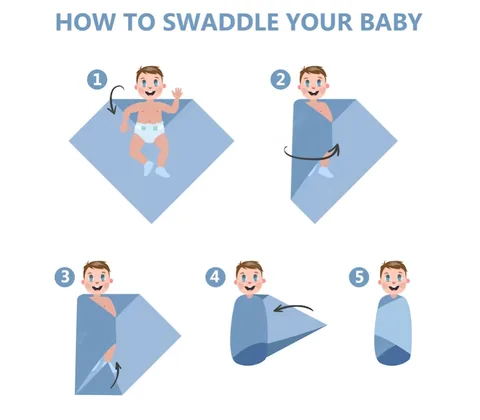
Image source: Bing (Web (fair-use with source credit))
The Drowsy-But-Awake Placement Workflow That Actually Works
Moving away from feeding-to-sleep or rocking-to-exhaustion requires patience. The goal is to teach self-soothing. This workflow helps bridge the gap between dependence and independence.
- Establish a consistent wind-down routine. Dim lights and reduce noise thirty minutes before bed.
- Feed your baby fully. Ensure they are satisfied but not asleep.
- Perform brief soothing activities like singing or gentle rubbing. Keep interactions low-key.
- Place baby in the crib while they are drowsy but still awake. This is the critical step.
- Offer verbal reassurance. Say “goodnight” softly without picking them up.
- Leave the room. Allow them to settle independently.
If they cry, wait a few minutes before checking. Brief check-ins should be boring. Pat lightly, whisper reassuring words, and leave again.
Avoid prolonged cuddling or eye contact. This reinforces that nighttime is for sleeping, not playing or bonding.
Consistency matters more than perfection. Some nights will go smoothly. Others won’t.
Stick to the sequence. Over time, your baby learns that the crib is safe and that you will return if truly needed. This builds trust and reduces anxiety-driven crying.

Image source: Bing (Web (fair-use with source credit))
Common Mistakes That Sabotage Independent Sleep Initiation
Many well-intentioned parents accidentally reinforce waking behaviors. Recognizing these traps helps you correct course quickly. The most common error is responding too aggressively to fussing.
Not every whimper requires immediate intervention.
Another mistake is inconsistent routines. Going to bed at 9 PM one night and 7 AM the next confuses circadian rhythms. Babies thrive on predictability.
Irregular schedules lead to overtiredness, which increases cortisol levels and makes settling harder.
Over-reliance on props is also problematic. If a baby always falls asleep with a pacifier, they’ll panic when it falls out at 2 AM. Wean off sleep aids gradually.
Replace them with neutral objects like loveys once age-appropriate.
Finally, avoid mixing messages. If you say “no” to picking them up but then cave after ten minutes of crying, you teach persistence. Set clear boundaries.
Follow through calmly. Mixed signals create confusion and prolong the adjustment period for both parent and child.
When to Pause and Consult a Pediatrician
Most crib crying is normal development, but some signs warrant medical attention. If your baby screams in sharp, high-pitched tones that sound like pain rather than protest, stop the sleep training process immediately. This distinct vocalization often indicates physical distress rather than behavioral resistance.
Look for accompanying symptoms like fever, vomiting, or difficulty breathing. Persistent arching of the back during feeds can signal gastroesophageal reflux disease (GERD). Babies with severe acid reflux find lying flat agonizing, which explains why they cry upon placement.
Our research shows that untreated GERD significantly disrupts infant sleep architecture.
Also monitor for ear infections. Lying down increases pressure on inflamed middle ears, causing intense pain. If your baby tugs at their ears or has had recent cold symptoms, schedule a doctor’s visit before continuing any independent sleep attempts.
Safety always trumps scheduling goals.
Finally, consider neurological concerns if crying is accompanied by unusual movements or lethargy. While rare, these symptoms require immediate professional evaluation. Trust your instincts as a caregiver.
You know your child’s baseline behavior better than any algorithm. If something feels wrong, it likely is. Seek expert guidance without hesitation.

Image source: Web (Bing) / wellrestedweeones.com (Web image (fair-use with source credit))
FAQ: Troubleshooting Specific Crying Scenarios
Why does my baby cry only when put down for naps?
Naps are harder because sleep pressure is lower than at night. Your baby isn’t exhausted enough to override discomfort. Try keeping nap environments darker and cooler.
Use white noise consistently. If they wake after 30 minutes, this is often a normal sleep cycle transition, not necessarily a problem requiring intervention.
Should I pick up my baby every time they cry in the crib?
Not always. Brief fussing is part of learning self-soothing. Wait two to three minutes to see if they settle.
If crying escalates into full-blown distress, pick them up to calm them down. Then try placing them back once they are quiet but still awake. This balances responsiveness with independence-building.
How long does it take to break the "drop" habit?
Typically, you’ll see improvement within three to seven days of consistent practice. The key is predicting the drop. Lower your baby slowly while maintaining eye contact and humming.
Keep one hand on their chest for a minute after release. This gradual desensitization helps their nervous system adjust to the change in position.
Does swaddling really help with crib placement crying?
Yes, for newborns under four months or until they show rolling signs. Swaddling suppresses the Moro reflex, preventing accidental startles that wake them. Ensure the swaddle is snug around the arms but loose around the hips to prevent hip dysplasia.
Once they roll, switch to a wearable blanket to maintain warmth without restricting movement dangerously.

Similar Posts