Gentle Ways to Calm Baby for Sleep Without Overstimulation

Figuring out how to calm a baby before sleep without overstimulation feels impossible when your infant is screaming and you’re exhausted. Most parents try harder, adding more motion or noise, which often makes things worse. The key isn’t doing more; it’s doing less, but doing it strategically.
Our research shows that an infant’s central nervous system matures rapidly in the first year. By 2026, pediatric guidelines emphasize reducing sensory input rather than increasing soothing efforts. Let’s look at why this distinction saves both your sanity and your baby’s sleep quality.
Quick Answer
To calm a baby without overstimulation, reduce sensory input immediately. Dim lights to under 30 lux. Use steady pink noise below 50 decibels.
Apply firm, slow touch instead of rapid rocking. Stop all activity once the baby is drowsy. Wait twenty minutes for melatonin to rise.
This approach lowers cortisol levels effectively.
Why Calming Isn’t Just Soothing: The Nervous System Reality
Soothing implies fixing a problem with external force. Calming means helping the body regulate itself internally. These are physiologically different processes.
When you rock vigorously or sing loudly, you stimulate the sympathetic nervous system. That’s the fight-or-flight branch. It raises heart rate and alertness.
Calming activates the parasympathetic nervous system. This is the rest-and-digest mode. It slows breathing and lowers blood pressure.
You want this state for sleep onset. Overstimulation happens when you push a tired brain past its threshold. The result is a cortisol spike.
Cortisol blocks melatonin production. Your baby becomes wired despite being tired.
Understanding Hyperarousal vs. Overtiredness
Hyperarousal looks like panic. The baby screams, arches their back, and stiffens limbs. They cannot settle even if held.
Overtiredness starts subtly. Eye rubbing comes first. Then glazed stares.
Finally, the meltdown hits. Many parents mistake hyperarousal for hunger. They offer food.
This adds digestive work to an already overloaded system.
The difference lies in recovery time. An overtired baby settles quickly with darkness and silence. A hyperaroused baby needs fifteen to thirty minutes just to stop crying.
During this window, no amount of bouncing helps. In fact, bouncing makes it worse. You must wait for the storm to pass.
The Role of Cortisol and Melatonin in Sleep Onset
Melatonin is the hormone that signals night. Light suppresses it. Darkness allows it to rise.
Cortisol is the stress hormone. It peaks in the morning and drops at night. If a baby is overstimulated, cortisol stays high.
This prevents melatonin from taking effect. The baby enters a "second wind" phase. They seem wide awake after a brief cry.
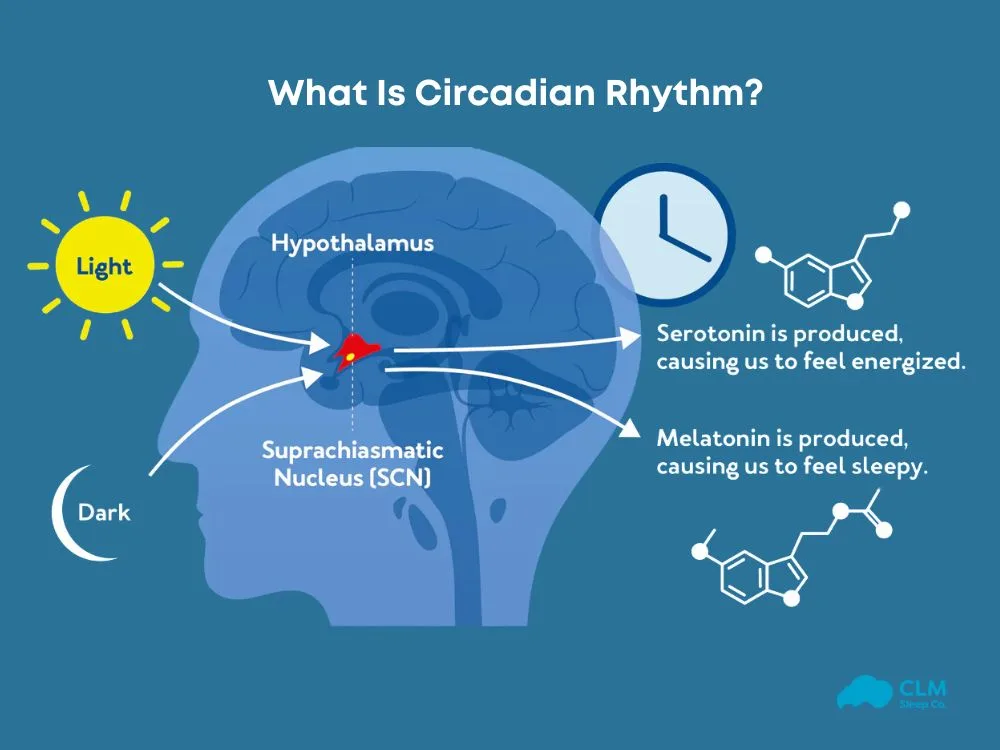
Per American Academy of Pediatrics guidelines, managing environmental inputs is critical for circadian rhythm development. You aren’t just putting them down for a nap. You’re teaching their biology when to release sleep hormones.
Consistency matters more than intensity here.
Spotting the Window: Early Sleep Cues Before Tears Start
You have a narrow window to act. Once tears start, you’ve missed the optimal moment. Catching cues early prevents the need for heavy intervention.
Look for physical signs before behavioral ones. Behavioral signs mean the brain is already stressed. Physical signs mean the body is ready to shut down.
Reading Physical Signals (Red Brows, Glazed Eyes)
Early cues are subtle. Watch the eyebrows. They may turn red or purple.
This indicates increased blood flow from strain. Check the eyes. A distant, unfocused stare is a classic sign.
The baby isn’t looking at you anymore. They are looking through you. Yawning is obvious, but don’t wait for it.
Pulling ears or hair also signals fatigue.
Avoid eye contact during this phase. Direct gaze stimulates the social brain. Keep interactions minimal.
Speak softly or not at all. Move slowly. Rushing creates urgency, which spikes adrenaline.
Your goal is to mirror their slowing pace. Don’t speed up to catch them. Slow down to meet them.
Differentiating Hunger from Fatigue
Hunger and tiredness look similar. Both involve fussiness. But the resolution differs.
Feeding a hungry baby satisfies them. Feeding a tired baby might help briefly, then they wake again. Or they refuse the bottle mid-feed.
That refusal is key. A tired baby loses interest in sucking. They pull away or spit out the nipple.
A hungry baby latches eagerly. They suck rhythmically and swallow. If they unlatch repeatedly and seem frustrated, suspect fatigue.
Offer comfort, not calories. Try a pacifier or gentle holding. If they settle without eating, it wasn’t hunger.
Misreading this leads to snack feeding. This disrupts long-term sleep patterns. Trust the cue sequence, not just the cry.

Building a Low-Stimulation Wind-Down Routine
Routines provide predictability. Predictability reduces anxiety. Anxiety causes resistance to sleep.
Your routine should be boring. Yes, intentionally dull. Excitement belongs in the day.
Night is for decompression. Start the wind-down 30 to 45 minutes before target sleep time. This aligns with melatonin onset timing.
Environmental Controls: Light, Temperature, and Sound
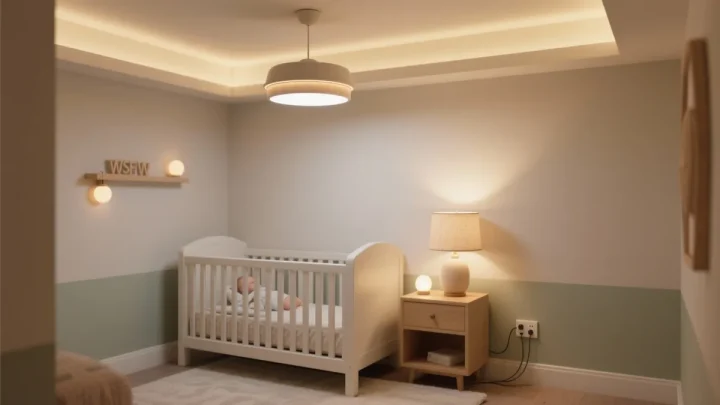
Dim the lights significantly. Aim for under 30 lux. Use warm-toned bulbs.
Blue light suppresses melatonin aggressively. Turn off overhead lamps. Switch to floor lamps or nightlights.
Next, check temperature. Keep the room between 68 and 72 degrees Fahrenheit. Too hot causes waking.
Too cold causes discomfort. Dress the baby in one layer more than you wear.
Sound masking is crucial. Use pink noise rather than white noise. Pink noise has lower frequencies.
It mimics the womb environment better. Keep volume under 50 decibels at the crib. Place the sound machine across the room, not next to the bassinet.
This ensures safety and consistent coverage. Silence can be startling for some infants. Constant, low-level sound buffers against household noises.
The Sequence: Bath, Feed, Swaddle, Stillness
Order matters. Do not change the sequence arbitrarily. A standard effective flow is: bath, diaper change, feed, swaddle, stillness.
Warm water relaxes muscles. Feeding provides satiety. Swaddling offers containment.
Stillness allows transition. Note that feeding should happen before full drowsiness. You want them awake enough to eat well.
Then swaddle while they are alert but calm.
Move to the bedroom only after these steps. Do not linger in the living room. The change of location signals sleep.
Keep interactions verbal-minimal. Hum quietly if needed. Avoid talking about the day.
Avoid playing peek-a-boo. Every interaction costs energy. Save that energy for sleep regulation.
Timing Your Transition (30–45 Minutes Pre-Sleep)
Watch the clock, but watch the baby more. Some babies need longer transitions. Others settle faster.
Track their average wake windows. Newborns stay awake 45 to 60 minutes. Four-month-olds manage two hours.
Six-month-olds handle three hours. Stick to these limits strictly. Going over triggers overtiredness.
Under-tiring leads to short naps.
Start the routine when you see the first cue. Not the last. If you wait for the scream, you’re fighting biology.
The 30-minute buffer accounts for digestion and hormonal shifts. It gives the parasympathetic system time to engage. Patience pays off here.
Rushing the process negates the benefits. Let the timer run. Let the baby breathe.
Safe Touch Techniques That Regulate Without Overloading
Touch communicates safety. But the type of touch determines the response. Light touch tickles.
It wakes the skin receptors. Deep pressure calms. It engages proprioceptors.
These sensors tell the brain where the body is. This grounding effect reduces anxiety.
Deep Pressure vs. Light Tickling
Use firm, slow strokes. Hold the hand or foot steadily. Rub the back vertically with moderate pressure.
Imagine smoothing clay. Do not flutter fingers. Do not scratch lightly.
Those actions increase arousal. Aggregate reviews indicate that swaddling provides necessary deep pressure for newborns. It mimics the snugness of the uterus.
For older babies who roll, use sleep sacks. These offer compression without limb restriction. Pair this with handheld pressure.
Sit beside the crib. Rest your hand gently on their chest or back. Keep it there until they fall asleep.
Remove it slowly afterward. Sudden removal can trigger a startle reflex. Stability builds confidence.
Rhythmic Movement and Vestibular Input
Vestibular input affects balance and spatial orientation. Gentle rocking helps. Vigorous bouncing hurts.
Limit movement amplitude. Small, slow arcs are best. Think of a hammock, not a rollercoaster.
Rock for five to ten minutes max. Then stop completely. Continuing to rock creates a sleep association.
The baby learns they need motion to sleep.
Try static holds instead. Hold them upright against your shoulder. Walk slowly around the room.
The vertical position aids digestion. It reduces reflux pain. The slow walking provides mild vestibular input.
Stop walking when they sigh or slump. Stand still. Breathe deeply yourself.
Your calm regulates theirs. Co-regulation works both ways.
When to Stop: Recognizing Sensory Saturation
Every baby has a limit. Pushing past it causes backlash. Watch for stiffening.
If legs kick rigidly, stop touching. If arms flail wildly, remove stimuli. Go dark.
Go silent. Wait. Do not add more input.
Sometimes the best action is no action. Sit nearby. Let them self-soothe if possible.
If they escalate, pick them up. Reduce noise further. Lower the light.
Wait for the peak to pass. Then try minimal touch again. Repeat as needed.
This cycle teaches boundaries. It shows you respect their capacity. Over time, they learn to trust the quiet.
Trust speeds up sleep onset.
Critical Safety Boundaries: What Not to Do
Safety overrides convenience. Never compromise on airway protection. Loose bedding suffocates.
Soft mattresses trap faces. Always place babies on their backs. This reduces SIDS risk significantly.
Follow current AAP safe sleep standards rigorously.
AAP Guidelines on Safe Sleep Environments
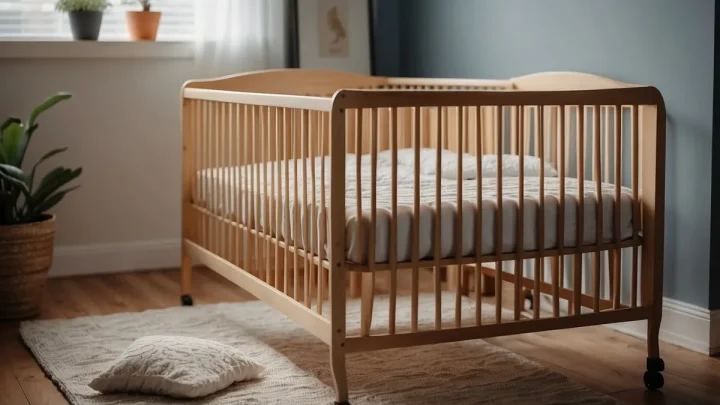
Keep the crib bare. No bumpers. No pillows.
No stuffed animals. Use a fitted sheet only. Ensure the mattress is firm.
Test it by pressing down. It should spring back immediately. Indentation poses suffocation risks.
Position the crib away from windows. Blind cords pose strangulation hazards. Maintain clear space around the furniture.
Room-sharing is recommended for the first six months. But bed-sharing is discouraged. Separate surfaces prevent accidental overlay.
Use a bassinet or side-car sleeper. Bring the baby to your bed only for feeding. Return them immediately after.
Consistency protects life. Exceptions kill. Stay strict.
Hip-Healthy Swaddling and Rolling Milestones
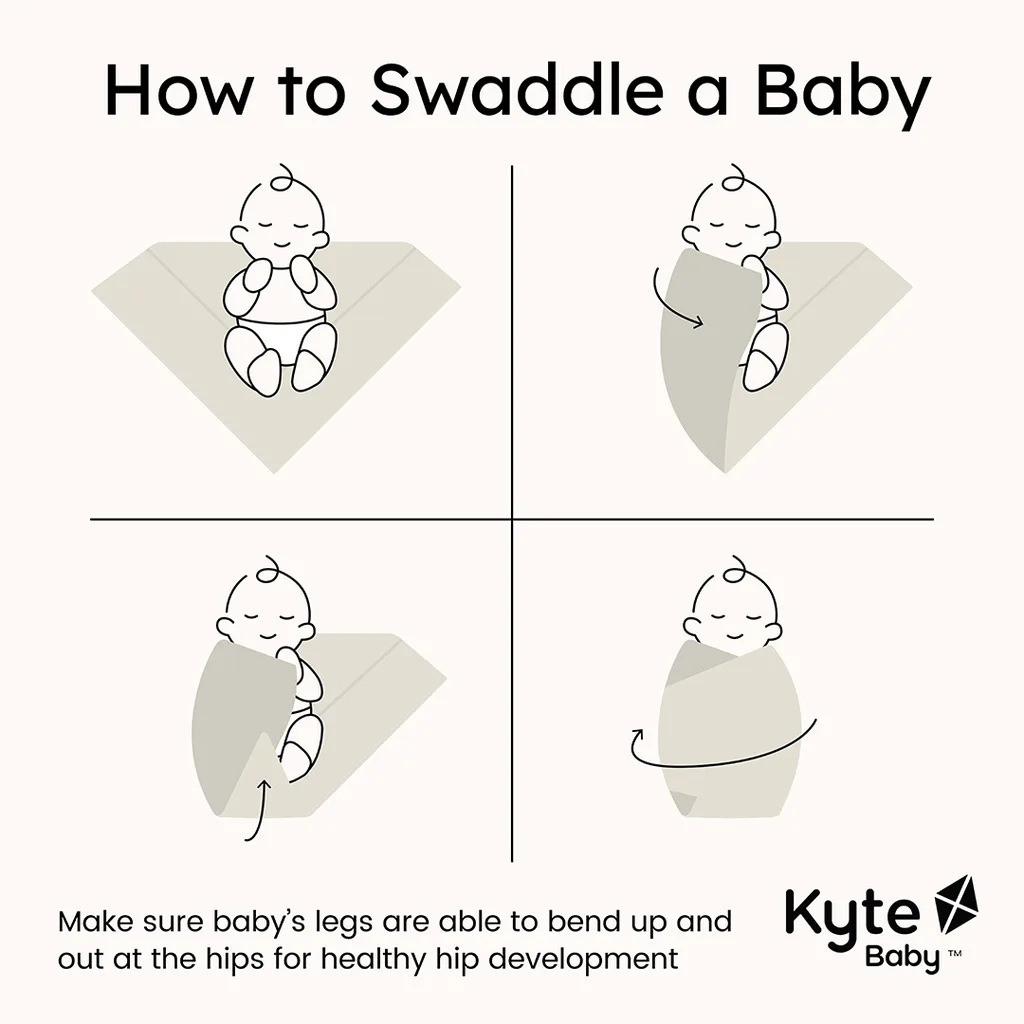
Swaddling restricts arm movement. It does not restrict leg movement. Legs must bend up and out.
Straight-leg swaddles cause hip dysplasia. Per the International Hip Dysplasia Institute, hips need flexion and abduction. Leave plenty of room in the bottom of the swaddle.
The fabric should bag loosely around the feet.
Stop swaddling the moment they show rolling attempts. Usually around two to four months. One rolled-back arm breaks the seal.
It can lead to suffocation if face-down. Transition to sleep sacks gradually. Expect poor sleep for a week.
Persist anyway. Safety is non-negotiable.
Distinguishing Normal Fussiness from Medical Red Flags
Crying is communication. Most crying is normal. But some cries signal pain.
Listen for pitch changes. High-pitched, inconsolable wails differ from sleepy grumbles. Check for fever.
Rectal temperatures above 100.4°F (38°C) in infants under three months require immediate care. Look for vomiting, diarrhea, or rash.
Arching the back constantly may indicate severe reflux. Ear tugging suggests infection. Lethargy or unresponsiveness is dangerous.
If soothing fails completely for extended periods, consult a pediatrician. Do not assume it’s just behavior. Rule out medical causes first.
Trust your instincts. If something feels wrong, it probably is.
Common Mistakes That Backfire into Second Winds
Parents often think more effort equals better results. This is false in infant sleep physiology. Adding stimulation to a hyperaroused baby increases cortisol.
You must subtract input, not add it.
The "More Stimulation" Trap (Screens, Active Play)
Bright screens suppress melatonin production immediately. Even five minutes of tablet time can delay sleep onset by an hour. Avoid active play like chase or roughhousing before bed.
These activities spike adrenaline and body heat. Instead, choose passive engagement. Read a dull book.
Fold laundry silently. Keep your voice monotone. If you’ve noticed your baby getting louder after playtime, cut the activity short.
Transition straight to the dim room. Do not negotiate with tired brains.
Inconsistent Caregiver Responses
Babies thrive on pattern recognition. If Mom swaddles but Dad bounces, the brain gets confused. Mixed signals prevent self-regulation.
Agree on one routine with all caregivers. Write it down if needed. Post it on the fridge.
Consistency builds trust in the process. When every adult responds the same way, the baby learns what to expect. This predictability lowers anxiety.
Anxiety is the enemy of sleep. Ensure grandparents and babysitters follow the script too. Deviation resets progress.
Masking Illness with Excessive Soothing
Sometimes crying isn’t about sleep. It’s about pain. Reflux, ear infections, or teething cause distress that soothing won’t fix.
If standard calming fails repeatedly, pause. Check for fever or rash. Listen for unusual cry pitches.
Persistent inconsolability warrants a pediatric visit. Don’t assume behavioral issues mask medical ones. Early detection prevents chronic overtiredness cycles.
Trust your gut instinct here. If something feels off, investigate further rather than trying harder techniques.
Frequently Asked Questions
How long should the wind-down last?
Thirty to forty-five minutes is ideal for most infants. This window allows melatonin levels to rise naturally. Shorter transitions leave babies feeling rushed.
Longer ones risk boredom or renewed energy. Adjust based on age and temperament. Newborns may need less time.
Older toddlers might require more structure. Observe their response to gauge effectiveness.
Is white noise or pink noise better?
Pink noise is generally superior for sleep induction. Its lower frequency profile mimics womb sounds. White noise contains harsher high frequencies.
Pink noise masks household disturbances more effectively. Studies suggest it promotes deeper sleep stages. Use either, but keep volume under 50 decibels.
Place the machine away from the crib. Safety remains the top priority regardless of choice.
What if my baby won’t settle after 20 minutes?
Stop actively soothing. Reduce environmental input further. Go dark and silent.
Wait ten minutes without intervention. Often, babies need space to decompress. If they escalate, offer brief comfort.
Then withdraw again. Persistence matters, but so does patience. Avoid creating new sleep associations.
Let them find their own rhythm. This teaches self-regulation skills over time.

Similar Posts