Why Does My Baby Wake Up at the Same Time Every Night?

Figuring out what to do when baby wakes at the same time nightly feels impossible when you’re exhausted. You’ve tried feeding, rocking, and shushing. Nothing sticks.
The pattern repeats like clockwork, leaving you wondering if something is wrong with your child or your parenting.
It’s rarely a medical emergency. Most often, it’s a mismatch between circadian rhythm entrainment and sleep pressure. As of 2026, pediatric sleep experts emphasize that consistent early waking is usually a scheduling issue, not a hunger crisis.
Let’s break down how to diagnose and fix this specific pattern without losing your mind.
Quick Answer
If your baby wakes at the same time nightly, check their total sleep needs first. Adjust daytime naps to ensure adequate sleep pressure builds up by bedtime. Rule out environmental triggers like light or noise immediately.
If the pattern persists for two weeks, consult your pediatrician to exclude medical causes like reflux or ear infections. Consistency in timing is more critical than duration alone.
First, Rule Out the Obvious Physical Causes
Before tweaking schedules, we need to clear the deck of biological drivers. Hunger is the most common culprit for infants under six months. But if your baby is older and gaining weight well, true hunger is unlikely to wake them at 4 AM sharp every night.
Look for signs of discomfort instead. Teething pain often spikes at night due to cortisol drops. Acid reflux can cause burning sensations when lying flat.
Ear infections worsen in horizontal positions too.
- Check for fever or illness: Even low-grade temps disrupt sleep cycles.
- Inspect the diaper: A saturated diaper can cause chafing and urgency.
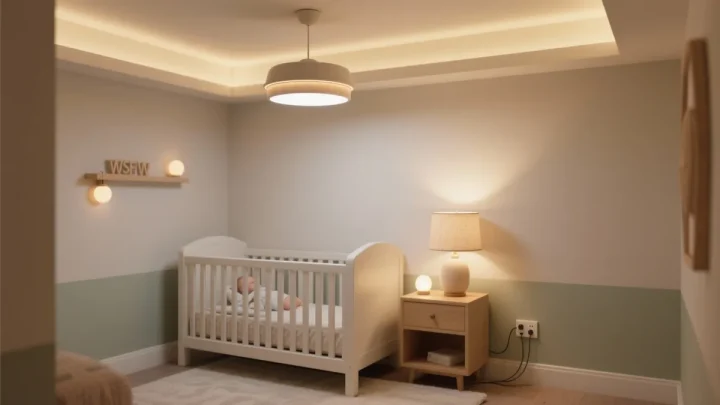
- Assess clothing: Overheating is a major SIDS risk factor and sleep disruptor. Ensure the room stays between 68, 72°F (20, 22°C).
If these physical bases are covered, the issue is likely behavioral or developmental. Don’t assume it’s "just a phase" if it lasts more than two weeks. Persistent identical waking times suggest a conditioned response or a schedule misalignment.
Image source: Bing (Web (fair-use with source credit))
Diagnose Your Baby’s Specific Wake-Up Trigger
Not all early wakings are created equal. We categorize them into three buckets: habitual, overtired, or undertired. Getting this diagnosis right saves weeks of trial and error.
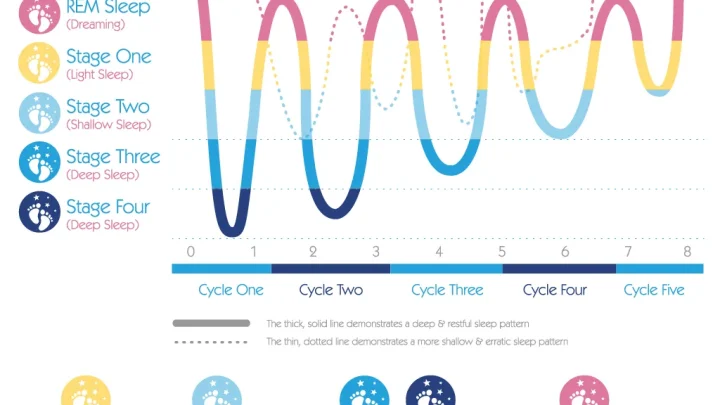
Habitual waking happens because your baby learned that crying at 5 AM brings food or attention. Their internal clock fires precisely then. Overtiredness leads to fragmented sleep.
High cortisol levels prevent deep restorative stages, causing frequent awakenings. Undertiredness means insufficient sleep pressure. They simply don’t need as much night sleep as you think.
Use this diagnostic table to pinpoint your scenario:
| Symptom | Likely Cause | Key Indicator |
|---|---|---|
| Wakes exactly at same time, happy/alert | Habitual/Clock-Waking | No distress, plays quietly |
| Wakes screaming, hard to settle | Overtiredness | Short naps, late bedtime |
| Wakes easily, falls back asleep quickly | Undertiredness | Long day naps, early bedtime |
| Wakes arching back, crying in pain | Medical/Physical | Reflux, teething, or illness |
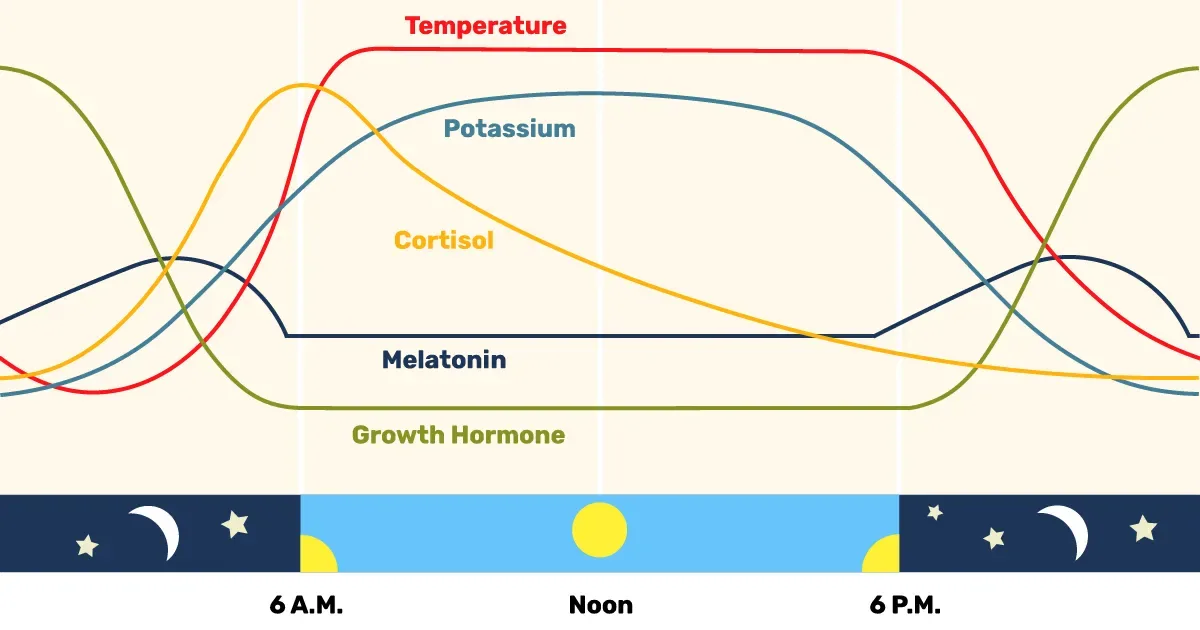
Image source: Web (Bing) / tour.classicjapcycles.com (Web image (fair-use with source credit))
Adjusting the Schedule: The Primary Intervention
Once diagnosed, schedule adjustment is your strongest tool. For habitual wakers, you must shift the entire day forward or backward by 15-minute increments. Do not change everything at once.
Small shifts reset the circadian rhythm gradually.
For overtired babies, earlier bedtimes are counterintuitive but effective. An overtired child produces excess stress hormones. Putting them to bed 30 minutes earlier can actually consolidate night sleep.
Conversely, undertired babies need later bedtimes or reduced nap durations.
Wake windows are critical here. These are the periods of awake time between sleeps. They vary strictly by age.
Ignoring them guarantees fragmentation.
- Newborns (0, 3 months): 45, 90 minutes.
- Infants (4, 6 months): 2, 2.5 hours.
- Older Infants (7, 12 months): 2.5, 3.5 hours.
- Toddlers (12, 24 months): 3.5, 5 hours.
Track these religiously for three days. If your baby takes a long afternoon nap, cut it short. Total 24-hour sleep should align with age norms.
Too much day sleep steals from night pressure.
Image source: Web (Bing) / heypoppins.com (Web image (fair-use with source credit))
Managing the Environment to Prevent Clock-Waking
Your bedroom environment acts as a cue for waking. Light is the primary zeitgeber (time-giver) for circadian rhythms. If sunlight hits the crib at 5 AM, melatonin production stops instantly.
Blackout curtains are non-negotiable for chronic early risers.
Temperature stability matters too. Bodies naturally cool during deep sleep. A sudden warm-up can trigger arousal.
Use a thermometer to monitor the room. Keep it consistently cool. Humidity should stay between 40, 60% to prevent dry airways.
Sound masking helps buffer against household noises. A white noise machine set to 50 decibels mimics the womb’s audio environment. It masks the sound of parents moving or birds chirping.
Place the machine away from the crib for safety.

Image source: Web (Bing) / can.grandado.com (Web image (fair-use with source credit))
Responding Strategically When They Wake Early
How you react determines whether the behavior continues. If you rush in immediately, you reinforce the wake time. Instead, wait five minutes.
This brief pause allows some babies to self-soothe and return to sleep.
If they remain awake, enter calmly. Keep lights off. Do not talk or play.
Offer a pacifier or gentle pat if needed. Avoid feeding unless medically necessary. Feeding at 5 AM signals to the body that this is breakfast time, cementing the habit.
For separation anxiety peaks (common around 8, 9 months), comfort is vital but boundaries matter. Stay nearby until they settle, then leave. Consistency teaches security without enabling dependence.
Remember, breaking associations takes time. Expect protest for 3, 5 nights before seeing improvement. Stick to the plan even when it feels futile.
Common Mistakes That Reinforce Early Waking
Parents often sabotage progress by reacting inconsistently. If you ignore the 5 AM wake-up one night but feed immediately the next, you create intermittent reinforcement. This makes the habit stronger, not weaker.
Your baby learns that persistence pays off eventually.
Another frequent error is extending naps too late in the day. A third nap after 4 PM steals sleep pressure from bedtime. By evening, your child isn’t tired enough to sustain deep sleep through the night.
They wake early because they simply aren’t fatigued enough to stay asleep.
Over-tapping into comfort aids also backfires. Rocking or feeding a drowsy baby puts them into a dependent state. When they cycle out of light sleep hours later, they can’t reconnect without that same input.
Keep interventions minimal and boring during night wakings.
Finally, don’t panic over single bad nights. Sleep patterns fluctuate with growth spurts and teething. Judge success over a two-week window, not a 24-hour period.
Reacting to every minor deviation confuses both you and your child. Stick to the adjusted schedule for at least seven days before assessing results. Consistency builds trust in the new routine.
FAQs on Nightly Pattern Disruptions
How long does it take to fix clock-waking?
Most families see improvement within 7 to 10 days of consistent adjustments. Some babies adapt faster, especially if the issue was purely environmental. Others may need up to three weeks if habits were deeply ingrained.
Patience is key. Don’t switch strategies midway. Give each change time to work before trying something new.
Track progress daily to spot trends.
Should I wake my baby earlier to fix early rising?
No. Waking them earlier usually worsens overtiredness. Instead, focus on optimizing daytime naps and bedtime timing.
Ensure they get adequate total sleep for their age. Shifting the entire schedule slightly later can sometimes help reset the internal clock. But never force an early rise.
Let natural sleep pressure drive the morning wake-up time gradually.
Is it okay to let my baby cry it out?
Graduated extinction methods are effective for older infants (6+ months). Always consult your pediatrician first. Ensure no medical issues exist.
Start with short checks to reassure presence without picking up. This reduces anxiety while teaching self-soothing. Gentle methods like chair fading work better for sensitive children.
Choose the approach that fits your family’s comfort level and values.
Can teething cause exact-time waking?
Teething pain typically causes irregular waking, not precise clock-work patterns. However, inflammation peaks at night due to cortisol drops. If your baby wakes at the same time nightly, suspect habit or schedule issues first.
Use pain relief only if other symptoms (drooling, gum swelling) appear. Rule out teething as the sole cause of rigid timing. Address the root scheduling problem primarily.

Similar Posts